Hives vs. Rash: 4 Differences, Causes, Symptoms & Treatments
Understand the differences between hives and rashes: symptoms, causes, treatments, and when to seek medical help for effective skin care.
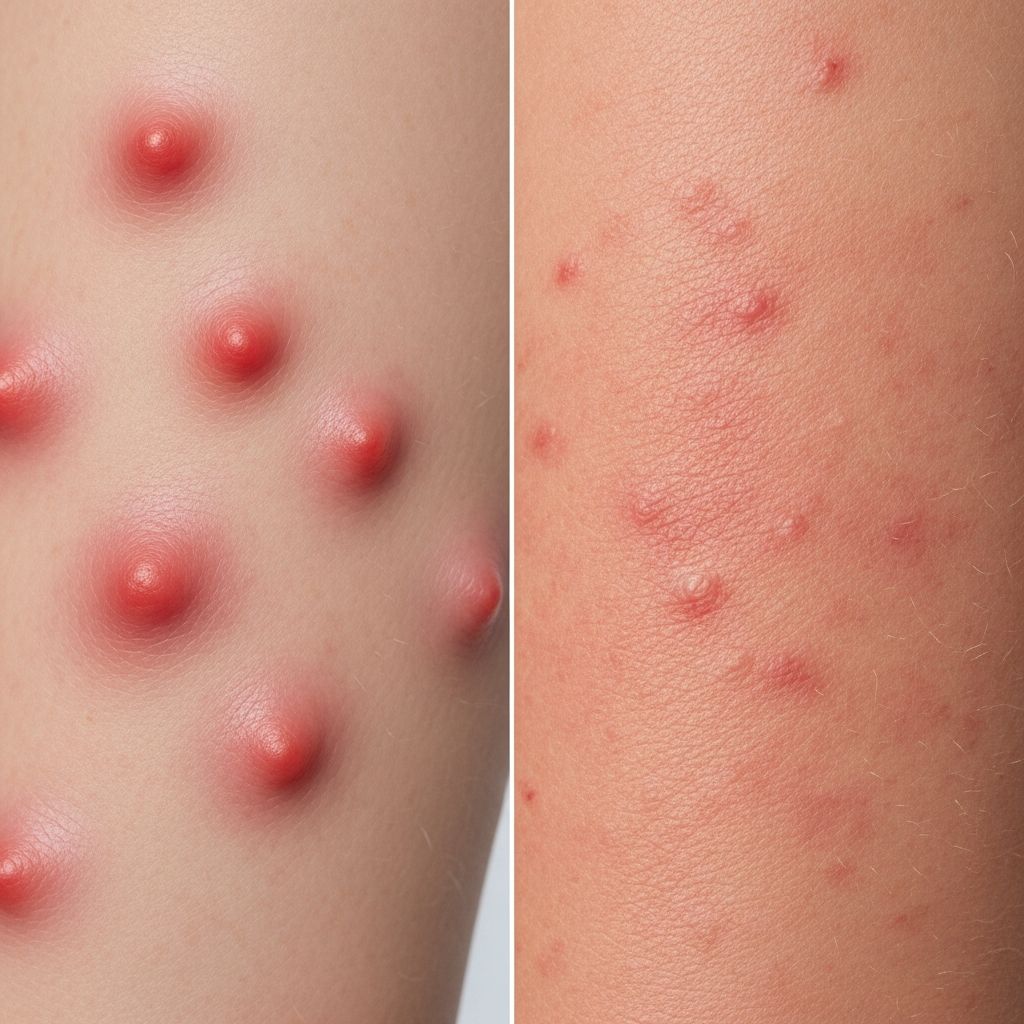
A hives outbreak and a rash may look similar on the skin, but they have distinct characteristics, causes, and treatments. Knowing the differences can help you identify the issue and decide on the right course of action.
Hives, medically known as urticaria, are a specific type of rash characterized by raised, itchy welts that appear suddenly and can disappear quickly. Rashes, on the other hand, are a broad term encompassing any change in skin color, texture, or appearance, often from inflammation, infections, or irritants. While hives always involve swelling and itching, rashes vary widely in presentation and duration.
What Are Hives?
Hives are red or skin-colored raised bumps called wheals that result from the release of histamine and other chemicals from mast cells in the skin. These welts can vary in size from small spots to large patches and often itch intensely, sometimes accompanied by burning or stinging.
Hives can appear anywhere on the body, in clusters or individually, and characteristically blanch (turn white) when pressed due to fluid leakage from blood vessels into surrounding tissues. Acute hives last less than six weeks, while chronic hives persist longer, potentially indicating underlying health issues.
What Is a Rash?
A rash refers to any outbreak or area of irritated or inflamed skin, manifesting as changes in color (redness), texture (scaly, bumpy), or both. Unlike hives, rashes do not always feature raised welts and can include blisters, dryness, or peeling.
Common examples include eczema (dry, itchy patches), contact dermatitis (from irritants like poison ivy), psoriasis (scaly plaques), or viral rashes like those from measles. Rashes develop gradually and may persist for days or weeks.
Hives vs. Rash: Spotting the Differences
Distinguishing hives from other rashes relies on appearance, duration, and symptoms. Hives emerge suddenly, migrate across the body, and resolve within hours to days, whereas rashes tend to stay fixed and last longer.
| Characteristic | Hives | Rash |
|---|---|---|
| Appearance | Raised, red or flesh-toned welts that change size/shape; blanch on pressure; cluster and spread | Red/discolored patches; bumpy, scaly, rough, blistered, or swollen; fixed location |
| Duration | Sudden onset; last hours to days; come/go quickly | Gradual; persist days/weeks |
| Symptoms | Intense itching, swelling, warmth; burning possible | Itching/pain variable; irritated, raw, warm skin; no consistent swelling |
Symptoms of Hives
- Raised, itchy wheals that can be pinhead-sized or plate-sized
- Welts that migrate, change shape, or merge into larger areas
- Intense itching, often preceded by tingling
- Redness, swelling, or flushed skin around welts
- Angioedema (deeper swelling) in severe cases, affecting lips, eyes, or throat
Hives can be triggered abruptly and recur, lasting from minutes to chronic months.
Symptoms of Rashes
- Redness, discoloration, or patches
- Changes in texture: dry, scaly, cracked, or rough
- Bumps, blisters, or pustules (not always raised like hives)
- Itching, burning, pain, or warmth
- Peeling or oozing in conditions like eczema
Symptoms depend on the cause; some rashes like shingles cause severe pain.
Related Stories



Causes of Hives
Hives result from immune responses releasing histamine, triggered by:
- Allergies: Foods (nuts, shellfish), medications (antibiotics), insect stings
- Infections: Viral (cold, hepatitis), bacterial
- Physical stimuli: Cold, heat, pressure, sun exposure (cholinergic urticaria)
- Stress or autoimmune issues in chronic cases
- Idiopathic: No clear cause in up to 50% of cases
Causes of Rashes
Rashes stem from diverse sources:
- Allergic contact: Poison ivy, nickel, fragrances
- Infections: Bacterial (impetigo), fungal (ringworm), viral (shingles, measles)
- Autoimmune: Psoriasis, lupus
- Irritants: Diapers, soaps, heat rash from blocked sweat ducts
- Chronic conditions: Eczema, rosacea
Treatment for Hives
First-line: Antihistamines (loratadine, cetirizine) to block histamine; avoid triggers.
- Cool compresses or oatmeal baths for relief
- Oral corticosteroids for severe acute episodes
- Epinephrine for anaphylaxis
- Chronic: Omalizumab injections or immunosuppressants
Treatment for Rashes
Tailored to cause:
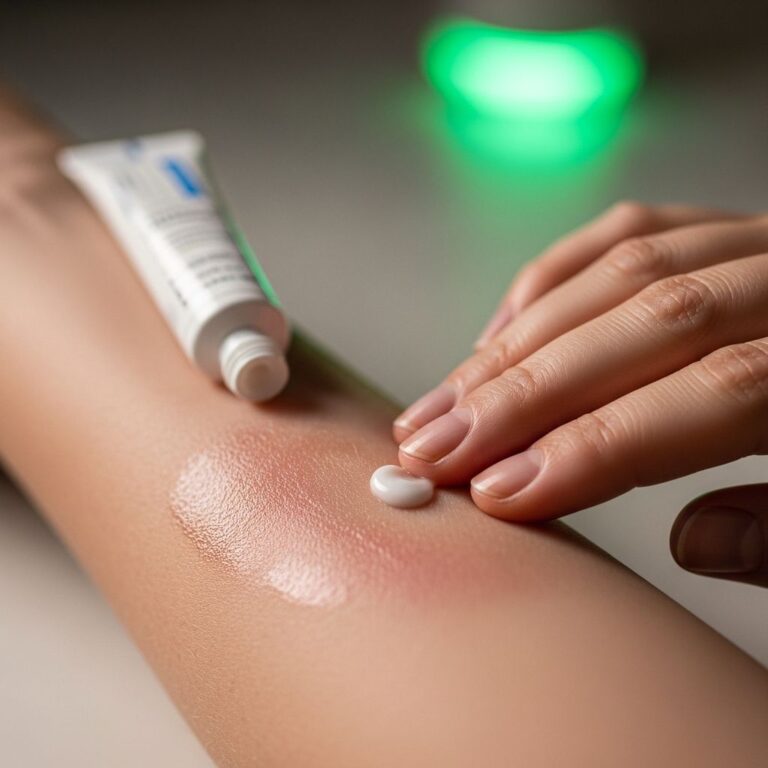
- Moisturizers/steroid creams for eczema/dermatitis
- Antibiotics/antifungals for infections
- Avoid irritants; calamine lotion for poison ivy
- Phototherapy for psoriasis
When to See a Doctor
Seek immediate care if rash/hives accompany:
- Difficulty breathing/swelling of face/throat
- Fever, dizziness, confusion
- Severe pain, open sores/blisters
- Rash on genitals/eyes/mouth
- Spreading rapidly or lasting >6 weeks
Consult a dermatologist for persistent or recurrent issues.
Frequently Asked Questions (FAQs)
What is the main difference between hives and a rash?
Hives are a specific rash type with sudden raised, itchy welts that blanch and migrate; general rashes vary in texture/color without consistent welts.
Do hives always itch?
Most hives itch intensely, but some may only burn or sting.
Can stress cause hives or rashes?
Yes, stress triggers hives via histamine release; it can exacerbate rashes like eczema.
How long do hives typically last?
Individual welts fade in <24 hours, but outbreaks can recur for weeks (acute) or longer (chronic).
Are hives contagious?
No, hives are not contagious; rashes from infections (e.g., ringworm) may be.
When should I worry about a rash?
If accompanied by systemic symptoms like fever, breathing issues, or if it worsens/spreads.
This comprehensive guide empowers you to differentiate hives from rashes for timely management. Always consult healthcare professionals for personalized advice.
References
- Hives Vs Rash: Key Differences and Treatment — Parsley Health. 2023. https://www.parsleyhealth.com/blog/hives-vs-rash
- Hives vs. Rash: Identification, Symptoms, Causes, and Treatment — Healthline. 2023-10-15. https://www.healthline.com/health/hives-vs-rash
- Hives and other rashes: what you need to know — CityMD. 2024. https://www.citymd.com/health-and-wellness/hives-and-other-rashes-what-you-need-to-know
- What Are the Differences Between Rashes and Hives? — Baptist Health. 2023. https://www.baptisthealth.com/blog/family-health/what-are-the-differences-between-rashes-and-hives
- Hives versus Rashes: Know the Difference — Knoxville Dermatology. 2023. https://www.knoxderm.com/hives-versus-rashes-know-the-difference/
- Hives vs. Rash: Which Do I Have? — Florida Medical Clinic. 2023. https://www.floridamedicalclinic.com/blog/hives-vs-rash-which-do-i-have/
- Hives: Causes, Symptoms, Diagnosis, Treatment & Prevention — Cleveland Clinic. 2023-11-30. https://my.clevelandclinic.org/health/diseases/8630-hives
Similar Articles








Read full bio of medha deb