HMB Supplement: Benefits, Dosage, and Side Effects
Discover the science-backed benefits of HMB supplements for muscle growth, recovery, and strength in athletes and older adults.

β-Hydroxy-β-methylbutyrate (HMB) is a metabolite of the essential amino acid leucine, naturally produced in small amounts by the body to support muscle protein synthesis and repair. Supplements provide higher doses to enhance exercise adaptations, reduce muscle damage, and preserve lean mass, particularly beneficial for beginners, older adults, and those in calorie deficits.
What Is HMB?
HMB, or β-hydroxy-β-methylbutyrate, forms when the body breaks down leucine, a branched-chain amino acid (BCAA) crucial for muscle repair. Only about 5% of dietary leucine converts to HMB, so supplementation boosts levels for greater anti-catabolic effects, meaning it helps prevent muscle breakdown during intense training or aging.
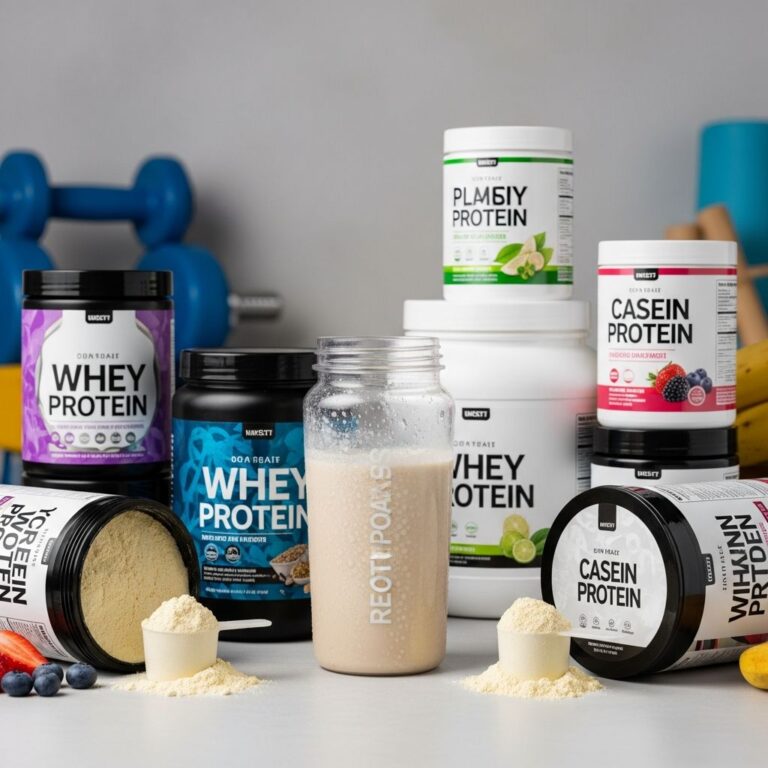
Found in trace amounts in foods like grapefruit and catfish, HMB supplements are available as capsules, tablets, or powders. Research shows the body retains 71-86% of ingested HMB, with peak plasma levels in 60-120 minutes and a half-life of about 2.5 hours.
HMB Benefits
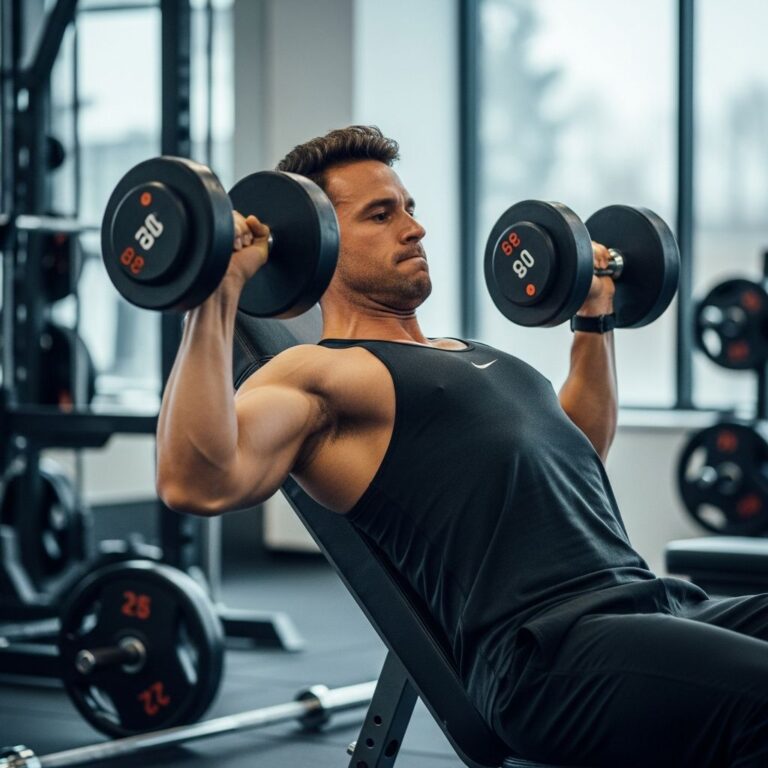
Over 50 studies support HMB’s ergogenic effects, including increased muscle growth, reduced breakdown, and improved recovery. Benefits are most pronounced in untrained individuals, older adults with sarcopenia, and during resistance training or energy restriction.
- Increased muscle growth: HMB promotes lean body mass (LBM) gains, with meta-analyses showing 0.28% weekly increases in LBM and 1.4% in strength at 3g/day.
- Reduced muscle loss: Effective against catabolism in calorie deficits or bed rest, maintaining LBM better than placebo.
- Better exercise performance: Enhances strength and functionality, especially in untrained and aging populations.
Who Benefits Most from HMB?
Untrained individuals: New to resistance training see faster muscle and strength gains with HMB, as short-term studies (3+ weeks) show increased fat-free mass.
Athletes and trained individuals: Benefits emerge over 6+ weeks, reducing damage markers like CK and LDH post-exercise, improving recovery in wrestlers and others.
Older adults: Counters sarcopenia; combined with vitamin D, boosts strength and function without exercise. A study found long-term HMB + vitamin D improved physical performance in vitamin D-sufficient seniors.
Those in calorie deficit: Preserves muscle during weight loss, outperforming placebo in maintaining LBM.
How HMB Works
HMB exerts anti-catabolic, anabolic, and lipolytic effects by activating mTOR pathways for protein synthesis, reducing proteolysis, and stabilizing muscle cell membranes. A 2025 meta-analysis of 15 trials (712 participants) confirmed HMB significantly raises testosterone (SMD 0.82, p=0.001), supporting anabolic effects without altering cortisol, IGF-1, or GH.
Peak efficacy occurs at 3g/day, with free acid (HMB-FA) absorbing faster than calcium HMB (HMB-Ca).
HMB Dosage and Timing
Standard dose is
3 grams per day
, split into 1g servings with meals for steady levels. Studies confirm safety and efficacy at 3-6g/day for months.| Population | Recommended Dose | Timing | Duration for Benefits |
|---|---|---|---|
| Untrained | 3g/day | 1g x3 with meals | 3+ weeks |
| Athletes | 3g/day | Pre/post-workout | 6+ weeks |
| Older Adults | 3g/day + Vitamin D | With meals | 12+ weeks |
| Calorie Deficit | 3g/day | Split doses | During restriction |
HMB-FA may suit peri-workout use for quicker uptake.
Is HMB Safe? Side Effects
HMB is well-tolerated at 3g/day, with no adverse effects on liver, kidney, lipids, or immunity in trials up to 8 weeks (0-6g doses). It may lower LDL cholesterol in hypercholesterolemia and support wound healing.
Related Stories



Long-term data (months) shows safety; consult a doctor if pregnant, nursing, or with conditions. No interactions noted with common supps like creatine.
HMB vs. Leucine
| Aspect | HMB | Leucine |
|---|---|---|
| Source | Leucine metabolite (5% conversion) | Essential BCAA in protein foods |
| Dose for Effects | 3g/day direct | 20-40g/day for equivalent HMB |
| Retention | 71-86% | Variable |
| Best For | Muscle preservation/recovery | Protein synthesis trigger |
HMB provides targeted benefits without high leucine doses.
HMB and Other Supplements
- Vitamin D: Synergistic for older adults’ strength; requires sufficiency (>30 ng/mL).
- Creatine/Glutamine/Arginine: Boosts mass, prevents cachexia, aids healing.
- Stacks well for performance without conflicts.
Bottom Line
HMB excels for muscle preservation, growth in novices/elderly, and recovery. Take 3g/day safely; pair with training and nutrition for best results. More research needed on trained athletes long-term.
Frequently Asked Questions (FAQs)
What does HMB do for your body?
HMB reduces muscle breakdown, supports growth/strength, aids recovery, and may raise testosterone.
Who should take HMB supplements?
Ideal for untrained people, seniors, athletes recovering from damage, or those dieting.
How much HMB per day?
3 grams, divided; safe up to 6g.
Does HMB build muscle?
Yes, especially with training in newbies/older adults; increases LBM 0.28%/week.
Is HMB safe long-term?
Yes, no side effects in studies; may improve cholesterol.
Can I get HMB from food?
Minimally; supplements needed for therapeutic levels.
References
- β-Hydroxy-β-methyl butyrate (HMB) supplementation … hormonal response — Frontiers in Nutrition. 2025. https://www.frontiersin.org/journals/nutrition/articles/10.3389/fnut.2025.1582135/full
- Benefits, Downsides, and Dosage of Hydroxymethylbutyrate (HMB) — Healthline. 2024. https://www.healthline.com/nutrition/hmb
- Long-term Effects of Calcium β-Hydroxy-β-Methylbutyrate and Vitamin D3 — The Journals of Gerontology. 2020-10-15. https://academic.oup.com/biomedgerontology/article/75/11/2089/5898559
- Effects of beta-hydroxy-beta-methylbutyrate (HMB) on exercise performance — PMC / Nutrition & Metabolism. 2008-03-13. https://pmc.ncbi.nlm.nih.gov/articles/PMC2245953/
- International society of sports nutrition position stand: β-hydroxy-β-methylbutyrate (HMB) — Journal of the International Society of Sports Nutrition. 2024. https://www.tandfonline.com/doi/full/10.1080/15502783.2024.2434734
Similar Articles








Read full bio of Sneha Tete