Hoarseness (Dysphonia): Causes, Symptoms & Treatment
Understanding hoarseness: Learn about causes, symptoms, diagnosis, and effective treatment options.
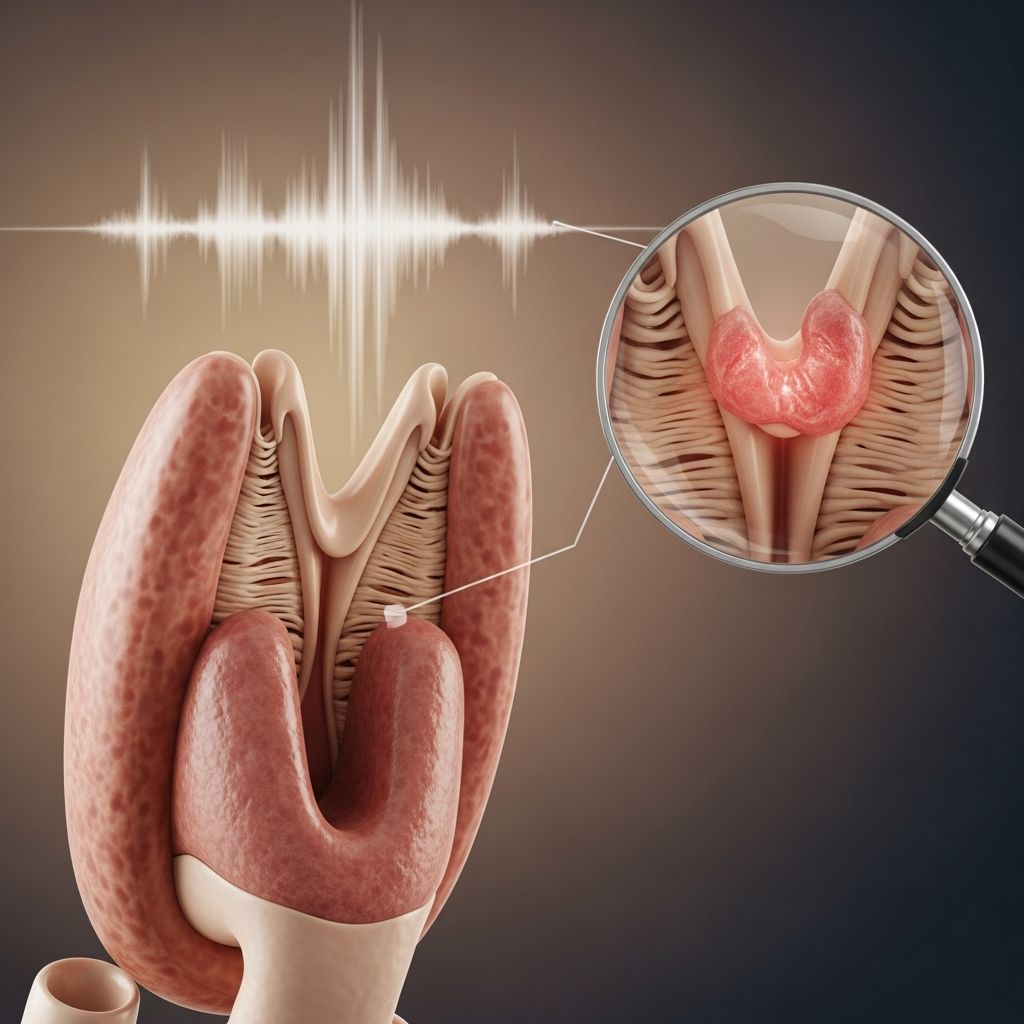
Understanding Hoarseness (Dysphonia)
Hoarseness, medically known as dysphonia, is a common condition that affects how your voice sounds and functions. When you experience hoarseness, your voice may sound raspy or strained, become softer than usual, or shift to an abnormally higher or lower pitch. This widespread condition affects people across all age groups and is rarely a symptom of serious illness. However, understanding the underlying causes and knowing when to seek professional help is essential for proper voice management and overall health.
Most cases of hoarseness resolve on their own without requiring intervention, particularly when caused by temporary vocal strain or minor infections. However, persistent hoarseness lasting three weeks or longer warrants evaluation by a healthcare provider to rule out underlying conditions that may require treatment.
What Causes Hoarseness?
Hoarseness results from any condition affecting your vocal cords and larynx. Your vocal cords are two bands of tissue located inside your larynx that open and close during speech. When you speak, air from your lungs causes your vocal cords to vibrate, creating sound waves that form your voice. Disruption to this delicate mechanism can result in hoarseness.
Common Causes of Hoarseness
Several conditions can trigger hoarseness:
– Vocal overuse: Excessive talking, shouting, or singing strains your vocal cords, causing inflammation and temporary hoarseness- Acute laryngitis: Viral or bacterial infection of the larynx, typically following a cold or respiratory infection- Chronic laryngitis: Long-standing inflammation often related to reflux, smoking, alcohol consumption, or inhaled irritants- Vocal fold hemorrhage: Bleeding within the vocal cord tissues, usually resulting from trauma or severe strain- Muscle tension dysphonia: Excessive tension in laryngeal muscles causing voice changes and discomfort- GERD (Gastroesophageal reflux disease): Stomach acid backflow irritating the throat and larynx- Vocal nodules, cysts, and polyps: Benign growths on vocal cords developing from chronic voice abuse or strain- Smoking and tobacco use: Chemical irritation causing chronic inflammation and Reinke edema- Respiratory papillomatosis: Human papillomavirus-related growths in the respiratory tract- Presbylarynx: Age-related vocal cord changes affecting approximately 25% of people over 65
While less common, hoarseness may indicate serious conditions including cancer or neurological disorders. These possibilities make professional evaluation important for persistent symptoms.
Recognizing Symptoms of Hoarseness
Beyond the obvious voice changes, hoarseness may present with several accompanying symptoms:
– Voice sounds raspy, scratchy, or rough- Speaking feels effortful or tiring (vocal fatigue)- Your voice breaks unexpectedly during speech- Difficulty projecting your voice or speaking loudly- Throat pain or discomfort when speaking- Sensation of a lump in your throat- Chronic cough or throat clearing- Difficulty swallowing
When to Seek Medical Attention
While most hoarseness resolves independently, certain situations require professional evaluation. Contact a healthcare provider if:
– Hoarseness persists for three weeks or longer- Voice changes accompanied by difficulty swallowing or breathing- You experience throat pain or pain during swallowing- You’re coughing up blood- A lump appears in your neck- You haven’t been able to use your voice for several days- Hoarseness follows a specific injury or trauma
Seek immediate medical attention if you experience severe difficulty breathing or swallowing, as these may indicate a medical emergency.
Diagnosis and Evaluation
Initial Assessment
When you visit a healthcare provider for hoarseness evaluation, they begin by collecting your medical history and current medications. Your provider will ask detailed questions about your symptoms, including when hoarseness started, whether it developed suddenly or gradually, and any associated symptoms. They’ll also inquire about your voice use patterns, smoking history, and recent illnesses.
Related Stories



Physical Examination
Your healthcare provider will listen carefully to your voice quality and examine your head and neck for any abnormalities, lumps, or masses. This visual inspection helps identify obvious structural problems or signs of infection.
Diagnostic Tests
To determine the cause of persistent hoarseness, your provider may perform:
– Laryngoscopy: Direct visualization of your vocal cords using a thin, flexible scope, allowing detailed examination of laryngeal structures- Stroboscopy: Advanced laryngoscopy using strobe lighting to assess vocal cord movement and vibration patterns- Imaging studies: CT or MRI scans may be ordered if tumors or structural abnormalities are suspected- Laboratory tests: Cultures or biopsies if infection or malignancy is suspected
Specialist Referral
Depending on your symptoms and examination findings, your primary care provider may refer you to an otolaryngologist (ear, nose, and throat specialist) or laryngologist for comprehensive evaluation and specialized treatment.
Treatment Options for Hoarseness
Treatment depends entirely on the underlying cause of your hoarseness. Your healthcare provider will tailor the approach to address the specific condition responsible for your voice changes.
Cause-Specific Treatment Approaches
| Condition | Treatment Options |
|---|---|
| Vocal fold hemorrhage or muscle tension dysphonia | Voice rest or voice therapy with a speech-language pathologist |
| Colds and sinus infections | Over-the-counter medications or antibiotics for bacterial infections |
| Laryngitis | Antibiotics (if bacterial) or corticosteroids to reduce inflammation |
| GERD | Antacids, proton pump inhibitors, and lifestyle modifications |
| Vocal nodules, cysts, polyps, or papillomas | Surgery and/or voice therapy with speech-language pathologist |
| Smoking-related changes (Reinke edema) | Smoking cessation, reflux treatment, and voice therapy; surgery for severe cases |
| Cancer or neurological diseases | Specialized treatment by oncologists or neurologists based on diagnosis |
Voice Therapy and Speech-Language Pathology
Voice therapy with a qualified speech-language pathologist represents a cornerstone of treatment for many hoarseness causes. This specialized therapy focuses on teaching proper vocal techniques, reducing harmful voice habits, and strengthening vocal function. Research demonstrates significant improvement in dysphonia symptoms through voice therapy, particularly for muscle tension dysphonia and post-surgical rehabilitation.
Surgical Interventions
For certain conditions, surgery may be necessary. Benign vocal fold lesions such as nodules, cysts, and polyps may require surgical removal, particularly if they cause significant hoarseness or don’t respond to conservative treatment. Patients with recurring respiratory papillomatosis may benefit from surgical excision combined with human papillomavirus vaccination, which research shows reduces the number of surgical procedures needed and increases surgery-free intervals.
Recovery and Prognosis
With appropriate treatment, most people regain their normal voice function. The timeline depends on the underlying cause and severity of the condition. Acute cases from viral infections typically resolve within one to two weeks, while chronic conditions may require extended treatment periods. Voice rest, avoiding voice strain, and completing prescribed voice therapy sessions significantly improve recovery outcomes.
Prevention Strategies
While some causes of hoarseness cannot be prevented—particularly those related to genetic conditions or unavoidable infections—you can substantially reduce your risk through proper voice care, especially if you use your voice extensively for work or recreation.
Voice Protection Tips
–
Stay hydrated:
Drink adequate water throughout the day to keep vocal cords moist and flexible-Avoid voice strain:
Speak at a normal volume and pace; avoid shouting or whispering-Limit voice use:
Take regular breaks from speaking if your job requires extensive talking-Avoid irritants:
Minimize exposure to cigarette smoke, air pollution, and chemical fumes-Quit smoking:
If you smoke, cessation significantly reduces hoarseness risk and improves voice quality-Manage reflux:
Control GERD through dietary modifications and appropriate medications-Warm up your voice:
Before singing or intensive speaking, warm up with gentle vocal exercises-Avoid vocal trauma:
Don’t clear your throat forcefully; use gentle coughing techniques-Reduce caffeine and alcohol:
Both can dehydrate vocal cords and increase irritation-Use a humidifier:
Adding moisture to indoor air, especially in dry climates, helps protect vocal cordsLiving with Hoarseness
If you currently experience hoarseness, several self-care measures can provide relief while you receive treatment:
– Rest your voice as much as possible by minimizing unnecessary talking- Seek quiet environments away from loud noises that might tempt you to speak louder- Maintain excellent hydration by drinking water consistently throughout the day- Use honey and warm water or herbal tea to soothe throat irritation- Apply a warm compress to your neck for comfort- Avoid clearing your throat; instead, sip water to manage throat sensations- Use saline throat lozenges if permitted by your healthcare provider- Sleep with your head elevated to reduce nighttime reflux
Frequently Asked Questions
Q: Is hoarseness ever a sign of cancer?
A: While hoarseness is rarely caused by cancer, it can occasionally indicate malignancy in 3% of cases. Persistent hoarseness lasting longer than three weeks warrants professional evaluation to rule out serious conditions. Early detection and diagnosis are crucial if cancer is involved.
Q: Can hoarseness be caused by anxiety or stress?
A: Stress and anxiety can contribute to hoarseness through muscle tension dysphonia, where psychological tension causes excessive laryngeal muscle contraction. Managing stress through relaxation techniques and voice therapy often improves symptoms.
Q: How long does hoarseness typically last?
A: Most acute hoarseness from colds or viral laryngitis resolves within one to two weeks. Chronic hoarseness from other causes may persist longer and requires professional treatment. If hoarseness lasts beyond three weeks, consult a healthcare provider.
Q: Are there medications that can cause hoarseness?
A: Yes, certain medications can contribute to hoarseness, including inhaled corticosteroids for asthma and some blood pressure medications. If you suspect your medications cause hoarseness, discuss alternatives with your healthcare provider rather than stopping treatment independently.
Q: Can voice therapy really help hoarseness?
A: Voice therapy is highly effective for many hoarseness causes, particularly muscle tension dysphonia and post-surgical rehabilitation. A speech-language pathologist teaches proper vocal techniques and helps eliminate harmful voice habits that perpetuate hoarseness.
Q: What’s the difference between hoarseness and laryngitis?
A: Laryngitis is inflammation of the voice box that causes hoarseness as a symptom. While all laryngitis causes hoarseness, not all hoarseness results from laryngitis—other conditions can produce voice changes without laryngeal inflammation.
Q: Should I completely rest my voice if I’m hoarse?
A: While voice rest helps acute hoarseness, complete silence isn’t always necessary. Instead, minimize unnecessary talking, speak softly, and avoid shouting. Continue normal conversation at appropriate volumes unless specifically advised otherwise by your healthcare provider.
Q: When should I see a specialist for hoarseness?
A: See an otolaryngologist if hoarseness persists beyond three weeks, is accompanied by difficulty swallowing or breathing, causes throat pain, or follows a specific injury. Specialist evaluation helps identify underlying causes and prevents delayed diagnosis of treatable conditions.
References
- Hoarseness (Dysphonia): Causes & Treatment — Cleveland Clinic. 2024. https://my.clevelandclinic.org/health/diseases/17105-hoarseness
- Hoarseness: When to Observe and When to Refer — Consult QD, Cleveland Clinic. 2024. https://consultqd.clevelandclinic.org/hoarseness-when-to-observe-and-when-to-refer
- Laryngitis: Diagnosis, Symptoms, Causes, Treatments & Recovery — Cleveland Clinic. 2024. https://my.clevelandclinic.org/health/diseases/22268-laryngitis
- Voice Disorders: Types, Causes & Treatment — Cleveland Clinic. 2024. https://my.clevelandclinic.org/health/diseases/23339-voice-disorders
- Hoarseness: When to observe and when to refer — Cleveland Clinic Journal of Medicine. 2023. https://www.ccjm.org/content/90/8/475.abstract
- Why Do You Lose Your Voice? And How to Fix It — Cleveland Clinic Health. 2024. https://health.clevelandclinic.org/losing-your-voice-whats-going-on-in-your-body
Similar Articles








Read full bio of Sneha Tete