Protecting Vision in Hockey: Essential Safety Strategies
Comprehensive guide to preventing serious eye injuries on the ice
n
nnnUnderstanding the Scope of Eye Injuries in Competitive Hockey
n
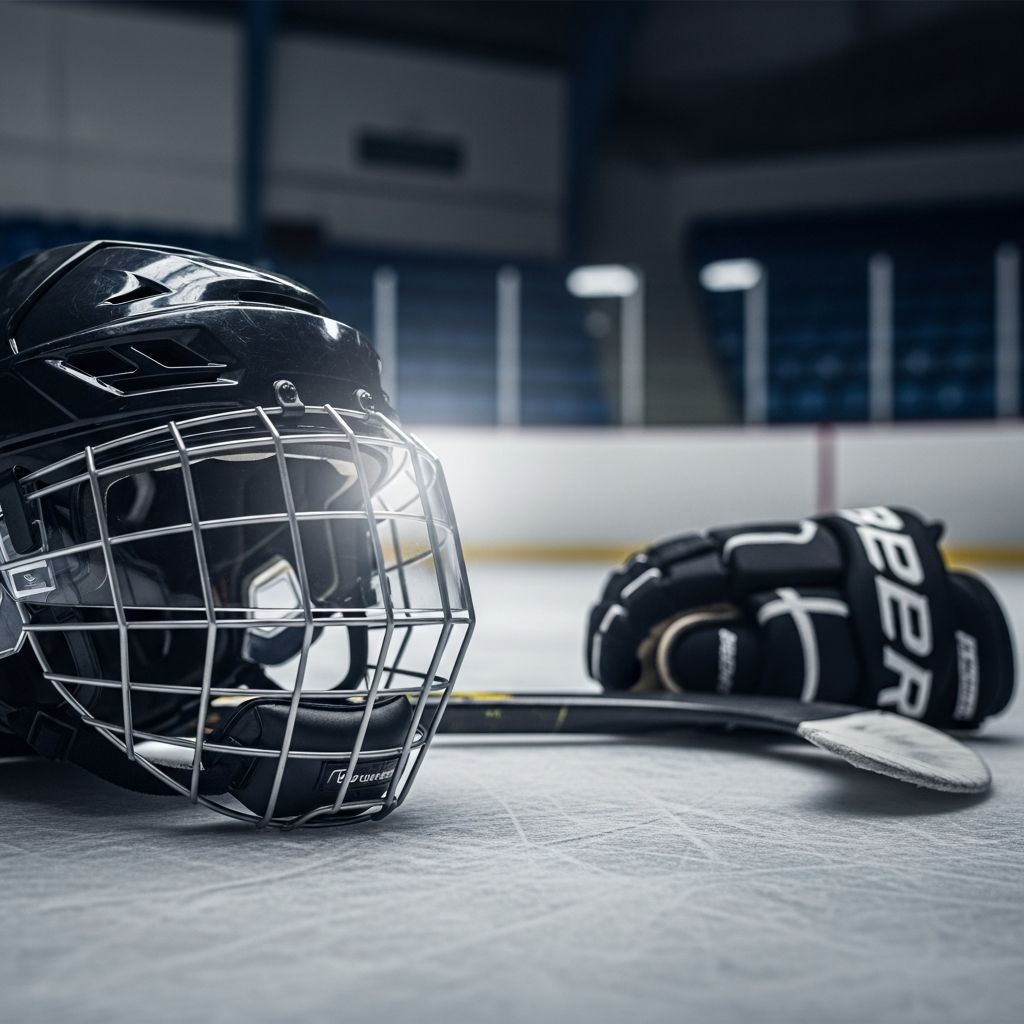
Hockey remains one of the most physically demanding winter sports, characterized by rapid player movement, frequent body contact, and equipment traveling at high velocities. Within this dynamic environment, the eyes and surrounding facial structures face considerable risk of traumatic injury. Players compete without the benefit of protective barriers around their faces during play, making ocular trauma a persistent concern across all competitive levels.
nn
The nature of hockey creates multiple pathways for eye-related injuries. Errant equipment, particularly pucks and sticks, regularly travel across the playing surface at speeds capable of inflicting severe damage. Additionally, interpersonal contact during competitive play introduces further risk factors that can compromise vision. Understanding these injury mechanisms forms the foundation for implementing effective preventative measures.
nn
Research demonstrates that eye injuries carry both immediate and long-term consequences for athletes. Beyond the obvious pain and temporary loss of playing time, significant ocular injuries can result in permanent vision loss or other complications affecting quality of life. The economic impact extends beyond individual players, affecting team performance, roster management, and overall league operations through player absences and medical expenses.
nn
Primary Mechanisms of Vision-Threatening Incidents
n
Statistical analysis of hockey injuries reveals consistent patterns regarding how players sustain eye trauma. The most prevalent injury mechanism involves direct contact from hockey pucks, accounting for approximately 37 percent of all documented eye injuries. These hard rubber projectiles, when deflected or shot across the ice surface, possess sufficient velocity to cause serious ocular damage even at moderate distances.
nn
High stick contact represents the second most frequent cause of eye injuries, responsible for roughly 28 percent of reported cases. During competitive play, stick contact occurs through both intentional and unintentional mechanisms. Players may accidentally swing their sticks at face level while pursuing the puck or engaging in play positioning. The elongated nature of hockey sticks creates an extended striking surface that can contact the eye region even when the player wielding the stick has no aggressive intent.
nn
While popular perception often associates hockey injuries with fighting, actual data reveals that altercations account for only 18 percent of eye injuries. This finding contradicts common assumptions about the sport and highlights that unintentional contact during regular gameplay represents a more significant threat than adversarial encounters.
nn
The Protective Capability of Modern Visor Technology
n
Substantial research evidence demonstrates that hockey visors provide meaningful protection against vision-threatening injuries. A comprehensive 10-year study involving data from the National Hockey League, professional broadcasting networks, and annual equipment surveys found remarkable protective effects associated with visor usage. Players who consistently wore protective visors experienced a 75 percent reduction in eye injury rates compared to their unprotected counterparts—a difference so substantial it represents approximately a 4-fold decrease in injury frequency.
nn
This protective benefit translates to concrete numbers. Among professional players, researchers documented approximately 149 eye injuries across the observation period for athletes declining visor protection, compared to significantly lower injury rates among visor wearers. The consistency of these findings across extended time periods and multiple data sources strengthens confidence in the protective mechanisms that visors provide.
nn
The mechanism of protection stems from the physical barrier that visors create between the player’s eyes and potential hazards. By intercepting or deflecting pucks and stick contact, visors absorb impact energy that would otherwise reach sensitive ocular tissues. Modern visor materials have been engineered to withstand the specific impact characteristics common in hockey while maintaining optical clarity for gameplay.
nn
Comparing Visor Designs: Partial Versus Complete Protection
n
Hockey face protection exists along a spectrum, ranging from partial visors that cover only the upper face to full face shields that protect the entire face and chin. These different designs offer varying levels of protection against different injury types.
nn
Partial visors, also known as half shields, extend across the eye region and upper face but leave the lower face, mouth, and chin exposed. This design provides targeted protection for the most vulnerable and sensitive areas while maintaining enhanced visual field and ventilation for players. However, the exposed lower face region remains vulnerable to injury mechanisms affecting teeth, lips, and jaw structures.
nn
Full face shields extend protective coverage across the entire face, including the chin and lower jaw region. Research comparing these protection levels reveals significant differences in injury outcomes. Athletes wearing full face shields sustained dental injuries at substantially lower rates than those wearing partial visors—a difference of approximately 9.90 times lower injury risk. The comprehensive coverage provided by full shields protects not only the eyes but also teeth and supporting facial structures.
nn
Eye injuries specifically showed a dramatic difference between protection types. In the research sample, players wearing partial visors sustained one documented eye injury, while athletes using full face shields sustained zero eye injuries during the equivalent study period. This finding underscores the protective advantage of comprehensive facial coverage.
nn
Current League Requirements and Evolving Standards
n
Professional and amateur hockey organizations have increasingly recognized the protective benefits of mandatory visor policies. The American Hockey League implemented visor requirements for all players beginning in 2006, establishing one of the earliest comprehensive protection mandates in professional hockey.
nn
The National Hockey League, despite acknowledging research evidence supporting visor benefits, initially maintained an optional stance on facial protection for established players. However, the organization shifted its approach in 2013, implementing a mandatory visor requirement specifically for players entering the league with fewer than 26 games of professional experience. This phase-in approach recognized veteran players’ preference for optional protection while ensuring incoming players adopted protective equipment from the beginning of their careers.
nn
Data from recent NHL seasons demonstrates the effectiveness of these mandate policies. As of 2024, only a small fraction of professional skaters compete without visors—approximately 19 of 672 skaters who appeared in games lacked facial protection. This widespread adoption reflects both regulatory requirements and players’ recognition of protective benefits.
nn
Factors Influencing Player Adoption of Protective Equipment
n
Despite compelling evidence regarding injury reduction, not all players immediately adopted visor protection even when research became available. Understanding the factors influencing adoption decisions provides insight into the practical challenges of injury prevention in sports.
nn
Player concerns regarding visual acuity and field of vision represent a primary barrier to universal adoption. Some athletes report that visors create a psychological sense of obstruction or narrowing of visual field, despite research indicating that visors do not significantly impair visual acuity, contrast sensitivity, or color vision. Some studies suggest that visors may reduce far-peripheral vision beyond 60 degrees, potentially creating a minor disadvantage for certain gameplay aspects.
nn
Style of play differences between protected and unprotected players indicate behavioral factors influencing both visor adoption and injury rates. Data analysis reveals that players choosing not to wear protective visors tend to accumulate more penalty minutes and engage in more frequent fighting interactions compared to protected players. This suggests that protective equipment adoption correlates with playing style, with more aggressive players showing lower adoption rates.
nn
Practical considerations including equipment maintenance and visibility maintenance influence ongoing visor usage. Visors susceptible to scratching lose optical clarity during use, potentially degrading the visual advantages that players initially hoped to gain. Additionally, some players position visors higher on their helmets to improve unobstructed vision, inadvertently reducing protective coverage for the most vulnerable facial regions.
nn
Injury Prevention Extends Beyond Eye Protection
n
While comprehensive facial protection proves highly effective for preventing eye and facial injuries, research suggests that protection requirements may influence injury patterns in other anatomic regions. Some evidence indicates that athletes using full face protection might experience altered injury patterns affecting the neck, brain, or spinal cord regions, potentially due to biomechanical changes or modifications to playing style.
nn
Regarding concussions specifically, research has not identified significant differences in concussion frequency between players wearing different levels of facial protection. However, time lost from participation following concussive injuries may differ based on protection type and potentially related factors.
nn
This reality emphasizes that while facial and eye protection represents an essential component of hockey safety, comprehensive injury prevention requires attention to multiple protective systems. Helmet construction, neck protection, spinal protection, and concussion management all contribute to overall player safety alongside facial protection devices.
nn
Financial and Organizational Impact of Eye Injury Prevention
n
Beyond the personal health implications for individual athletes, eye injuries carry substantial financial consequences for professional organizations. The National Hockey League has experienced estimated financial losses exceeding $32 million directly attributable to player eye injuries and the resulting absences from competition. These figures encompass salary continuations, roster replacements, performance impacts, and medical treatment costs.
nn
From an organizational perspective, reducing eye injuries through preventative equipment improves operational efficiency and roster stability. Players maintaining continuous participation availability rather than recovering from eye injuries contribute more consistently to team performance throughout seasons. This economic reality has motivated league-level policies supporting mandatory protection requirements.
nn
Application Across Age Groups and Competition Levels
n
While much research focuses on professional hockey, the importance of eye protection extends throughout all competition levels, including high school and youth hockey programs. Young athletes face identical mechanisms of injury as professional players despite differences in play intensity or player experience.
nn
Younger athletes may benefit particularly from protective equipment given the biological immaturity of developing facial and skeletal structures. Research conducted on field hockey—a sport with similar facial injury risks—documented that mandatory protective eyewear reduced eye and orbital injuries by 67 percent for severe injuries requiring time away from participation. This evidence from related sports supports the applicability of protective equipment benefits across different age groups.
nn
Practical Recommendations for Players and Parents
n
Given the research evidence supporting protective equipment effectiveness, several practical considerations emerge for players considering protection adoption:
nn
- n
- Verify that protective visors or face shields meet current equipment standards established by hockey governing bodies
- Ensure that protective equipment is properly installed on approved helmets and securely fastened during all play
- Select full face shields over partial visors when possible to maximize facial injury protection
- Maintain protective equipment in clear condition, replacing scratched or damaged visors that impair visibility
- Position visors at the appropriate height on helmets to maintain eye coverage while enabling adequate vision
- Replace protective equipment regularly as aging materials may lose protective characteristics
- Recognize that protective equipment does not guarantee absolute injury prevention and should be combined with proper technique and rule compliance
n
n
n
n
n
n
n
nn
Looking Forward: Evolution of Hockey Eye Protection
n
As sports equipment technology continues advancing, hockey protective devices may incorporate new materials and designs offering improved optical properties combined with enhanced impact absorption. Current research examines various protective configurations to balance the competing demands of player safety and on-ice visibility.
nn
The progression from optional to mandatory facial protection in professional hockey demonstrates how evidence-based research can drive policy changes protecting athlete health. Continued research monitoring injury patterns, technological advances in equipment design, and player feedback will likely inform ongoing evolution of protective standards across all competition levels.
nn
For athletes, parents, coaches, and organization administrators, the evidence clearly supports prioritizing eye protection as an essential component of safe hockey participation. The 75 percent injury reduction documented in research provides compelling justification for equipment adoption despite minor inconveniences or perceived limitations.
nn
References
n
- n
- Enjoy Hockey While Keeping Your Eyes Safe with Visors — NewView Laser Eye Center. Accessed February 2026. https://www.newviewlasereye.com/enjoy-hockey-keeping-eyes-safe-visors/
- Head and Neck Injuries Among Ice Hockey Players Wearing Full Face Shields vs Half Face Shields — JAMA Network. https://jamanetwork.com/journals/jama/fullarticle/192230
- Factors Influencing Visor Use Among Players in the National Hockey League — National Center for Biotechnology Information. https://pmc.ncbi.nlm.nih.gov/articles/PMC3979784/
- The Pros and Cons of Hockey Face Protection — Pure Hockey. Accessed February 2026. https://www.purehockey.com/c/pros-and-cons-of-hockey-face-protection
- Eye Protection and Risk of Eye Injuries in High School Field Hockey — American Academy of Pediatrics. https://publications.aap.org/pediatrics/article/136/3/521/61247/Eye-Protection-and-Risk-of-Eye-Injuries-in-High
n
n
n
n
n
n
n
nnn
Similar Articles








Read full bio of Sneha Tete