Hodgkin Lymphoma Symptoms: 9 Signs To Watch For
Recognizing the early signs of Hodgkin lymphoma: swollen lymph nodes, B symptoms, and when to seek medical help for timely diagnosis.
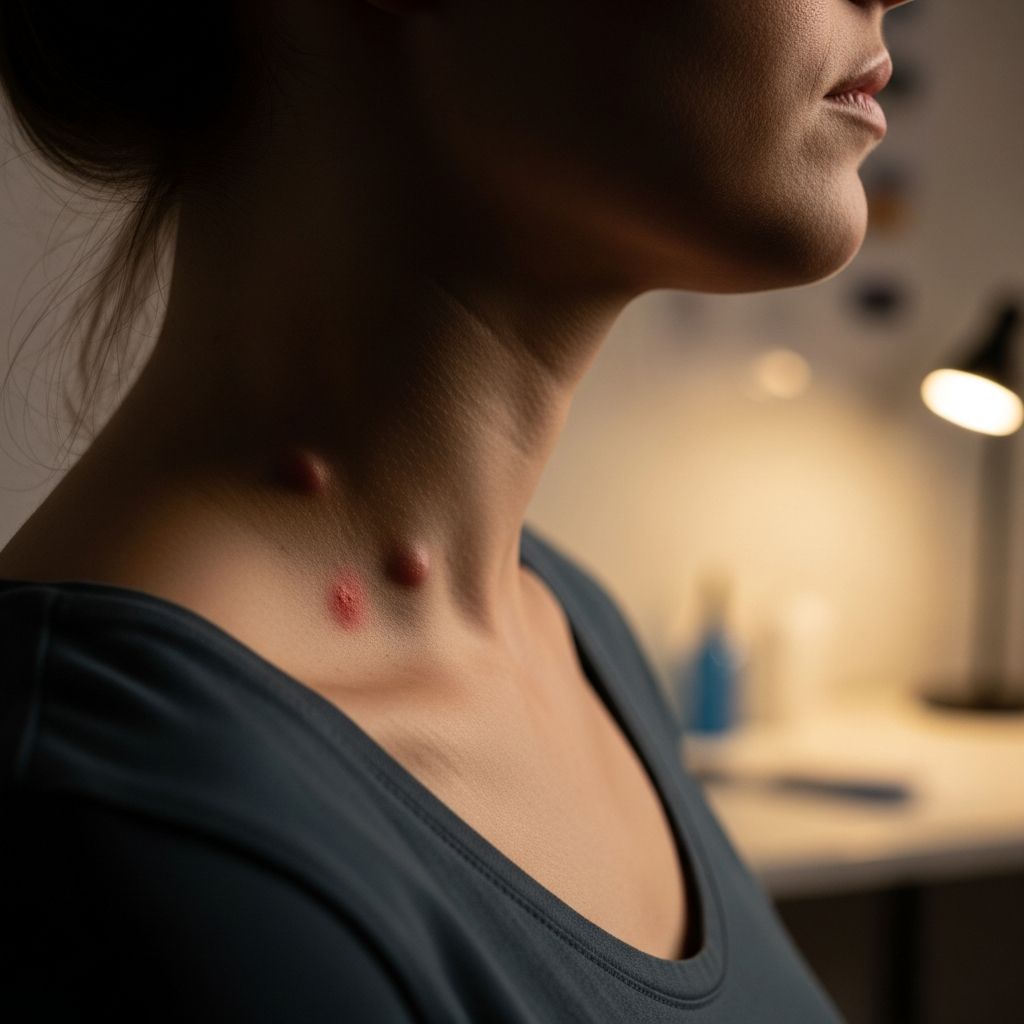
Hodgkin lymphoma is a rare cancer of the lymphatic system characterized by the presence of Reed-Sternberg cells in lymph nodes. Early symptoms often include painless swelling of lymph nodes in the neck, armpits, or groin, along with systemic signs known as B symptoms: fever, drenching night sweats, and unexplained weight loss.
What Is Hodgkin Lymphoma?
The lymphatic system, part of the body’s immune defense, comprises lymph nodes, spleen, thymus, bone marrow, and vessels that transport lymph fluid. Hodgkin lymphoma originates in B lymphocytes, white blood cells that fight infection, when they undergo genetic changes causing uncontrolled growth and accumulation in lymph nodes and other tissues.
This cancer typically presents in young adults aged 15-40 or older adults over 55, with a higher incidence in males. It is distinguished by large, multinucleated Reed-Sternberg cells amid a backdrop of reactive inflammatory cells, including T lymphocytes.
Unlike more common non-Hodgkin lymphomas, Hodgkin lymphoma has a high cure rate of about 80-90% with modern treatments, especially when detected early.
Types of Hodgkin Lymphoma
Hodgkin lymphoma is classified into two main categories: classic Hodgkin lymphoma (cHL), comprising 95% of cases, and nodular lymphocyte-predominant Hodgkin lymphoma (NLPHL), which is rarer.
Classic Hodgkin Lymphoma Subtypes
- Nodular Sclerosing Hodgkin Lymphoma: The most common subtype (70% of cases), often affecting young adults with mediastinal and cervical lymph node involvement. Features fibrous bands and lacunar cells.
- Mixed Cellularity Hodgkin Lymphoma: Accounts for 20-25% of cases, more common in older adults and those with HIV. Shows classical Reed-Sternberg cells in an inflammatory background without sclerosis.
- Lymphocyte-Rich Classical Hodgkin Lymphoma: Rare, presents with localized peripheral lymphadenopathy and predominantly lymphocytic infiltrate.
- Lymphocyte-Depleted Hodgkin Lymphoma: Least common (<1%), aggressive, often with extranodal involvement and associated with immunosuppression.
Nodular Lymphocyte-Predominant Hodgkin Lymphoma (NLPHL)
This subtype involves ‘popcorn cells’ rather than Reed-Sternberg cells, typically diagnosed early in peripheral nodes, sparing the mediastinum. It has an indolent course with late relapses and may require less aggressive treatment.
Hodgkin Lymphoma Symptoms
Symptoms often start with painless lymphadenopathy, particularly supra-diaphragmatic in the neck (most common), armpits, or groin. Nodes feel rubbery and firm, persisting beyond typical infections.
B Symptoms (present in 30-40% of cases, more in advanced stages) include:
- Unexplained fever >38°C (100.4°F)
- Drenching night sweats soaking clothing/bedding
- Unintentional weight loss >10% in 6 months
Other symptoms:
- Itchy skin (pruritus): Generalized, worsens after alcohol or bathing; affects 10-20%.
- Fatigue: Profound tiredness unresponsive to rest.
- Alcohol-induced pain: Rare paraneoplastic pain in lymph nodes after drinking.
- Mediastinal mass effects: Cough, shortness of breath, chest pain from enlarged nodes pressing on airways.
- Extranodal symptoms: Rare, but may include abdominal pain (spleen), bone pain (marrow involvement).
Related Stories



Symptoms vary by stage and subtype; early stages may be asymptomatic beyond swelling.
Risk Factors for Hodgkin Lymphoma
While the exact cause is unknown, risk factors include:
- Epstein-Barr Virus (EBV): Linked to 40-50% of cases, especially mixed cellularity subtype.
- Age: Bimodal peaks at 20-30 and >55 years.
- Male sex: Slightly higher incidence.
- Family history: Increased risk if sibling affected.
- Immunosuppression: HIV, organ transplants, autoimmune diseases like rheumatoid arthritis or lupus.
- Previous infections/autoimmunity: Weakened immunity raises risk.
Diagnosis of Hodgkin Lymphoma
Diagnosis requires excisional lymph node biopsy confirming Reed-Sternberg cells via histopathology, immunohistochemistry, and sometimes EBV testing.
Staging uses Ann Arbor system with Cotswolds modifications:
| Stage | Description |
|---|---|
| I | Single lymph node region or lymphoid structure |
| II | ≥2 node regions same side of diaphragm |
| III | Both sides of diaphragm (± spleen) |
| IV | Disseminated extranodal involvement |
Modifiers: A (no B symptoms), B (B symptoms present), E (extranodal extension), X (bulky disease >10cm).
Workup includes PET-CT (gold standard for staging/response), blood tests (CBC, LDH, ESR), bone marrow biopsy (if stage III/IV or B symptoms).
Treatment and Prognosis
Treatment is stage-dependent: early stages use combined chemotherapy (e.g., ABVD) and radiation; advanced stages chemotherapy ± immunotherapy (brentuximab vedotin).
Prognosis excels with 5-year survival >90% for early stages, 70-80% overall. Relapse risk higher in advanced disease; NLPHL often managed with rituximab or observation.
Complications: Infertility, secondary cancers (from therapy), hypothyroidism (neck radiation).
Frequently Asked Questions (FAQs)
What are the first signs of Hodgkin lymphoma?
The earliest sign is usually painless swelling of lymph nodes in the neck, armpits, or groin.
Who is most at risk for Hodgkin lymphoma?
Young adults 15-40, older adults >55, males, those with EBV exposure or family history.
Are night sweats a symptom of Hodgkin lymphoma?
Yes, drenching night sweats are a classic B symptom.
How is Hodgkin lymphoma different from non-Hodgkin lymphoma?
Hodgkin features Reed-Sternberg cells and better prognosis; non-Hodgkin lacks them and is more heterogeneous.
Is Hodgkin lymphoma curable?
Yes, with ~80-90% cure rate using chemotherapy, radiation, and targeted therapies.
When should I see a doctor for swollen lymph nodes?
If swelling persists >2 weeks, is painless/hard, or accompanies B symptoms.
References
- Hodgkin Lymphoma — MedlinePlus, U.S. National Library of Medicine. 2023. https://medlineplus.gov/hodgkinlymphoma.html
- Hodgkin lymphoma (Hodgkin disease) – Symptoms and causes — Mayo Clinic Staff. 2025-09-24. https://www.mayoclinic.org/diseases-conditions/hodgkins-lymphoma/symptoms-causes/syc-20352646
- Hodgkin Lymphoma — StatPearls, NCBI Bookshelf, NIH. 2023. https://www.ncbi.nlm.nih.gov/books/NBK499969/
- Hodgkin Lymphoma: Symptoms — ECU Health Library. Accessed 2023. https://healthlibrary.vidanthealth.com/RelatedItems/34,18221-1
- Hodgkin Lymphoma: Symptoms — OU Health Library. Accessed 2023. http://library.oumedicine.com/RelatedItems/34,18221-1
Similar Articles








Read full bio of medha deb