Holistic Health: Key Principles, Benefits, And Practices
Explore holistic health: A comprehensive approach integrating body, mind, spirit, and environment for optimal well-being.
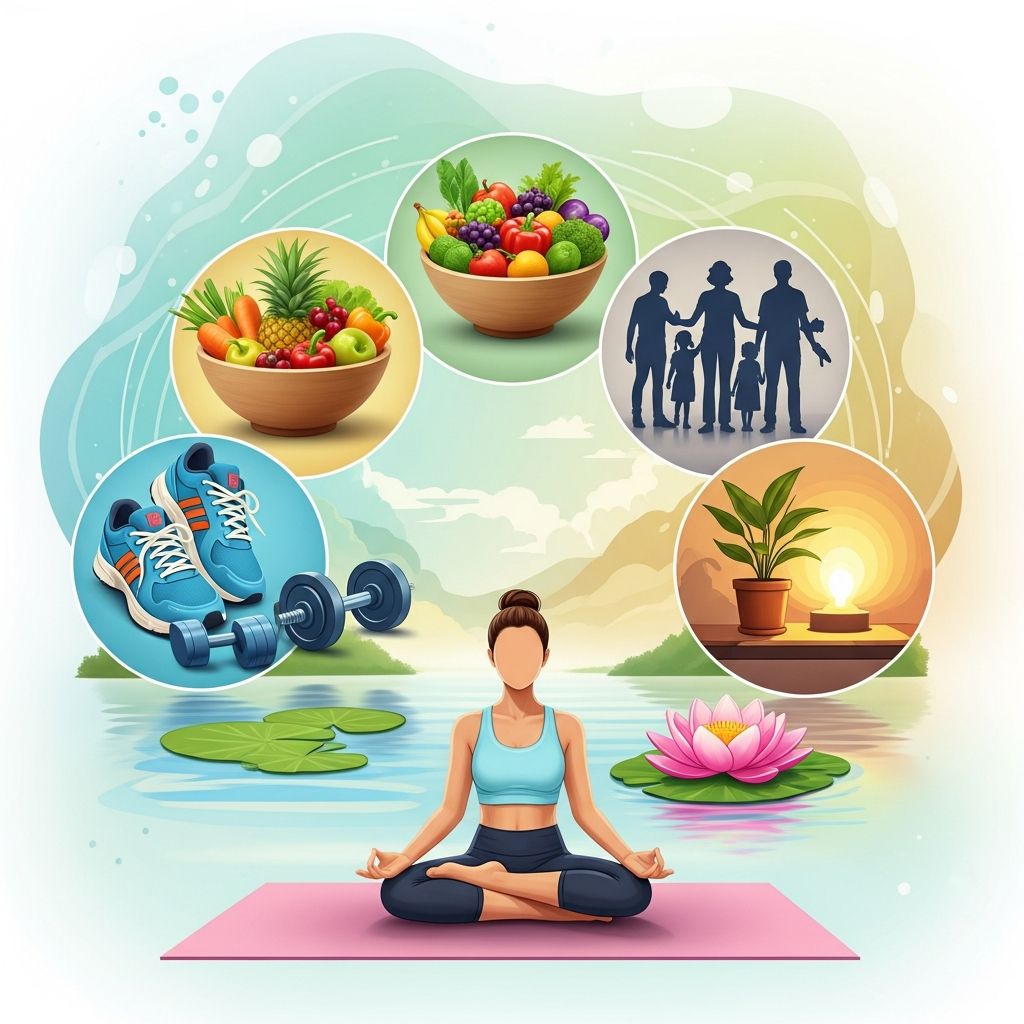
Holistic health is an approach to wellness that considers the whole person—body, mind, spirit, and environment—rather than focusing solely on specific symptoms or diseases. This integrative method emphasizes balance and prevention, drawing from traditional and complementary practices to foster optimal health.
What Does Holistic Health Mean?
Holistic health views individuals as interconnected systems where physical, mental, emotional, social, and spiritual aspects influence one another. Unlike conventional medicine, which often targets isolated issues, holistic health seeks root causes and promotes harmony across all life domains. The National Center for Complementary and Integrative Health (NCCIH) supports research on these whole-person approaches, highlighting their role in comprehensive care.
In practice, this means addressing lifestyle factors like diet, stress, relationships, and environment alongside medical treatments. For instance, Leger’s 2024 Health and Wellness Toolkit reveals that 81% prioritize physical health, 74% mental health, and 52% spiritual health, underscoring a societal shift toward holistic wellness.
Principles of Holistic Health
Holistic health is guided by core principles that promote prevention and self-responsibility:
- Whole-Person Focus: Treats the entire individual, integrating physical, emotional, mental, and spiritual elements.
- Prevention Over Cure: Emphasizes lifestyle changes to prevent illness rather than reacting to symptoms.
- Interconnectedness: Recognizes how one health aspect affects others, such as gut health influencing mental well-being.
- Individual Empowerment: Encourages personal agency through education and self-care practices.
- Natural Healing: Prioritizes the body’s innate ability to heal with support from nutrition, movement, and therapies.
These principles align with NCCIH’s research on mind-body interventions and whole-person health indices, which measure integrated well-being components.
Holistic vs. Conventional Medicine
| Aspect | Holistic Medicine | Conventional Medicine |
|---|---|---|
| Approach | Whole-person, root-cause focused | Symptom-specific, disease-targeted |
| Treatments | Natural therapies, lifestyle changes | Pharmaceuticals, surgery |
| Goal | Balance and prevention | Cure or symptom management |
| Provider Role | Partner in healing | Primary healer |
While conventional medicine excels in acute care, holistic approaches complement it by enhancing long-term wellness. NCCIH studies show integrative practices improve outcomes when combined with standard treatments.
Benefits of Holistic Health
Adopting holistic health yields multifaceted benefits supported by recent research:
- Improved Mental Health: Practices like mindfulness reduce anxiety; 74% in Leger’s survey prioritize mental well-being.
- Enhanced Physical Vitality: Nutrition and exercise boost energy and immunity.
- Better Stress Management: 58% use holistic services like aromatherapy for stress relief.
- Chronic Disease Prevention: Gut health focus, prioritized by 62%, links to overall wellness.
- Increased Life Satisfaction: Spiritual and social health foster purpose and connections.
NCCIH research on complementary approaches for conditions like multiple sclerosis demonstrates reduced pain and improved quality of life.
Common Holistic Health Practices
Holistic health incorporates diverse, evidence-informed practices:
Nutrition and Gut Health
Gut health is a frontier, with 62% prioritizing it despite knowledge gaps. Strategies include prebiotics, probiotics, and fiber-rich diets to support the microbiome’s role in immunity and mood.
Mindfulness and Meditation
These reduce stress and enhance emotional balance. NCCIH funds mind-body research showing benefits for pain and mental health.
Yoga and Tai Chi
Combining movement and breathwork, these improve flexibility, sleep, and heart health. 73% value sleep improvement via exercise.
Related Stories



Acupuncture and Massage
Popular for pain relief and relaxation; 56% seek physical benefits from such services. NCCIH studies validate acupuncture for chronic pain.
Herbal Medicine and Aromatherapy
Natural remedies like chamomile for sleep or lavender for calm complement conventional care.
Sleep Optimization
Only 54% report good sleep, but routines like screen reduction help.
Holistic Health for Specific Conditions
Mental Health: Meditation and yoga alleviate depression; holistic services target anxiety.
Chronic Pain: NCCIH surveys show veterans using natural products effectively.
Weight Management: 79% aim to lose weight via apps, mindfulness, and diet.
Sleep Disorders: Consistent schedules and exercise improve quality.
Integrating Holistic Health into Daily Life
Start small: assess your holistic needs, incorporate one practice weekly, track progress with journals or wearables. Consult practitioners for personalized plans. Sustainability matters—choose eco-friendly products aligning with wellness values.
Challenges and Considerations
Barriers include cost, access, and skepticism. Evidence varies; always integrate with evidence-based medicine. NCCIH emphasizes research to validate practices.
Careers in Holistic Health
Opportunities abound in nutrition, yoga instruction, acupuncture, and integrative coaching. Demand grows with wellness trends.
Frequently Asked Questions (FAQs)
What is the difference between holistic health and alternative medicine?
Holistic health is a philosophy emphasizing whole-person care, while alternative medicine refers to therapies used instead of conventional ones. Holistic often integrates both.
Is holistic health scientifically proven?
Many practices like acupuncture have NCCIH-backed evidence, though research continues for others.
Can holistic health replace my doctor?
No, it complements conventional care for best results.
How do I start a holistic lifestyle?
Begin with nutrition, movement, and stress reduction; consult professionals.
What role does gut health play in holistic wellness?
It’s foundational, impacting immunity, mood, and energy; 62% prioritize it.
References
- Wellness revolution: Holistic health in 2024 — Quirks Media/Leger. 2024. https://www.quirks.com/articles/wellness-revolution-holistic-health-in-2024
- National Center for Complementary and Integrative Health (NCCIH) — U.S. Department of Health and Human Services. 2025-2026. https://www.nccih.nih.gov
- What Is Holistic Health? Overview and Career Outcomes — St. Catherine University. 2022-05-20. https://www.stkate.edu/healthcare-degrees/what-is-holistic-health
Similar Articles








Read full bio of Sneha Tete