Holistic Health: 5 Essential Principles For Balanced Wellness
Explore holistic health: A comprehensive approach integrating body, mind, spirit, and environment for optimal well-being and preventive care.
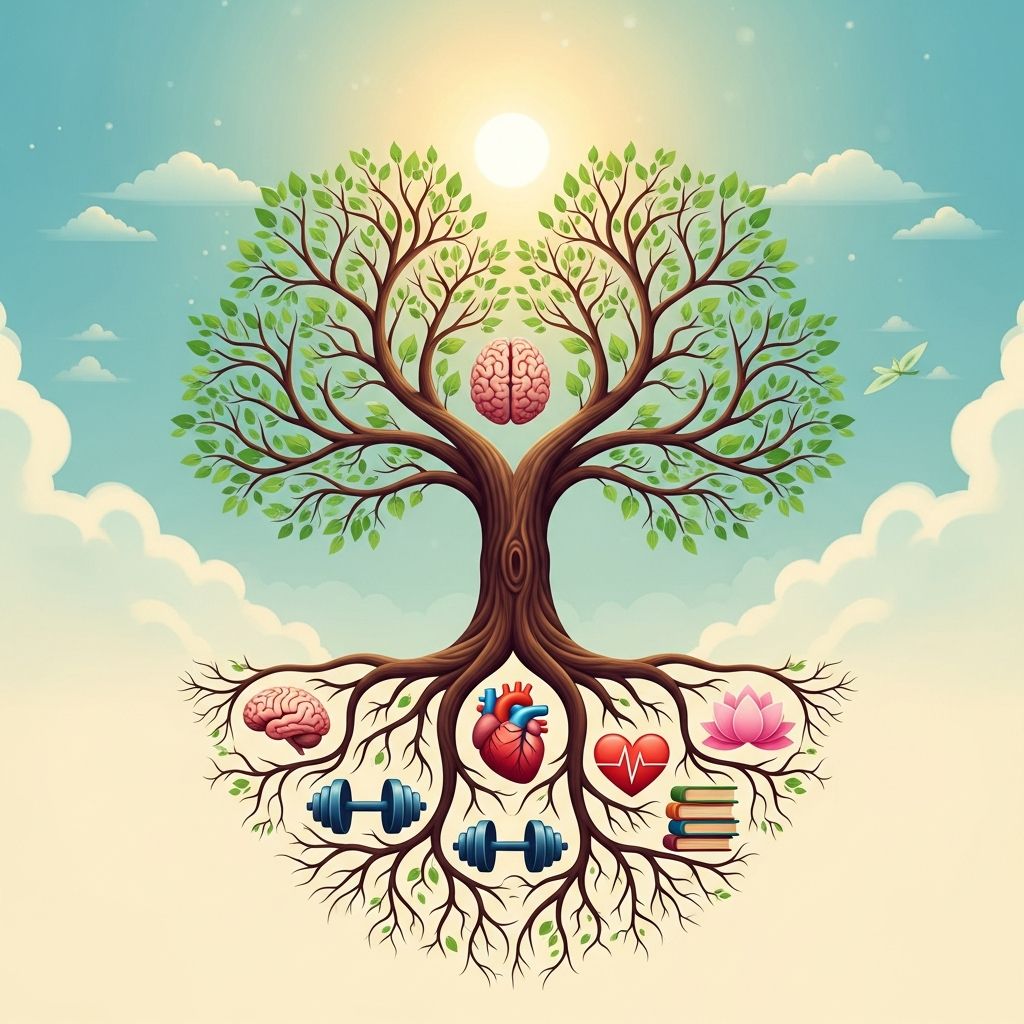
Holistic health is a comprehensive approach to wellness that considers the whole person, integrating physical, mental, emotional, spiritual, and social dimensions to achieve optimal balance and prevent illness. Unlike conventional medicine, which often focuses on isolated symptoms, holistic health emphasizes the interconnectedness of all life aspects, promoting self-healing through natural methods and lifestyle changes.
What Does Holistic Health Mean?
The term “holistic” derives from the Greek word “holos,” meaning “whole.” It views health as harmony among body, mind, emotions, spirit, and environment, rather than merely the absence of disease. Practitioners believe symptoms arise from imbalances in these areas, so treatment addresses root causes through personalized strategies like nutrition, exercise, stress management, and therapies such as acupuncture or yoga.
In practice, holistic health empowers individuals to take responsibility for their well-being by fostering awareness of lifestyle impacts on health. For instance, Leger’s 2024 Health and Wellness Toolkit reveals 81% prioritize physical health, 74% mental health, 71% emotional health, 52% spiritual health, and 46% social health, reflecting this integrated mindset.
Holistic Vs. Conventional Medicine
| Aspect | Holistic Medicine | Conventional Medicine |
|---|---|---|
| Focus | Whole person (body, mind, spirit, environment) | Symptoms and diseases |
| Approach | Preventive, root-cause oriented, natural therapies | Reactive, symptom relief, pharmaceuticals/surgery |
| Practitioner Role | Partner/guide in self-healing | Primary healer/expert |
| Treatment Examples | Nutrition, yoga, meditation, herbs | Medications, procedures |
Holistic medicine complements conventional care, often used alongside it in integrative settings. While conventional medicine excels in acute issues like infections or injuries, holistic approaches shine in chronic conditions, stress-related disorders, and prevention. NCCIH research supports complementary practices for whole-person health, including mind-body interventions.
5 Principles of Holistic Health
- Whole-Person Focus: Health requires balance across physical, mental, emotional, spiritual, and social realms. Imbalances in one area affect others.
- Prevention First: Emphasizes proactive lifestyle changes to avert illness, such as balanced diet and regular movement, rather than waiting for disease onset.
- Innate Healing Power: The body possesses natural self-repair abilities; holistic practices support this through rest, nutrition, and stress reduction.
- Personal Responsibility: Individuals actively participate in health via informed choices on diet, exercise, and mindset.
- Optimal Conditions: Creates environments fostering wellness, including clean air, supportive relationships, and nature exposure.
These principles guide daily practices, aligning with trends like the 73% of people prioritizing sleep health despite only 54% rating it good.
Examples of Holistic Health Practices
Holistic practices draw from diverse traditions, tailored to individual needs:
- Nutrition: Whole-food diets rich in plants, emphasizing gut health—prioritized by 62% amid knowledge gaps (only 42% feel informed). Includes prebiotics, probiotics.
- Physical Activity: Yoga, tai chi, walking to enhance strength, flexibility, and mind-body connection.
- Mindfulness/Meditation: Reduces anxiety; 58% use holistic services for stress relief.
- Herbal Medicine: Evidence-based herbs like turmeric for inflammation, supported by NCCIH studies.
- Acupuncture: Balances energy (qi); popular for pain, with NCCIH funding research.
- Massage Therapy: Eases muscle tension, improves circulation; 56% seek for physical health.
- Aromatherapy/Sound Therapy: Essential oils and sound baths for emotional balance.
Related Stories



Integrative use, like combining yoga with nutrition, amplifies benefits for comprehensive wellness.
Holistic Approaches to Wellness
Gut Health: The New Frontier
Over one-third report gut issues yearly; strategies include diet, exercise, supplements. Gut microbiome influences mental health via the gut-brain axis.
Sleep Health Priority
73% deem sleep vital, using consistent schedules and screen limits. Quality sleep underpins holistic balance.
Holistic Services Surge
Aromatherapy, acupuncture popular for stress (58%) and physical health (56%), blending ancient wisdom with modern needs.
Weight Management Innovation
79% aim to lose weight via apps, mindfulness, diet; sustainability key amid challenges like food costs.
Benefits of Holistic Health
- Chronic Condition Management: Reduces reliance on meds for pain, anxiety via yoga, meditation.
- Stress Reduction: Lowers cortisol through mindfulness, nature.
- Immune Boost: Nutrition, sleep enhance resilience.
- Energy Increase: Balanced lifestyle combats fatigue.
- Improved Mood: Addresses emotional roots of depression.
- Preventive Edge: Early intervention averts crises.
NCCIH’s Whole Person Health Index measures these integrated outcomes.
Careers in Holistic Health
Growing demand yields careers like:
- Holistic Nutritionist: Designs food plans.
- Acupuncturist: Energy balancing.
- Yoga Instructor: Mind-body classes.
- Herbalist: Plant remedies.
- Holistic Nurse: Integrative care.
- Massage Therapist: Bodywork.
Fields expand in wellness centers, spas, clinics; education via certifications/degrees.
How to Practice Holistic Health at Home
- Unplug Daily: 30-min screen-free time.
- Move Joyfully: Dancing, gardening.
- Journal: Track patterns.
- Connect: Social support vital (46% priority).
- Nature Time: Grounding walks.
- Mindful Eating: Savor meals.
Start small for sustainable change.
Frequently Asked Questions (FAQs)
What is holistic health?
A wellness model treating the whole person—body, mind, spirit—via natural, preventive methods.
How does holistic health differ from traditional medicine?
Holistic is preventive/whole-person; traditional is symptom-focused/reactive.
What are holistic health examples?
Yoga, acupuncture, nutrition, meditation.
Are holistic health benefits backed by science?
Yes, NCCIH researches mind-body, natural products efficacy.
Can holistic health treat serious diseases?
Complements conventional care; consult professionals.
How to start holistic health?
Assess lifestyle, incorporate nutrition, movement, mindfulness gradually.
References
- Wellness revolution: Holistic health in 2024 — Quirks Media (Leger). 2024. https://www.quirks.com/articles/wellness-revolution-holistic-health-in-2024
- What Is Holistic Health? Overview and Career Outcomes — St. Catherine University. 2022-05-20. https://www.stkate.edu/healthcare-degrees/what-is-holistic-health
- National Center for Complementary and Integrative Health — NCCIH/NIH (.gov). 2025-09-18. https://www.nccih.nih.gov
Similar Articles








Read full bio of medha deb