Hollenhorst Plaque: Diagnosis and Management Strategies
Understanding cholesterol emboli in the retina and treatment approaches for optimal eye health.
Understanding Cholesterol Deposits in the Retina
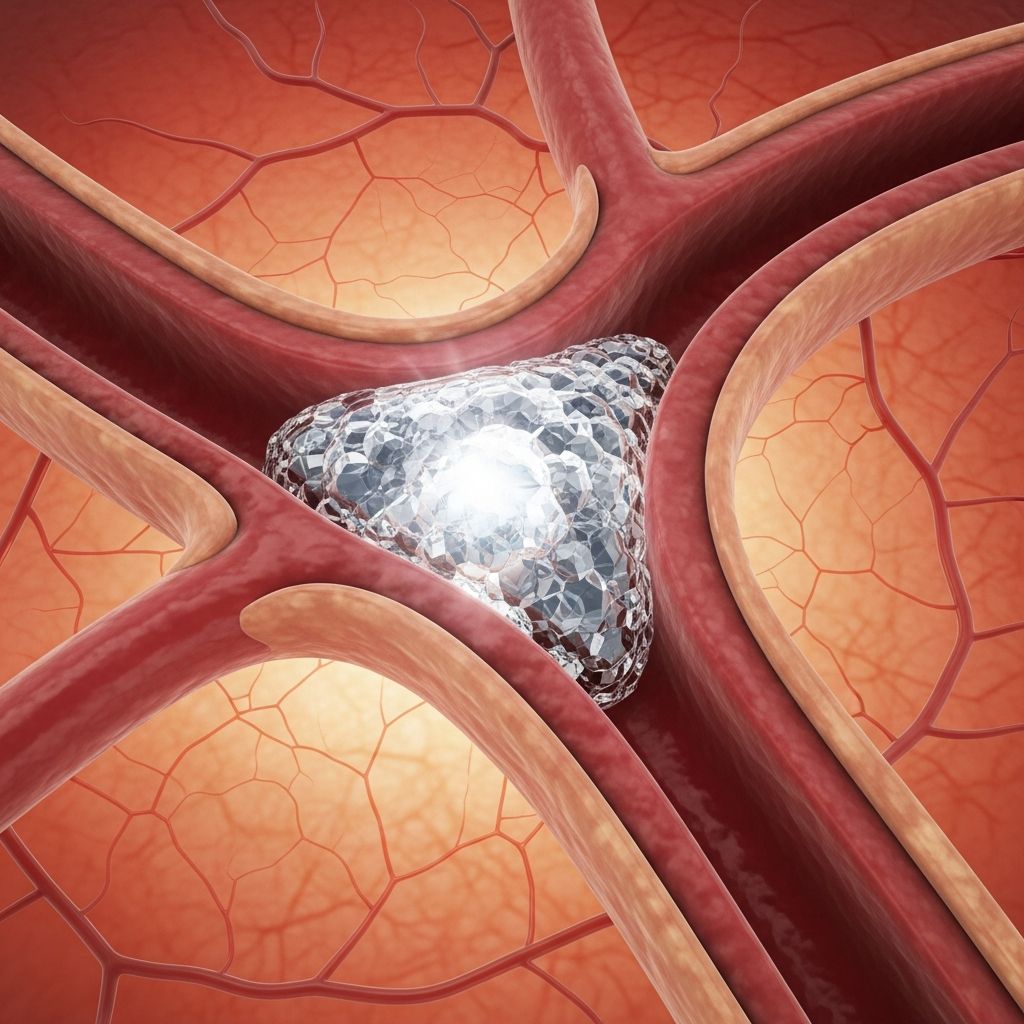
A Hollenhorst plaque represents a specific type of cholesterol deposit that becomes lodged within the blood vessels supplying the retina. Named after Dr. Robert Hollenhorst who first described this condition in 1961, these deposits appear as small, bright, crystalline structures within the eye’s blood vessels. The condition represents a significant intersection between eye health and cardiovascular wellness, as the presence of these plaques often signals underlying systemic circulatory problems that extend far beyond the eye itself.
The retina, a delicate light-sensitive tissue lining the back of the eye, depends on a continuous supply of oxygen-rich blood to maintain proper function. When a cholesterol deposit becomes stuck in one of the retinal arteries, it can disrupt this blood flow, potentially compromising vision. Understanding what these plaques are, how they form, and what management strategies exist is essential for both patients and healthcare providers seeking to protect long-term eye health.
Formation and Source of Retinal Cholesterol Deposits
Hollenhorst plaques originate from atherosclerotic buildup elsewhere in the circulatory system, typically in larger arteries such as the carotid artery or the aorta. The condition develops when a fragment of this atherosclerotic material breaks free and travels through the bloodstream as an embolus, eventually becoming lodged in the smaller vessels of the eye. Most commonly, these deposits originate from the carotid artery on the same side of the body as the affected eye, though they can occasionally come from other sources.
The journey of a cholesterol embolus through the circulatory system demonstrates how localized vascular disease can have consequences far from its source. As blood carries this fragment through progressively smaller vessels, it eventually reaches the retinal arteries. These tiny blood vessels contain natural branching points called bifurcations, where vessels split into smaller branches. Due to their geometry, these bifurcation points create ideal locations for emboli to become trapped, which is why Hollenhorst plaques are characteristically found at these anatomical junctions.
Identifying Plaques Through Clinical Examination
Hollenhorst plaques possess distinctive visual characteristics that allow trained eye care professionals to identify them during routine examination. The deposits appear as yellow, shiny crystalline structures within the retinal blood vessels. Their reflective quality, which causes them to shine brightly when illuminated during ophthalmoscopic examination, makes them relatively easy to spot for an experienced ophthalmologist.
Most patients discover they have these plaques unexpectedly during a comprehensive eye examination performed for other reasons. Because many individuals experience no symptoms, the plaques might be found incidentally while the eye care provider is performing standard vision screening or investigating unrelated eye concerns. This underscores the importance of regular, thorough eye examinations as part of preventive health care, particularly for individuals with cardiovascular risk factors.
The appearance and location of the plaque provide valuable clinical information. When an eye care provider documents the findings, they note characteristics such as the exact location within the retinal vessels, the size of the deposit, and whether it appears stable or mobile. Some plaques may shift position or disappear entirely on subsequent examinations, suggesting they have either dislodged and traveled further downstream or dissolved naturally.
Related Stories



Clinical Presentation and Symptom Patterns
The symptom profile of Hollenhorst plaques varies considerably among affected individuals. Many people harbor these deposits without experiencing any noticeable vision problems whatsoever. The plaques may remain stable, partially obstruct blood flow without completely blocking it, or even dissolve and disappear without ever causing damage. In these asymptomatic cases, the plaque serves primarily as a marker of systemic cardiovascular disease rather than as a direct cause of eye dysfunction.
When symptoms do occur, they typically develop suddenly and without warning. Patients may experience abrupt vision loss in the affected eye, which might range from a subtle blurring to complete blindness in that eye. The character of vision loss often correlates with the plaque’s location and the degree to which it obstructs blood flow. Some patients describe seeing a gray or dark area in their visual field, while others report that their entire vision in one eye suddenly becomes obscured.
An important clinical phenomenon associated with Hollenhorst plaques is amaurosis fugax, which describes temporary vision loss that resolves spontaneously. A patient might experience complete blindness lasting seconds to minutes, followed by full recovery of vision. This transient symptom can indicate that blood flow has been temporarily interrupted but is subsequently restored. Such episodes, while frightening, often resolve without permanent damage, though they represent a significant warning sign that warrants urgent medical evaluation.
One crucial clinical observation is that Hollenhorst plaques characteristically do not produce eye pain. If a patient with a known plaque experiences eye pain along with vision changes, this suggests a different underlying condition or complication requiring alternative management.
Diagnostic Workup and Testing Protocols
When a Hollenhorst plaque is identified, particularly if accompanied by vision symptoms, a comprehensive diagnostic evaluation becomes necessary. This workup extends beyond the eye itself and encompasses assessment of the entire cardiovascular system, as the plaque represents visible evidence of systemic atherosclerosis.
The diagnostic approach typically includes:
- Carotid ultrasound imaging: This non-invasive test uses sound waves to visualize the carotid arteries in the neck and assess the degree of narrowing or plaque buildup. Given that carotid artery disease is the most common source of Hollenhorst plaques, carotid imaging should be a standard component of evaluation.
- Blood pressure monitoring: Establishing baseline blood pressure and identifying any hypertension that may have contributed to atherosclerosis development helps guide treatment decisions.
- Lipid panel analysis: Blood tests measuring cholesterol and triglyceride levels provide information about metabolic factors contributing to plaque formation.
- Cardiac assessment: Depending on clinical presentation and risk factors, further cardiac evaluation may be warranted to detect coronary artery disease or other cardiac conditions associated with systemic atherosclerosis.
- Kidney function evaluation: While Hollenhorst plaques have shown possible association with kidney disease, routine kidney function testing is not standard for asymptomatic patients. However, screening for symptoms of kidney dysfunction such as uncontrolled hypertension or unexplained weight changes should occur.
Management Strategies for Asymptomatic Plaques
For patients discovered to have Hollenhorst plaques without symptoms, management focuses primarily on addressing underlying cardiovascular disease and reducing the risk of future embolic events. Since the plaque itself is visible evidence of atherosclerosis, the treatment strategy targets the root cause rather than the ocular finding.
Risk factor modification represents the cornerstone of management for asymptomatic cases. This includes achieving and maintaining healthy blood pressure levels through lifestyle modifications and medications as needed. Similarly, managing cholesterol through diet, exercise, and pharmacologic therapy when appropriate helps prevent further plaque accumulation in arteries throughout the body.
Patients are counseled on smoking cessation if applicable, as smoking accelerates atherosclerotic progression. Regular physical activity, a heart-healthy diet rich in fruits and vegetables while limiting saturated fats, and stress management all contribute to cardiovascular health and may slow progression of existing atherosclerotic disease.
Antiplatelet therapy such as aspirin may be recommended to reduce the risk of future embolic events, though the decision to initiate such therapy depends on individual risk stratification and should be made in consultation with both the eye care provider and primary care physician. Some patients may benefit from more aggressive interventions if carotid imaging reveals significant stenosis.
Treatment Approaches for Symptomatic Cases
When a Hollenhorst plaque causes vision symptoms, urgent evaluation becomes necessary to determine the underlying mechanism and appropriate treatment. A patient experiencing sudden vision loss attributed to a retinal artery occlusion caused by a Hollenhorst plaque requires prompt assessment to determine whether the obstruction is complete or partial, and whether intervention might restore blood flow.
In some cases, if retinal artery occlusion is occurring, treatment may include interventions aimed at improving blood flow and reducing retinal swelling. These might include ocular massage, which theoretically might dislodge the embolus, or anterior chamber paracentesis in select cases. Systemic treatments such as high-dose intravenous or oral corticosteroids may be considered to reduce inflammation and promote vascular recovery, though the evidence supporting their effectiveness varies.
For patients with significant carotid artery stenosis identified during the diagnostic workup, interventional procedures such as carotid endarterectomy or carotid stent placement may be recommended to reduce stroke risk. These procedures address the source of the embolic material rather than the plaque already lodged in the eye.
The management approach emphasizes preventing future embolic events and protecting the remaining vision in both eyes. Aggressive control of cardiovascular risk factors becomes even more important following a symptomatic episode, as it indicates the patient has clinically significant atherosclerotic disease.
Prognosis and Natural History of Retinal Plaques
One important aspect of counseling patients about Hollenhorst plaques involves understanding their natural behavior. These deposits demonstrate remarkable variability in their course. Some plaques remain stable indefinitely without causing any vision problems. Others dislodge spontaneously and travel to different locations in the retinal vasculature. Still others dissolve completely and disappear on subsequent eye examinations, leaving no trace of their previous presence.
This unpredictability makes Hollenhorst plaques poor predictors of future vision problems. The presence of a plaque does not reliably indicate whether that patient will experience vision loss in the future. However, the presence of a plaque does serve as a powerful indicator of systemic cardiovascular disease and increased stroke risk, even in asymptomatic individuals.
Research suggests that patients with Hollenhorst plaques have an increased risk of stroke compared to the general population. This elevated risk exists regardless of whether the plaque is causing eye symptoms. Following identification of a Hollenhorst plaque, patients warrant careful monitoring and aggressive cardiovascular risk factor management to reduce this systemic risk.
Monitoring and Follow-up Care
Patients with identified Hollenhorst plaques require ongoing ophthalmologic follow-up to monitor the status of the plaque and preserve vision. The frequency of follow-up examinations may vary depending on whether the plaque is symptomatic and the results of carotid imaging.
During follow-up visits, the eye care provider documents the plaque’s appearance, location, and any changes from previous examinations. Visual acuity testing and visual field assessment help detect any subtle vision changes that might indicate plaque progression or embolization. Continued communication between the ophthalmologist and the patient’s primary care physician or cardiologist ensures coordinated management of cardiovascular risk factors.
Patient education about warning signs remains important. Individuals should understand that sudden vision changes, even if temporary, warrant immediate medical attention. Similarly, neurologic symptoms such as weakness, numbness, or speech difficulties could indicate stroke risk and require urgent evaluation.
Cardiovascular Risk Factor Management
Perhaps the most important aspect of managing Hollenhorst plaques involves optimizing cardiovascular health. Since these plaques represent visible evidence of atherosclerosis, addressing the underlying disease process offers the best opportunity to prevent future complications.
| Risk Factor | Management Strategy |
|---|---|
| Hypertension | Blood pressure control through lifestyle modifications and pharmacotherapy targeting goal <130/80 mmHg |
| Dyslipidemia | Lipid management through diet, exercise, and statin therapy to achieve target LDL cholesterol levels |
| Smoking | Complete cessation with support resources such as counseling or pharmacotherapy |
| Physical inactivity | Regular aerobic exercise program, at least 150 minutes per week of moderate activity |
| Unhealthy diet | Mediterranean-style diet rich in vegetables, fruits, whole grains, and omega-3 fatty acids |
| Obesity | Weight loss through balanced nutrition and exercise to achieve healthy BMI |
| Diabetes | Glycemic control through medication adjustment and lifestyle modifications |
Key Takeaways for Patients and Providers
Hollenhorst plaques represent an important ocular manifestation of systemic cardiovascular disease. While many patients never experience vision problems from these deposits, their presence signals the need for comprehensive evaluation and aggressive management of cardiovascular risk factors. The discovery of a Hollenhorst plaque during routine eye examination should prompt urgent carotid imaging and cardiovascular risk assessment.
Both asymptomatic and symptomatic plaques warrant ongoing ophthalmologic follow-up combined with coordinated cardiovascular care. Through careful monitoring, aggressive risk factor modification, and prompt treatment of complications, healthcare providers can help preserve vision while reducing the broader stroke risk these plaques indicate.
Frequently Asked Questions
Can a Hollenhorst plaque be removed from the eye?
There is no surgical procedure to remove a Hollenhorst plaque from the retinal vessels. Management focuses on preventing future emboli through cardiovascular risk reduction and treating the underlying atherosclerotic disease. Some plaques spontaneously dislodge or dissolve without intervention.
Will I definitely lose vision if I have a Hollenhorst plaque?
No. Many people with Hollenhorst plaques experience no vision loss whatsoever. The presence of a plaque does not reliably predict whether vision problems will develop. However, it does indicate systemic cardiovascular disease requiring evaluation and management.
What is the difference between a Hollenhorst plaque and a retinal artery occlusion?
A Hollenhorst plaque is the cholesterol deposit itself visible in the retinal vessel. A retinal artery occlusion occurs when blood flow is blocked, which may or may not be caused by a Hollenhorst plaque. Some plaques block blood flow while others do not.
How often should I have eye exams if I have a Hollenhorst plaque?
Follow-up frequency depends on individual circumstances, including whether the plaque causes symptoms and results of cardiovascular testing. Your eye care provider will recommend an appropriate monitoring schedule.
Can lifestyle changes resolve a Hollenhorst plaque?
While lifestyle changes cannot directly dissolve an existing plaque, they can slow atherosclerotic progression and reduce the risk of additional plaques forming. Some plaques spontaneously disappear on their own.
References
- Hollenhorst Plaque — Cleveland Clinic. 2024. https://my.clevelandclinic.org/health/diseases/25136-hollenhorst-plaques
- Hollenhorst Plaque – StatPearls — National Center for Biotechnology Information (NCBI), National Institutes of Health. https://www.ncbi.nlm.nih.gov/books/NBK470445/
- An Ocular Sign of Cardiovascular Disease — Modern Optometry. https://modernod.com/topics/retina/an-ocular-sign-of-cardiovascular-disease/38727/
- Hollenhorst Plaques — Retina Today. 2013. https://retinatoday.com/articles/2013-nov-dec/hollenhorst-plaques
- Hollenhorst Plaque — MD Searchlight. https://mdsearchlight.com/eye-health/hollenhorst-plaque/
- Retinal Arterial Occlusive Disease — Metrolina Eye Associates. https://www.metrolinaeye.com/retina/artery-occlusion/
Similar Articles








Read full bio of Sneha Tete