Holter Monitor: Portable Cardiac Monitoring
Comprehensive guide to Holter monitors: purpose, procedure, and cardiac monitoring insights.
Understanding the Holter Monitor
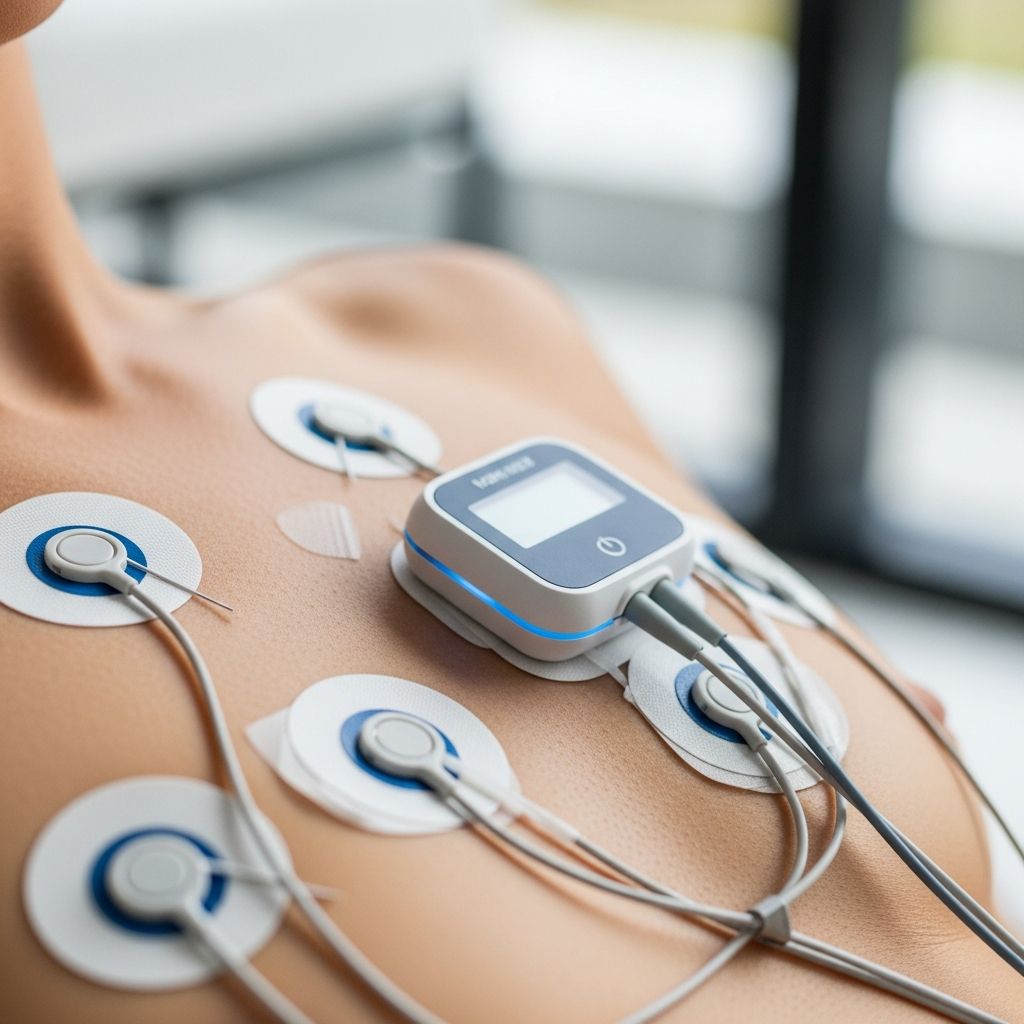
A Holter monitor is a small, portable device that continuously records your heart’s electrical activity over an extended period, typically 24 to 48 hours. Unlike a standard electrocardiogram (ECG) that captures only a few seconds of heart rhythm, the Holter monitor provides extended monitoring while you go about your normal daily activities. This prolonged recording capability makes it an invaluable diagnostic tool for identifying cardiac abnormalities that might not be detected during a brief office visit or standard ECG examination.
The device works on the principle of electrocardiography, using electrodes placed on your chest to detect and record the electrical signals generated by your heart. Named after Norman Holter, who invented the first portable ECG recorder in the 1950s, modern Holter monitors have become significantly smaller and more sophisticated than their predecessors. Today’s devices are about the size of a small camera or cell phone and can record up to 80-100 hours of continuous data with a tape capacity of up to 10 hours.
How the Holter Monitor Works
The Holter monitor functions through a series of electrodes attached to your chest wall using adhesive patches. These electrodes detect the electrical impulses generated by your heart and transmit them to a small recording device that you wear on your belt or around your neck. The device continuously records your heart’s activity on two primary types of data: the QRS complex and the R-R interval, which together provide comprehensive information about your heart’s electrical function.
The recording process is entirely passive on your part—the device automatically captures all electrical signals throughout the monitoring period. However, you play an active role by pressing a patient button whenever you experience symptoms such as palpitations, dizziness, chest pain, or shortness of breath. This button marking creates a timestamp in the recording, allowing your physician to correlate your symptoms with the corresponding heart rhythm at that specific moment.
Electrode Placement and Setup
During your initial appointment, a cardiac technician will prepare your skin and place three to eight electrode patches on your chest, depending on your monitor type. The electrodes are typically positioned over bony areas to minimize artifacts caused by muscle movement. The small recording device connects to these electrodes through thin wires and can be easily clipped to your clothing or worn on a belt. The entire setup process takes just a few minutes and is completely painless.
Recording Specifications
A standard Holter monitor records on three channels continuously for 12 to 48 hours, though most commonly it’s worn for a full 24-hour period. Some advanced systems feature 12-lead recording capability, which provides more precise electrocardiographic information and can instantly diagnose specific cardiac conditions including supraventricular tachycardia, ventricular tachycardia, atrial flutter, and atrial fibrillation. The device battery typically lasts 80-100 hours, well beyond the standard monitoring duration, ensuring uninterrupted recording throughout your monitoring period.
Why Your Doctor Recommends a Holter Monitor
Your physician may recommend a Holter monitor for various clinical reasons. This diagnostic tool is particularly valuable when symptoms are intermittent or occur unpredictably, making them difficult to capture during a routine office visit. The extended monitoring period significantly increases the likelihood of detecting abnormal heart rhythms or other cardiac events that occur sporadically throughout your day.
Related Stories



Common Indications for Holter Monitoring
Heart Palpitations: If you experience ongoing or recurrent heart palpitations—a sensation that your heart is racing, skipping beats, or fluttering—a Holter monitor can help confirm whether these symptoms correlate with actual cardiac arrhythmias. This distinction is crucial because not all palpitations indicate heart disease, but some may signal underlying cardiac conditions requiring treatment.
Syncope and Presyncope: When you experience fainting episodes or near-fainting spells without an obvious cause, a Holter monitor can help determine if your heart rhythm is responsible. Abnormal heart rates that drop too low or spike too high can reduce blood flow to your brain, causing dizziness or loss of consciousness.
Evaluation of Cardiac Arrhythmias: The monitor helps diagnose transient episodes of cardiac arrhythmias and myocardial ischemia—temporary reduction in blood flow to your heart muscle. Extended monitoring increases the probability of capturing these episodic events.
Post-Heart Attack Assessment: After a myocardial infarction, Holter monitoring helps evaluate your heart’s recovery and identify any dangerous arrhythmias that might increase your risk of complications.
Medication Evaluation: When starting new cardiac medications, your doctor may recommend Holter monitoring to ensure the drugs are working effectively and not causing harmful side effects or triggering proarrhythmic responses.
Pacemaker Function Analysis: For patients with implanted pacemakers or other cardiac devices, Holter monitoring can assess whether the device is functioning properly and delivering appropriate therapy.
Neurologic Events: When patients present with neurologic symptoms and transient atrial fibrillation or flutter is suspected, Holter monitoring can establish the cardiac basis for these symptoms.
What to Expect During Holter Monitoring
Wearing a Holter monitor is a straightforward process with minimal disruption to your daily routine. Upon arrival at your appointment, a cardiac technician will apply electrode patches to your chest after cleaning the skin with an alcohol pad. Some technicians may lightly shave small areas of chest hair to ensure good electrode contact, though this is usually unnecessary.
The technician will then connect thin wires from these electrodes to the small recording device and explain how to use the patient event button. You’ll receive detailed instructions about keeping a diary of your activities and symptoms during the monitoring period. Most patients receive a small logbook where they record the time of any symptoms, their activities, and their emotional state, creating a detailed correlation record.
During Your Monitoring Period
Once equipped with the monitor, you should continue all your normal daily activities. Shower and bathing are typically not recommended as the device is not waterproof, though some newer wireless systems offer extended capabilities. You should avoid strenuous activities that might dislodge the electrodes, but normal work, exercise, and household activities are encouraged to maximize the diagnostic value of the recording.
When you experience any symptoms—whether palpitations, dizziness, chest discomfort, or unusual fatigue—press the patient event button and note the time in your diary. Be specific about what you were doing, what you ate, your emotional state, and any medications you took. This detailed information helps your physician interpret the recording and identify triggers for your symptoms.
After the Monitoring Period
When your monitoring period is complete, return to your healthcare facility to have the electrodes removed. The removal process is simple and painless—the technician simply peels off the adhesive patches. Some patients experience mild skin irritation from the adhesive, which typically resolves within a few hours to a day.
Analysis and Results
After your monitoring period ends, cardiac technicians and skilled physicians analyze the entire recorded electrocardiogram for abnormalities. Modern analysis systems are highly sophisticated, providing information about heart beat morphology, beat interval measurement, heart rate variability, rhythm overview, and correlation with your symptoms diary.
Advanced systems perform spectral analysis, ischemic burden evaluation, activity graphs, and PQ segment analysis. Some contemporary platforms incorporate artificial intelligence technology that helps clean artifacts from muscle movement, classify heartbeats automatically, and even generate a preliminary report that specialists then validate.
What the Monitor Can Detect
A 12-lead Holter monitor is remarkably accurate and can diagnose numerous cardiac conditions including supraventricular tachycardia, ventricular tachycardia, atrial flutter, atrial fibrillation, monomorphic or polymorphic ventricular tachycardias, long QT syndrome, premature complexes, atrioventricular blocks, and bundle branch blocks. The detection of occult atrial fibrillation has become particularly important, as this condition significantly increases stroke risk.
Advanced Features and Innovations
Modern Holter monitors incorporate several technological advances that enhance diagnostic capability and patient comfort. Wireless systems now allow continuous heart rhythm monitoring for extended periods up to 14 days, greatly increasing diagnostic yield for patients with infrequent symptoms.
Recent innovations include triaxial movement sensors that record physical activity and extract three movement statuses—sleeping, standing, and walking. Some advanced devices can record spoken patient diary entries that physicians can review later. Display capabilities on some recorders allow real-time signal quality monitoring, ensuring the device is capturing accurate data throughout the monitoring period.
Safety and Side Effects
Wearing a Holter monitor is entirely safe with no associated risks or pain. The procedure is completely noninvasive and causes no discomfort during or after the monitoring period. The only potential issue is mild skin irritation at the electrode sites, caused by the adhesive patches used to secure the electrodes to your chest.
If you have known allergies to adhesive tapes or skin patches, inform the technician before the electrodes are applied. In these cases, alternative electrode attachment methods or hypoallergenic adhesives may be used. The mild skin irritation that occasionally occurs typically resolves completely within hours to a few days without any treatment required.
Comparing Holter Monitors to Other Cardiac Tests
| Test Type | Duration | Best For |
|---|---|---|
| Standard ECG | 10-30 seconds | Immediate cardiac events during office visit |
| Holter Monitor | 24-48 hours | Intermittent arrhythmias during daily activities |
| Event Monitor | Up to 1 month | Very infrequent symptoms |
| Stress Test | 10-15 minutes | Ischemia with exertion |
Clinical Significance and Benefits
Utilization of Holter monitoring has increased significantly in recent years, particularly in detecting occult atrial fibrillation as a cause of cryptogenic stroke. The clinical significance of this application cannot be overstated. When atrial fibrillation is identified, patients can be initiated on anticoagulation therapy, which is significantly superior to antiplatelet therapy for secondary stroke prevention in this population. By detecting occult atrial fibrillation through Holter monitoring, physicians can prevent recurrent strokes through appropriate anticoagulation, potentially saving lives and preventing disability.
Beyond stroke prevention, Holter monitoring provides prognostic information that helps healthcare providers stratify the risk of sudden cardiac death and guide treatment decisions. The information gathered helps evaluate the efficacy and safety of medications and nonpharmacological therapies, ensuring that treatment plans are optimized for each individual patient’s needs.
Frequently Asked Questions
Q: How long do I need to wear a Holter monitor?
A: Most commonly, you’ll wear a Holter monitor for 24 hours, though some studies require 48-hour monitoring. Your physician will specify the exact duration based on your clinical needs.
Q: Can I shower or bathe while wearing the monitor?
A: Traditional Holter monitors are not waterproof, so you should avoid showering or bathing. However, some newer wireless systems may allow brief water exposure—ask your technician about your specific device.
Q: Will the Holter monitor hurt or be uncomfortable?
A: No, wearing a Holter monitor is painless and safe. You may experience minimal discomfort from the electrode adhesive, and rarely, mild skin irritation afterward.
Q: What should I do if an electrode falls off during monitoring?
A: Contact your healthcare provider immediately. They can provide instructions on whether to reapply it or whether you need to return to the facility for electrode replacement.
Q: How soon will I get the results?
A: Results are typically available within 24-72 hours of completing your monitoring period, though some facilities provide results sooner. Your physician will discuss findings and treatment recommendations at a follow-up appointment.
Q: Can I continue taking my medications during monitoring?
A: Yes, continue all your regular medications unless your physician instructs otherwise. It’s important to keep accurate records of medication times in your symptom diary.
Q: What if the monitor records normal rhythms even though I experience symptoms?
A: Normal results are actually valuable information that can help rule out cardiac causes of your symptoms. Your physician may recommend additional testing or investigation into other potential causes.
References
- Holter Monitor — National Center for Biotechnology Information (NCBI). 2024. https://www.ncbi.nlm.nih.gov/books/NBK538203/
- Holter Monitor — Mayo Clinic. 2024. https://www.mayoclinic.org/tests-procedures/holter-monitor/about/pac-20385039
- Holter Monitor: Purpose, Results & How It Works — Cleveland Clinic. 2024. https://my.clevelandclinic.org/health/diagnostics/21491-holter-monitor
- Holter Monitoring and Event Recording — Loyola Medicine. 2024. https://www.loyolamedicine.org/services/heart-and-vascular/heart-vascular-diagnostic-tests/holter-monitoring-event-recording
- Holter Monitor — American Heart Association. 2024. https://www.heart.org/en/health-topics/heart-attack/diagnosing-a-heart-attack/holter-monitor
- Holter Monitor (24h) — Penn Medicine. 2024. https://www.pennmedicine.org/treatments/holter-monitor-24h
Similar Articles








Read full bio of medha deb