Homatropine Eye Drops: Uses, Benefits, and Safety Guide
Complete guide to homatropine eye drops: uses, application, side effects, and safety information.

About Homatropine Eye Drops
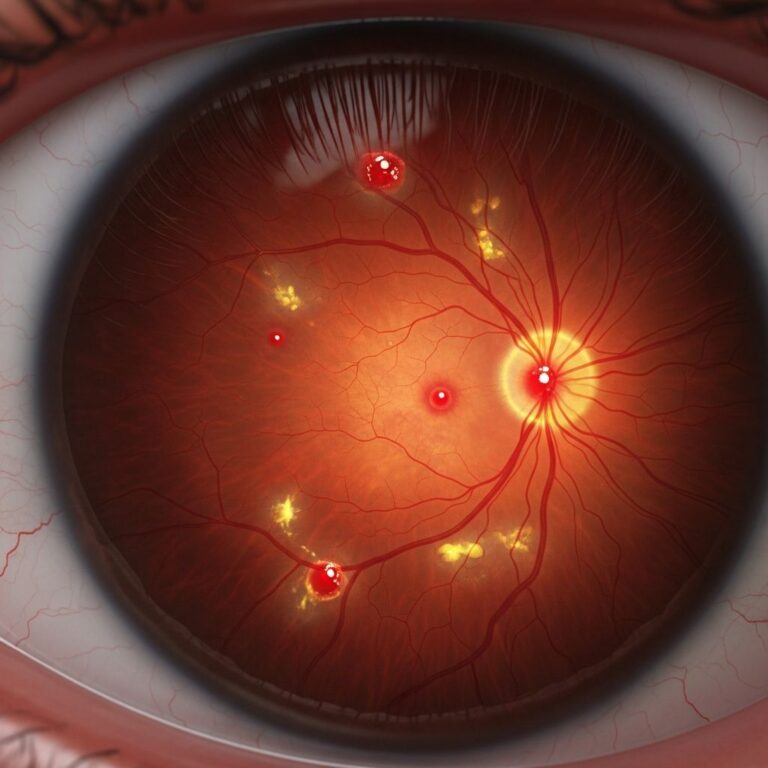
Homatropine eye drops are medications that enable your doctor to examine your eye more easily by dilating your pupils and relaxing the eye muscles. These drops serve multiple clinical purposes and are commonly used in ophthalmological settings. The medication works by temporarily enlarging your pupils, which allows eye care professionals to view the inner structures of your eye more clearly during examinations and procedures.
Beyond diagnostic use, homatropine eye drops are prescribed to treat anterior uveitis, a painful eye condition caused by inflammation within the eye. By enlarging the pupil and relaxing the muscles in your eye, the medication reduces pain and allows the inflamed portion of your eye to rest and recover. This dual functionality makes homatropine an important therapeutic agent in ophthalmology.
It is important to understand that homatropine eye drops can cause blurred vision which may last for several hours. During this period, you should not drive vehicles or operate tools or machines until your vision becomes clear again. This temporary vision impairment is a predictable side effect that requires careful planning around your daily activities.
Before Using Homatropine Eye Drops
Before your doctor prescribes homatropine eye drops, it is crucial that you provide complete medical information to ensure this treatment is appropriate for you. Your healthcare provider needs to know about several conditions and factors that may affect the safety and effectiveness of this medication.
Inform your doctor if you have any of the following:
- Ever had an allergic reaction to any eye drops or medications containing belladonna products such as atropine
- Currently wear contact lenses regularly
- Been diagnosed with higher than normal pressure in your eye or have been told you have glaucoma
- Are taking or using any other medicines, including over-the-counter medications, herbal remedies, or complementary medicines
- Are pregnant or currently breastfeeding
Special caution should be taken if you have glaucoma or elevated intraocular pressure, as homatropine may not be appropriate for your condition. Your doctor needs complete information about all medications and supplements you use to prevent dangerous drug interactions and ensure the medication is safe for your specific health situation.
How to Use Homatropine Eye Drops
Proper application of homatropine eye drops is essential for achieving the desired therapeutic effect and minimizing the risk of complications. Follow these detailed steps to ensure correct usage:
- Wash your hands thoroughly before and after applying the drops
- Shake the bottle well before use
- Hold the bottle upside down near to your eye
- Tilt your head back slightly and pull your lower eyelid down with your index finger to form a pouch
- Try not to touch your eye with the dropper tip
- Apply enough pressure to the dropper to release one drop into your eye
- Only use a second drop if the first drop missed going into your eye
- Close your eye for a minute or two
- Press gently on the side of your nose where the corner of your eye meets your nose to help stop the drop from draining away
- Repeat the process in your other eye if you have been told to use the drops in both eyes
Related Stories



It is critical to not touch your eye, fingers, or any other surface with the dropper of the bottle, as this could contaminate the liquid left in the bottle. Preventing contamination helps maintain the sterility of the medication and reduces the risk of eye infections.
After application, place the cap on the bottle right away and keep the bottle upright when you are not using it. Do not rinse or wipe the dropper or allow it to touch anything, including your eye.
Getting the Most From Your Treatment
To maximize the effectiveness of your homatropine eye drops treatment, follow these important guidelines:
- Ensure you can see clearly before you drive and before you use tools or machines
- Avoid touching your eye, fingers, or any other surface with the dropper to prevent infection
- If you are using any other eye drops or ointments, leave about ten minutes between applying each one
- This spacing prevents more liquid from entering your eye than it can handle, which could cause the drops to overflow and reduce effectiveness
- Do not wear contact lenses again until your doctor advises you to do so
- If you forget to use a dose, use it as soon as you remember, then use your next dose at the usual time
- Do not use two doses to make up for a missed dose
The medication causes blurred vision which may last for some time, so it is essential to make sure your vision is completely clear before engaging in any activities that require visual acuity. Additionally, homatropine makes your eyes more sensitive to light, so you should wear sunglasses until the effects wear off.
Can Homatropine Eye Drops Cause Problems?
Like all medications, homatropine eye drops can cause side effects. Understanding these potential reactions will help you identify when medical attention is necessary.
Common Side Effects
Many patients experience mild side effects that typically pass quickly:
- Eye irritation such as mild stinging — This should soon pass
- Mild stinging or burning — Common upon application
- Thirst or dry mouth — Usually temporary
Expected Temporary Effects
These effects are anticipated and normal responses to the medication:
- Large pupil, blurred vision, difficulty with focusing — These may last for several hours
- Do not drive and do not operate machinery until your vision is clear again
Rare Side Effects
While uncommon, some patients may experience rare side effects that should be monitored:
- Dry mouth
- Flushing
- Dry skin
- Constipation
- Difficulties passing urine
- Fast heartbeat
These rare side effects should soon pass, but if you become concerned about any of them, speak with your doctor immediately.
Serious Side Effects Requiring Immediate Medical Attention
Contact your doctor right away if you notice any of these serious side effects:
- Allergic reaction: Itching or hives
- Swelling in your face or hands
- Swelling or tingling in your mouth or throat
- Chest tightness
- Trouble breathing
- Severe stinging, burning, swelling, redness, or watering eyes
If you experience any other symptoms which you think may be due to the eye drops, speak with your doctor or pharmacist for further advice.
How to Store Homatropine Eye Drops
Proper storage of your homatropine eye drops ensures the medication remains safe and effective for use:
- Keep the bottle upright when you are not using it
- Store the medication in a cool, dry place
- Keep all medicine out of the reach of children
- Never share your medicine with anyone
- Do not use the medication after the expiration date printed on the label
If you have any questions about proper storage, consult your pharmacist or healthcare provider for specific guidance on storing your homatropine eye drops.
Important Information About All Medicines
When using homatropine eye drops or any eye medication, keep several important points in mind:
- This medication is only for use in the eye; do not take by mouth
- Follow the directions on the prescription label exactly as prescribed by your doctor
- Do not use more medication than directed
- Use your medication only as prescribed and do not give it to anyone else
- Contact your care team if you are still getting side effects after several days
- Side effects may occur even though you are no longer using this medication
Frequently Asked Questions (FAQs)
Q: How long does the blurred vision from homatropine eye drops last?
A: Blurred vision and difficulty with focusing may last for several hours after applying homatropine eye drops. You should not drive or operate machinery until your vision is completely clear again. The exact duration varies from person to person, but effects typically wear off within a few hours.
Q: Can I wear my contact lenses while using homatropine eye drops?
A: No, you should not wear contact lenses while using homatropine eye drops. Your doctor will advise you when it is safe to wear your contact lenses again after treatment. It is important to follow your doctor’s specific instructions about when you can resume wearing contacts.
Q: What should I do if I forget to use a dose of homatropine eye drops?
A: If you forget to use a dose, use it as soon as you remember. Then use your next dose at the usual time. However, do not use two doses to make up for the missed dose. Always follow your doctor’s or pharmacist’s instructions regarding missed doses.
Q: Can I use homatropine eye drops if I have glaucoma?
A: No, homatropine eye drops are not recommended if you have glaucoma or higher than normal eye pressure. You must inform your doctor about any eye conditions before using this medication. Your doctor will determine whether this medication is appropriate for your specific situation.
Q: What should I do if I experience an allergic reaction to homatropine eye drops?
A: If you experience signs of an allergic reaction such as itching, hives, swelling of the face or hands, swelling or tingling in your mouth or throat, chest tightness, or trouble breathing, stop using the medication and seek immediate medical attention. Contact your doctor or emergency services right away.
Q: How far apart should I space different eye medications?
A: If you are using any other eye drops or ointments, you should leave about ten minutes between applying each one. This spacing allows each medication to be properly absorbed and prevents overflow of liquid from your eye, which could reduce the effectiveness of the medications.
Q: Is homatropine eye drops safe to use during pregnancy or breastfeeding?
A: You must inform your doctor if you are pregnant or breastfeeding before using homatropine eye drops. Your healthcare provider will assess the risks and benefits and determine whether this medication is safe for your specific situation during pregnancy or while breastfeeding.
Q: What light sensitivity precautions should I take while using homatropine eye drops?
A: Homatropine eye drops make your eyes more sensitive to light. You should wear sunglasses to protect your eyes from bright light until the effects of the medication wear off. This will help reduce discomfort and protect your eyes during the period when your pupils are dilated.
References
- Homatropine Eye Drops — Patient.info. Accessed 2026-01-13. https://patient.info/medicine/homatropine-eye-drops
- Homatropine (Into the Eye) — Allina Health. Accessed 2026-01-13. https://account.allinahealth.org/library/content/45/5346
- Homatropine Eye Drop — HealthHub Singapore. Accessed 2026-01-13. https://www.healthhub.sg/medication-devices-and-treatment/medications/homatropine-eye-drop
- Homatropine Hydrobromide Eye Solution — Cleveland Clinic. Accessed 2026-01-13. https://my.clevelandclinic.org/health/drugs/18446-homatropine-hydrobromide-eye-solution
Similar Articles








Read full bio of medha deb