Home Blood Glucose Testing for Type 2 Diabetes
Master self-monitoring techniques to effectively manage type 2 diabetes and prevent complications through accurate home blood glucose testing.
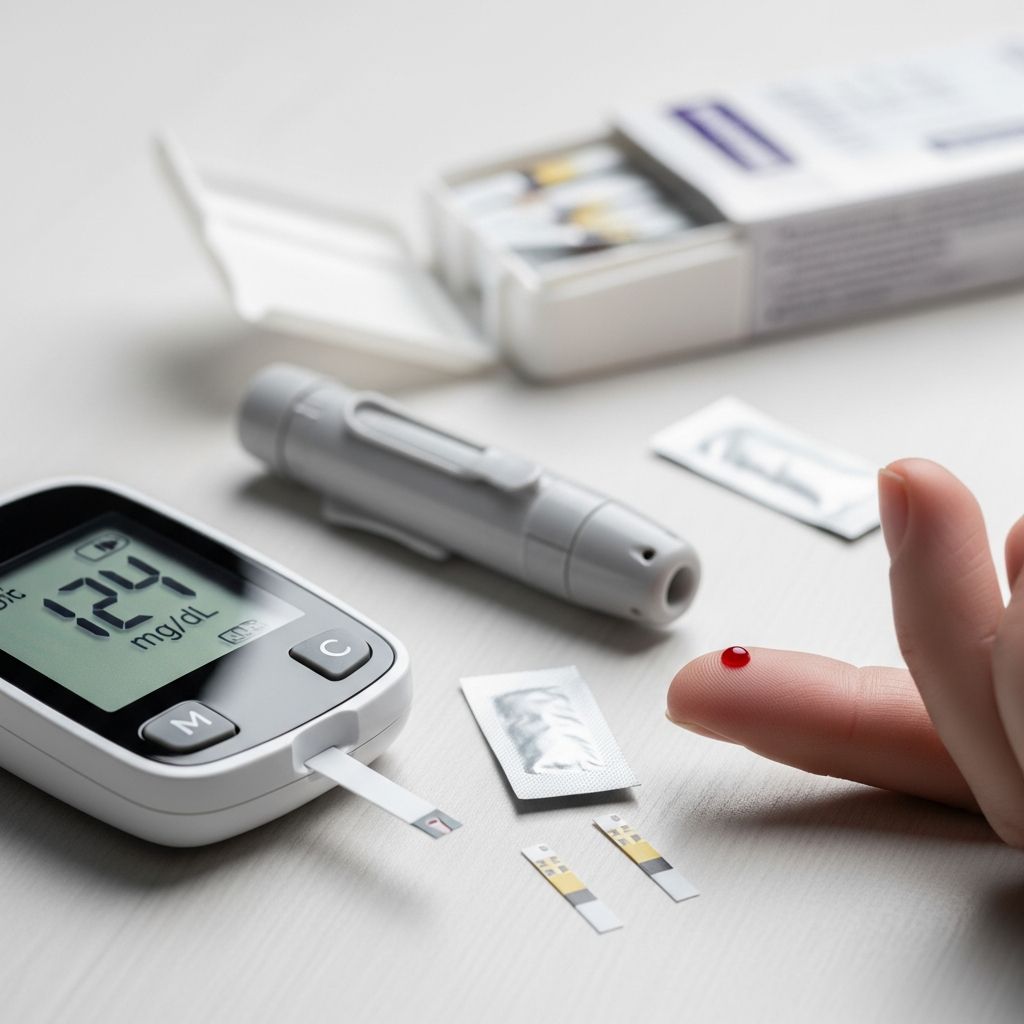
Effective management of type 2 diabetes relies heavily on regular monitoring of blood glucose levels at home. This practice empowers individuals to make informed decisions about diet, exercise, and medication, helping to maintain stable sugar levels and reduce the risk of complications such as heart disease, nerve damage, and kidney issues.
Why Monitor Blood Glucose at Home?
Home testing provides real-time insights into how daily activities, meals, and treatments affect blood sugar. Unlike lab tests that offer periodic snapshots, self-monitoring reveals patterns over time, allowing for proactive adjustments. For those with type 2 diabetes, consistent tracking is crucial during lifestyle changes, illness, or medication adjustments to prevent hyperglycemia or hypoglycemia.
- Identifies trends in glucose fluctuations throughout the day.
- Supports personalized treatment plans with healthcare providers.
- Alerts to potential issues like low blood sugar before symptoms worsen.
Understanding Blood Glucose Targets
Target ranges vary by individual factors like age, overall health, and diabetes duration, but general guidelines from authoritative sources recommend the following for most adults with type 2 diabetes:
| Time of Day | Target Range (mg/dL) |
|---|---|
| Before meals | 80-130 |
| 1-2 hours after meals | Less than 180 |
| Bedtime | 100-140 |
| A1C (average over 2-3 months) | Less than 7% |
Consult your doctor to set personalized goals, as stricter targets may apply for some, while relaxed ones suit older adults or those with comorbidities.
Types of Home Blood Glucose Monitoring Devices
Two primary methods dominate home monitoring: traditional blood glucose meters (BGMs) and continuous glucose monitors (CGMs).
Traditional Blood Glucose Meters (Fingerstick Method)
The most accessible option involves a portable meter, test strips, lancets, and a lancing device. A small blood sample from the fingertip is analyzed for glucose concentration. These devices are affordable, widely available, and provide instant results.
Continuous Glucose Monitors (CGMs)
CGMs offer advanced, real-time tracking by inserting a small sensor under the skin, typically on the arm or abdomen, which measures interstitial fluid glucose every few minutes. Data transmits to a receiver, smartphone app, or smartwatch. Sensors last 7-14 days, with some implantable versions enduring up to 6 months. CGMs are ideal for observing overnight trends and reducing finger pricks, though they may require occasional fingerstick calibration.
Step-by-Step Guide to Fingerstick Testing
Follow these precise steps for reliable results using a BGM:
- Prepare your meter: Ensure it’s charged, test strips are in date and stored properly, and check with control solution if recommended.
- Wash hands: Use soap and warm water; dry thoroughly to avoid inaccurate readings from residue.
- Insert test strip: Place into the meter; it typically activates automatically.
- Prick site: Select the side of a fingertip (less painful), clean with alcohol if needed, and let dry. Adjust lancing device depth for comfort.
- Obtain blood: Prick firmly, gently squeeze from base to form a drop.
- Apply sample: Touch the strip’s edge to the blood drop until sufficient.
- Read result: Await digital display (usually 5-10 seconds).
- Record and dispose: Note reading with time/context; safely discard lancet in sharps container.
Related Stories



Alternative sites like forearm or palm may be used on some meters for routine checks but are less accurate during rapid changes; always use fingertips for suspected lows.
Best Practices for Accurate Readings
Consistency minimizes errors:
- Test at consistent times daily.
- Avoid testing right after exercise or meals if not required.
- Store supplies away from heat, cold, or humidity.
- Calibrate per manufacturer instructions.
- Bring meter to appointments for lab comparisons.
Frequency of Testing: Tailoring to Your Needs
Recommendations depend on treatment and control:
- Well-controlled on diet/exercise: 1-2 times daily or less.
- On oral medications: 2-3 times daily, including before/after meals.
- On insulin: 4-8+ times daily, covering meals, bedtime, and as needed.
- During illness/stress: More frequent checks.
Healthcare providers adjust based on A1C and logs.
Advanced Monitoring Innovations
Emerging technologies promise less invasive options. Non-invasive prototypes use infrared lasers or low electric currents to sample glucose without pricks, though most are developmental. Hybrid systems combine CGMs with automated insulin delivery for enhanced control.
Common Pitfalls and How to Avoid Them
Errors can skew results:
| Issue | Solution |
|---|---|
| Expired strips | Check dates monthly. |
| Cold hands | Warm with running water. |
| Squeezing too hard | Gently massage base only. |
| Meter not calibrated | Use control solution weekly. |
Integrating Results into Daily Diabetes Management
Logs reveal patterns: high post-meal spikes may signal carb adjustments; lows before bed suggest medication tweaks. Share data via apps with providers for remote monitoring. Combine with diet tracking, exercise, and A1C tests for comprehensive care.
Frequently Asked Questions (FAQs)
What if my reading is consistently high?
Contact your doctor; it may indicate needed changes in medication, diet, or activity.
Can I use CGMs with type 2 diabetes?
Yes, especially if on insulin or experiencing variability; discuss suitability with your provider.
How do I store my meter?
At room temperature, away from direct sunlight or extremes.
Is fingertip testing always necessary?
For accuracy during changes, yes; alternatives suit stable times.
What A1C level should I aim for?
Under 7% for most, personalized by your doctor.
Consulting Healthcare Professionals
Regular check-ins ensure proper technique and device choice. Providers can verify meter accuracy against lab tests and adjust plans. Education from certified diabetes educators enhances self-management skills.
References
- Blood Sugar Monitoring: Why, How & When To Check — Cleveland Clinic. 2023. https://my.clevelandclinic.org/health/treatments/17956-blood-sugar-monitoring
- Testing Your Blood Sugars at Home – Diabetes Self — University of Alabama at Birmingham (CCHS Library Guides). 2024. https://libraryguides.cchs.ua.edu/diabetes-ed/testing
- Blood sugar testing: Why, when and how — Mayo Clinic. 2023-10-20. https://www.mayoclinic.org/diseases-conditions/diabetes/in-depth/blood-sugar/art-20046628
- Check Your Blood Glucose | Diabetes Testing & Monitoring — American Diabetes Association. 2024. https://diabetes.org/living-with-diabetes/treatment-care/checking-your-blood-sugar
- Monitoring Your Blood Sugar | Diabetes — Centers for Disease Control and Prevention (CDC). 2024. https://www.cdc.gov/diabetes/diabetes-testing/monitoring-blood-sugar.html
- Blood Glucose Monitoring Devices — U.S. Food and Drug Administration (FDA). 2024. https://www.fda.gov/medical-devices/in-vitro-diagnostics/blood-glucose-monitoring-devices
Similar Articles








Read full bio of Sneha Tete