Is Your Home Blood Pressure Monitor Accurate?
Learn how to ensure your home blood pressure monitor is reliable and accurate for managing hypertension effectively.
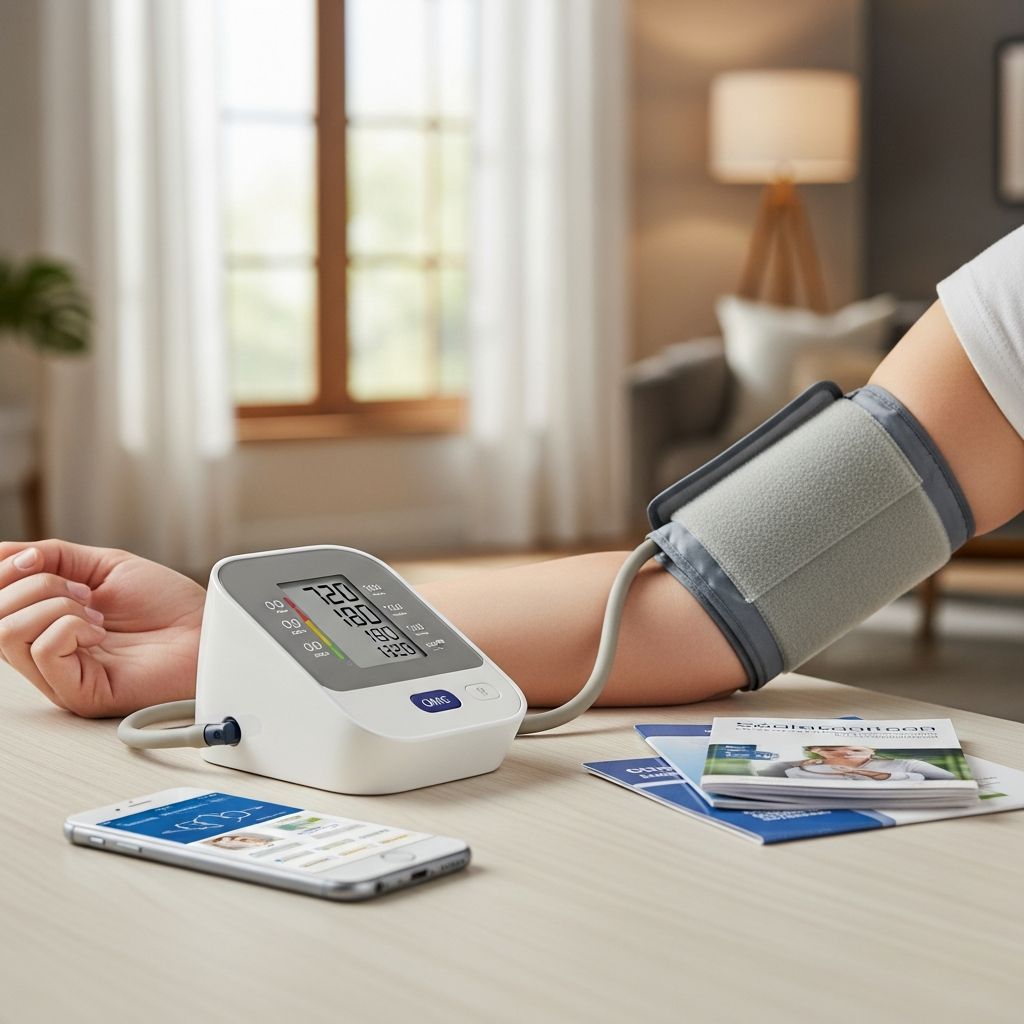
Home blood pressure monitoring has become an increasingly popular method for managing hypertension and tracking cardiovascular health. However, not all home blood pressure monitors deliver the same level of accuracy, and many patients may not realize their device could be providing unreliable readings. Understanding whether your home blood pressure monitor is accurate is essential for effective health management, especially if you’re using these measurements to guide treatment decisions.
Why Home Blood Pressure Monitoring Matters
Self-measured blood pressure (SMBP) monitoring offers significant advantages over traditional office-based measurements. It allows patients to track their readings over time, identify patterns, and detect potential health issues early. The convenience of monitoring from home also encourages more frequent measurements, providing a more comprehensive picture of your blood pressure throughout the day. However, these benefits are only realized if your monitor is actually accurate.
Research shows that home blood pressure readings can help guide treatment decisions and improve medication compliance. Yet, a critical concern emerges when devices fail to provide reliable measurements. Studies indicate that over one-fifth of home blood pressure devices do not meet accuracy standards based on established protocols. This discrepancy underscores the importance of validating your monitor before relying on it for health management.
Understanding Device Validation and Testing
The American Medical Association (AMA) has established a Device Accuracy Test protocol specifically designed to evaluate whether a home blood pressure monitor performs accurately for individual patients. This protocol compares readings from your home device to those obtained with a validated office standard, typically an automated oscillometric device or mercury sphygmomanometer.
The AMA’s accuracy testing protocol was developed based on studies involving adults with hypertension and uses established standards for acceptable measurement differences. For systolic blood pressure (the upper number), the standard typically allows for a difference of up to 10 mm Hg between your home device and the office standard. However, research has revealed that even when patients use validated device brands identical to their clinic’s reference device, approximately one in five home monitors may exceed this acceptable difference threshold.
What Makes a Device “Validated”?
A validated blood pressure device is one that has undergone rigorous testing according to established protocols and demonstrates consistent accuracy across a population of users. Several professional societies, including the American Heart Association and the British Hypertension Society, maintain lists of validated blood pressure monitors. However, the fact that a device appears on a validation registry does not guarantee it will perform accurately for every individual user.
Multiple factors influence how a particular device will perform in your hands, including the device’s algorithm, the fit of the cuff, your arm size and shape, and other individual physiological characteristics. This is why personal validation testing is so important—a device may be generally accurate but still not work well for a specific patient.
Common Reasons for Inaccuracy
Several factors can contribute to inaccurate home blood pressure readings:
- Improper cuff fit: An ill-fitting cuff is one of the most common causes of inaccurate readings. Cuffs that are too small will give artificially high readings, while oversized cuffs may produce readings that are too low.
- Incorrect measurement technique: Sitting position, arm placement, and timing of measurements can all affect results. Readings should be taken after sitting quietly for five minutes with feet flat on the floor and the arm at heart level.
- Device algorithm differences: Different manufacturers use different algorithms to calculate blood pressure from pulse wave oscillations. This can lead to significant variations between devices, even when measuring the same person simultaneously.
- Wrist versus arm monitors: Wrist monitors are generally less reliable than upper arm monitors because the wrist is farther from the heart and more prone to positional errors.
- Irregular heartbeat: Devices may struggle to provide accurate readings if you have an irregular heartbeat or cardiac arrhythmia.
- Device age and maintenance: Older devices may lose accuracy over time, and devices that haven’t been properly maintained may not function reliably.
Related Stories



Diastolic Blood Pressure Considerations
While much attention focuses on systolic blood pressure (the upper number), diastolic blood pressure (the lower number) is equally important for cardiovascular health. Research has revealed an important concern: even when home devices accurately measure systolic pressure, they may fail to accurately measure diastolic pressure. Studies show that approximately 14 percent of devices with accurate systolic measurements produced inaccurate diastolic readings. This gap suggests that current validation protocols may need enhancement to ensure both numbers are equally reliable.
How to Validate Your Home Blood Pressure Monitor
The process of validating your home blood pressure monitor is straightforward and can typically be done during a regular visit to your healthcare provider’s office.
Steps for Validation Testing
Step 1: Schedule an appointment: Contact your healthcare provider and request a validation appointment. Let them know you want to compare your home monitor to the office standard.
Step 2: Bring your device: Arrive with your home blood pressure monitor, batteries, and all accessories.
Step 3: Comparison testing: Your healthcare provider will take simultaneous or near-simultaneous readings with both your home device and the office standard. Typically, multiple readings are taken to ensure consistency.
Step 4: Document results: Record the differences between your home device readings and the office standard. Most providers will note whether the difference is within acceptable limits (generally within 10 mm Hg for systolic pressure).
Step 5: Reevaluate periodically: It’s wise to revalidate your monitor every one to two years or if you notice significant changes in your readings.
Choosing an Accurate Blood Pressure Monitor
When selecting a home blood pressure monitor, consider the following recommendations:
- Look for validation: Choose a device that appears on reputable validation registries maintained by organizations like the American Medical Association or the British Hypertension Society.
- Prefer upper arm monitors: Upper arm blood pressure monitors are generally more accurate than wrist or finger monitors.
- Ensure proper cuff sizing: Select a monitor with cuff options that fit your arm properly. Some monitors come with multiple cuff sizes.
- Check for automatic features: Automatic inflation and deflation are preferable to manual pumping, as they’re easier to use correctly and produce more consistent results.
- Consider memory features: Devices that store multiple readings help track patterns and provide data for your healthcare provider.
- Read user reviews: Look for feedback from other users about reliability and ease of use, though remember that individual experiences may vary.
Best Practices for Accurate Home Blood Pressure Monitoring
Even with an accurate device, proper technique is essential for reliable readings. Follow these guidelines:
- Take readings at the same time each day, preferably in the morning before taking medication.
- Sit quietly for five minutes before taking your blood pressure.
- Keep both feet flat on the floor and your back supported against a chair.
- Position your arm at heart level, with the cuff directly on your skin or over a thin layer of clothing.
- Avoid talking during the measurement.
- Avoid caffeine, exercise, and stress for at least 30 minutes before measuring.
- Take multiple readings (two or three) and note all values.
- Record readings in a log or app to share with your healthcare provider.
- Never adjust medications based solely on home readings without consulting your doctor.
When to Seek Professional Guidance
While home blood pressure monitoring is valuable, it should complement, not replace, professional medical assessment. Contact your healthcare provider if:
- Your home readings consistently differ significantly from office readings.
- You notice unusual patterns or sudden changes in your readings.
- Your monitor fails validation testing.
- You’re unsure whether your readings are accurate.
- You’re considering making changes to your blood pressure medication based on home readings.
Frequently Asked Questions
Q: How often should I validate my home blood pressure monitor?
A: It’s recommended to validate your monitor when you first purchase it and then periodically every one to two years, or more frequently if you notice significant changes in your readings or if the device is dropped or damaged.
Q: Why do my home readings differ from my doctor’s office readings?
A: Differences can result from white coat syndrome (anxiety in medical settings), device inaccuracy, improper technique, different cuff sizes, or timing of medication doses. Validation testing can help determine if device accuracy is the issue.
Q: Are wrist blood pressure monitors reliable?
A: Wrist monitors are generally less reliable than upper arm monitors because they’re more sensitive to positioning and arm movement. If you use a wrist monitor, ensure extra care with proper positioning and technique.
Q: What’s the acceptable difference between my home monitor and office readings?
A: According to the AMA Device Accuracy Test protocol, a difference of up to 10 mm Hg for systolic blood pressure is generally considered acceptable. Your healthcare provider can provide specific guidance for your situation.
Q: Can I rely solely on home blood pressure readings to manage my hypertension?
A: Home readings are valuable for tracking trends and between-visit monitoring, but they should be used in conjunction with periodic office measurements. Always consult your healthcare provider before making medication adjustments.
Q: Why would a validated device fail my personal accuracy test?
A: Device validation tests performance across populations, but individual factors like your arm size, shape, and specific physiological characteristics can affect how a particular device performs for you. This is why personal validation testing is important.
Conclusion
Home blood pressure monitoring is a powerful tool for managing cardiovascular health, but its effectiveness depends entirely on having an accurate device and using proper technique. By validating your monitor through comparison with an office standard, choosing a reputable device, and following best practices for measurement, you can ensure that your home readings provide reliable information for your healthcare management. Don’t assume that a validated device will work perfectly for you—take the time to verify accuracy, and work with your healthcare provider to incorporate home monitoring effectively into your overall hypertension management plan.
References
- Comparison of Home and Office Blood Pressure Devices — National Institutes of Health, National Center for Biotechnology Information. 2023-12-27. https://pmc.ncbi.nlm.nih.gov/articles/PMC11016832/
- American Medical Association Device Accuracy Test Protocol — American Medical Association. https://www.ama-assn.org/
- Blood Pressure Monitoring Guidelines — American Heart Association. https://www.heart.org/
- Validation of Home Blood Pressure Devices — National Heart Foundation. https://www.nhf.org.au/
Similar Articles








Read full bio of medha deb