Home Blood Pressure Monitors: Device of the Month
Master home blood pressure monitoring: Choose the right device and perfect your technique.
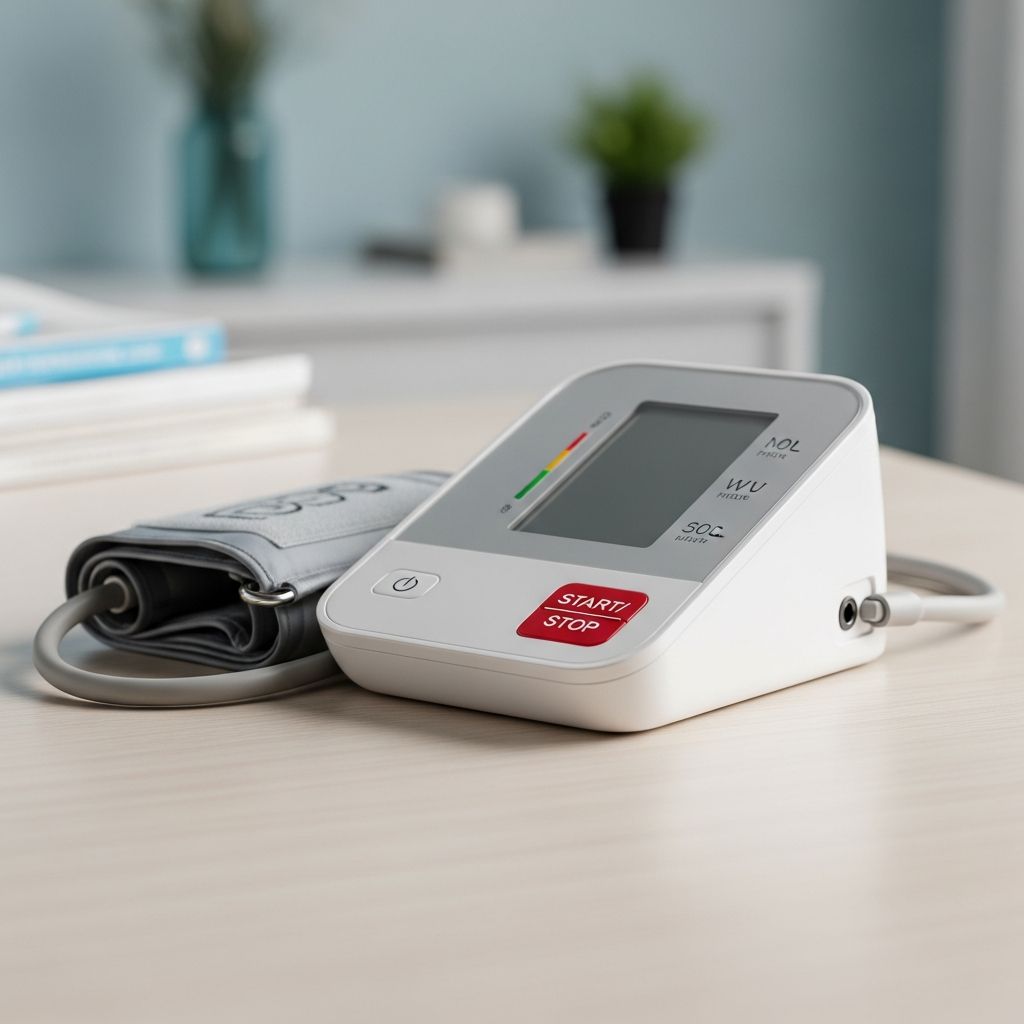
Monitoring blood pressure at home has become an increasingly important aspect of cardiovascular health management. With hypertension affecting millions of people worldwide, the ability to track blood pressure readings from the comfort of your home provides valuable insights into your heart health and helps you make informed decisions about your lifestyle and treatment options. Home blood pressure monitors have evolved significantly over the years, offering convenient, reliable, and user-friendly solutions for regular monitoring.
Whether you have been diagnosed with high blood pressure, are at risk for hypertension, or simply want to maintain awareness of your cardiovascular health, a home blood pressure monitor can be an invaluable tool. This comprehensive guide explores everything you need to know about selecting, using, and maintaining these devices for optimal health outcomes.
Why Home Blood Pressure Monitoring Matters
Regular blood pressure monitoring plays a crucial role in cardiovascular disease prevention and management. Many people experience elevated blood pressure readings in clinical settings due to anxiety or stress, a phenomenon known as “white coat hypertension.” Home monitoring eliminates this variable by capturing readings in a relaxed, familiar environment where your natural baseline can be more accurately measured.
Consistent home monitoring provides several important benefits. First, it helps establish patterns in your blood pressure throughout the day, revealing whether your readings fluctuate significantly or remain relatively stable. Second, it enables early detection of hypertension, allowing you to take preventive measures before serious health complications develop. Third, it provides objective data that can help your healthcare provider make better-informed decisions about medication adjustments or lifestyle modifications. Finally, home monitoring empowers you to take an active role in managing your own health and encourages accountability in following prescribed treatment plans.
Types of Home Blood Pressure Monitors
Several different types of home blood pressure monitors are available on the market today, each with distinct advantages and considerations:
Upper Arm Monitors
Upper arm blood pressure monitors are considered the gold standard for home monitoring and are most similar to the devices used in clinical settings. These monitors wrap around your upper arm and use an inflatable cuff to measure blood pressure. They are known for their accuracy and reliability, making them the preferred choice for most people, especially those with large arms or those who require very precise readings.
Wrist Monitors
Wrist monitors offer convenience and portability, making them ideal for people who travel frequently or need to monitor blood pressure throughout the day. However, they can be less accurate than upper arm monitors if not positioned correctly at heart level. These devices require proper technique to ensure readings are comparable to readings taken at the clinical setting.
Finger Monitors
Finger monitors are the most compact and portable option available. While they offer ultimate convenience, they tend to be less accurate than other types and are generally not recommended for regular monitoring unless specifically recommended by your healthcare provider.
Automatic Monitors
Most modern home blood pressure monitors are automatic, meaning they inflate and deflate without manual adjustment. This eliminates the need for specialized training and makes them accessible to people of all ages and abilities.
Key Features to Consider When Choosing a Monitor
Selecting the right home blood pressure monitor involves considering several important features that will affect accuracy, ease of use, and long-term satisfaction:
Cuff Size and Fit
The cuff must fit properly around your arm for accurate readings. An incorrectly sized cuff can produce inaccurate results. Most monitors come with standard cuffs, but extended or pediatric cuffs are available for those who need different sizes. Measure your arm circumference to determine the appropriate cuff size before purchasing.
Accuracy and Validation
Look for monitors that have been validated through clinical trials and meet international accuracy standards. Many reputable monitors display certification marks or have published validation studies. Ask your healthcare provider for recommendations on validated models.
Display and Readability
Choose a monitor with a clear, easy-to-read display. If you have vision problems, select one with a large screen or digital numbers. Some monitors offer additional features like color-coded readings that indicate whether your blood pressure is normal, elevated, or high.
Memory Function
Most modern monitors include memory functions that store previous readings, allowing you to track trends over time. Some can store readings for multiple users, which is helpful for families. Digital storage with dates and times helps you provide accurate information to your healthcare provider.
Connectivity and Data Sharing
Many contemporary monitors can connect to smartphones or tablets via Bluetooth, allowing automatic data transfer to health apps or cloud storage. This feature makes it easier to share readings with your healthcare provider and track long-term trends.
Ease of Use
Select a monitor that is simple to operate, with clear instructions and intuitive controls. Avoid overly complicated models with excessive features you may never use. A straightforward, reliable device will encourage consistent use.
Battery Life
For portable monitors, consider battery life and whether the device uses rechargeable batteries or disposable ones. Monitors with long battery life provide better value and greater convenience.
Proper Technique for Accurate Readings
Even the most sophisticated blood pressure monitor will produce inaccurate results if not used correctly. Proper technique is essential for obtaining reliable readings that you and your healthcare provider can trust:
Preparation Steps
Before measuring your blood pressure, sit quietly in a comfortable position for at least five minutes. Your feet should be flat on the floor, not dangling, and your arm should be at heart level. Avoid consuming caffeine, nicotine, or alcohol for at least 30 minutes before measurement, as these substances can temporarily elevate blood pressure. An empty bladder also helps ensure accurate readings.
Positioning
Sit in a chair with your back supported rather than lying down or sitting on the edge. Place the cuff on your bare arm, not over clothing, as fabric can interfere with the reading. The cuff should be snug but not tight, with the bottom of the cuff positioned just above the bend of your elbow.
Measurement Process
Remain still and quiet during the measurement. Do not talk or move around, as this can affect readings. Allow the cuff to inflate and deflate without resisting the pressure. Most automatic monitors complete a reading within one to two minutes.
Recording and Tracking
Write down each reading immediately, including the date and time. Taking multiple readings at different times of day provides a more complete picture of your blood pressure patterns. Typically, healthcare providers recommend taking readings at the same time each day to establish consistency and enable meaningful comparison of results.
Understanding Your Blood Pressure Readings
Blood pressure is expressed as two numbers: systolic pressure (the top number, measured when your heart beats) and diastolic pressure (the bottom number, measured when your heart rests between beats). Both numbers are equally important in assessing your cardiovascular health.
| Blood Pressure Category | Systolic (Top Number) | Diastolic (Bottom Number) |
|---|---|---|
| Normal | Less than 120 mmHg | Less than 80 mmHg |
| Elevated | 120–129 mmHg | Less than 80 mmHg |
| High Blood Pressure Stage 1 | 130–139 mmHg | 80–89 mmHg |
| High Blood Pressure Stage 2 | 140 mmHg or higher | 90 mmHg or higher |
| Hypertensive Crisis | Higher than 180 mmHg | Higher than 120 mmHg |
If your readings consistently fall into the elevated or high blood pressure categories, consult with your healthcare provider. They can help determine whether lifestyle modifications, medication, or additional testing is necessary.
Maintaining Your Home Blood Pressure Monitor
Proper maintenance ensures your monitor continues to function accurately over time. Store your monitor in a cool, dry location away from extreme temperatures or humidity. Avoid dropping or applying excessive pressure to the device. Periodically check the cuff for any signs of wear or damage.
Most monitors should be recalibrated periodically to ensure continued accuracy. Some manufacturers recommend annual calibration checks. If you notice your readings seem inconsistent or unusually high or low, contact the manufacturer or have the device checked by a healthcare professional.
Integration with Your Overall Health Plan
Home blood pressure monitoring works most effectively as part of a comprehensive cardiovascular health strategy. Share your readings regularly with your healthcare provider, who can assess trends and make appropriate recommendations. Combine monitoring with healthy lifestyle choices including regular physical activity, a balanced diet low in sodium, stress management, adequate sleep, and limiting alcohol consumption.
If your healthcare provider prescribes blood pressure medication, consistent home monitoring helps evaluate how well the medication is working and whether adjustments are needed.
Frequently Asked Questions (FAQs)
Q: How often should I check my blood pressure at home?
A: If you have been diagnosed with high blood pressure, checking daily, typically in the morning and evening, is often recommended. Those at risk or with normal readings may check less frequently. Your healthcare provider will give specific guidance based on your individual health situation.
Q: Can home monitors be as accurate as those used in doctors’ offices?
A: Yes, validated home blood pressure monitors can be just as accurate as clinical devices when used correctly. The key is selecting a quality monitor, using proper technique, and maintaining the device appropriately.
Q: What if my home readings are very different from my doctor’s office readings?
A: This can occur due to “white coat syndrome” or anxiety in clinical settings. Bring your home monitor to your next appointment so your healthcare provider can verify its accuracy and ensure you are using proper technique.
Q: Should I monitor both arms?
A: If recommended by your healthcare provider, monitoring both arms can be helpful. Some people have different readings in each arm. Typically, the arm with the higher reading is used for ongoing monitoring.
Q: Do I need a prescription to purchase a home blood pressure monitor?
A: No, home blood pressure monitors are available without a prescription at pharmacies, medical supply stores, and online retailers. However, consulting with your healthcare provider about which type might be best for you is recommended.
References
- Understanding Blood Pressure Readings — American Heart Association. 2024. https://www.heart.org/en/health-topics/heart-attack/why-blood-pressure-matters
- Home Blood Pressure Monitoring — Mayo Clinic. 2024. https://www.mayoclinic.org/diseases-conditions/high-blood-pressure/in-depth/home-blood-pressure-monitoring/art-20047224
- Selecting and Using Home Blood Pressure Monitors — National Institutes of Health. 2023. https://www.nih.gov/health/blood-pressure
- Validation of Home Blood Pressure Monitoring Devices — World Health Organization. 2023. https://www.who.int/news
Similar Articles








Read full bio of medha deb