Home-Based Light Therapy for Psoriasis: Clinical Evidence
Research demonstrates home phototherapy achieves comparable results to clinical treatments
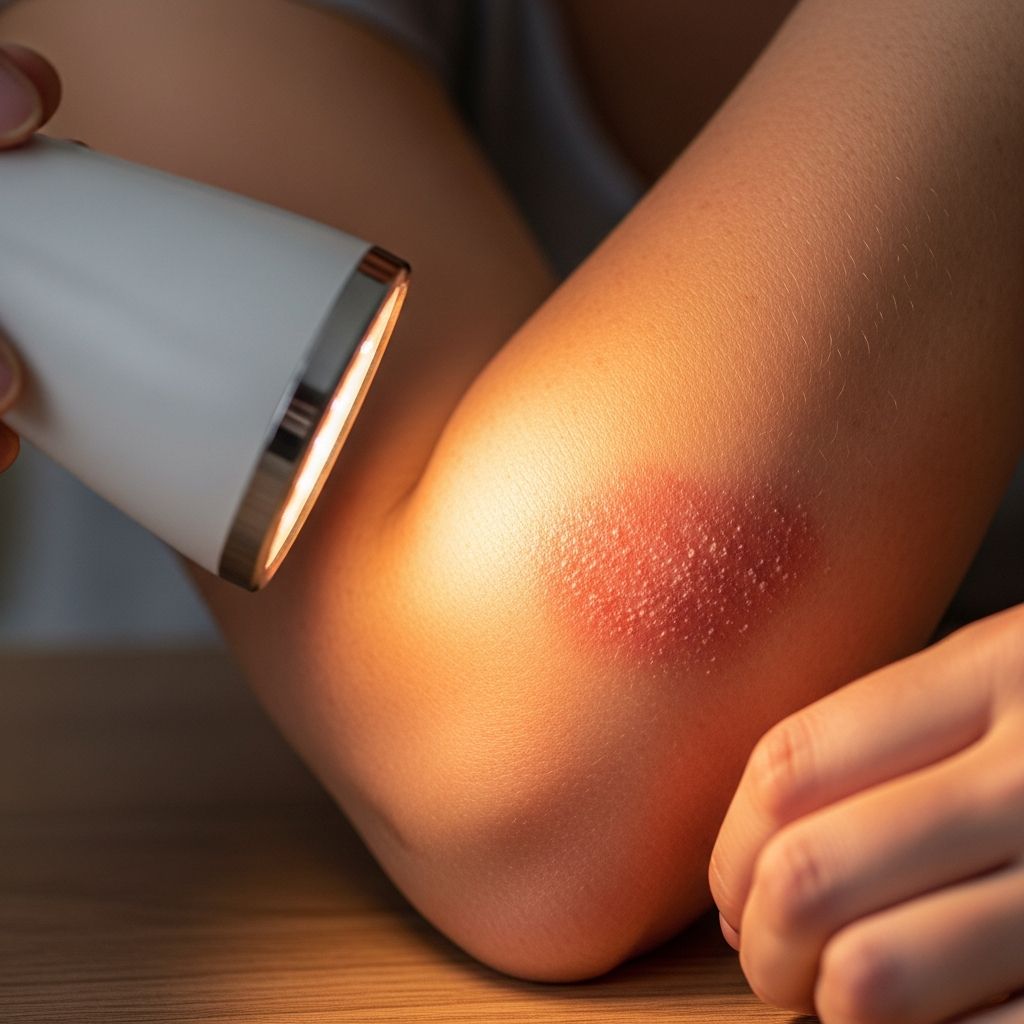
Psoriasis affects millions of individuals worldwide, causing persistent inflammation, scaling, and discomfort. For decades, dermatologists have relied on phototherapy—the therapeutic application of specific light wavelengths—as a cornerstone treatment for managing this chronic skin condition. Traditionally, phototherapy required frequent visits to medical clinics, presenting logistical challenges for patients balancing treatment with work, family, and personal obligations. Recent clinical research has fundamentally shifted this paradigm by demonstrating that home-administered light therapy can achieve clinical outcomes equivalent to or surpassing traditional office-based treatments while significantly improving patient compliance and quality of life.
Understanding Phototherapy as a Psoriasis Treatment Modality
Phototherapy operates on well-established dermatological principles. Specific light wavelengths penetrate the skin at varying depths, triggering biological responses that counteract the inflammatory cascade characteristic of psoriasis. The therapeutic mechanisms include modulation of immune cell activity, reduction of keratinocyte proliferation, and suppression of inflammatory cytokine production. Narrowband ultraviolet B (nbUVB) phototherapy has emerged as the preferred phototherapeutic approach, offering optimal efficacy combined with a favorable safety profile compared to broader-spectrum ultraviolet treatments.
The evolution of phototherapy technology has made home-based administration increasingly feasible. Modern devices are compact, user-friendly, and calibrated to deliver precise therapeutic dosing. This technological advancement, combined with comprehensive patient education protocols, has enabled dermatologists to transition phototherapy from exclusively clinic-based care to a hybrid or home-centered model.
The Light Treatment Effectiveness Study: Methodology and Design
A landmark pragmatic clinical trial investigating home versus office-based phototherapy enrolled 783 participants aged 12 and older across 42 dermatology practices throughout the United States. This rigorous, randomized, non-inferiority study design compared treatment outcomes between two groups: patients receiving narrowband UVB phototherapy at home using prescribed devices and those receiving identical treatment in traditional clinical settings. The study period extended over 12 weeks of active treatment, followed by an additional 12-week observation phase to assess treatment durability and relapse patterns.
Participants were carefully selected to include individuals with plaque psoriasis or guttate psoriasis who were appropriate candidates for both treatment modalities. Before randomization, baseline disease severity was systematically assessed by dermatologists using validated measurement tools and clinical examination. Those assigned to home phototherapy received detailed instruction on device operation, received calibrated equipment based on individual skin type and photosensitivity, and followed specific treatment protocols tailored to their clinical presentation.
Clinical Outcomes and Efficacy Comparisons
The results of this large-scale clinical trial demonstrated remarkable therapeutic parity between treatment settings. Among participants who maintained consistent adherence to the prescribed treatment regimen—administered twice weekly for 12 weeks—approximately 60 percent achieved clear or nearly clear skin across both home and office settings. This statistically comparable outcome indicates that the therapeutic benefit derives from the phototherapy itself rather than the clinical environment in which treatment occurs.
Notably, home phototherapy recipients demonstrated a higher absolute percentage achieving clear or nearly clear skin status: 33 percent of home-based patients versus 26 percent of office-based patients showed complete or near-complete disease clearance following the 12-week treatment period. This differential outcome may reflect improved treatment compliance among home-therapy participants, suggesting that convenience and reduced treatment burden translate into better real-world therapeutic outcomes.
Key Efficacy Metrics Across Treatment Modalities
| Outcome Measure | Home-Based Phototherapy | Office-Based Phototherapy |
|---|---|---|
| Clear or nearly clear skin (all participants) | 33% | 26% |
| Clear or nearly clear skin (adherent participants) | ~60% | ~60% |
| Treatment adherence rate | 3+ times higher likelihood of maintaining prescribed frequency | Baseline comparison |
| Adverse events necessitating discontinuation | None reported | None reported |
Related Stories



Patient Adherence and Treatment Compliance Advantages
A particularly significant finding emerged regarding treatment adherence patterns. Patients randomized to home phototherapy were more than three times more likely to maintain the prescribed twice-weekly treatment schedule compared to those attending office-based sessions. This substantial difference in compliance represents a critical real-world advantage that extends beyond simple convenience metrics.
Several factors contribute to superior adherence in home-therapy settings. Eliminating travel time and transportation requirements removes significant barriers to consistent treatment participation. Patients avoid scheduling conflicts with clinic availability and reduce time away from employment or caregiving responsibilities. Additionally, the ability to integrate phototherapy into daily routines at convenient times increases psychological acceptance and reduces treatment burden perception. For working individuals, parents with dependent children, and those with limited transportation options, home-based phototherapy fundamentally changes the feasibility of sustained dermatological care.
Safety Profile and Adverse Event Monitoring
Comprehensive safety surveillance revealed an exceptionally favorable adverse event profile for both treatment modalities. Notably, no study participants required discontinuation due to treatment-related adverse effects. This finding is particularly relevant given that some systemic psoriasis medications carry risks of serious infections and other complications, making phototherapy an attractive medication-free alternative for patients prioritizing safety or experiencing contraindications to pharmaceutical interventions.
Minor side effects occasionally observed with light-based treatments, such as temporary skin darkening or mild erythema, were managed through standard dose adjustments and resolved without long-term sequelae. The absence of systemic toxicity, dermatologic malignancies, or other serious complications supports the long-term viability of phototherapy as a sustainable treatment strategy for chronic psoriasis management.
Emerging Evidence on Alternative Light Wavelengths
While narrowband UVB remains the gold standard, contemporary research has expanded the phototherapeutic armamentarium. Blue light therapy (400-480 nanometers wavelength) has demonstrated effectiveness in reducing keratinocyte proliferation and modulating T-cell immune responses. Clinical studies of blue light-emitting diode (LED) devices showed significant disease improvement when applied daily for four weeks, with clearance rates comparable to traditional UVB approaches. The advantage of blue light includes the absence of UV radiation exposure, potentially reducing theoretical carcinogenic risks associated with ultraviolet treatment, though long-term safety data continues accumulating.
Red light and near-infrared wavelengths (620-830 nanometers) penetrate deeper into dermal tissue, stimulating mitochondrial activity and modulating inflammatory cytokine release. Sequential treatment combining red and near-infrared LED wavelengths achieved 60 to 100 percent clearance rates in study populations, suggesting potential value for recalcitrant or extensive disease.
A prospective comparison of 308-nanometer LED technology versus 308-nanometer excimer laser therapy demonstrated comparable clinical improvement rates (70 percent LPSI 50 response for LED versus 80 percent for excimer laser), suggesting LED-based devices offer cost-effective alternatives for home administration without sacrificing therapeutic efficacy. This evidence supports the emerging potential of diversified light sources administered in home settings as increasingly viable treatment options.
Cost-Effectiveness and Healthcare System Implications
The shift toward home-based phototherapy carries substantial economic implications for healthcare systems and individual patients. Reducing clinic visit frequency decreases overhead costs associated with facility operation, staffing, and administrative management. For patients, eliminated transportation costs, reduced time away from employment, and decreased childcare or dependent care expenses represent meaningful financial relief. The accessibility of home-therapy devices creates opportunities for treatment expansion among underserved populations with limited access to specialized dermatological services.
Furthermore, the demonstrated potential to reduce reliance on systemic and biologic therapies represents significant healthcare cost mitigation. Many advanced psoriasis medications cost thousands of dollars monthly, whereas home phototherapy devices represent a one-time capital investment amortized across extended treatment periods. For healthcare systems and individual patients managing chronic diseases with limited resources, this differential represents transformative clinical and economic value.
Clinical Decision-Making: Selecting Appropriate Candidates
Optimal patient selection ensures home phototherapy success. Ideal candidates include individuals with stable, non-rapidly progressing psoriasis who can reliably follow prescribed treatment protocols. Patients with limited access to dermatological clinics, those balancing multiple medical or personal commitments, and individuals with contraindications to systemic medications represent particularly suitable candidates. Close monitoring at treatment initiation ensures disease stability; patients experiencing progressive disease expansion or unexpected worsening during phototherapy may require alternative approaches or adjunctive therapies.
Conversely, patients with extensive body surface area involvement, severe pustular variants, or rapidly evolving disease typically require office-based multidisciplinary care or systemic pharmaceutical management. Additionally, individuals with photosensitivity disorders, history of light-induced malignancy, or concurrent medications increasing phototoxicity require careful individualization before home phototherapy initiation.
Practical Implementation and Patient Education Requirements
Successful home phototherapy implementation requires comprehensive patient education addressing device operation, safety precautions, and adherence protocols. Dermatologists must calibrate treatment intensity according to skin phototype and individual photosensitivity, communicate clear dosing schedules, and establish mechanisms for dose adjustment based on clinical response. Patient satisfaction and treatment success improve substantially when healthcare providers invest time in thorough instruction and establish accessible follow-up communication channels for questions or concerns.
Future Directions and Evolving Treatment Paradigms
Ongoing research continues investigating optimized wavelengths, treatment durations, and dosing regimens for maximizing home phototherapy efficacy. Wearable light-therapy technologies represent an emerging frontier, potentially enabling even greater treatment integration into daily routines. Real-world outcome data from large patient populations will further refine patient selection criteria and identify subgroups experiencing superior or suboptimal responses to home-administered phototherapy.
Integration of home phototherapy within broader psoriasis management strategies—combining phototherapy with targeted topical treatments or strategically sequencing phototherapy with systemic therapies—may optimize long-term disease control while minimizing medication exposure and associated risks.
Frequently Asked Questions About Home Light Therapy for Psoriasis
How often must phototherapy be administered for therapeutic benefit?
Clinical trials demonstrating efficacy typically utilized twice-weekly treatment protocols over 12-week periods. Consistent adherence to prescribed frequency substantially influences outcomes; participants maintaining regular schedules experienced significantly higher clearance rates than those with inconsistent participation.
What is the typical timeframe for observing therapeutic improvement?
Meaningful clinical improvement typically becomes apparent within 2-4 weeks of initiating phototherapy, with optimal results generally observed after 8-12 weeks of consistent treatment. Individual variation exists; some patients experience faster responses while others require extended treatment periods.
Are home phototherapy devices as effective as office-based treatments?
Clinical evidence demonstrates equivalent efficacy between properly calibrated home devices and office-based systems when patients maintain consistent treatment schedules. Some studies suggest home-therapy participants achieve slightly superior outcomes due to improved treatment adherence.
What adverse effects should patients monitor during home phototherapy?
Minor temporary skin darkening, mild erythema, and occasional pruritus represent the primary adverse effects. Serious complications are exceptionally rare. Patients should contact their dermatologist if experiencing unexpected burning sensations, severe erythema, or blistering.
Can phototherapy be discontinued suddenly, or does it require gradual tapering?
Phototherapy can generally be discontinued at any point without physiological complications. However, disease recurrence commonly occurs within weeks to months after treatment cessation, necessitating maintenance strategies such as periodic treatment sessions or adjunctive therapies.
References
- Prospective 3-month study on the efficacy of UV-free blue light in treating psoriasis — National Center for Biotechnology Information (NCBI). 2021. https://pmc.ncbi.nlm.nih.gov/articles/PMC8330862/
- A prospective randomized half-body study: 308 nm LED light vs. 308 nm excimer laser therapy for localized psoriasis — Frontiers in Medicine. 2023. https://www.frontiersin.org/journals/medicine/articles/10.3389/fmed.2023.1275912/
- A clinical review of phototherapy for psoriasis — National Center for Biotechnology Information (NCBI). 2018. https://pmc.ncbi.nlm.nih.gov/articles/PMC5756569/
- Home- vs Office-Based Narrowband UV-B Phototherapy for Patients with Psoriasis — JAMA Dermatology, University of Pennsylvania Perelman School of Medicine. 2024. https://jamanetwork.com/journals/jamadermatology/fullarticle/2823901
- Can a wearable blue-light device clear psoriasis? — American Academy of Dermatology (AAD). https://www.aad.org/public/diseases/psoriasis/treatment/medications/wearable-light
- Home UVB Phototherapy for Psoriasis: Effectiveness, Quality of Life Impact — ClinicalTrials.gov, National Institutes of Health. https://clinicaltrials.gov/study/NCT00150930
Similar Articles








Read full bio of Sneha Tete