Home Oxygen Therapy: Essential Guide To Safe Use
Discover how home oxygen therapy enhances daily life for those with breathing difficulties, including benefits, setup, safety measures, and essential care tips.
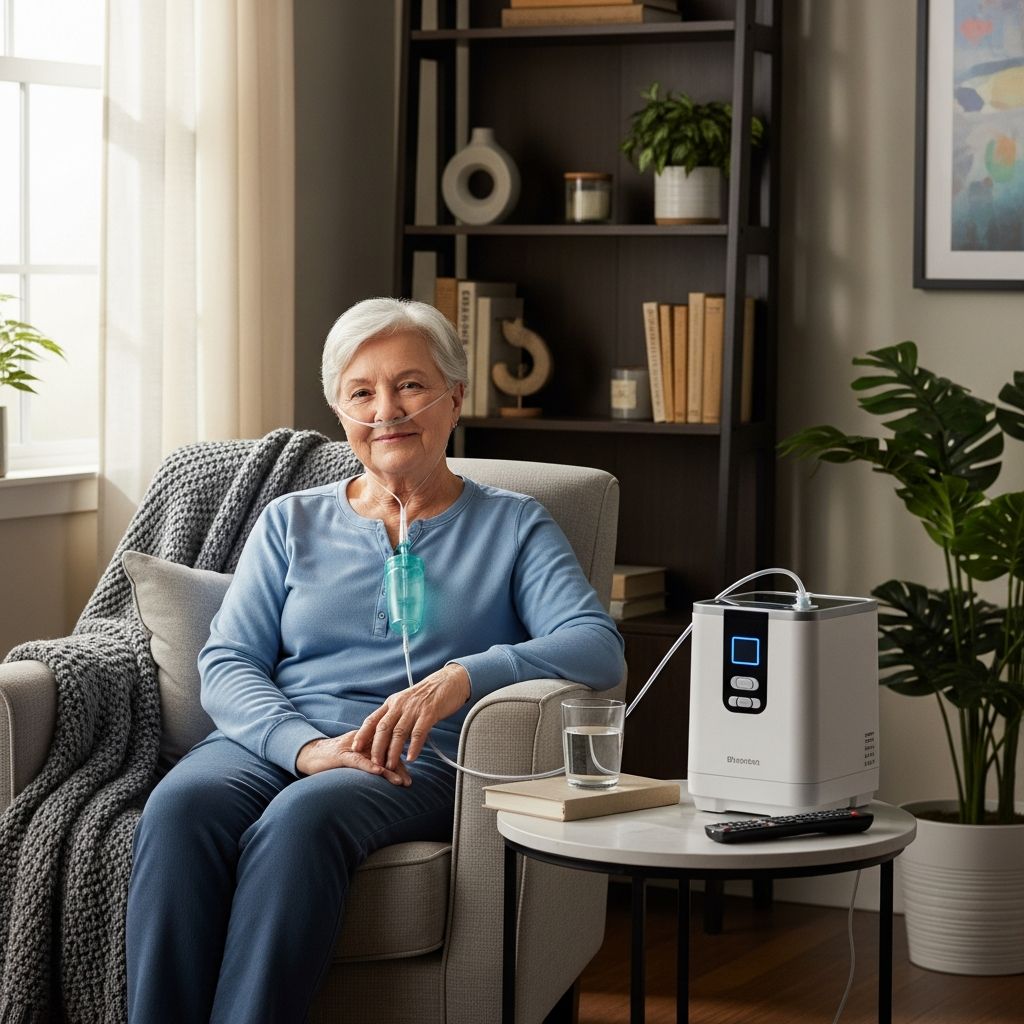
Residing at home while managing chronic respiratory challenges becomes more manageable with supplemental oxygen, a vital intervention that boosts blood oxygen levels to support organ function and daily activities. This therapy proves especially beneficial for individuals with persistent hypoxemia, enhancing survival rates and overall well-being when used correctly.
Understanding the Need for Supplemental Oxygen at Home
Low oxygen saturation, or hypoxemia, occurs when the lungs fail to adequately transfer oxygen into the bloodstream, often due to progressive lung diseases. Conditions such as chronic obstructive pulmonary disease (COPD), pulmonary fibrosis, cystic fibrosis, severe asthma, heart failure, pulmonary hypertension, and obesity-related breathing issues frequently necessitate this treatment. Unlike medications that address inflammation, oxygen directly combats the life-threatening effects of oxygen deprivation, preventing fatigue, organ strain, and cognitive decline.
Healthcare providers assess eligibility through arterial blood gas tests or pulse oximetry, confirming levels below 88% at rest or during activity. For COPD patients with severe hypoxemia, evidence shows long-term use extends life expectancy, a finding rooted in landmark trials from the 1980s that remain relevant today.
Types of Oxygen Delivery Systems for Residential Use
Modern home setups offer flexibility with stationary and portable options, each suited to different lifestyles. Stationary concentrators draw room air, filtering nitrogen to deliver up to 95% pure oxygen continuously, ideal for nighttime or sedentary periods. Portable versions, battery-powered or cylinder-based, enable outings, with liquid systems providing high flow for extended mobility.
- Compressed Gas Cylinders: Pre-filled tanks offering immediate supply, best for short-term or travel needs.
- Liquid Oxygen Reservoirs: Stored as a cryogenic liquid, evaporating to gas on demand for higher capacity.
- Oxygen Concentrators: Electric units that generate oxygen from ambient air, requiring no refills but electricity.
Delivery methods include nasal cannulas for low-flow comfort, face masks for higher concentrations, or non-rebreather masks during acute episodes. Selection depends on prescribed liter flow, typically 1-5 liters per minute, targeting 90-92% saturation to balance efficacy and safety.
Key Benefits Backed by Clinical Evidence
Beyond survival gains in hypoxemic COPD, therapy alleviates shortness of breath, boosts exercise tolerance, and improves sleep quality by stabilizing oxygen during rest. Patients report heightened energy for chores, socializing, and hobbies, reducing hospitalization frequency. For heart failure or pulmonary hypertension, it eases right-heart strain, while in cystic fibrosis, it supports lung function amid mucus buildup.
| Condition | Primary Benefit | Evidence Note |
|---|---|---|
| COPD | Improved survival, reduced dyspnea | Long-term use in severe hypoxemia |
| Pulmonary Fibrosis | Enhanced daily function | Manages exertional desaturation |
| Heart Failure | Decreased cardiac workload | Supports oxygenation in overlap syndromes |
| Cystic Fibrosis | Better sleep and activity | Counteracts chronic hypoxemia |
Portable oxygen, though less conclusively proven for non-severe cases, aids select patients during exertion, per lab studies showing endurance gains.
Essential Safety Protocols to Prevent Accidents
Oxygen accelerates combustion, posing severe fire risks—burns occur in 1 per 1,421 COPD users annually, with new users at highest vulnerability. Facial, neck, and hand injuries predominate, linked to smoking (15-25% of recipients continue), open flames, or faulty appliances. Mortality post-burn surges tenfold.
Related Stories



- Prohibit smoking or vaping within 10 feet; post ‘No Smoking – Oxygen in Use’ signs.
- Maintain 5-10 foot clearance from candles, fireplaces, stoves, or heaters.
- Secure cylinders upright, away from traffic paths; use carts for transport.
- Ensure ventilation; avoid oxygen pooling in enclosed spaces.
- Inspect tubing for kinks, replace cannulas weekly, and service equipment per manufacturer schedules.
Male gender, multimorbidity, and lower socioeconomic status heighten risks, underscoring education’s role. Providers must counsel on these before prescribing.
Managing Common Side Effects Effectively
While beneficial, therapy induces dryness in nasal passages or throat, prompting nosebleeds or irritation—humidifiers mitigate this by adding moisture. Morning headaches signal potential CO2 retention; consult providers for flow adjustments. Skin marks from cannulas resolve with repositioning and barrier creams.
Rarely, excess oxygen (>50% long-term) triggers toxicity: lung damage, slowed breathing, or vasoconstriction. Adhere strictly to prescriptions, monitoring SpO2 to avoid over-supplementation, especially in COPD where hypercapnia worsens.
- Dry Nose/Throat: Use saline sprays, humidified delivery.
- Nosebleeds: Apply petroleum jelly, pause therapy briefly if severe.
- Skin Issues: Clean daily, alternate nostril sides.
- Fatigue/Headaches: Verify settings, report persistent symptoms.
Daily Usage and Lifestyle Integration Tips
Incorporate therapy seamlessly: wear cannulas during prescribed hours (continuous for severe cases, intermittent otherwise), track usage logs, and pair with pulmonary rehab. Travel requires airline approvals for portables; suppliers handle refills via home delivery or depot exchange.
Caregivers share burdens like equipment noise or mobility limits—discuss expectations upfront. Never self-adjust flows; oxygen is a prescription drug.
Frequently Asked Questions (FAQs)
Can I use home oxygen if I occasionally smoke?
No—smoking voids safety and efficacy; cessation is mandatory.
How often should equipment be checked?
Monthly self-inspections, annual professional servicing.
Is portable oxygen effective for light activity?
Potentially for desaturating patients, but home benefits vary.
What if my nosebleeds frequently?
Add humidification; seek medical advice if unresolved.
Can I buy oxygen without prescription?
No—unprescribed use risks toxicity or death.
Long-Term Outlook and Monitoring
Regular follow-ups reassess needs via oximetry or gases, adjusting as lung function evolves. Combined with smoking cessation, vaccinations, and nutrition, therapy optimizes prognosis. Patients valuing its role report better adherence, highlighting education’s impact.
References
- New Home Oxygen Users Have Higher Risk of Burn Injuries — Respiratory Therapy. 2023. https://respiratory-therapy.com/disorders-diseases/chronic-pulmonary-disorders/copd/copd-patients-new-to-using-home-oxygen-therapy/
- What Is A Risk Of Having Home Oxygen? — DrCraigHenry.com. 2023. https://drcraighenry.com/what-is-a-risk-of-having-home-oxygen/
- Home oxygen therapy — PMC – NIH. 2022-02-28. https://pmc.ncbi.nlm.nih.gov/articles/PMC8882449/
- A Guide to Supplemental Oxygen Therapy — National Council on Aging. 2024. https://www.ncoa.org/article/supplemental-oxygen-therapy-types-uses-and-when-to-use-it/
- Home Oxygen Therapy — StatPearls – NCBI Bookshelf – NIH. 2023. https://www.ncbi.nlm.nih.gov/books/NBK532994/
- Supplemental Oxygen Therapy: Types, Benefits & Risks — Cleveland Clinic. 2023. https://my.clevelandclinic.org/health/treatments/23194-oxygen-therapy
- Home oxygen therapy — NHS. 2024. https://www.nhs.uk/tests-and-treatments/home-oxygen-treatment/
Similar Articles








Read full bio of Sneha Tete