COVID-19 Home Recovery: Essential Guide For 2025
Expert strategies for safe COVID-19 management at home, symptom relief, and family protection in 2026.

Recovering from COVID-19 at home is feasible for most individuals with mild to moderate symptoms, emphasizing rest, hydration, and symptom control while prioritizing infection prevention.
Recognizing Mild COVID-19 and When Home Care Applies
Mild COVID-19 typically involves symptoms like fever, cough, sore throat, fatigue, headache, or muscle aches without shortness of breath or chest imaging abnormalities. Moderate cases may show lower respiratory involvement but maintain oxygen saturation above 94% on room air. Home management suits those without severe indicators, allowing recovery through supportive measures rather than hospitalization.
High-risk groups—those over 65, infants under 6 months, or with chronic conditions like blood disorders—may qualify for preventive antivirals to avert progression, prescribed by healthcare providers. Always consult professionals for personalized assessment, especially if symptoms worsen.
Essential Symptom Relief Strategies
Over-the-counter medications form the backbone of home treatment. Fever reducers and pain relievers such as acetaminophen or ibuprofen alleviate discomfort. Cough suppressants or syrups ease respiratory irritation. Stay hydrated with water, herbal teas, or electrolyte solutions to combat dehydration from fever or reduced intake.
- Rest adequately: Prioritize sleep and limit physical exertion to support immune recovery.
- Nutrition focus: Consume balanced meals rich in fruits, vegetables, and proteins to bolster strength.
- Mental wellness: Engage in relaxation techniques, hobbies, or virtual social connections to manage isolation stress.
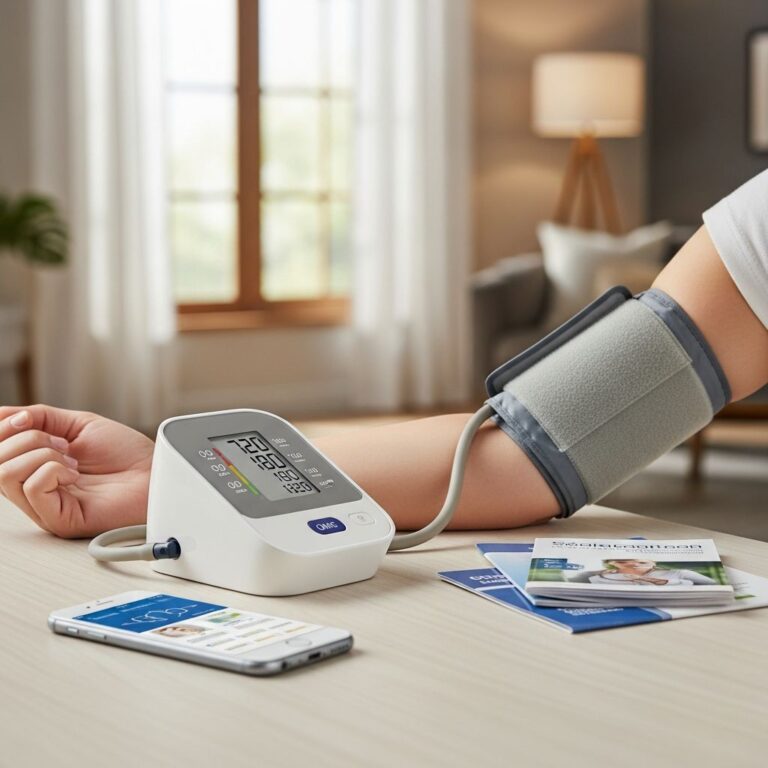
Track symptoms daily using a simple log: note temperature, oxygen levels if available (aim for >94%), and any new developments. This aids in timely intervention.
Isolation Protocols for Household Safety
Current guidelines recommend staying home and isolating from uninfected household members until symptoms improve and fever-free for 24 hours without medication. For those with weakened immunity, extend isolation as advised by providers. Post-isolation, mask for 5 additional days and maintain precautions.
| Isolation Phase | Duration | Key Actions |
|---|---|---|
| Active Symptoms | Until 24h fever-free | Separate room/bathroom, mask if interacting |
| Post-Isolation | Days 1-5 | Mask indoors, distance, hand hygiene |
| Full Release | After day 5 if asymptomatic | Resume normal activities cautiously |
Healthcare settings like nursing homes follow stricter 10-20 day resident isolation and 7-10 day staff restrictions per CDC standards. Adapt these for home use.
Safeguarding Caregivers and Family Members
Caregivers, especially high-risk individuals, should minimize exposure. Designate a separate space for the patient, improve ventilation by opening windows, and use high-quality masks during interactions. Avoid sharing items; provide dedicated towels, utensils, and bedding.
- Wash hands for 20+ seconds after contact with patient items.
- Clean high-touch surfaces daily with disinfectants.
- Limit visitors; opt for remote support.
- Vaccination status: Ensure up-to-date shots for best protection.
If caregiving burdens your health, enlist alternates or professional home visits.
Daily Hygiene and Environmental Controls
Prevent transmission through rigorous hygiene. Frequent handwashing, covering coughs/sneezes into elbows or tissues (dispose immediately), and surface disinfection curb spread. Enhance airflow via fans or open windows, particularly in shared spaces.
For pets, maintain care without direct contact if possible, or wear PPE during handling.
Monitoring for Worsening Conditions
Vigilance prevents complications. Seek emergency care for:
- Difficulty breathing or chest pain.
- Confusion or inability to stay awake.
- Pale/gray/blue lips, nails, or skin.
- High fever persisting >3 days or oxygen <94%.
Contact providers promptly for symptom escalation. High-risk patients may need antivirals like Paxlovid if initiated early.
Related Stories



Special Considerations for Vulnerable Populations
Older adults and immunocompromised individuals require tailored plans. Prolonged isolation may apply; consult occupational health for work return. Infants and young children need close symptom monitoring, with caregivers tracking feeding and activity.
WHO’s living guidelines stress holistic management across illness phases, integrating latest evidence for optimal outcomes.
Post-Recovery Steps and Long-Term Wellness
After clearance, ease back into routines. Continue masking in crowds, hand hygiene, and ventilation in public. Monitor for long COVID symptoms like persistent fatigue; seek rehab if needed.
Stay informed via CDC/WHO updates, as variants evolve. Annual boosters enhance resilience.
Frequently Asked Questions (FAQs)
Can I return to work after testing positive but feeling better?
Yes, after 24 hours fever-free without meds and symptoms improving; mask for 5 days post.
What if I live alone with COVID-19?
Isolate fully, order deliveries contactless, connect virtually, and monitor closely.
Are over-the-counter meds safe for everyone?
Check with doctors for contraindications, especially with chronic meds.
How long does isolation last for healthcare workers?
Follow facility protocols; generally symptom-based now, but CDC retains longer for some settings.
Should I test to end isolation?
No longer required; base on symptoms.
References
- CMS Reinforces CDC COVID Guidelines — LeadingAge. 2023. https://leadingage.org/cms-reinforces-cdc-covid-guidelines/
- Treating COVID-19 at home: Care tips for you and others — Mayo Clinic. 2024-04-05. https://www.mayoclinic.org/diseases-conditions/coronavirus/in-depth/treating-covid-19-at-home/art-20483273
- What Are the Current COVID-19 Guidelines? — Cleveland Clinic. N/A. https://health.clevelandclinic.org/covid-guidelines
- Interim Guidance for Managing Healthcare Personnel with SARS… — CDC. N/A. https://www.cdc.gov/covid/hcp/infection-control/guidance-risk-assesment-hcp.html
- Clinical management of COVID-19: living guideline, June 2025 — WHO. 2025-06. https://www.who.int/publications/i/item/B09467
- COVID-19 Updates: What to Know for 2025-2026 — SHC Cares. N/A. https://shccares.com/blog/healthcare-news-trends/covid-19-updates-what-to-know-for-2025-2026/
- Types of COVID-19 Treatment — CDC. N/A. https://www.cdc.gov/covid/treatment/index.html
Similar Articles








Read full bio of medha deb