Home Remedies For Blocked Tear Ducts: 3 Gentle, Safe Methods
Discover effective at-home strategies to relieve blocked tear duct symptoms and promote natural drainage in eyes for adults and infants.

A blocked tear duct, also known as nasolacrimal duct obstruction, disrupts the normal flow of tears from the eye into the nose, leading to excessive tearing, irritation, and potential infections. This condition affects both newborns, where it occurs in up to 20% of cases due to underdeveloped ducts, and adults from factors like aging or injury. While professional treatment may be necessary in persistent cases, many individuals find relief through simple home care methods that encourage drainage and reduce inflammation.
Understanding the Tear Drainage System
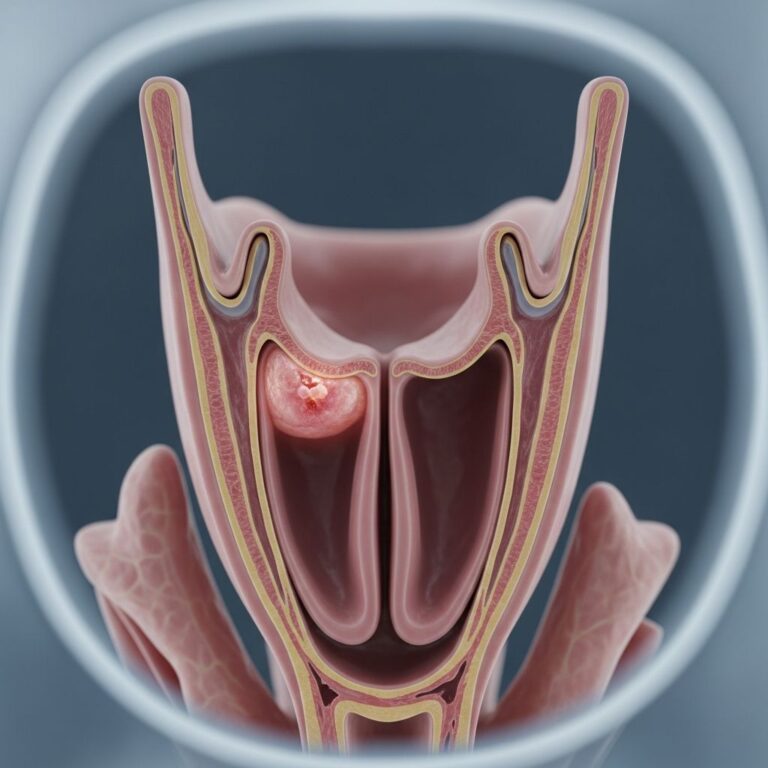
Tears are produced by the lacrimal glands to lubricate and protect the eye surface. They drain through tiny openings called puncta near the inner corner of the eyelids, travel via canaliculi to the lacrimal sac, and then down the nasolacrimal duct into the nose. Blockages can occur anywhere along this pathway, causing tears to pool and overflow.
In infants, the issue often stems from a membrane covering the duct’s end that fails to open at birth. Symptoms typically appear within the first few weeks, including constant tearing even without crying. Adults may experience narrowing of the puncta with age, infections, or trauma-induced scarring.
Recognizing Symptoms of a Blocked Tear Duct
Early identification allows for timely home intervention. Common signs include:
- Excessive watering or tears spilling over the eyelids onto the cheeks.
- Redness or irritation around the eye, particularly the white sclera.
- Crusty buildup on eyelashes, especially upon waking.
- Mucus, pus, or sticky discharge from the eye.
- Blurred vision from tear overflow.
- Painful swelling near the nasal corner of the eye in severe cases.
In babies, watch for green or yellow discharge, light sensitivity, or swollen eyelids indicating infection. Adults might notice recurrent pink eye or persistent discomfort.
Primary Causes Across Age Groups
| Age Group | Common Causes | Risk Factors |
|---|---|---|
| Infants | Immature nasolacrimal duct with persistent membrane | Present at birth; resolves spontaneously in 90% by age 1 |
| Adults | Age-related narrowing, infection, injury, tumors | Glaucoma meds, cancer treatments, sinus issues |
These blockages create stagnant tears, fostering bacterial growth and complications like dacryocystitis, an infection of the lacrimal sac.
Essential Home Treatment Strategies
Home remedies focus on clearing the blockage, maintaining hygiene, and preventing infections. Always wash hands thoroughly before touching the eye area.
Warm Compresses for Relief
Applying a warm, moist cloth promotes blood flow and softens crusts. Soak a clean washcloth in warm (not hot) water, wring it out, and place over the closed eye for 5-10 minutes, 3-4 times daily. This loosens debris and may help dilate the duct.
Gentle Massage Techniques
Massage is particularly effective for infants but can benefit adults too. For babies, use your pinky finger to stroke from the inner eye corner downward along the nose bridge 5-10 times per session, several times a day. This pressure may rupture the blocking membrane.
For adults, press gently on the lacrimal sac (side of nose near eye) and slide toward the nostril. Combine with compresses for best results. Avoid excessive force to prevent injury.
Related Stories



Hygiene and Cleaning Protocols
Clean the eyelids with boiled, cooled water using a cotton ball, wiping from inner to outer corner. Discard each swab after one use. Saline solution (1/2 tsp salt in 1 cup boiled water) mimics tears and safely removes discharge.
- Do this after waking and before bed.
- Avoid over-the-counter eye drops unless prescribed.
Preventing Infections and Complications
Stagnant tears breed bacteria, leading to conjunctivitis or abscesses. Prompt hygiene reduces this risk. If pus or fever appears, consult a doctor immediately, as oral antibiotics may be needed.
For chronic cases, track symptoms in a journal: note frequency of tearing, discharge color, and remedy effectiveness to inform medical visits.
When Home Remedies Aren’t Enough
Most infant cases resolve by 12 months, but probing or surgery may be required if persistent. Adults with tumors, severe trauma, or medication side effects need specialist evaluation. Seek urgent care for vision changes, intense pain, or spreading redness.
FAQs on Blocked Tear Duct Management
Can blocked tear ducts resolve without treatment?
Yes, especially in newborns—over 90% clear naturally within the first year through natural membrane opening.
Is massage safe for all ages?
Gentle massage is recommended for infants and adults, but stop if pain increases and consult a professional.
What if my child has green discharge?
This signals infection; see a pediatrician promptly for antibiotics.
Do eye drops help at home?
Avoid unprescribed drops, as they may worsen blockage. Use saline for cleaning only.
How long before seeing a doctor?
If no improvement after 2 weeks of home care, or worsening symptoms, get evaluated.
Lifestyle Tips for Long-Term Eye Health
Stay hydrated, avoid eye rubbing, and manage allergies to minimize irritation. For those on glaucoma meds, discuss alternatives with your ophthalmologist.
Regular handwashing and not sharing towels prevent spread. In dry environments, use a humidifier to keep tears balanced.
References
- Blocked tear duct – Symptoms & causes — Mayo Clinic. 2023-10-12. https://www.mayoclinic.org/diseases-conditions/blocked-tear-duct/symptoms-causes/syc-20351369
- Blocked tear duct – symptoms and treatment — Healthdirect (Australian Government). 2024-05-15. https://www.healthdirect.gov.au/blocked-tear-duct
- Blocked tear duct — MedlinePlus (U.S. National Library of Medicine). 2023-11-08. https://medlineplus.gov/ency/article/001016.htm
- Blocked Tear Duct: Causes, Symptoms, Treatment & Prevention — Cleveland Clinic. 2024-02-20. https://my.clevelandclinic.org/health/diseases/17260-blocked-tear-duct-nasolacrimal-duct-obstruction
- Tear-Duct Blockage — KidsHealth (Nemours). 2023-09-01. https://kidshealth.org/en/parents/tear-duct-blockage.html
- Nasolacrimal Duct Obstruction — Brigham and Women’s Faulkner Hospital. 2022-07-14. https://www.brighamandwomensfaulkner.org/programs-and-services/otolaryngology/nose-conditions/nasolacrimal-duct-obstruction
Similar Articles








Read full bio of Sneha Tete