Home Remedies for Allergies: What Actually Works
Discover effective natural and home remedies to relieve allergy symptoms and improve your quality of life.
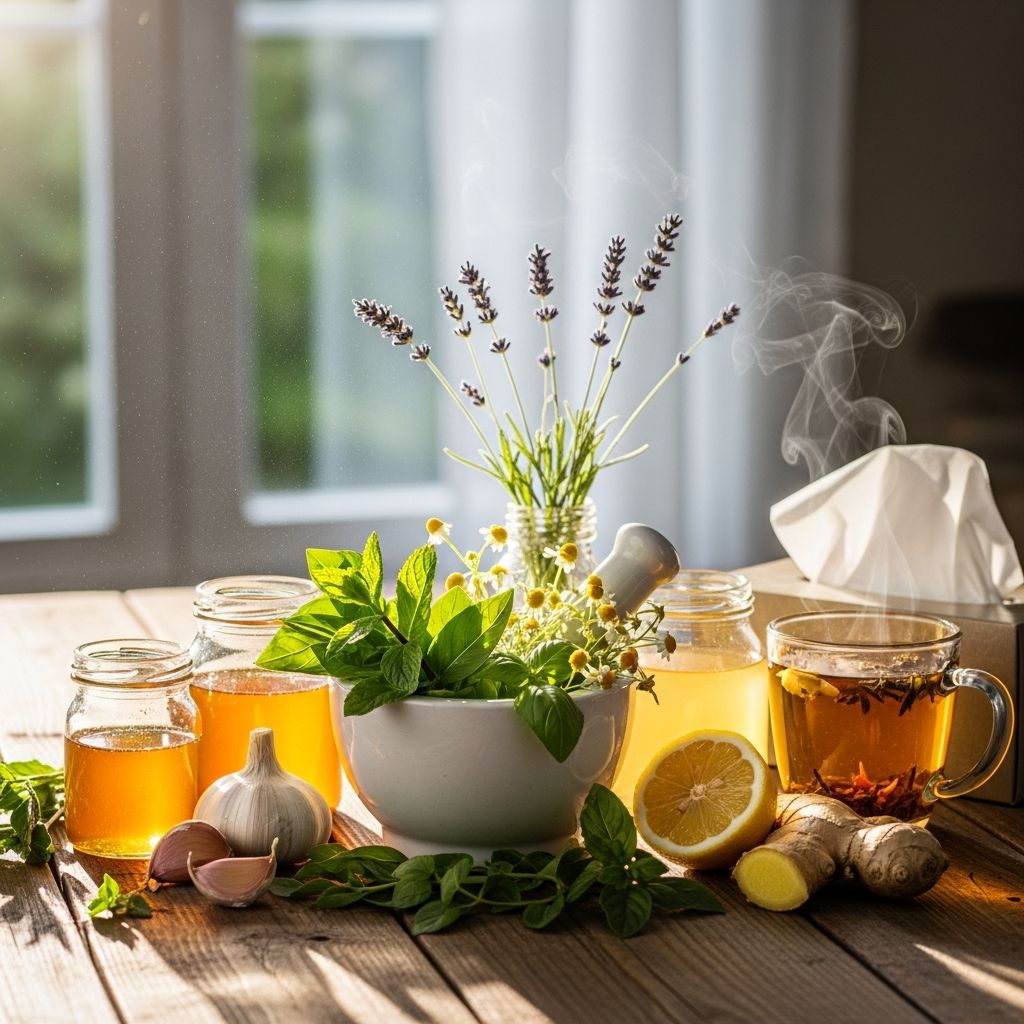
Allergies affect millions of people worldwide, causing sneezing, congestion, itchy eyes, and a host of uncomfortable symptoms that can significantly impact daily life. While prescription medications and over-the-counter antihistamines are popular solutions, many people prefer to explore natural and home-based remedies first. The good news is that several home remedies have scientific backing and can provide meaningful relief from allergy symptoms. Understanding which remedies work and how to use them effectively can help you manage allergies more naturally and potentially reduce your reliance on pharmaceutical interventions.
Understanding Allergies and Your Treatment Options
An allergy occurs when your immune system overreacts to a substance that is typically harmless to most people. These allergens can include pollen, dust mites, pet dander, mold, and certain foods. Your body releases histamine and other chemicals in response, causing inflammation and the symptoms you experience. While allergies are not life-threatening in most cases, they can significantly reduce quality of life and productivity.
When considering treatment options, it’s important to recognize that home remedies work differently than medications. Some provide symptomatic relief, while others may help reduce the overall allergic response over time. Many people find that combining multiple approaches yields the best results. Before starting any new remedy, especially if you’re taking other medications or have underlying health conditions, consult with your healthcare provider.
Saline Nasal Rinses and Irrigation
One of the most well-documented and effective home remedies for allergies is the saline nasal rinse. This simple technique involves using salt water to flush out allergens, mucus, and inflammatory substances from your nasal passages. Saline rinses have been extensively studied and are recommended by allergists and ear, nose, and throat specialists worldwide.
How to use saline rinses:
- Purchase a saline solution from a pharmacy or make one at home by dissolving one-half teaspoon of salt in eight ounces of distilled water
- Use a neti pot, nasal spray bottle, or saline rinse kit to deliver the solution
- Perform rinses once or twice daily, or as needed when symptoms flare
- Always use distilled, sterile, or boiled water to avoid introducing bacteria
Research has shown that saline nasal irrigation can significantly reduce nasal congestion, improve airflow, and decrease overall allergy symptoms. Many people report feeling relief within minutes of using a saline rinse, and regular use throughout allergy season can help prevent symptoms from becoming severe.
Honey for Allergy Relief
Local honey has become increasingly popular as a natural allergy remedy, and there is some scientific evidence supporting its use. The theory behind honey for allergies is that consuming local honey may help your body build tolerance to local pollen through a process similar to immunotherapy.
Using honey for allergies:
- Choose raw, local honey from beekeepers in your area
- Consume one to two teaspoons daily during allergy season
- Start taking honey several weeks before your typical allergy season begins
- Mix honey into tea, yogurt, or eat it plain
While some studies show promising results, the evidence is mixed. Some research suggests the benefit may be minimal, while other studies indicate meaningful symptom reduction. The mechanism likely involves exposure to trace amounts of local pollen, which may desensitize your immune system over time. Even if the anti-allergy effects are modest, honey offers other health benefits and is generally safe for most people over age one.
Related Stories



Quercetin-Rich Foods and Natural Antihistamines
Quercetin is a natural compound found in many fruits and vegetables that acts as an antihistamine and anti-inflammatory. By consuming foods rich in quercetin, you may be able to naturally reduce histamine release and calm your immune system’s allergic response.
Foods high in quercetin include:
- Apples
- Berries (blueberries, blackberries, strawberries)
- Onions and garlic
- Green tea
- Leafy greens like kale and spinach
- Citrus fruits
- Tomatoes
- Broccoli
Incorporating more of these foods into your diet throughout the year, not just during allergy season, can help build your body’s natural defenses against allergic reactions. The anti-inflammatory properties of these foods may also help reduce secondary symptoms like inflammation in the sinuses and throat.
Ginger and Turmeric for Inflammation
Both ginger and turmeric are powerful anti-inflammatory spices that have been used in traditional medicine for centuries. Modern research confirms that these spices contain compounds that can reduce inflammation and may help alleviate allergy symptoms.
How to incorporate ginger and turmeric:
- Add fresh ginger to tea, smoothies, or cooked dishes
- Use turmeric in curries, soups, and roasted vegetables
- Make golden milk by combining turmeric with warm milk and honey
- Consider ginger or turmeric supplements, following package directions
The active compounds in these spices, particularly curcumin in turmeric and gingerol in ginger, work to reduce the inflammatory response that characterizes allergic reactions. Regular consumption may help decrease overall inflammation in your body and reduce the severity and frequency of allergy symptoms. Additionally, these spices can improve digestion and offer other general health benefits.
Environmental Control and Allergen Avoidance
While not a treatment in the traditional sense, controlling your environment and minimizing allergen exposure is one of the most effective strategies for managing allergies at home. This preventive approach can significantly reduce symptom severity and the need for other interventions.
Key environmental control strategies:
- Use HEPA filters in your vacuum cleaner and air purifier
- Wash bedding weekly in hot water to eliminate dust mites
- Keep windows closed during high pollen seasons
- Remove shoes when entering your home to avoid tracking in outdoor allergens
- Dry laundry indoors rather than on an outdoor line during pollen season
- Use air conditioning with clean filters to control indoor air quality
- Regularly clean surfaces with damp cloths to capture dust rather than spread it
- Keep pets out of the bedroom if you’re allergic to pet dander
Creating a clean, allergen-reduced environment is particularly important in your bedroom, where you spend a significant portion of your time. Even if you can’t completely eliminate allergen exposure, reducing it substantially can make a notable difference in how you feel and how severe your symptoms become.
Steam Inhalation and Moisture
Steam inhalation is a simple, drug-free method for relieving nasal congestion and sinus pressure associated with allergies. The warm, moist air helps loosen mucus, reduces inflammation, and can provide immediate comfort.
Methods for steam inhalation:
- Breathe in steam from a bowl of hot water, covering your head with a towel
- Take a hot shower and breathe deeply
- Use a humidifier in your bedroom to maintain moisture in the air
- Add essential oils like eucalyptus to enhance the decongestant effect
Humidity is particularly helpful during allergy season, as it can help prevent nasal passages from becoming too dry and irritated. However, be careful not to make your environment too humid, as excessive moisture can promote mold growth, which itself can trigger allergies.
Acupuncture and Traditional Medicine Approaches
Acupuncture, an ancient Chinese medicine practice, has gained attention as a potential remedy for allergies. Some research suggests that acupuncture may help regulate immune function and reduce allergic inflammation. If you’re interested in this approach, seek treatment from a licensed acupuncturist with experience treating allergies.
Traditional herbal remedies from various cultures, including butterbur and nettles, have also been studied for allergy relief. Some preliminary research suggests these may have anti-inflammatory and antihistamine properties, though more research is needed to confirm their effectiveness and determine safe dosing.
Lifestyle Modifications for Long-Term Allergy Management
Beyond specific remedies, several lifestyle changes can help reduce allergy symptoms and improve your overall health and resilience:
- Exercise regularly: Physical activity can boost immune function and reduce stress-related exacerbation of symptoms
- Manage stress: Stress can worsen allergic responses, so practices like meditation, yoga, and deep breathing are beneficial
- Get adequate sleep: Quality sleep is essential for immune function and healing
- Stay hydrated: Drinking plenty of water helps thin mucus and supports overall health
- Avoid irritants: Minimize exposure to smoke, strong perfumes, and chemical cleaners that can trigger symptoms
- Eat a balanced diet: A nutrient-rich diet supports immune health and reduces inflammation
When to Seek Professional Medical Help
While home remedies can be effective, there are situations where professional medical evaluation is necessary. Consult with your healthcare provider if:
- Symptoms are severe or worsening despite home remedies
- You develop signs of infection, such as fever or yellow nasal discharge
- Allergies are interfering significantly with work, school, or daily activities
- You have underlying health conditions that might complicate allergy management
- You’re taking medications that might interact with remedies
Your doctor can perform allergy testing to identify specific triggers, recommend prescription medications if needed, and discuss immunotherapy options like allergy shots or sublingual tablets that can provide long-term relief.
Frequently Asked Questions About Home Allergy Remedies
Q: How long does it take for home remedies to work?
A: The timeline varies depending on the remedy. Saline rinses and steam inhalation can provide immediate relief, while dietary changes and honey may take several weeks to show noticeable effects. Consistency is key—regular use throughout allergy season typically yields better results than sporadic use.
Q: Can I combine multiple home remedies?
A: Yes, combining multiple approaches often works better than any single remedy alone. For example, you might use saline rinses, consume quercetin-rich foods, take local honey, and control your environment simultaneously for comprehensive symptom management.
Q: Are home remedies safe for children?
A: Many home remedies are safe for children, but age-appropriate adjustments are necessary. Saline rinses are safe for all ages, while honey should not be given to infants under one year due to botulism risk. Always consult your pediatrician before giving children supplements or herbs.
Q: Can home remedies replace allergy medications?
A: For mild allergies, home remedies may be sufficient. However, for moderate to severe allergies, home remedies work best as a complement to, rather than replacement for, prescribed medications. Never stop taking prescribed allergy medications without consulting your doctor.
Q: Which home remedy is most effective?
A: Saline nasal rinses have the strongest scientific evidence and provide the most consistent results for most people. However, effectiveness varies individually, so you may need to try several remedies to find what works best for you.
Conclusion
Managing allergies doesn’t always require prescription medications or expensive treatments. Many home remedies have scientific backing and can provide significant relief from allergy symptoms. Saline nasal rinses, local honey, quercetin-rich foods, anti-inflammatory spices, and environmental controls all offer evidence-based approaches to natural allergy management. By combining these remedies with lifestyle modifications and consulting with healthcare providers when needed, you can develop a comprehensive allergy management plan that helps you enjoy better health and quality of life year-round.
References
- Nasal Saline Irrigations for the Symptoms of Chronic Rhinosinusitis — National Center for Biotechnology Information (NCBI). 2019. https://pubmed.ncbi.nlm.nih.gov/31149335/
- Mechanisms and Therapeutic Role of Quercetin in Cardiovascular Disease — National Institutes of Health (NIH). 2018. https://www.ncbi.nlm.nih.gov/pmc/articles/PMC6213370/
- The Anti-Inflammatory Effects of Curcumin: A Systematic Review and Meta-Analysis of Randomized Controlled Trials — PubMed Central (PMC). 2019. https://www.ncbi.nlm.nih.gov/pmc/articles/PMC6520976/
- Allergic Rhinitis Diagnosis and Management — American Academy of Allergy, Asthma & Immunology (AAAAI). 2024. https://www.aaaai.org/conditions-and-treatments/allergic-rhinitis
- Local Honey for Allergic Rhinitis: Myth or Fact? — International Forum of Allergy & Rhinology (IFAR). 2021. https://pubmed.ncbi.nlm.nih.gov/33454819/
- Ginger and Its Constituent Gingerols as a Therapeutic Agent for Inflammatory Conditions — National Institutes of Health (NIH). 2022. https://www.ncbi.nlm.nih.gov/pmc/articles/PMC9074435/
Similar Articles








Read full bio of medha deb