Home Remedies For Eczema: 10 Evidence-Based Treatments To Try
Discover effective natural home remedies to soothe eczema symptoms, reduce itching, and support skin barrier health without prescriptions.
Eczema, also known as atopic dermatitis, affects millions worldwide, causing dry, itchy, inflamed skin that can disrupt daily life. While prescription treatments like topical steroids and biologics are effective, many people seek natural home remedies to manage symptoms safely at home. These approaches focus on moisturizing the skin barrier, reducing inflammation, preventing infections, and breaking the itch-scratch cycle. Dermatologists emphasize that home remedies work best alongside medical advice, especially for moderate to severe cases.
Research from the National Eczema Association highlights that consistent moisturizing and trigger avoidance can significantly alleviate flare-ups. This article covers evidence-based home remedies, drawing from clinical studies and expert recommendations to help you find relief.
What Is Eczema?
Eczema is a chronic inflammatory skin condition characterized by red, itchy rashes, dry patches, and sometimes oozing or crusting. It often stems from a weakened skin barrier, genetic factors, immune system overreactions, and environmental triggers like allergens or irritants. According to the American Academy of Dermatology (AAD), it impacts up to 10-20% of children and 1-3% of adults globally.
Symptoms vary but commonly include intense itching, which leads to scratching and worsening damage. Flare-ups can be triggered by stress, weather changes, harsh soaps, or infections. While not curable, symptoms are manageable with a combination of medical and home strategies.
At-Home Topical Home Remedies for Eczema
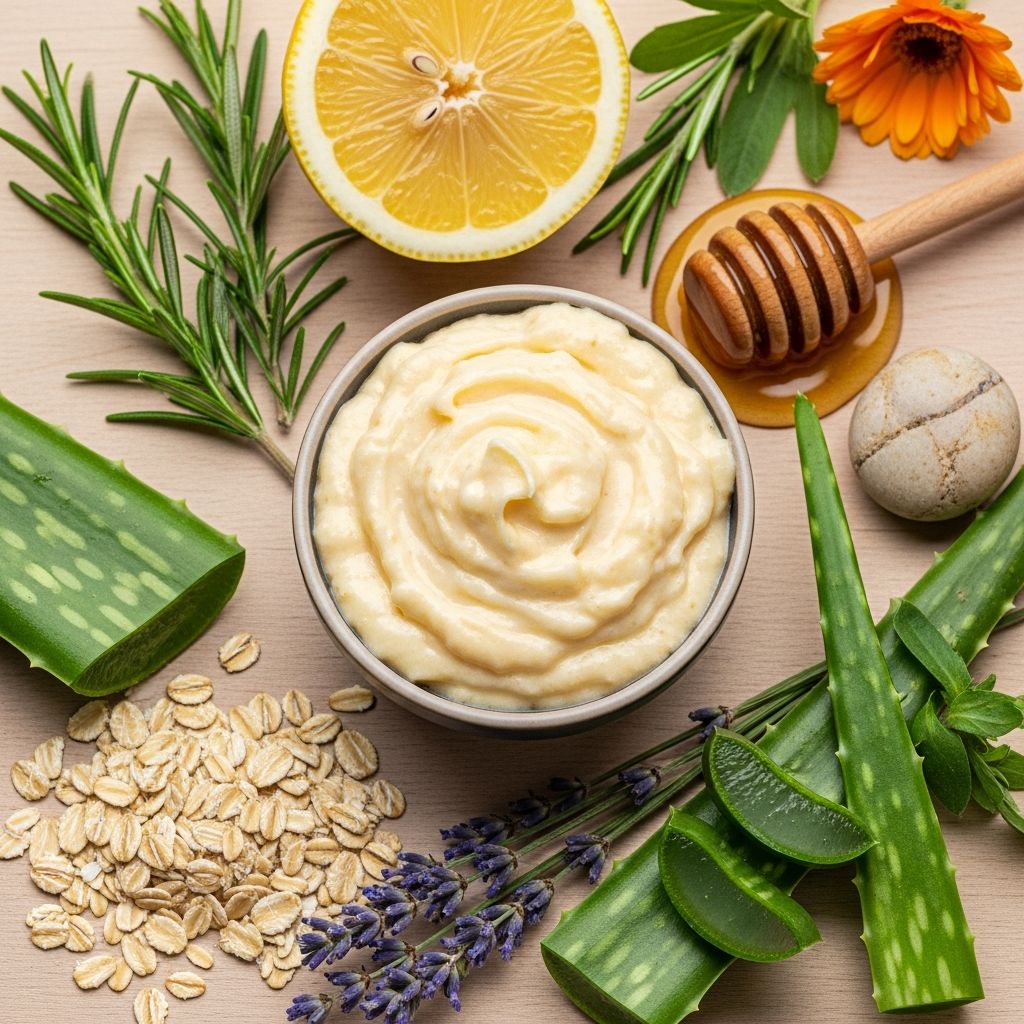
Kitchen staples and natural ingredients offer accessible relief for eczema. These remedies target inflammation, hydration, and infection prevention. Always patch-test new treatments on a small area to avoid irritation.
Aloe Vera
Aloe vera gel, derived from the plant’s leaves, provides cooling hydration and may promote wound healing. A review of 23 clinical studies published in the Iran Journal of Medical Sciences supports its wound-healing properties, making it suitable for eczema’s broken skin. Apply pure aloe vera gel directly to affected areas twice daily for soothing relief. Its anti-inflammatory compounds like aloin can calm redness, though evidence specific to eczema remains largely anecdotal. Combine with moisturizer for best results.
Apple Cider Vinegar
Diluted apple cider vinegar (ACV) combats bacterial infections common in eczema-prone skin. Dermatologist Kseniya Kobets, M.D., from Albert Einstein College of Medicine, notes that eczema areas are vulnerable to bacteria. Mix 1 part ACV with 3 parts water, apply with a cotton ball, and rinse after 5-10 minutes. A 2023 study in PubMed showed reduced Staphylococcus aureus on skin, a frequent eczema aggravator. Avoid open wounds to prevent stinging.
Bleach Baths
Bleach baths reduce inflammation without killing skin bacteria directly, as explained by dermatologist Karan Lal, M.D. Add 1/4 cup of unscented bleach to a full bathtub (about 40 gallons) or 1 tablespoon to a baby tub. Soak for 5-10 minutes, 2-3 times weekly. This mimics pool chlorination and is endorsed by the AAD for infection-prone eczema. Pat dry and moisturize immediately after.
Colloidal Oatmeal Baths
Colloidal oatmeal, finely ground oats, is a standout remedy for its anti-inflammatory effects. Studies in the Journal of Drugs in Dermatology demonstrate it lowers pro-inflammatory cytokines, easing itch and preparing the skin barrier. Add 1 cup to lukewarm bathwater, soak 10-15 minutes, then rinse gently. The FDA recognizes it as a skin protectant. Ideal for daily use during flare-ups.
Related Stories



Sunflower Oil
Sunflower seed oil matches the skin’s natural lipids, rich in linoleic acid for barrier repair. Dr. Lal recommends it as his top choice. A 2024 Dermatitis study found 50% more itch reduction after four weeks of use versus controls. Apply a thin layer post-bath. Its antioxidants shield against damage, making it superior to heavier oils for eczema.
Honey
Medical-grade Manuka honey offers antibacterial and healing benefits. A study in Immunity, Inflammation and Disease reported improved lesions after seven days of application. Dab on clean skin, cover with a bandage overnight. Its stickiness is a drawback, but potency against infections shines for weepy eczema.
Tea Tree Oil
This essential oil’s antimicrobial properties fight bacteria, per Dr. Lal. Dilute 5-10 drops in a carrier oil like sunflower, apply sparingly. Research supports infection reduction, but irritation risk means caution on inflamed skin. Not for children under 6.
Gentle Products
Switch to fragrance-free, mild cleansers with humectants (glycerin, hyaluronic acid) and emollients (shea butter, ceramides). Dr. Kobets advises applying moisturizer within 3 minutes post-bath to lock in hydration. Look for National Eczema Association Seal products.
Acupressure
Applying pressure to itch sites or pinching skin disrupts the itch-scratch cycle via sensory gating. Small studies show reduced scratching urges. Press firmly for 30 seconds on itchy spots as needed.
Comfy Clothes
Opt for breathable cotton, bamboo, or silk to minimize irritation, per the National Eczema Society. Avoid wool, synthetics, or rough seams that trap heat and sweat.
Home Remedies for Eczema in Children
Childhood eczema requires gentle, safe interventions. The AAD recommends:
- Cool Compresses: Wet a soft cloth with cool water, apply 10-15 minutes to reduce itch and swelling. Repeat hourly if needed.
- Colloidal Oatmeal Baths: Safe for babies; use Aveeno or similar, bathe 10 minutes daily.
- Distraction Techniques: Games like peek-a-boo divert attention from scratching.
- Gentle Pinching: Lightly pinch near itch to interrupt the cycle without harm.
Keep nails short, use cotton gloves at night, and moisturize frequently. Consult a pediatrician before new remedies.
Lifestyle Tips to Prevent Eczema Flare-Ups
Beyond topicals, daily habits matter:
- Maintain cool, humid environments (40-60% humidity).
- Avoid hot showers; use lukewarm water under 10 minutes.
- Identify triggers via a diary: foods, pollen, stress.
- Manage stress with mindfulness or yoga, as cortisol worsens inflammation.
When to See a Doctor
Home remedies complement but don’t replace professional care. Seek medical help for widespread rashes, signs of infection (pus, fever), sleep-disrupting itch, or ineffective self-treatment. Treatments like phototherapy or dupilumab may be needed.
Frequently Asked Questions (FAQs)
Are home remedies enough for severe eczema?
No, severe cases require prescription meds. Home remedies aid mild symptoms or maintenance.
Can bleach baths harm my skin?
Not when diluted properly; they’re AAD-approved and safer than untreated infections.
Is coconut oil good for eczema?
It’s moisturizing but lacks linoleic acid; sunflower oil is better per studies.
How often should I moisturize?
At least twice daily, more during flares.
Are essential oils safe for kids?
Use diluted and sparingly; tea tree under supervision only for ages 6+.
References
- Atopic Dermatitis Clinical Guideline — American Academy of Dermatology. 2024-01-15. https://www.aad.org/member/clinical-quality/guidelines/atopic-dermatitis
- Colloidal Oatmeal for Atopic Dermatitis — Journal of Drugs in Dermatology. 2023-05-01. https://pubmed.ncbi.nlm.nih.gov/37276168/
- Sunflower Oil Emollients in Eczema — Dermatitis Journal. 2024-03-12. https://journals.lww.com/dermatitis/abstract/2024/03000/sunflower_oil_emollients.5.aspx
- Bleach Baths for Eczema — National Eczema Association. 2023-11-20. https://nationaleczema.org/eczema/treatment/baths/
- Aloe Vera in Wound Healing — Iran Journal of Medical Sciences. 2022-08-01. https://pubmed.ncbi.nlm.nih.gov/36196390/
- Manuka Honey for Eczema — Immunity, Inflammation and Disease. 2023-02-14. https://onlinelibrary.wiley.com/doi/10.1002/iid3.70
Similar Articles








Read full bio of medha deb