Home Remedies For Low Back Pain: 7 Evidence-Based Strategies
Effective home remedies and self-care strategies to relieve low back pain naturally.
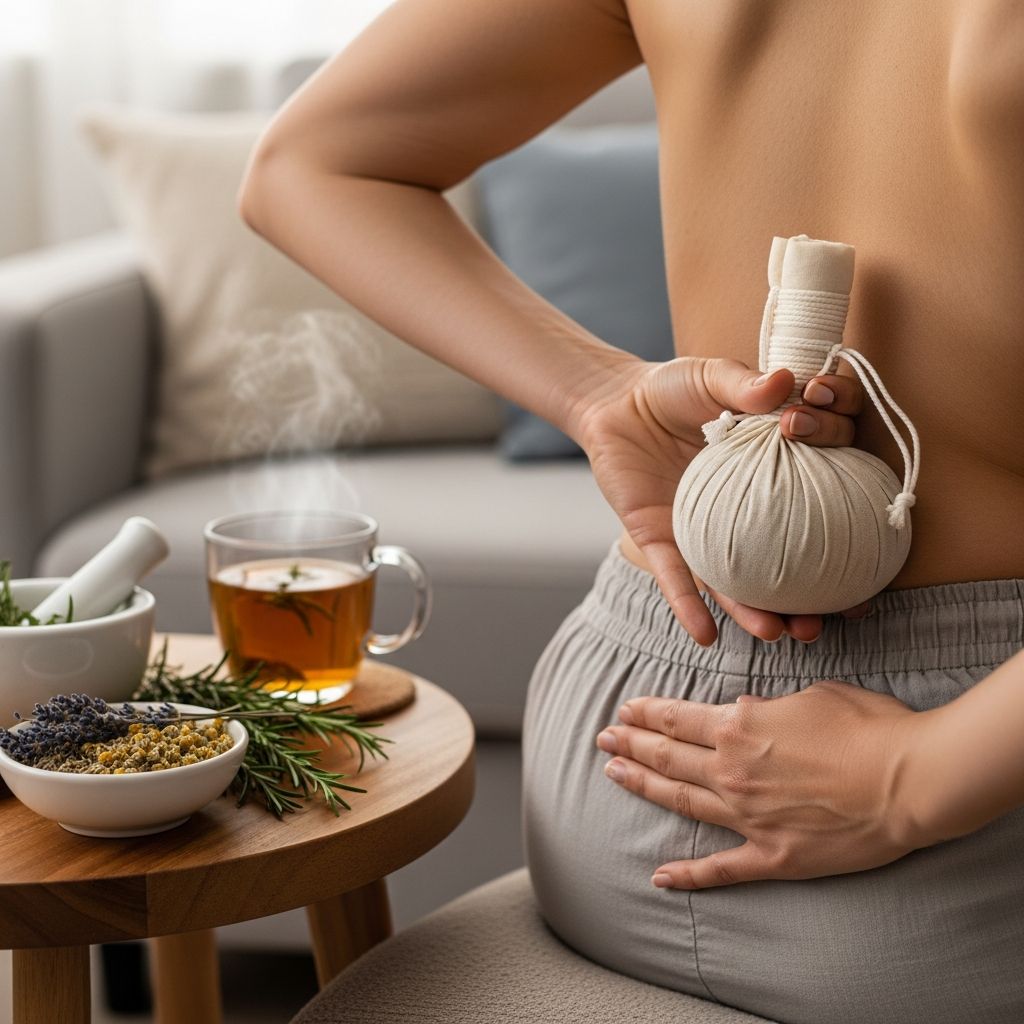
Low back pain is one of the most common health complaints, affecting millions of people worldwide. While severe cases may require professional medical intervention, many individuals find relief through home remedies and self-care strategies. This comprehensive guide explores practical, evidence-based approaches to managing low back pain from the comfort of your home.
Understanding Low Back Pain
Low back pain can result from various causes, including muscle strain, poor posture, sedentary lifestyle, or underlying medical conditions. The good news is that many cases of acute or chronic low back pain can be effectively managed with appropriate home care strategies. Before beginning any treatment regimen, it’s important to consult with your healthcare provider to rule out serious underlying conditions.
Rest and Activity Modification
One of the first steps in managing low back pain is allowing your body adequate rest. However, complete bed rest is generally not recommended, as prolonged inactivity can weaken muscles and prolong recovery. Instead, focus on activity modification—continue moving but at a reduced intensity and duration.
If your pain flares up after extensive activity, take a break and rest for a few hours. Light activity, such as gentle walking or leisurely stretching, can actually promote healing by improving blood circulation to the affected area. The key is finding the right balance between rest and gentle movement that doesn’t exacerbate your symptoms.
Heat and Cold Therapy
Both heat and cold therapy can provide significant relief from low back pain, though they work through different mechanisms and are best used at different stages of injury.
Ice Therapy
Ice packs are most effective during the first 48 to 72 hours following an acute injury or flare-up, as they help reduce inflammation and numb the affected area. Apply an ice pack to the painful region for 15 to 20 minutes at a time, allowing at least 30 minutes between applications. You can use a commercial ice pack, a bag of frozen vegetables, or even a cold compress. Always wrap the ice pack in a thin cloth to protect your skin from direct contact.
Heat Therapy
After the initial acute phase, heat therapy becomes beneficial for relieving muscle tension and stiffness. Apply a heating pad, hot water bottle, or take a warm bath for 15 to 20 minutes at a time. Heat increases blood flow to the affected muscles, promoting relaxation and reducing discomfort. Many people find that alternating between heat and cold provides optimal relief, particularly for chronic pain conditions.
Physical Exercises and Stretches
Regular physical activity is crucial for managing low back pain. Specific exercises strengthen the core muscles that support your spine while improving flexibility and reducing tension. It’s essential to perform these exercises correctly and stop immediately if any movement increases your pain.
Related Stories



Cat-Cow Pose
This gentle yoga-inspired stretch is excellent for improving spinal mobility. Start on your hands and knees with your knees positioned below your hips and hands beneath your shoulders. Round your back gently while looking toward the floor, holding for a few seconds. Then, smoothly arch your back downward while looking toward the ceiling. Repeat this sequence 8 to 10 times, moving slowly and deliberately to maximize the benefit.
Bridge Exercise
The bridge exercise strengthens your glutes and lower back while providing pain relief. Lie on your back with knees bent and hip-width apart. Using your abdominal muscles for stability, slowly lift your pelvis toward the ceiling until your body forms a diagonal line from your knees to your shoulders. Hold this position for three to five seconds, then lower your pelvis back down. Repeat 10 to 12 times.
Quadruped Arm and Leg Lift
This exercise enhances core stability and spinal alignment. Start on your hands and knees, then extend your left leg straight back while simultaneously reaching your right arm forward. Keep your hips level and your spine neutral throughout the movement. Hold this position for six seconds, then return to the starting position and rest briefly. Alternate sides and repeat several times on each side.
Piriformis Stretch
The piriformis muscle, located deep in the buttocks, can contribute to lower back pain when tight. To stretch this muscle, sit on the edge of a chair and place the foot of your affected leg on the opposite knee. Tuck your tailbone in to maintain proper spinal alignment, then lean forward from your hips as far as comfortably possible. You should feel a gentle stretch in your hip and lower back region. Hold for 20 to 30 seconds and repeat on both sides.
Low-Impact Aerobic Activity
Staying physically active is essential for managing low back pain. Low-impact activities keep you mobile while minimizing stress on your spine. Walking at a slow, steady pace is one of the most accessible options and can be performed almost anywhere. Swimming and water aerobics are excellent choices as the water’s buoyancy reduces strain on your back. Cycling, whether outdoors or on a stationary bike using low resistance, also provides cardiovascular benefits without jarring your spine. Gentle yoga combines stretching, strengthening, and mindfulness, making it particularly beneficial for chronic back pain management.
Avoid high-impact activities such as running and jumping, particularly during acute pain episodes, as these can exacerbate your symptoms and delay recovery.
Massage Therapy
Massage can provide quick relief by reducing muscle tension and improving blood circulation. Professional massage therapists, particularly those trained in sports or deep tissue massage, can effectively target the affected areas. However, self-massage techniques are also valuable and cost-effective. Using a massage gun to target affected areas, applying pressure with a smooth-edged tool like a tennis ball, or asking a partner to massage the region can all provide relief. These techniques help release tension in your glutes, thighs, calves, and lower back.
Complementary Therapies
Acupuncture
Acupuncture has shown promise in clinical studies for providing sciatica and low back pain relief. This traditional Chinese medicine technique works by stimulating nerve fibers that inhibit pain signals while triggering the release of endorphins, your body’s natural painkillers. While some individuals experience immediate relief, others may require multiple sessions to achieve lasting benefits.
Posture and Ergonomics
Poor posture is a significant contributor to chronic low back pain. Be mindful of your posture while sitting, standing, and sleeping. When sitting, keep your feet flat on the floor, your back supported, and your shoulders relaxed. If you work at a desk, ensure your computer monitor is at eye level and your chair provides adequate lumbar support. When sleeping, use a pillow that maintains proper cervical alignment and consider sleeping on your side with a pillow between your knees to support your spine.
Lifestyle Modifications
Several lifestyle factors can significantly impact low back pain management. Maintaining a healthy weight reduces stress on your spine and supporting muscles. Regular exercise not only strengthens your core but also improves overall fitness and reduces pain perception. Stress management through meditation, deep breathing, or other relaxation techniques can help, as stress often causes muscle tension that exacerbates back pain. Additionally, ensure you’re getting adequate sleep, as proper rest is essential for healing and pain management.
When to Seek Professional Help
While home remedies are effective for many cases of low back pain, certain situations require professional medical evaluation. Seek immediate medical attention if you experience severe pain, pain following trauma, numbness or tingling in your legs, loss of bladder or bowel control, or pain accompanied by fever or unexplained weight loss. If home remedies don’t provide relief after several weeks or if your pain is progressively worsening, consult your healthcare provider.
Frequently Asked Questions
Q: How long does it typically take for home remedies to relieve low back pain?
A: The timeline varies depending on the cause and severity of your pain. Many people experience relief within days to weeks with consistent home care. Acute injuries may improve within 2-4 weeks, while chronic pain may require longer-term management strategies.
Q: Is it better to use ice or heat for low back pain?
A: Ice is most effective for acute injuries during the first 48-72 hours to reduce inflammation. Heat is better for chronic pain and muscle tension. Many people benefit from alternating between both therapies.
Q: Can I exercise when I have low back pain?
A: Yes, gentle exercise is actually beneficial for low back pain recovery. Focus on low-impact activities and gentle stretches while avoiding high-impact exercises that aggravate your symptoms.
Q: How often should I perform back-strengthening exercises?
A: Aim to perform back-strengthening exercises 3-5 times per week for optimal results. Consistency is more important than intensity.
Q: Are there any home remedies I should avoid?
A: Avoid prolonged bed rest, high-impact activities during pain episodes, and any exercises that increase your pain. If a particular remedy makes your symptoms worse, discontinue it and consult your healthcare provider.
References
- 12 Ways To Get Sciatica Relief In 8 Minutes (Or Less) — Harvard Spine and Sports Health. Accessed December 2025. https://hssh.health/blog/12-ways-to-get-sciatica-relief-in-8-minutes-or-less/
- Harvard Medical School: Sciatica Home Remedies and Self-Care — Bonati Institute. Accessed December 2025. https://www.bonati.com/blog/harvard-medical-school-sciatica-home-remedies-and-self-care/
- Physical Activity and Low Back Pain — National Institute of Arthritis and Musculoskeletal and Skin Diseases (NIAMS), National Institutes of Health. Updated 2024. https://www.niams.nih.gov/
Similar Articles








Read full bio of medha deb