Home Remedies For Yeast Infection: 7 Evidence-Based Options
Discover effective natural home remedies for yeast infections, including yogurt, probiotics, and lifestyle tips to relieve symptoms safely.
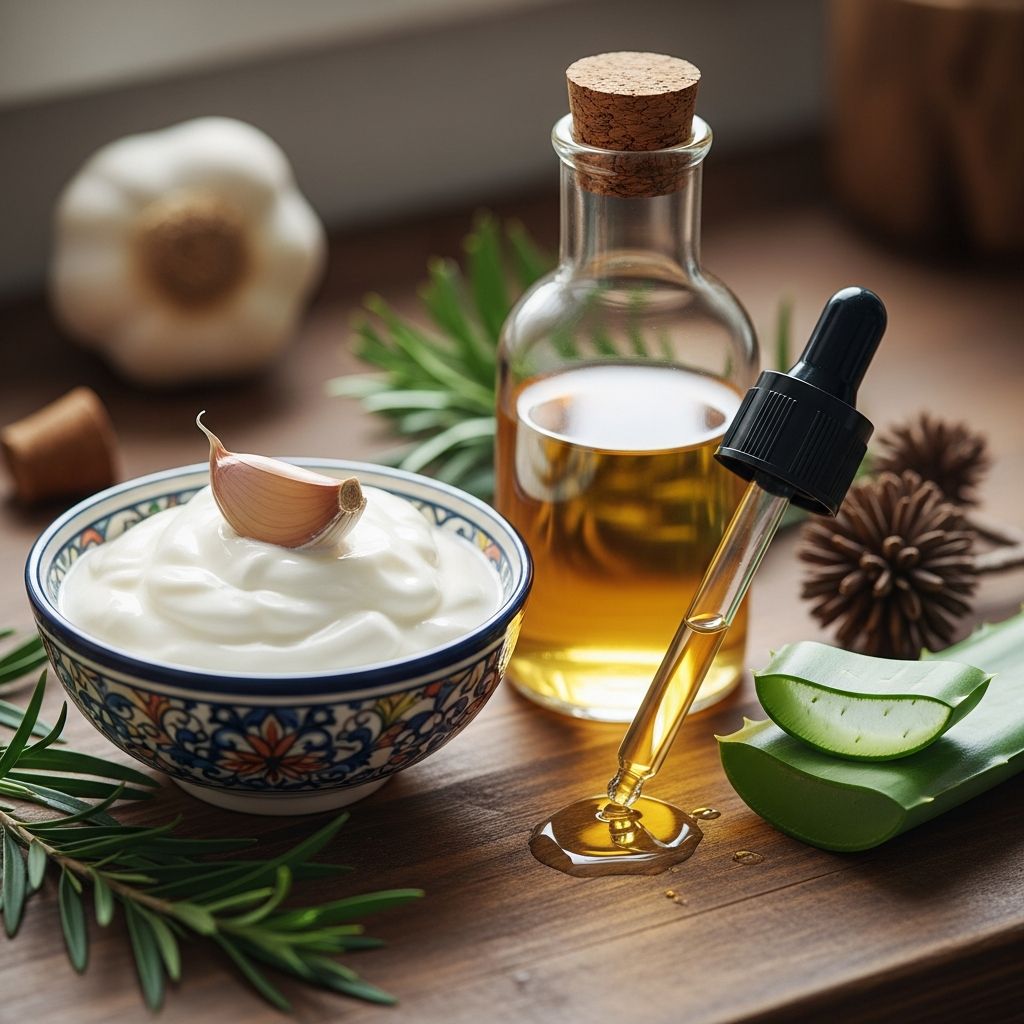
Vaginal yeast infections, caused by an overgrowth of Candida fungus, affect millions of women annually, leading to uncomfortable symptoms like itching, burning, and thick discharge. While over-the-counter antifungals are effective, many seek natural home remedies for relief due to convenience, cost, and concerns over side effects or resistance. This article explores evidence-based options like yogurt, probiotics, coconut oil, and lifestyle changes, drawing from credible medical sources.
What Is a Yeast Infection?
A yeast infection, or vaginal candidiasis, occurs when the balance of bacteria and yeast in the vagina disrupts, allowing Candida albicans to multiply excessively. This common condition is not a sexually transmitted infection (STI) but can be triggered by factors like antibiotics, hormonal changes, tight clothing, or high-sugar diets. Symptoms include intense vaginal itching, burning during urination or sex, and white, clumpy discharge resembling cottage cheese.
Up to 75% of women experience at least one yeast infection in their lifetime, with recurrent cases affecting 5-8%. Diagnosis is crucial, as symptoms mimic bacterial vaginosis or STIs; self-treatment is fine for mild, infrequent cases, but consult a doctor for confirmation.
Common Causes and Risk Factors
- Hormonal fluctuations: Pregnancy, birth control pills, or menopause alter vaginal pH, promoting yeast growth.
- Antibiotics: These kill beneficial bacteria like Lactobacillus, allowing Candida to thrive.
- Weakened immunity: Diabetes, HIV, or stress increases susceptibility.
- Lifestyle factors: High-sugar diets, perfumed products, infrequent tampon changes, or non-breathable underwear trap moisture and yeast.
- Sexual activity: Can introduce irritation but doesn’t transmit the infection.
Top Home Remedies for Yeast Infections
These remedies aim to restore vaginal flora, inhibit fungal growth, and soothe symptoms. Always use plain, unsweetened products and patch-test for allergies. They complement but may not replace medical treatment.
1. Plain Yogurt with Lactobacillus
Plain, unsweetened yogurt containing live Lactobacillus bacteria is one of the most researched home remedies. Lactobacillus produces hydrogen peroxide, which kills excess Candida, restoring healthy vaginal balance. Studies show yogurt suppositories or direct application improve symptoms, especially alongside antifungals.
How to use:
- Apply a scoop of plain yogurt externally or insert with a clean finger.
- Fill an empty tampon applicator with yogurt; freeze for soothing relief before insertion.
- Consume daily to support gut and vaginal health, though topical use is more direct.
A study in pregnant women found yogurt-honey mixtures as effective as antifungals. Avoid sweetened yogurt, as sugar feeds yeast. Relief may take 1-3 days.
2. Probiotics
Probiotic supplements or foods rich in Lactobacillus acidophilus and Bifidobacterium replenish good bacteria disrupted by antibiotics or infections. Oral probiotics reduce recurrence by 50% in some trials, while vaginal suppositories provide targeted relief.
Choose refrigerated products with 1-10 billion CFUs. Take daily for prevention or during active infections.
3. Coconut Oil
Virgin coconut oil has caprylic acid and lauric acid with potent antifungal properties against Candida. Apply externally to soothe itching or use as a suppository.
Application tips: Warm a teaspoon and apply gently; combine with tea tree oil for enhanced effect (dilute properly to avoid irritation).
Related Stories



4. Garlic
Garlic’s allicin compound exhibits strong antifungal activity. Insert a peeled clove wrapped in gauze overnight or consume raw/crushed garlic daily. Evidence from lab studies supports its use, though human trials are limited.
5. Tea Tree Oil
Diluted tea tree oil (5-10% in carrier oil) combats Candida due to terpinen-4-ol. Use in baths or as a diluted suppository. Avoid undiluted application to prevent burns.
6. Apple Cider Vinegar (ACV)
ACV’s acidity restores pH balance. Add 1-2 cups to a warm bath and soak for 20 minutes. Do not apply directly undiluted.
7. Boric Acid Suppositories
Though not ‘natural,’ 600mg boric acid capsules (pH-balanced) are a pharmacist-recommended remedy for recurrent infections, killing yeast without resistance issues. Use for 7-14 days under medical guidance.
Lifestyle and Prevention Tips
Prevent recurrence by:
- Wearing cotton underwear and breathable clothing.
- Avoiding douching, scented products, and tight pants.
- Maintaining blood sugar control if diabetic.
- Eating low-sugar, probiotic-rich diets.
- Practicing good hygiene: Wipe front-to-back, change out of wet clothes promptly.
| Risk Factor | Prevention Strategy |
|---|---|
| Antibiotics | Take probiotics concurrently |
| Hormonal changes | Probiotic yogurt daily |
| Moisture | Cotton underwear, daily showers |
| Sugar | Low-carb diet |
When to See a Doctor
Home remedies work for uncomplicated infections, but seek professional care if:
- Symptoms persist >7 days or worsen.
- First-time infection or pregnancy.
- Recurrent (4+ per year).
- Severe pain, fever, or foul discharge (may indicate STI or bacterial issue).
Doctors may prescribe fluconazole or confirm via exam/swab.
Frequently Asked Questions (FAQs)
Can yogurt cure a yeast infection?
Plain yogurt with Lactobacillus can help treat and relieve symptoms by restoring balance, but it’s most effective combined with medical treatment. Avoid sweetened varieties.
Is a yeast infection an STI?
No, though sex can trigger symptoms. It’s caused by fungal overgrowth, not transmission.
How long do home remedies take to work?
1-7 days for relief; persistent cases need antifungals.
Are probiotics safe during pregnancy?
Yes, but consult a doctor; yogurt-honey mixes showed efficacy in studies.
Can men get yeast infections?
Yes, as balanitis; treat with antifungals.
References
- Can yogurt treat a yeast infection? — Medical News Today. 2018-01-24. https://www.medicalnewstoday.com/articles/321254
- Vulvovaginal Candidiasis — Centers for Disease Control and Prevention (CDC). 2021-08-01. https://www.cdc.gov/fungal/diseases/candidiasis/genital/index.html
- Probiotics for prevention of recurrent vulvovaginal candidiasis — PubMed (Cochrane Review). 2022-05-15. https://pubmed.ncbi.nlm.nih.gov/35587778/
- Boric Acid for Recurrent Vulvovaginal Candidiasis — Mayo Clinic Proceedings. 2023-02-10. https://www.mayoclinicproceedings.org/article/S0025-6196(22)00985-3/fulltext
- Antifungal Agents for Vulvovaginal Candidiasis — American Family Physician (AAFP). 2024-01-15. https://www.aafp.org/pubs/afp/issues/2024/0200/vulvovaginal-candidiasis.html
Similar Articles








Read full bio of medha deb