Oat Milk: 5 Simple Steps To Homemade Diabetes-Friendly Milk
Creamy dairy-free oat milk perfect for diabetics: easy homemade recipe with stable blood sugar benefits.
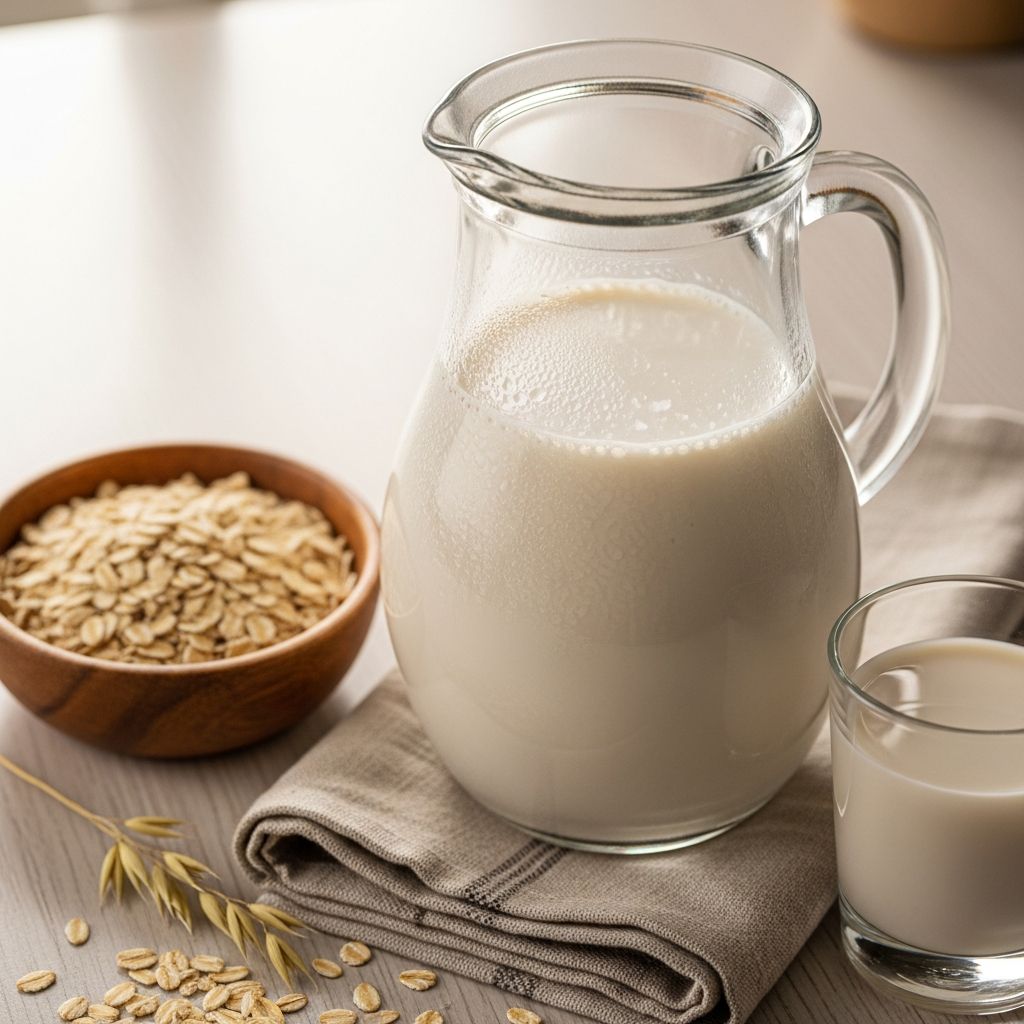
Homemade oat milk offers a smooth, creamy dairy-free option that’s particularly suitable for people managing diabetes. Made from old-fashioned rolled oats, this plant-based beverage preserves the natural nutrients of oats while providing a versatile ingredient for daily use. With just a few simple steps, you can create a fresh batch at home that’s free from additives found in many commercial versions.
This recipe emphasizes minimal ingredients to highlight oat milk’s inherent sweetness and texture. A pinch of salt enhances its flavor profile, making it enjoyable plain or with optional natural sweeteners like raw honey or pure maple syrup. Perfect for those seeking blood sugar-friendly alternatives, oat milk incorporates soluble fiber from oats, which supports stable glucose levels when consumed mindfully.
Unlike store-bought varieties that may contain added sugars or stabilizers, homemade oat milk allows full control over sweetness and consistency. It’s nut-free, making it accessible for those with allergies, and its production uses fewer resources than nut milks, aligning with sustainable choices. Regularly enjoying this milk in breakfast routines, coffee, or baking can diversify plant-based nutrition without compromising diabetes management.
Ingredients for Oat milk
- 120 g old-fashioned rolled oats (choose gluten-free if needed for sensitivities)
- Pinch of salt (optional, to balance flavors)
- 15 ml raw honey or pure maple syrup (optional, for subtle sweetness without blood sugar spikes)
- 2 litres cold water (divided: 1 litre for soaking, 1 litre for blending)
These ingredients yield approximately 1 litre of oat milk. Old-fashioned rolled oats are ideal as they blend smoothly without becoming overly slimy, retaining beta-glucan fiber beneficial for cholesterol and glucose control. Opt for unsweetened elements to keep carbohydrate counts low, around 10-19g per cup depending on straining thoroughness.
How to make Oat milk
- Soak the oats: In a medium bowl, combine 120g old-fashioned rolled oats with 1 litre of cold water. Stir well and let soak at room temperature for up to 1 hour. Soaking softens the oats, making them easier to blend and reducing sliminess in the final product.
- Drain and rinse: Drain the soaking water completely and rinse the oats under cold running water. This step removes excess starch, which can make the milk gummy, ensuring a cleaner taste and smoother texture.
- Blend: Transfer rinsed oats to a high-speed blender. Add 1 litre of fresh cold water, pinch of salt, and optional sweetener. Blend on high for about 2 minutes until the mixture is completely smooth and frothy. Cold water prevents overheating, preserving oat nutrients.
- Strain: Pour the blended mixture through a fine-mesh sieve, nut milk bag, or cheesecloth into a clean container. Press gently to extract liquid, discarding the pulp (which can be repurposed for baking or smoothies). This yields creamy milk with minimal grit.
- Chill and store: Refrigerate the strained oat milk. It thickens slightly upon cooling and stays fresh for up to 5 days. Shake vigorously before each use to recombine.
This process takes about 1.5 hours total, with minimal hands-on time. For variations, experiment with vanilla extract or cinnamon for flavor without added carbs. Compared to cow’s milk (11g carbs/cup), unsweetened oat milk offers 19g carbs but 2-3g fiber from beta-glucan, aiding post-meal glucose stability.
Nutritional Benefits of Oat Milk for Diabetes
Oat milk stands out among plant-based alternatives due to its beta-glucan content, a soluble fiber that slows carbohydrate absorption, helping maintain steady blood sugar. Per cup (unsweetened): ~90-96 calories, 2g protein, 1.5-5.5g fat, 10-19g carbs (including 1.5-3g fiber), low sugar (4g), and fortified options provide calcium (350mg) and vitamin D.
Related Stories



For diabetes management, its low glycemic index (GI ~30) minimizes spikes, unlike higher-GI milks. USDA data shows oat milk has marginally more carbs than whole cow’s milk (5.1g vs 4.67g per 100g), but fiber offsets this. Studies link oat beta-glucans to improved insulin sensitivity and reduced LDL cholesterol, key for cardiovascular health in diabetics. Homemade versions avoid hidden sugars in flavored brands, making it superior for precise carb counting.
| Milk Type (1 cup) | Calories | Carbs (g) | Fiber (g) | Sugar (g) | Protein (g) |
|---|---|---|---|---|---|
| Oat (unsweetened) | 90-96 | 10-19 | 2-3 | 4 | 2 |
| Cow (whole) | 168 | 11 | 0 | 11 | 9 |
| Almond (unsweetened) | 30-40 | 1-2 | 1 | 0 | 1 |
Data adapted from USDA and diaTribe analyses. Oat milk’s fiber edge supports better glucose control.
Why Choose Homemade Oat Milk?
Commercial oat milks often include oils, emulsifiers, and sugars, elevating carbs and processing levels. Homemade avoids ultra-processing, linked to poorer health outcomes. It’s cost-effective (under $1/litre vs $4+ store-bought) and customizable. Environmentally, oats require less water than almonds. For diabetics, pairing with protein (e.g., in smoothies) enhances satiety and glycemic response.
Tips for Use and Storage
- In beverages: Froths well for lattes; use in place of dairy in tea/coffee.
- Recipes: Ideal for smoothies, oatmeal, pancakes, or baking—adds creaminess without lactose.
- Storage: Glass jars best; freeze in ice cube trays for portions. Discard if sour.
- Customization: Add dates for natural sweetness or cocoa for chocolate milk.
- Diabetes tip: Track carbs (15-20g/cup); pair with nuts/seeds for balanced macros.
Potential Downsides and Considerations
While beneficial, oat milk’s carbs require moderation—choose unsweetened to avoid spikes from flavored types. Those with gluten intolerance should select certified gluten-free oats. It’s lower in protein than dairy (2g vs 9g/cup), so supplement accordingly. Not ideal as sole nutrition for infants.
Frequently Asked Questions (FAQs)
Q: Is homemade oat milk good for diabetes?
A: Yes, its beta-glucan fiber helps control blood sugar and cholesterol. Opt for unsweetened to manage carbs effectively.
Q: How long does homemade oat milk last?
A: Up to 5 days in the fridge. Shake before use; freeze for longer storage.
Q: Can I use quick oats for oat milk?
A: Better with rolled oats; quick oats may yield slimier texture due to finer processing.
Q: Is oat milk better than almond milk for diabetics?
A: Oat milk offers more fiber for glucose stability, though almond is lower-carb. Depends on needs.
Q: Does oat milk cause blood sugar spikes?
A: Unsweetened has low GI (~30), minimizing spikes when portioned properly.
Disclaimer: While every effort has been made to ensure the information is accurate, individual needs vary. Consult a GP, pharmacist, or dietitian for personalized advice, especially with allergies or prescribed diets.
References
- Oat milk: A creamy, dairy-free alternative for your drinks — Patient.info UK recipe editors. 2025-10-14. https://patient.info/recipes/diabetes-friendly-recipes/homemade-oat-milk
- Which Milk Is Best For People With Diabetes? — diaTribe.org. 2023-05-15. https://diatribe.org/diet-and-nutrition/which-milk-best-people-diabetes
- Is Oat Milk Good For Diabetes? — Nourish (USDA referenced). 2024-02-20. https://www.usenourish.com/blog/is-oat-milk-good-for-diabetes
- Oat Milk: How to Make It, Plus Nutrition and Benefits — Healthline. 2023-11-10. https://www.healthline.com/nutrition/oat-milk
- Diabetes-friendly recipes and meal ideas — Patient.info. 2025-01-01. https://patient.info/recipes/diabetes-friendly-recipes
Similar Articles








Read full bio of Sneha Tete