Homocysteine and Arterial Health: Vascular Risks
Understanding how elevated homocysteine damages blood vessels and increases cardiovascular disease risk
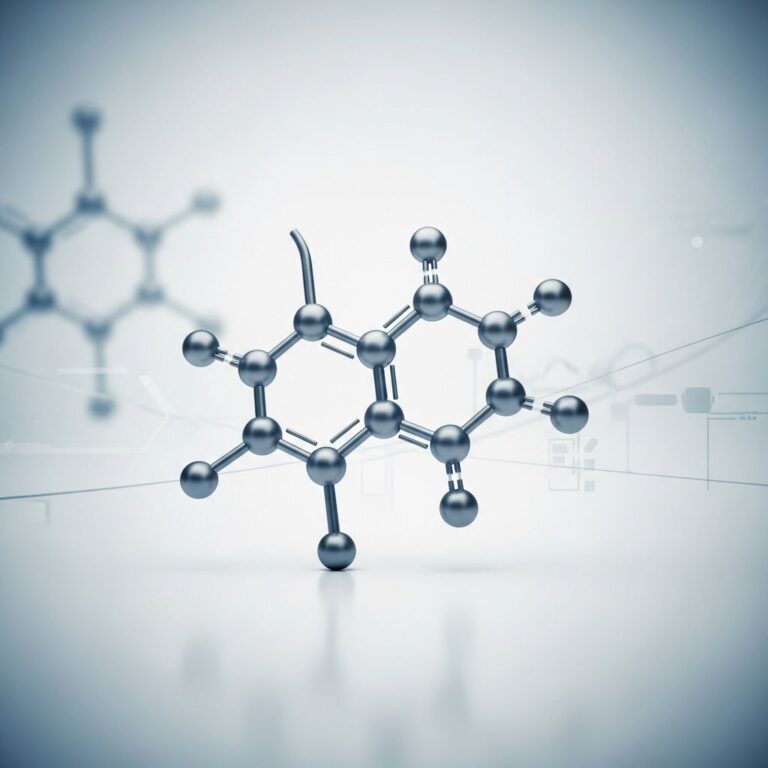
Homocysteine is an amino acid produced naturally in the body as part of normal metabolic processes. While this compound plays essential roles in protein synthesis and DNA methylation, elevated levels in the bloodstream pose significant risks to cardiovascular health. When homocysteine concentrations become abnormally high—a condition known as hyperhomocysteinemia—the consequences extend far beyond simple chemical imbalances, affecting the very structures that keep blood circulating throughout your body.
The Mechanisms of Vascular Injury
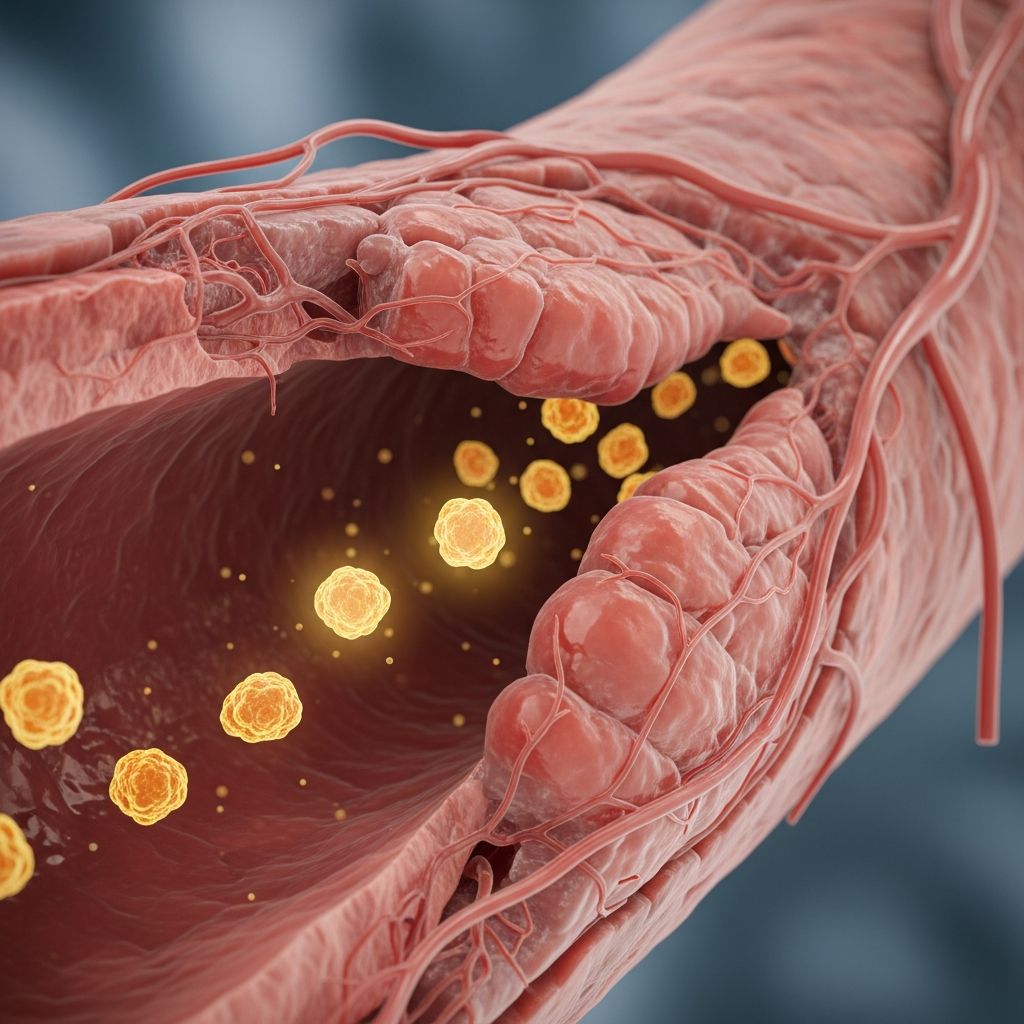
Understanding how elevated homocysteine damages blood vessels requires examining multiple physiological pathways. The primary mechanism involves endothelial dysfunction, where homocysteine directly harms the innermost lining of arteries. This delicate layer, composed of endothelial cells, serves as a gatekeeper controlling what substances pass between circulating blood and vessel walls.
When homocysteine concentrations rise, it damages these protective endothelial cells through several interconnected pathways. One critical mechanism involves the accumulation of reactive oxygen species (ROS), unstable molecules that trigger oxidative stress. This oxidative damage compromises the endothelium’s ability to produce nitric oxide, a substance essential for regulating blood vessel tone and preventing abnormal constriction.
The inflammation pathway represents another key mechanism of injury. Elevated homocysteine promotes inflammatory responses in vessel walls, setting the stage for atherosclerotic plaque development. Additionally, homocysteine can stimulate excessive proliferation of smooth muscle cells lining blood vessels, further compromising normal vascular function and contributing to vessel narrowing.
Promoting Atherosclerosis and Plaque Formation
The relationship between elevated homocysteine and atherosclerosis represents a major health concern. Clinical research demonstrates that patients with coronary artery disease typically have significantly higher plasma homocysteine levels compared to individuals with normal coronary arteries. Even modest elevations in homocysteine—just 12% above the upper normal limit—correlate with a 3.4-fold increased risk of heart attack.
The atherosclerotic cascade triggered by homocysteine follows a predictable pattern. Once endothelial damage occurs, it creates opportunities for low-density lipoprotein (LDL) cholesterol to infiltrate the vessel wall. Homocysteine accelerates this process by generating oxidative stress that converts normal LDL into oxidized LDL (ox-LDL), a more harmful form. Specialized immune cells called macrophages engulf these oxidized particles, transforming into foam cells that accumulate to form the fatty streaks and plaques characteristic of atherosclerotic disease.
Homocysteine also disrupts normal lipid metabolism by reducing high-density lipoprotein (HDL), the so-called “good cholesterol” responsible for removing excess cholesterol from vessel walls. This impairment of reverse cholesterol transport further accelerates plaque formation and atherosclerotic disease progression.
Enhanced Blood Clotting and Thrombotic Complications
Beyond its damaging effects on vessel walls, elevated homocysteine creates a prothrombotic state—a condition favoring excessive blood clotting. Multiple mechanisms contribute to this dangerous shift. Homocysteine promotes platelet activation and adhesion to endothelial cells, increasing the likelihood that blood cells will stick together inappropriately. It also elevates circulating levels of clotting factors, tipping the delicate balance toward coagulation.
Related Stories



Research examining red blood cells exposed to elevated homocysteine revealed a dose-dependent increase in procoagulant activity, particularly at very high concentrations. Another concerning mechanism involves impaired fibrinolysis—the body’s natural ability to break down existing clots. When homocysteine levels rise, this protective system weakens, meaning blood clots persist longer in circulation, increasing occlusion risk.
The clinical consequences of these clotting abnormalities are severe. A thrombus, or blood clot formed within a blood vessel, can dislodge and travel through the circulatory system, potentially lodging in critical locations. Depending on where the clot becomes trapped, it can trigger life-threatening events including pulmonary embolism (clot in the lungs), stroke (clot in the brain), or myocardial infarction (clot in the heart).
Clinical Manifestations and Risk Stratification
The severity of vascular complications correlates directly with homocysteine concentration levels. Mild to moderate elevations affect the coronary, cerebral, and retinal blood vessels, increasing atherosclerosis risk. However, the most dramatic increase in thrombotic risk occurs when total homocysteine exceeds 100 μmol/L, at which point the likelihood of arterial or venous thrombotic events increases substantially.
Among patients with severely elevated homocysteine, approximately 30% develop vascular events. The distribution of these complications reveals the widespread nature of homocysteine-related vascular disease:
- 33% experience cerebrovascular accidents (strokes)
- 25% develop pulmonary embolism
- 15% suffer peripheral venous thromboembolism
- 11% have peripheral arterial thromboembolism
- 4% sustain myocardial infarction
Research specifically examining stroke patients demonstrated statistically significant elevations in homocysteine levels compared to control populations. The mechanism appears to involve homocysteine triggering cell death pathways that compromise the blood-brain barrier and endothelial function specifically in cerebral vessels.
Special Consideration: H-Type Hypertension
A particularly dangerous condition emerges when elevated blood pressure combines with high homocysteine levels—a scenario termed H-type hypertension. Patients with this dual condition face dramatically elevated stroke risk compared to individuals with simple hypertension alone. The combination of vascular stiffness from hypertension coupled with homocysteine-induced endothelial damage creates particularly hostile conditions for cerebral blood vessels.
Vascular Complications Across Different Tissue Beds
While homocysteine-related vascular damage can affect any blood vessel, certain tissues suffer particularly severe consequences:
Coronary Circulation
The arteries supplying the heart muscle show consistent susceptibility to homocysteine damage. Elevated levels accelerate atherosclerotic plaque formation in coronary vessels, directly increasing heart attack risk. The protective systems normally present in endothelial cells become compromised, allowing cholesterol infiltration and inflammation to progress unchecked.
Cerebral Vasculature
Brain blood vessels demonstrate particular vulnerability to homocysteine-related injury. The blood-brain barrier, a specialized protective system maintaining brain health, becomes compromised when endothelial cells suffer homocysteine damage. This creates conditions favorable for both thrombotic stroke (from blood clots) and potentially hemorrhagic events.
Peripheral Arterial System
Limb arteries frequently develop critical narrowing or occlusion in patients with severe hyperhomocysteinemia. Case reports document patients requiring amputation due to vascular occlusion secondary to extremely elevated homocysteine levels.
Retinal Vasculature
The small blood vessels supplying the retina show atherosclerotic changes with elevated homocysteine, potentially affecting vision and serving as a marker for systemic vascular disease.
Diagnostic Approaches and Risk Assessment
Identifying elevated homocysteine requires laboratory testing, typically through blood analysis. Healthcare providers should consider homocysteine testing in patients with premature cardiovascular disease, unexplained stroke, or recurrent vascular events. Early detection becomes particularly important given the progressive nature of homocysteine-related vascular damage.
Risk stratification based on homocysteine levels helps guide clinical decision-making:
| Homocysteine Level | Classification | Vascular Risk |
|---|---|---|
| Less than 10 μmol/L | Normal | Baseline |
| 10-15 μmol/L | Mildly elevated | Increased atherosclerosis risk |
| 15-30 μmol/L | Moderately elevated | Moderate thrombotic risk |
| Greater than 100 μmol/L | Severely elevated | High acute thrombotic risk |
Understanding Underlying Causes
Elevated homocysteine results from various metabolic, genetic, and nutritional factors. Genetic variations affecting enzymes involved in homocysteine metabolism can predispose individuals to elevated levels. Nutritional deficiencies—particularly in B vitamins (B6, B12) and folate required for normal homocysteine metabolism—represent modifiable causes. Certain disease states, kidney dysfunction, and lifestyle factors also contribute to elevated homocysteine concentrations.
Frequently Asked Questions
Can dietary changes reduce homocysteine levels?
Dietary interventions rich in B vitamins and folate can help normalize homocysteine metabolism in some individuals. However, research has shown that while reducing homocysteine levels through supplementation is biochemically possible, clinical outcomes don’t uniformly improve in all patients, suggesting homocysteine’s role is more complex than initially believed.
Is elevated homocysteine inherited?
Genetic factors influence how efficiently your body processes homocysteine. Some genetic variations predispose individuals to elevated levels, though environmental and nutritional factors also play significant roles. Family history of premature cardiovascular disease warrants homocysteine screening.
What symptoms indicate elevated homocysteine?
Elevated homocysteine itself produces no specific symptoms. Its danger lies in the silent vascular damage occurring over time. Symptoms only emerge once significant vascular complications develop, such as chest pain (angina), stroke symptoms, or leg pain from peripheral arterial disease.
Should everyone be screened for elevated homocysteine?
Selective screening of high-risk individuals (those with premature cardiovascular disease, family history of stroke, or unexplained thrombotic events) is generally recommended over universal screening. Individual healthcare providers determine screening appropriateness based on personal risk factors.
Clinical Implications and Management Considerations
Early recognition and treatment of elevated homocysteine becomes crucial given the progressive nature of vascular damage. While lowering homocysteine levels through supplementation is chemically feasible, the translation to improved clinical outcomes remains inconsistent in research settings, highlighting the importance of comprehensive cardiovascular risk reduction rather than focusing solely on homocysteine normalization.
Patients with documented elevated homocysteine benefit from aggressive management of other cardiovascular risk factors including blood pressure control, cholesterol management, smoking cessation, and appropriate antiplatelet or anticoagulant therapy when indicated by vascular disease presence.
The complex mechanisms linking homocysteine to vascular disease—involving endothelial dysfunction, inflammatory activation, oxidative stress, and thrombotic tendency—explain why single-factor interventions often prove inadequate. Comprehensive vascular protection addressing multiple pathways offers the best opportunity for preventing homocysteine-related cardiovascular complications.
References
- Hyperhomocysteinemia Causing Vascular Occlusion and Acute Limb Ischemia — National Center for Biotechnology Information/PubMed Central. 2024. https://pmc.ncbi.nlm.nih.gov/articles/PMC11585337/
- High Homocysteine Level: How It Affects Your Blood Vessels — American Academy of Family Physicians. 2024. https://familydoctor.org/high-homocysteine-level-how-it-affects-your-blood-vessels/
- Mechanism of Homocysteine-Mediated Endothelial Injury and Atherosclerosis — Frontiers in Cardiovascular Medicine. 2022. https://www.frontiersin.org/journals/cardiovascular-medicine/articles/10.3389/fcvm.2022.1109445/full
- Homocysteine: Function, Levels & Health Effects — Cleveland Clinic. 2024. https://my.clevelandclinic.org/health/articles/21527-homocysteine
- Homocysteine Test: MedlinePlus Medical Test — U.S. National Library of Medicine. 2024. https://medlineplus.gov/lab-tests/homocysteine-test/
Similar Articles








Read full bio of medha deb