Hoodia: What You Need To Know About Safety And Effectiveness
Evidence-based overview of hoodia's appetite-suppressing claims and safety profile.
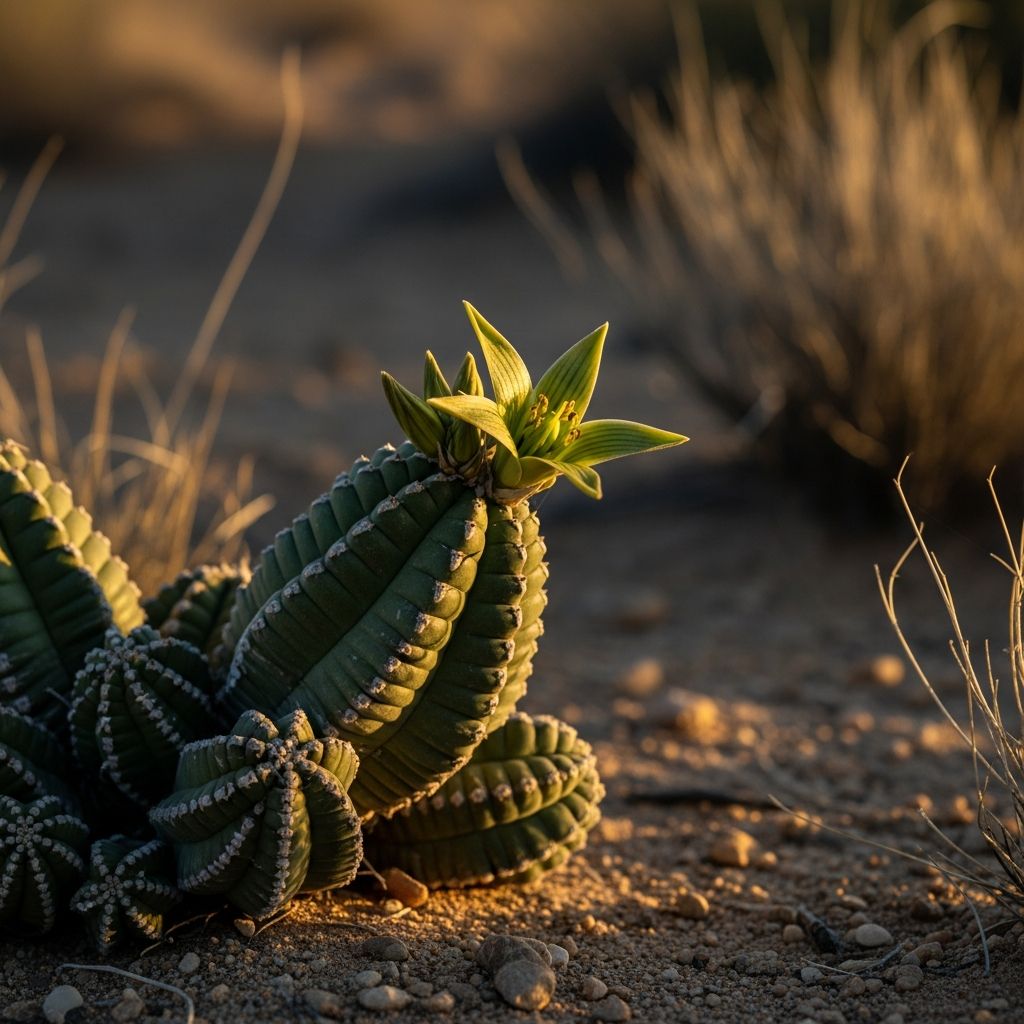
Hoodia: Understanding This Popular Weight Loss Supplement
Hoodia has gained significant attention in the dietary supplement market as a purported appetite suppressant and weight loss aid. This plant-based supplement originates from the arid regions of southern Africa and has been the subject of considerable marketing claims and scientific inquiry. Understanding what hoodia is, how it is promoted, and what evidence exists regarding its effectiveness and safety is essential for informed decision-making about its use.
Background and Origins
Hoodia is a leafless, cactus-like succulent plant that grows naturally in Africa’s Kalahari Desert. The plant is found across several countries, including parts of Namibia, Botswana, and South Africa. Despite its desert-dwelling nature and somewhat unusual appearance, hoodia has attracted considerable commercial interest in recent decades as a potential tool for weight management.
The historical use of hoodia is often cited in marketing materials and popular literature. It is claimed that the indigenous San peoples of the Kalahari region traditionally used hoodia to suppress appetite during long hunting expeditions across the desert. However, this historical claim has not been independently verified through rigorous historical or anthropological research. Some sources suggest that the San people may have consumed hoodia only as a disfavored food source when more palatable options were unavailable, rather than as a deliberate appetite suppressant.
The Active Compound: P57
The scientific interest in hoodia centers on a specific chemical compound found within the plant. Researchers have identified an oxypregnane steroidal glycoside molecule known as P57, which is thought to be responsible for hoodia’s potential appetite-reducing effects. Additionally, hoodia contains multiple pregnane glycosides that are being evaluated for their appetite suppressant activity. Some research suggests that compounds in hoodia may work to regulate hunger by promoting cholecystokinin secretion, a hormone involved in satiety signaling.
How Much Scientific Evidence Exists?
The extent of scientific research on hoodia is remarkably limited. A comprehensive review of the available evidence reveals a significant gap between the popularity of hoodia supplements and the amount of rigorous scientific investigation that has been conducted. The scientific community has conducted very few controlled studies on hoodia’s effects in human populations, which raises important questions about the reliability of marketing claims.
One major pharmaceutical company, Pfizer, invested in investigating P57 as a potential weight-loss medication. However, the company ceased its research efforts in 2003, indicating that either the findings were insufficient to justify continued development or that other challenges prevented commercialization. Animal studies have been conducted; one study found that when P57 was injected directly into the brains of rats, their appetite decreased. However, brain injections represent a drastically different route of administration compared to oral consumption in supplement form and may produce effects through mechanisms unrelated to normal pharmacological action.
What Does Research Show About Effectiveness?
The most significant piece of human evidence regarding hoodia’s effectiveness comes from a single small controlled trial. This study involved 49 overweight women who received either hoodia or a placebo for 15 days. Despite the widespread marketing claims about hoodia’s powerful appetite-suppressing properties, the results of this study failed to demonstrate clear benefit.
Related Stories



The key finding was straightforward: women who took hoodia for 15 days did not lose more weight than those who took a placebo. This negative result contradicts the enthusiastic marketing claims that often accompany hoodia supplements. Some manufacturer claims reference a different study allegedly involving 18 overweight participants in the United Kingdom who reportedly consumed 1,000 fewer calories daily when taking hoodia compared to placebo. However, this study has not been widely published or subjected to independent scrutiny, making it impossible to verify these claims through peer-reviewed scientific literature.
The limited human evidence, combined with the inconsistent results from various small studies, means that published evidence on hoodia remains far too preliminary to support reliable conclusions about its effectiveness for weight loss or appetite suppression.
What Do We Know About Safety?
The safety profile of hoodia is not well-characterized due to the limited number of human studies that have been conducted. However, the one small controlled trial that examined safety did raise some concerns worthy of consideration.
Adverse Effects Observed
In the 15-day study of 49 overweight women, participants taking hoodia experienced more adverse effects compared to those taking placebo. These reported side effects included:
- Nausea
- Vomiting
- Dizziness
- Unusual or odd skin sensations
Beyond these subjective side effects, the researchers identified clinical and safety concerns related to cardiovascular measures. Specifically, the study raised concerns about potential effects on blood pressure and heart function parameters. Additionally, in this trial, serum alkaline phosphatase and bilirubin levels were slightly elevated in the hoodia group compared to placebo, though no participants developed clinically apparent liver injury.
Liver Safety
Hoodia has been used as a weight loss agent for several years and has not been convincingly linked to instances of acute liver injury. In large surveillance studies examining drug-induced liver injury, hoodia has not been identified as a causative agent. Among 85 cases of herbal and dietary supplement-associated liver injury enrolled in a U.S. prospective study between 2004 and 2013, none were attributed to hoodia. Similarly, in a prospective database of 899 cases of drug-induced liver injury enrolled between 2004 and 2012, herbal and dietary supplements were implicated in 145 cases, but none were primarily attributed to hoodia. The likelihood score for hoodia as a cause of clinically apparent liver injury is rated as “E” (unlikely).
Gaps in Safety Knowledge
Despite the available information, significant gaps remain in our understanding of hoodia’s safety profile. Little is known about whether it is safe to use hoodia during pregnancy or while breastfeeding. Safety in young children, people with liver or kidney disease, and other vulnerable populations has not been established. These gaps mean that certain populations should avoid hoodia use until adequate safety data becomes available.
Proposed Mechanisms of Action
Several proposed mechanisms have been suggested for how hoodia might influence appetite and weight. Research indicates that compounds within hoodia, including Gordonoside F, may activate GPR119, a receptor that plays a critical role in metabolic homeostasis. This activation could theoretically influence appetite regulation and energy balance.
Additionally, hoodia contains multiple pregnane glycosides that researchers believe may work by promoting the secretion of cholecystokinin, a hormone that signals satiety to the brain. Furthermore, one hypothesis suggests that hoodia may work by affecting metabolism in brain regions responsible for hunger regulation. However, most of this evidence comes from animal studies or laboratory investigations, and the mechanisms that operate in animal models may not translate directly to human physiology.
Therapeutic Use and Dosing
Hoodia supplements are marketed primarily for appetite suppression and weight loss. A typical dose that appears in supplement products is 400 milligrams taken twice daily. However, it is important to note that this dosing recommendation is not based on robust clinical evidence demonstrating optimal dosing, safety at these doses, or efficacy.
Beyond weight loss applications, hoodia has been explored for other therapeutic uses. Preliminary research suggests that hoodia may display antidiabetic properties and could potentially help manage blood sugar levels. However, this preliminary evidence is not sufficient to confirm that hoodia would be helpful in diabetes management, and more rigorous investigation would be necessary before making clinical recommendations.
Marketing Claims vs. Scientific Evidence
The marketing of hoodia began in earnest around 2002, with supplement manufacturers and vendors promoting it as an effective weight loss solution. These marketing campaigns have often relied heavily on historical claims about San people using the plant, celebrity endorsements, and selective presentation of preliminary research findings. However, there is a notable disconnect between the enthusiasm of marketing claims and the actual state of scientific evidence.
Claims that hoodia produces dramatic reductions in calorie intake, leads to significant weight loss, or works as a powerful appetite suppressant are not supported by the limited human research available. The single published controlled trial showed no weight loss benefit compared to placebo, contradicting many of these marketing assertions.
Current Research Status
The current state of hoodia research remains characterized by limited human evidence and numerous gaps in knowledge. The scientific community awaits more rigorous, well-designed clinical trials to establish whether hoodia offers genuine benefits for weight management or other health conditions. Such trials would need to include larger numbers of participants, longer treatment periods, and careful measurement of relevant outcomes including weight change, caloric intake, and comprehensive safety parameters.
Without adequate research, healthcare providers and consumers cannot confidently recommend or use hoodia based on a solid scientific foundation. The preliminary nature of existing evidence means that hoodia remains in a category of supplements with insufficient proof of effectiveness and unknown long-term safety profiles.
Frequently Asked Questions
Q: Is hoodia safe to use for weight loss?
A: The safety of hoodia is not well-established. While one small study raised concerns about adverse effects including nausea, vomiting, dizziness, and effects on blood pressure and heart measures, hoodia has not been definitively linked to serious liver injury. However, safety in pregnant women, nursing women, children, and people with liver or kidney disease remains unknown. Consult with a healthcare provider before using hoodia.
Q: Does hoodia actually help people lose weight?
A: The main human evidence comes from one small study of 49 women who took hoodia for 15 days. Those taking hoodia did not lose more weight than those taking placebo. Published evidence is considered too preliminary to reliably support claims that hoodia promotes weight loss.
Q: What is P57 and how does it work?
A: P57 is an oxypregnane steroidal glycoside, a chemical compound found in hoodia that is believed to be responsible for the plant’s potential appetite-reducing effects. Research suggests it may work by affecting brain metabolism or by promoting satiety hormones, but human evidence is limited.
Q: How much hoodia should someone take?
A: A typical dose found in supplements is 400 milligrams twice daily. However, this dosing is not based on robust clinical evidence, and no optimal dose has been scientifically established.
Q: Are there any interactions between hoodia and medications?
A: Comprehensive information about potential drug interactions with hoodia is not available due to limited research. Anyone taking medications should consult with their healthcare provider before adding hoodia supplements.
Q: What did the San people originally use hoodia for?
A: Marketing claims state that San peoples used hoodia to suppress appetite during long desert hunts. However, this historical use has not been independently verified. Some sources suggest hoodia may have been consumed only as a disfavored food when better options were unavailable.
Finding Reliable Information
For evidence-based information about hoodia and other complementary health approaches, several reliable resources are available. The National Center for Complementary and Integrative Health (NCCIH) provides peer-reviewed information and maintains a clearinghouse that can be contacted toll-free at 1-888-644-6226. Additionally, PubMed, a service of the National Library of Medicine, contains publication information and summaries from scientific and medical journals that can help consumers access primary research on hoodia.
Conclusion
Hoodia remains a supplement whose marketing claims substantially outpace the scientific evidence supporting its use. While the plant contains compounds that have generated research interest, human studies have been too limited to establish clear effectiveness for weight loss or appetite suppression. Safety concerns identified in the available research, combined with gaps in knowledge about long-term effects and use in vulnerable populations, suggest that caution is warranted. Anyone considering hoodia should consult with qualified healthcare providers and understand that they would be using a product supported by limited scientific evidence.
References
- Hoodia: Usefulness and Safety — National Center for Complementary and Integrative Health (NCCIH), National Institutes of Health. 2024. https://www.nccih.nih.gov/health/hoodia
- Hoodia – LiverTox — National Center for Biotechnology Information (NCBI), U.S. National Library of Medicine. 2024. https://www.ncbi.nlm.nih.gov/books/NBK548704/
- Hoodia’s Therapeutic Uses — EBSCO Research Starters, Complementary and Alternative Medicine. 2024. https://www.ebsco.com/research-starters/complementary-and-alternative-medicine/hoodias-therapeutic-uses
- Molecular matchmaking between the popular weight-loss supplement Hoodia gordonii and human GPR119 — Zhang S, et al. Proceedings of the National Academy of Sciences (PNAS). 2014;111(29):10489-10494. https://www.pnas.org/doi/10.1073/pnas.1324130111
- Effects of 15-d repeated consumption of Hoodia gordonii purified extract on safety, ad libitum energy intake, and body weight in healthy, overweight women: a randomized controlled trial — Blom WAM, Abrahamse SL, Bradford R, et al. American Journal of Clinical Nutrition. 2011;94(5):1171-1181. https://pubmed.ncbi.nlm.nih.gov/21918221/
Similar Articles








Read full bio of Sneha Tete