Hookworm Disease: Symptoms, Causes, and Effective Treatment
Understanding hookworm disease: its symptoms, causes, diagnosis, treatment, and prevention strategies.
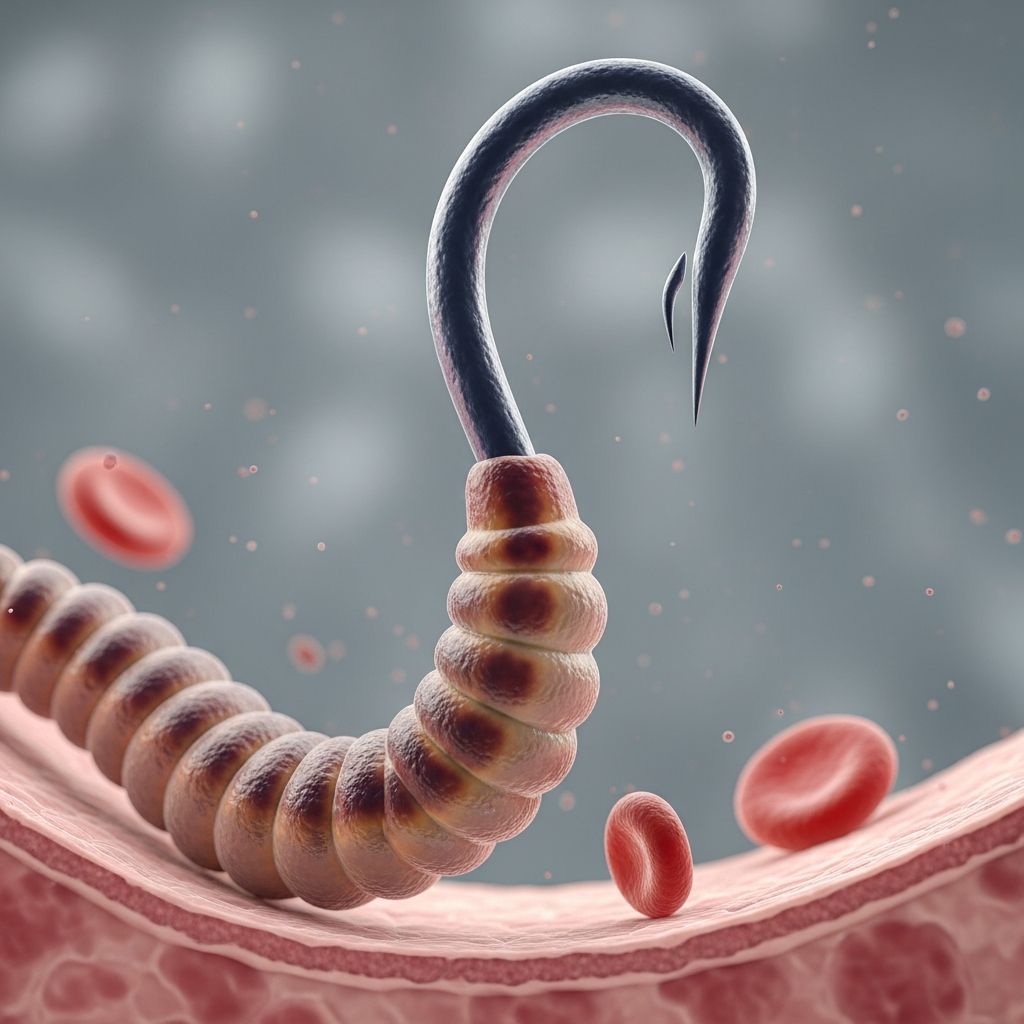
What Is Hookworm Disease?
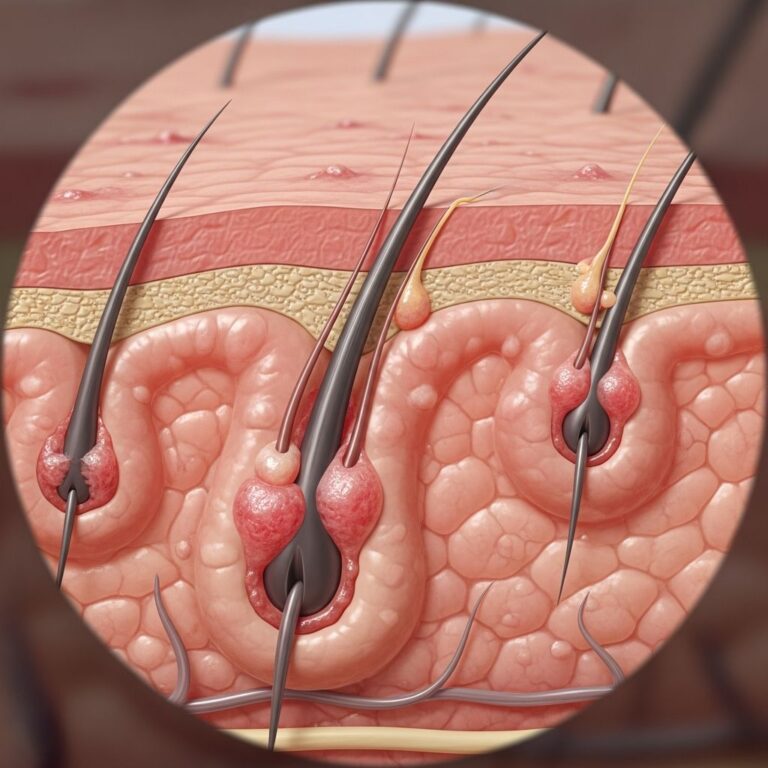
Hookworm disease is a parasitic infection caused by roundworms known as hookworms that enter the body through the skin. These worms typically infect humans after their larvae penetrate the skin, commonly through the feet when people walk barefoot on contaminated soil. Once inside, the larvae travel through the bloodstream to the lungs, then are swallowed, reaching the intestines where they mature into adult worms. They attach to the intestinal walls with their distinctive hook-like heads and feed on the host’s blood, often causing iron-deficiency anemia and other health problems.
Causes and Transmission
Humans become infected primarily by walking barefoot on soil contaminated with hookworm larvae. The infection begins when the larvae penetrate the skin, usually of the feet:
- Hookworm larvae hatch from eggs excreted in the feces of an infected person onto soil.
- Larvae develop in contaminated soil and can survive until they find a human host to infect.
- Walking barefoot, particularly in tropical and subtropical regions with poor sanitation, allows the larvae to penetrate the skin.
- Some species, like Ancylostoma duodenale, can also infect orally, though skin penetration is most common.
The larvae then migrate through the body to the intestines, where they mature into adult worms. The adult hookworms feed on blood, which can cause significant blood loss if the infestation is heavy.
Signs and Symptoms
Hookworm infections can cause a variety of symptoms, which range from mild to severe depending on infection intensity and the host’s nutritional status:
- Skin irritation: A rash or itching (often called ‘ground itch’) may appear where larvae penetrated the skin.
- Respiratory symptoms: During larval migration, lung irritation may cause cough or wheezing.
- Gastrointestinal symptoms: Abdominal pain, diarrhea, nausea, and loss of appetite are common.
- Blood loss and anemia: Adult hookworms feed on intestinal blood, leading to iron-deficiency anemia that can cause fatigue, weakness, and pallor.
- Protein deficiency: Chronic blood loss can also lead to low protein levels, affecting overall nutrition.
- Growth and cognitive impairment: In children, prolonged heavy infection can stunt growth and impair mental development.
- Pregnancy risks: Infection during pregnancy is associated with adverse maternal and fetal outcomes due to anemia and malnutrition.
Severe anemia can be life-threatening if left untreated, making early diagnosis and treatment crucial.
How Is Hookworm Disease Diagnosed?
The diagnosis of hookworm infection typically involves laboratory testing to detect evidence of the parasite:
- Stool examination: A sample of feces is analyzed under a microscope to identify hookworm eggs. This is the definitive diagnostic method.
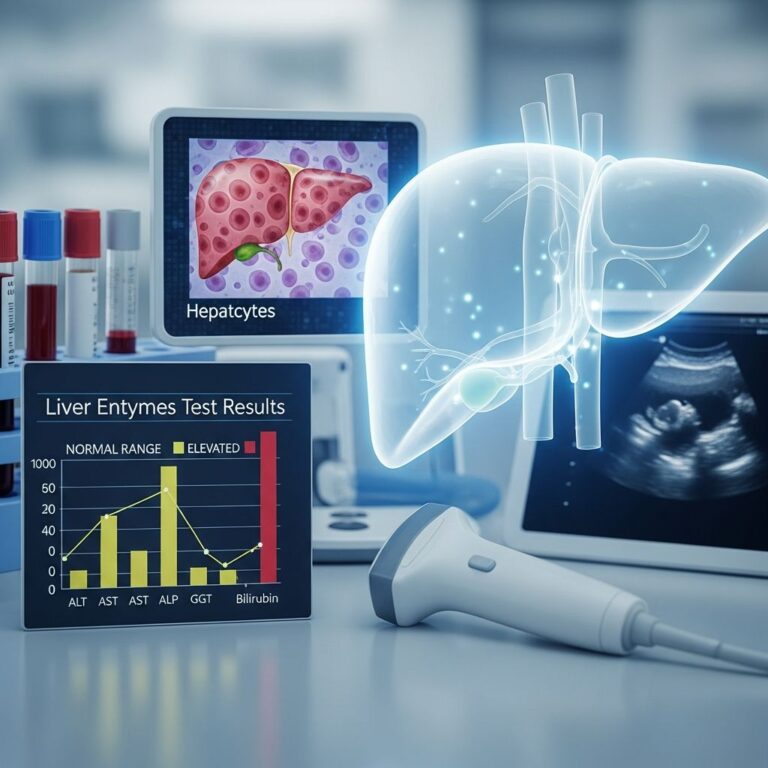
- Blood tests: A complete blood count (CBC) may show eosinophilia (an elevated white blood cell type) and anemia, clues that can suggest infection before eggs appear in stool.
- Travel history and symptoms: Doctors may consider exposure risk, particularly recent travel to or residence in endemic areas.
Treatment and Medication
Treating hookworm disease requires anthelmintic medications that directly kill the parasites. Treatment regimens include:
- Benzimidazoles: Drugs like albendazole and mebendazole are commonly prescribed. Albendazole is often preferred due to higher efficacy.
- Other options: Levamisole and pyrantel pamoate may be used in some cases.
- Duration: Treatment usually lasts from one to seven days depending on the drug and the severity of infection.
- Iron supplementation: If anemia is present, iron supplements may be given to replenish iron stores.
Repeated treatments may be necessary if reinfection occurs, especially in endemic areas with poor sanitation. Although hookworms can eventually clear without treatment, this may take years and can lead to serious complications during that time.
Related Stories



Prevention and Control
Preventing hookworm infection primarily involves reducing exposure to infective larvae and improving sanitation:
- Wear shoes: Always wear footwear when walking outdoors, especially in endemic areas.
- Use proper sanitation: Avoid defecating outdoors. Use latrines or toilets to prevent soil contamination by human feces.
- Hygiene education: Promote handwashing and awareness of hookworm transmission to communities at risk.
- Mass deworming programs: Periodic treatment of at-risk populations can reduce parasite loads and transmission.
- Improved water supply and sanitation infrastructure: Access to safe water and adequate sewage disposal is vital for long-term control.
Research is ongoing into developing a hookworm vaccine, which could provide additional control tools in the future.
Who Is at Risk?
Hookworm disease is most common in tropical and subtropical areas of the world where sanitation is limited. Risk factors include:
- Walking barefoot in contaminated soil.
- Living in or traveling to endemic regions.
- Poverty, leading to poor sanitation and hygiene.
- Children and pregnant women, who are more vulnerable to severe anemia and nutritional deficiencies.
Complications of Hookworm Disease
If untreated, hookworm infection can lead to several serious health issues:
- Severe anemia: Caused by chronic blood loss that may require blood transfusion in extreme cases.
- Malnutrition: Blood loss and intestinal damage reduce nutrient absorption.
- Developmental delays: In children, chronic infection can impair physical and mental development.
- Adverse pregnancy outcomes: Including low birth weight and increased maternal morbidity.
Frequently Asked Questions (FAQs)
Q: Can hookworm disease go away without treatment?
A: Yes, hookworm infection may eventually resolve on its own over many years, but this prolonged infection can cause serious health problems such as anemia and malnutrition. Treatment speeds recovery and prevents complications.
Q: How do I know if I have hookworm infection?
A: Common signs include skin irritation after walking barefoot, abdominal pain, diarrhea, fatigue, and signs of anemia such as pallor and weakness. Diagnosis is confirmed by stool examination and blood tests.
Q: Is hookworm infection contagious between people?
A: Hookworms are not transmitted directly from person to person. Infection occurs through contact with contaminated soil containing larvae from infected feces.
Q: What medications are used to treat hookworm?
A: Albendazole and mebendazole are the main drugs used to kill hookworms. They are usually taken orally for a few days.
Q: How can I prevent hookworm infection?
A: Prevention includes wearing shoes outdoors, improving sanitation, avoiding open defecation, and regular deworming in endemic areas.
Summary Table: Key Facts About Hookworm Disease
| Aspect | Details |
|---|---|
| Cause | Parasitic hookworm larvae penetrating the skin |
| Common Symptoms | Skin rash, abdominal pain, diarrhea, anemia, fatigue |
| Transmission | Walking barefoot on contaminated soil |
| Diagnosis | Stool microscopy to detect eggs; blood tests for anemia and eosinophilia |
| Treatment | Anthelmintic medications (albendazole, mebendazole), iron supplements if needed |
| Prevention | Wear shoes, improve sanitation, avoid soil contact, community deworming |
References
- Hookworm: “The Great Infection of Mankind” — National Institutes of Health (PMC). 2005-03-16. https://pmc.ncbi.nlm.nih.gov/articles/PMC1069663/
- Hookworm Disease: Symptoms & Treatment — Cleveland Clinic. 2024-09-17. https://my.clevelandclinic.org/health/diseases/14072-hookworm-disease
- Hookworm | Research Starters — EBSCO / Zoology. 2021-06-24. https://www.ebsco.com/research-starters/zoology/hookworm
Similar Articles








Read full bio of medha deb