Hordeolum (Stye): Causes, Symptoms & Treatment
Complete guide to understanding styes: symptoms, causes, treatments, and prevention strategies.
What is a Hordeolum (Stye)?
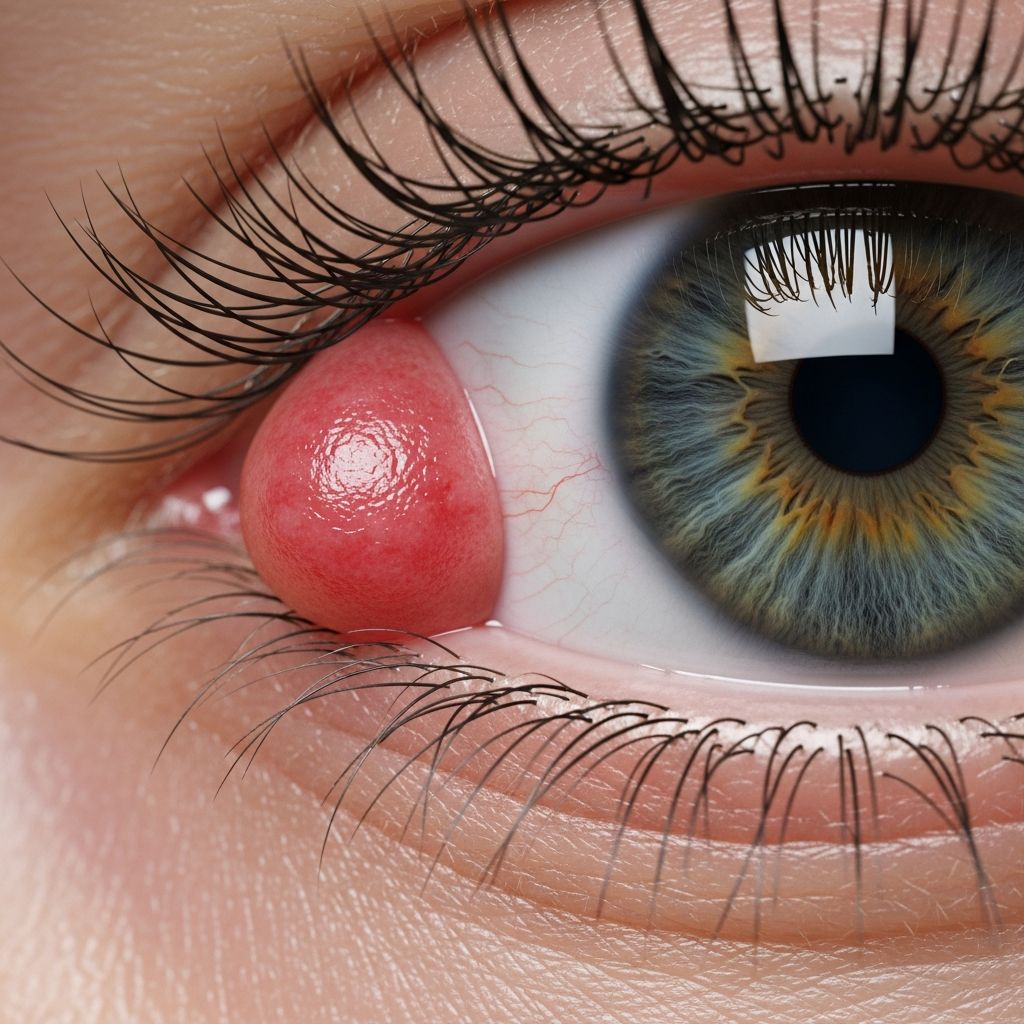
A hordeolum, commonly referred to as a stye, is an acute, localized infection of the eyelid that presents as a painful, swollen lump near the edge of the eyelid. The condition manifests as a red, tender nodule that resembles a boil or pimple and often contains pus. Hordeola are categorized into two distinct types based on their location and the glands they affect: external hordeola, which involve the glands at the base of the eyelashes, and internal hordeola, which develop within the deeper meibomian glands of the eyelid.
While styes are generally self-limiting conditions that resolve on their own, they can cause considerable discomfort and temporary visual disturbances. Understanding the nature of this condition is essential for recognizing symptoms early and seeking appropriate care when needed.
Understanding the Types of Hordeolum
External Hordeolum
External hordeola represent the most common form of stye and develop as infections of the sebaceous glands of Zeis or the sweat glands of Moll located at the base of the eyelashes. These lesions typically appear as superficial pustules along the eyelid margin and are visible to the naked eye. The infection causes localized inflammation and tenderness that is easily detected upon palpation.
Internal Hordeolum
Internal hordeola result from infection of the meibomian glands located within the tarsal plate of the eyelid. These lesions are deeper and may not be immediately visible from the external surface. Internal styes often present with more significant discomfort and may have a longer recovery period compared to their external counterparts.
Causes and Risk Factors
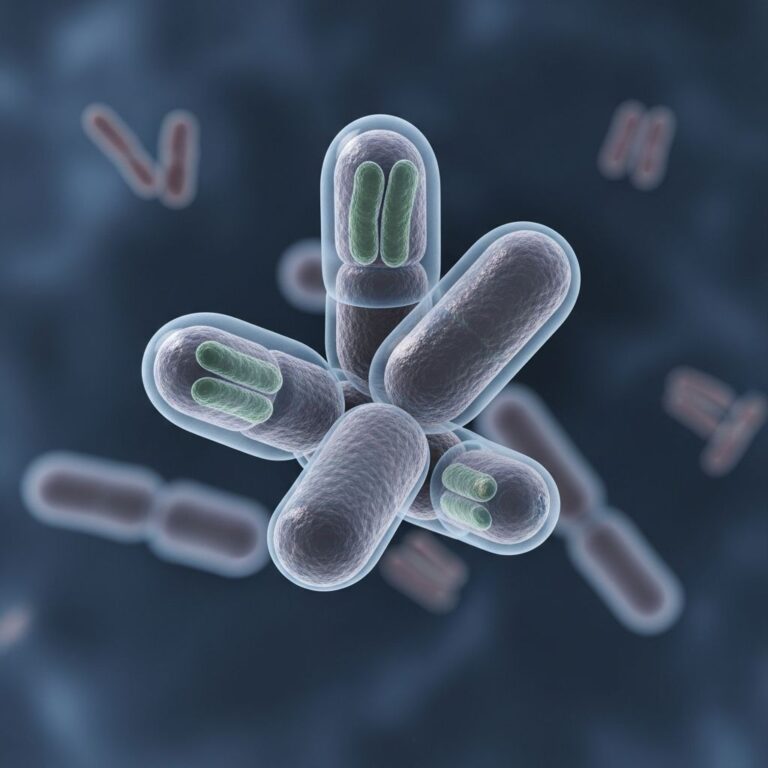
Hordeolum develops as a direct result of bacterial infection of the eyelid glands. The most common causative organism is Staphylococcus aureus, a pathogenic bacterium that colonizes the eyelid area. The infection typically begins when bacteria invade the sebaceous, sweat, or meibomian glands, leading to blockage of the gland ducts and subsequent inflammation and abscess formation.
Several risk factors increase the likelihood of developing a stye. Individuals with a history of meibomian gland dysfunction (MGD) have significantly elevated risk, as does those with blepharitis, an inflammatory condition of the eyelid margins. Poor eyelid hygiene, eye makeup left on overnight, contact lens contamination, and touching the eyes with unwashed hands can introduce bacteria to the eyelid area and precipitate infection. Additionally, conditions that compromise immune function or cause chronic inflammation of the eyelids create an environment conducive to hordeolum development.
Recognizing Symptoms
External Hordeolum Symptoms
External styes present with distinctive clinical manifestations that typically develop over one to two days. Initial symptoms include:
- Localized swelling and redness at the eyelid margin
- Pain and tenderness over the affected area
- A small yellowish pustule forming at the base of an eyelash
- Surrounding hyperemia and induration
- Diffuse edema of the eyelid
- Excessive tearing and watery discharge
- Foreign body sensation in the eye
- Crusting of the eyelid
Within two to four days, the pustule typically ruptures and discharges purulent material, which provides significant relief from pain and allows the lesion to resolve.
Internal Hordeolum Symptoms
Internal styes present with similar but sometimes more pronounced symptoms. The infection of the deeper meibomian glands often results in:
- Localized swelling, redness, and tenderness on the inner eyelid surface
- Mild to moderate pain confined to the lesion area
- Foreign body sensation or irritation
- Tearing and watery discharge
- Sensitivity to light (photophobia)
- Potential blurred vision if swelling disrupts the visual axis
- Possible fever or chills in severe cases
Related Stories



In some cases, generalized edema and erythema of the entire eyelid may precede the localization of the infection to a specific area. Many patients with internal hordeola report a history of similar previous eyelid lesions.
Diagnosis and Clinical Examination
The diagnosis of hordeolum is primarily clinical, based on thorough history taking and careful physical examination. During the external inspection, ophthalmologists and optometrists observe for localized, red, and tender swelling at the eyelid margin. External hordeola appear as superficial swellings near the lash line, while internal hordeola present as deeper swellings within the tarsal plate that may not be immediately visible.
Palpation of the lesion reveals tenderness and may demonstrate fluctuance if pus is present. Examination of the conjunctivae and sclerae typically shows mild bulbar conjunctival injection, with adjacent scleral areas remaining unaffected unless the infection has extended beyond its initial location. In some cases, mild preauricular lymphadenopathy may develop, particularly if secondary infection has occurred.
Importantly, clinicians differentiate hordeola from chalazion based on the presence of pain and tenderness, which are characteristic of styes but absent in the painless, chronic chalazion. The acute onset of symptoms further distinguishes styes from other chronic eyelid conditions such as blepharitis or benign eyelid masses.
Understanding Pathophysiology
The development of hordeolum involves a series of physiological events. Bacterial colonization of the eyelid glands initiates blockage of the affected gland ducts. This obstruction triggers a cascade of inflammatory responses, including neutrophilic infiltration and localized inflammation. The immune system responds to contain the infection by forming an abscess, which is the characteristic pustule observed clinically.
Associated pathophysiological changes include edema and vascular congestion, as the acute inflammatory response causes swelling and engorgement of nearby blood vessels. In chronic or recurrent cases, fibrosis may develop as a consequence of prolonged inflammation. Chronic inflammation can be characterized by granulomatous reactions, and lipid-laden macrophages may appear if the stye progresses to or coexists with a chalazion.
Treatment Options
Conservative Management
Most hordeola respond well to conservative treatment approaches. Warm compresses applied to the affected eyelid for 10-15 minutes multiple times daily can significantly hasten resolution of the lesion. The warmth promotes blood circulation to the area, aids in drainage, and provides symptomatic relief. This simple intervention should be initiated as soon as symptoms appear and continued throughout the healing process.
Antibiotic Treatment
While many styes resolve independently, topical or systemic antibiotic therapy may be prescribed, particularly for severe cases or when signs of secondary infection are present. Topical antibiotics can be applied directly to the eyelid margin to combat bacterial infection and prevent complications. In cases of significant inflammation or risk of systemic spread, oral antibiotics may be recommended.
Advanced Treatment Options
For styes that do not respond to conservative treatment or in cases of significant pain and inflammation, additional interventions may be necessary. Intralesional corticosteroid injections can reduce inflammation and accelerate healing. In some instances, incision and drainage of the lesion may be performed to facilitate the release of purulent material and relieve symptoms more rapidly.
Incision and Drainage
When conservative measures fail or when the abscess causes significant discomfort, minor surgical intervention involving incision and drainage may be indicated. This procedure should be performed by a qualified healthcare professional to ensure proper technique and minimize complications. Following drainage, appropriate wound care and antibiotic therapy help prevent recurrence and infection.
Recovery and Timeline
The typical timeline for hordeolum resolution varies depending on the type and severity. External hordeola generally progress through distinct phases: initial localization occurs within one to two days, followed by pustule formation and surrounding inflammation. Most external styes spontaneously rupture and discharge pus within two to four days, providing rapid symptom relief. Complete resolution typically occurs within one to two weeks.
Internal hordeola may follow a more protracted course. Spontaneous rupture is less common with internal styes compared to external ones. When internal hordeola do rupture, the discharge usually occurs through the conjunctival side of the eyelid, though occasionally rupture through the skin side may occur. The inflammatory response may be more severe with internal hordeola, sometimes accompanied by systemic symptoms such as fever or chills.
Potential Complications
While most hordeola resolve without complications, timely management is important to prevent progression to more serious conditions. Untreated or inadequately treated styes may develop preseptal cellulitis, a spreading bacterial infection of the tissues surrounding the eye. This serious complication requires aggressive antibiotic therapy and immediate medical attention.
Additionally, recurrent or improperly treated hordeola may progress to or coexist with chalazion, a chronic granulomatous inflammation of the meibomian glands. Understanding these potential progressions underscores the importance of appropriate initial management and prevention of recurrence.
Prevention Strategies
Reducing the risk of hordeolum development requires attention to eyelid hygiene and general eye health practices. Regular eyelid cleansing with warm water and mild soap removes bacteria and oil buildup. Individuals should avoid touching the eyes with contaminated hands and refrain from sharing eye cosmetics, contact lenses, or eye care implements with others. Removing eye makeup before sleep is essential, as leaving cosmetics on overnight can lead to eyelid gland blockage and bacterial overgrowth.
Contact lens wearers should follow strict hygiene protocols, including proper lens cleaning and storage. For those with blepharitis or meibomian gland dysfunction, regular warm compresses and eyelid margin hygiene can significantly reduce recurrence risk. Maintaining overall immune health through proper nutrition, adequate sleep, and stress management further supports eyelid health and reduces infection susceptibility.
When to Seek Medical Attention
While many styes resolve independently, certain situations warrant professional evaluation. Individuals should seek medical care if the stye causes vision problems, if symptoms persist beyond two weeks, if the infection shows signs of spreading beyond the initial area, or if systemic symptoms such as fever develop. Additionally, recurrent hordeola should prompt investigation into underlying eyelid conditions such as blepharitis or meibomian gland dysfunction, which may require specific management.
Those with compromised immune systems, severe pain, or signs of preseptal cellulitis should seek immediate medical attention. Immunocompromised individuals may experience more severe or prolonged infections requiring aggressive treatment.
Differentiating from Similar Conditions
Hordeolum must be distinguished from chalazion, another common eyelid condition with overlapping initial presentation. Key differentiators include the presence of pain and tenderness in styes compared to the painless nature of chalazia. Hordeola present with acute onset of symptoms, whereas chalazia develop more insidiously. Additionally, chalazia tend to involve less inflammation and follow a more chronic course. While both conditions may initially cause eyelid hyperemia and edema, the clinical trajectory and response to treatment differ significantly.
Frequently Asked Questions
Q: Is a stye contagious?
A: While the bacterium causing a stye (typically Staphylococcus aureus) can be transmitted through close contact or contaminated items, styes themselves are not directly contagious. Practicing good hygiene prevents transmission of bacteria to others.
Q: Can I wear contact lenses with a stye?
A: It is generally recommended to avoid contact lens wear during an acute hordeolum infection. Contact lenses can trap bacteria against the cornea and worsen the infection. Glasses should be used until the stye has fully resolved.
Q: How long does a stye typically last?
A: External hordeola typically resolve within one to two weeks, often with spontaneous drainage occurring within two to four days. Internal hordeola may take longer to resolve and have a lower rate of spontaneous rupture.
Q: Can I pop or squeeze a stye?
A: No. Attempting to pop or squeeze a stye can spread bacteria, cause scarring, and increase the risk of complications. Allow the stye to rupture naturally or seek professional drainage if necessary.
Q: What causes recurrent styes?
A: Recurrent hordeola may result from untreated blepharitis, meibomian gland dysfunction, poor eyelid hygiene, or compromised immune function. Evaluating and addressing underlying conditions helps prevent recurrence.
References
- Hordeolum (Stye) – StatPearls — National Center for Biotechnology Information (NCBI), National Institutes of Health. 2024. https://www.ncbi.nlm.nih.gov/books/NBK459349/
- Chalazion and Hordeolum (Stye) – Eye Disorders — Merck Manuals Professional Edition. 2024. https://www.merckmanuals.com/professional/eye-disorders/eyelid-and-lacrimal-disorders/chalazion-and-hordeolum-stye
- Stye (Sty) – Symptoms & Causes — Mayo Clinic. 2024. https://www.mayoclinic.org/diseases-conditions/sty/symptoms-causes/syc-20378017
- Hordeolum (Stye) — American Optometric Association (AOA). 2024. https://www.aoa.org/healthy-eyes/eye-and-vision-conditions/hordeolum
- Hordeolum: Causes, Symptoms, Treatments, Recovery — Med Park Hospital. 2024. https://www.medparkhospital.com/en-US/disease-and-treatment/hordeolum
- Stye (Hordeolum) — Boston Children’s Hospital. 2024. https://www.childrenshospital.org/conditions/stye-hordeolum
Similar Articles








Read full bio of medha deb