Hormonal Acne: Causes, Treatment & Prevention
Understand the causes, symptoms, and effective treatments for hormonal acne in adults.
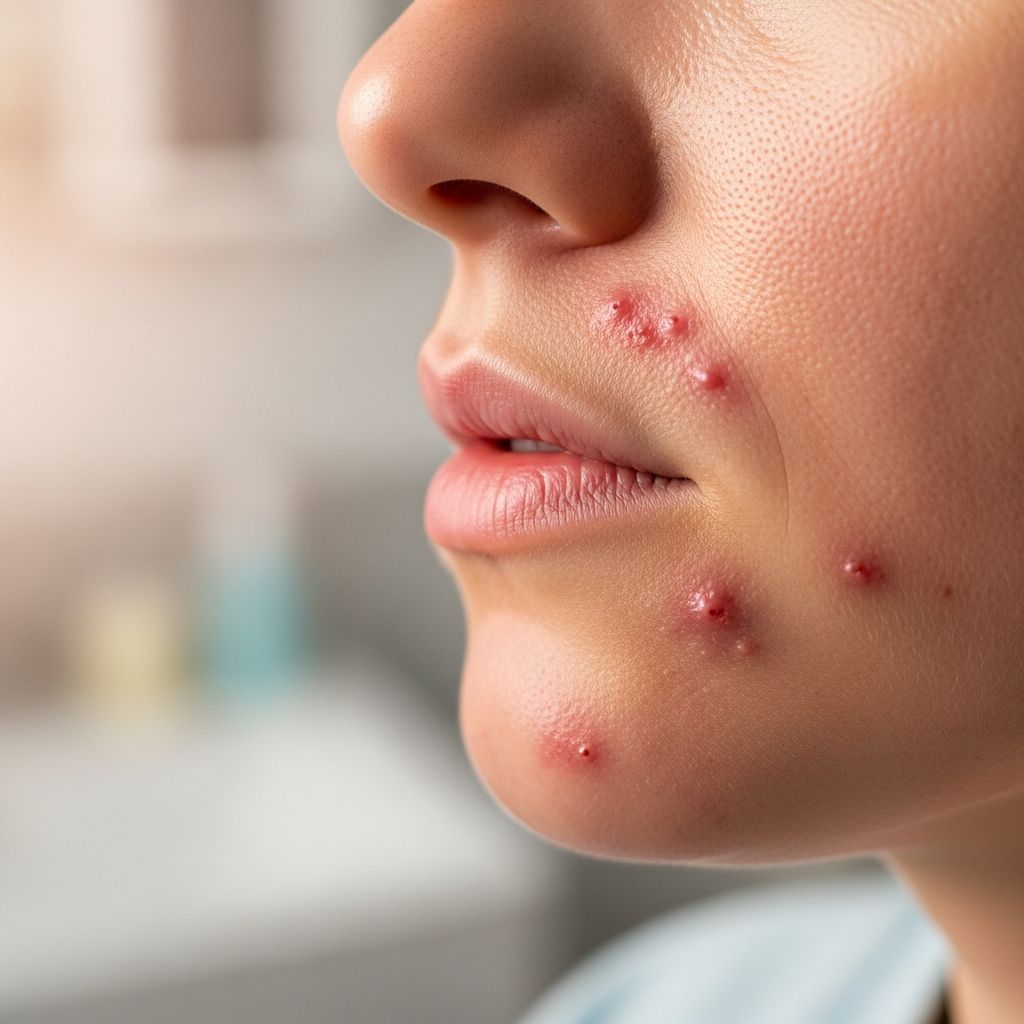
What Is Hormonal Acne?
Hormonal acne, also known as adult acne, is a type of acne triggered by changes in hormone levels. It most commonly affects adults between the ages of 20 and 50, especially women, but can occur at any point during adulthood. Hormonal acne is characterized by breakouts that range from mild blackheads and whiteheads to severe, painful cysts. These breakouts are caused by the overproduction of sebum, an oily substance produced by the skin’s oil glands, which clogs pores and leads to pimples.
Who Is Affected by Hormonal Acne?
Hormonal acne affects both men and women, but it is most prevalent in women, particularly those who are pregnant or going through menopause. Acne is the most common skin condition in the United States, affecting nearly 80% of the population at some point in their lives. About 50% of women in their 20s and 25% of women in their 40s experience hormonal acne.
Causes of Hormonal Acne
Hormonal acne is directly linked to fluctuations in hormone levels, especially androgens like testosterone. These hormones stimulate the sebaceous glands to produce more sebum, which can clog pores and lead to acne. Common causes of hormonal acne include:
- Menstrual cycles: Hormonal changes during the menstrual cycle can trigger breakouts, especially around the chin and jawline.
- Pregnancy: Hormonal fluctuations during pregnancy can cause acne, though it often improves as pregnancy progresses.
- Menopause: A drop in estrogen and an increase in androgen during menopause can lead to increased oil production and acne.
- Polycystic ovary syndrome (PCOS): PCOS is a hormonal imbalance that can cause irregular periods, excessive hair growth, weight gain, and painful cystic acne.
- Medications: Certain medications, including some birth control pills and hormone therapies, can contribute to hormonal acne.
Symptoms of Hormonal Acne
Hormonal acne can appear as various types of lesions, including:
- Blackheads
- Whiteheads
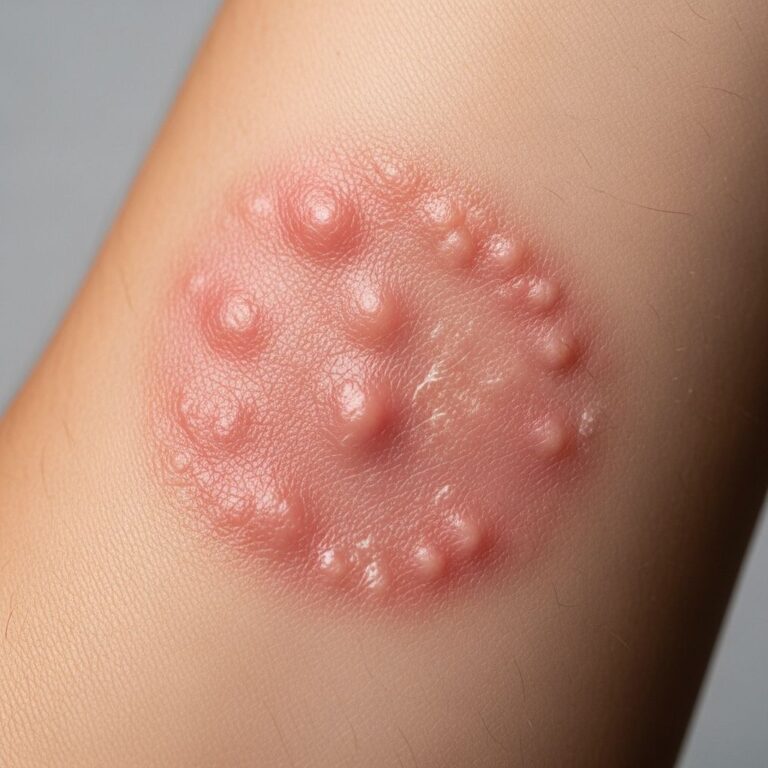
- Papules (small, red bumps)
- Pustules (pus-filled pimples)
- Nodules (large, painful lumps beneath the skin)
- Cysts (deep, painful, pus-filled lumps)
These lesions are most likely to appear on the cheeks, chin, jawline, and upper neck. Hormonal acne is often deeper, bigger, and more inflamed than acne in other areas of the face.
Diagnosis of Hormonal Acne
Hormonal acne is diagnosed during a physical examination by a healthcare provider. The provider will look at the acne and assess contributing factors, such as:
- Medical history
- Hormonal changes
- Medications
- Lifestyle factors
Based on the severity of the acne, different treatment options are available to reduce sebum production, pimple formation, and painful inflammation.
Treatment Options for Hormonal Acne
Treatment for hormonal acne depends on the severity of the breakouts and the underlying causes. Common treatment options include:
- Topical treatments: Products containing benzoyl peroxide, salicylic acid, or retinoids can help unclog pores and reduce inflammation.
- Oral medications: Antibiotics, oral contraceptives, and medications like spironolactone can help regulate hormones and reduce acne.
- Hormonal therapy: For women, hormonal therapy with birth control pills or other medications can help balance hormone levels and reduce acne.
- Isotretinoin (Accutane®): For severe, cystic acne, isotretinoin may be prescribed to reduce oil production and prevent scarring.
Related Stories



Prevention of Hormonal Acne
While hormonal acne can be difficult to prevent entirely, there are several steps you can take to reduce your risk of breakouts:
- Use gentle cleansers and avoid harsh soaps that can irritate the skin.
- Wash your face twice a day with warm water and a mild cleanser.
- Exfoliate regularly to remove dead skin cells and prevent clogged pores.
- Wear light, breathable clothing and shower after exercising.
- Change your sheets regularly to reduce exposure to bacteria.
- Avoid touching your face with dirty hands or using dirty cell phones.
- Be mindful of medications and hormonal therapies that may contribute to acne.
When to See a Dermatologist
If your acne is not improving with over-the-counter treatments or is worsening, it is recommended to see a dermatologist. A dermatologist can offer more advanced treatment options to control your acne and prevent scarring. Persistent acne can lead to permanent scarring and potential self-esteem issues if left untreated.
Frequently Asked Questions (FAQs)
Q: What is the difference between hormonal acne and fungal acne?
A: Hormonal acne is caused by excess sebum production due to hormonal changes, while fungal acne is caused by an overgrowth of yeast in the hair follicles. Hormonal acne typically appears as deep, inflamed pimples, while fungal acne often causes itchy, red, and irritated bumps.
Q: Can hormonal acne be prevented?
A: While hormonal acne cannot be completely prevented, especially during hormone changes, you can reduce your risk by maintaining a good skincare routine, avoiding harsh products, and being mindful of medications and hormonal therapies.
Q: What are the best treatments for hormonal acne?
A: The best treatments for hormonal acne depend on the severity and underlying causes. Topical treatments, oral medications, hormonal therapy, and isotretinoin are common options. Consult a healthcare provider for personalized treatment recommendations.
Q: Can men get hormonal acne?
A: Yes, men can get hormonal acne, especially during growth spurts or due to hormonal imbalances. However, hormonal acne is more common in women.
Q: Is hormonal acne contagious?
A: No, hormonal acne is not contagious. It is caused by internal hormonal changes and not by bacteria or viruses that can be spread from person to person.
References
- Hormonal Acne: What Is It, Treatment, Causes & Prevention — Cleveland Clinic. 2023. https://my.clevelandclinic.org/health/diseases/21792-hormonal-acne
- Adult Acne: Causes and Treatments — Health Cleveland Clinic. 2023. https://health.clevelandclinic.org/adult-acne-blackheads
- Acne Face Map: The Cause of These Breakouts — Health Cleveland Clinic. 2023. https://health.clevelandclinic.org/acne-face-map
Similar Articles








Read full bio of medha deb