Hormonal Imbalance: Causes, Symptoms & Treatment
Understanding hormonal imbalances: symptoms, causes, and evidence-based treatment options.
What Is a Hormonal Imbalance?
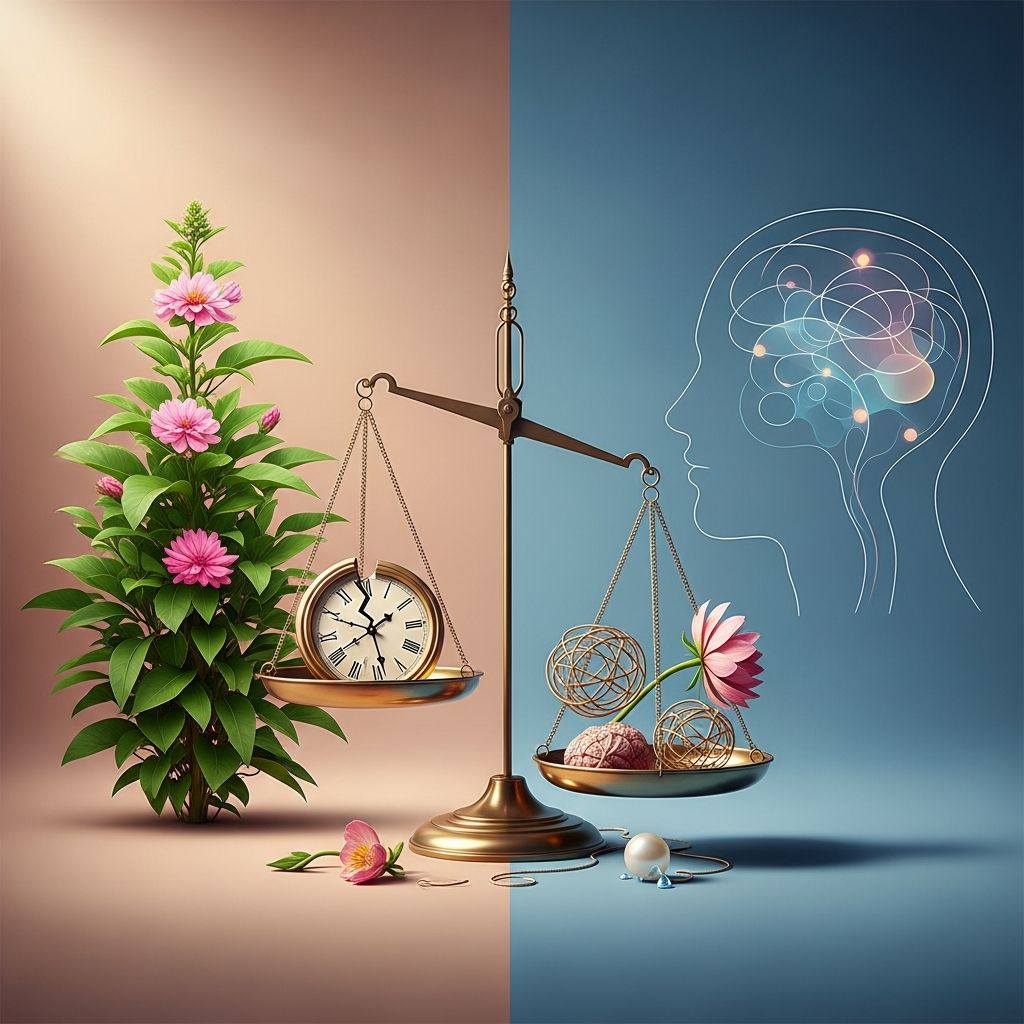
A hormonal imbalance occurs when you have too much or too little of one or more hormones—your body’s chemical messengers. This broad term can represent many different hormone-related conditions that affect how your body functions. Hormones are powerful signals that coordinate essential bodily functions by carrying messages through your bloodstream to your organs, skin, muscles, and tissues. For many hormones, even a slight deviation from normal levels can trigger significant changes in your body and lead to conditions requiring medical treatment.
Your body produces over 50 different hormones, each contributing to important physiological processes. When any of these hormones become imbalanced, you could experience various symptoms depending on which specific hormonal imbalance you have. Some hormonal imbalances are temporary and may resolve on their own, while others are chronic, long-term conditions requiring ongoing management. Additionally, while some imbalances require treatment to maintain physical health, others may not impact your health directly but can significantly affect your quality of life.
Common Hormonal Imbalance Conditions
Dozens of medical conditions result from hormone-related issues. Understanding the most common hormone-related conditions can help you identify potential problems and seek appropriate care:
- Polycystic Ovary Syndrome (PCOS)
- Thyroid disorders (hyperthyroidism and hypothyroidism)
- Diabetes and prediabetes
- Menopause and perimenopause
- Adrenal insufficiency
- Growth hormone deficiency
- Hyperprolactinemia (excess prolactin)
Hormonal Imbalances Affecting Metabolism
Your metabolism comprises the chemical reactions in your body’s cells that convert food into energy. Many different hormones and processes are involved in this essential function. When hormones that regulate metabolism become imbalanced, you may experience noticeable changes in your body’s ability to process energy efficiently.
Symptoms of metabolic hormonal imbalances include:
- Difficulty losing weight or unexplained weight gain
- Hair loss or thinning hair
- Fatigue and low energy levels
- Difficulty concentrating or brain fog
- Cold intolerance or feeling unusually cold
- Constipation or digestive changes
- Dry skin
- Slow heart rate
It’s important to note that symptoms like difficulty losing weight or hair loss aren’t always related to hormonal imbalances. These issues could stem from dietary factors, lifestyle choices, nutritional deficiencies, or other underlying health conditions. A thorough evaluation by a healthcare provider is essential to determine the actual cause.
Sex Hormone Imbalances in Females
Females can experience imbalances of the sex hormones estrogen and progesterone, which the ovaries produce. Additionally, females can have excess testosterone and androgens, male hormones that females also naturally produce in small amounts. An imbalance in these sex hormones can cause various symptoms that may significantly impact daily life.
Symptoms of female sex hormone imbalance include:
- Irregular menstrual periods or missed periods
- Heavy or light menstrual bleeding
- Night sweats and hot flashes
- Vaginal dryness
- Breast tenderness
- Mood changes, including depression or anxiety
- Decreased sex drive or libido
- Weight gain, particularly around the abdomen and hips
- Acne and oily skin
- Excess hair growth (hirsutism) or hair loss
- Darkening of the skin, particularly on the face (melasma)
- Difficulty sleeping or insomnia
Common Causes of Hormonal Imbalances
Hormonal imbalances can result from various causes, ranging from temporary fluctuations to chronic conditions. Understanding these causes is crucial for proper diagnosis and treatment planning.
Related Stories



Temporary or Manageable Causes
Several factors can cause temporary hormonal fluctuations that may resolve with simple interventions:
- Stress and inadequate stress management
- Poor sleep quality or sleep deprivation
- Excessive exercise without proper recovery
- Significant weight loss or weight gain
- Nutritional deficiencies
- Certain medications that affect hormone levels
- Caffeine and alcohol consumption
- Pregnancy and postpartum period
These hormonal imbalances are more likely to be temporary or fixable with medication changes or proper stress management. In many cases, lifestyle modifications can help restore hormonal balance without requiring long-term medical intervention.
Chronic Hormonal Conditions
Several conditions cause medically significant, long-term hormonal imbalances that typically require ongoing management:
Endocrine Gland Growths
Any growth on a gland or organ that produces hormones—such as a tumor, adenoma, or nodule—can affect its ability to regulate hormone production appropriately. Tumors form in glands or cells that produce hormones and can cause significant hormonal imbalances. Adenomas are benign (noncancerous) tumors, and while many are nonfunctioning and don’t produce hormones, some functioning adenomas produce excess hormones. Thyroid nodules, unusual growths of cells in the thyroid gland, can cause hyperthyroidism (excess thyroid hormone) or hypothyroidism (insufficient thyroid hormone).
Endocrine Gland Damage or Injury
Any damage or injury to an endocrine gland can cause hormonal imbalances, typically resulting in a deficiency of hormones. Such damage could result from infections, radiation exposure, surgery, head injuries, or complications from other medical conditions.
Autoimmune Endocrine Conditions
Autoimmune diseases occur when your immune system accidentally attacks part of your body instead of protecting it. When your immune system attacks a gland or organ that produces hormones, it causes a hormonal imbalance. Common autoimmune endocrine conditions include Hashimoto’s thyroiditis, Graves’ disease, Type 1 diabetes, and Addison’s disease.
Polycystic Ovary Syndrome (PCOS)
PCOS is a common hormonal condition affecting people assigned female at birth. It occurs when the ovaries create excess hormones, particularly androgens. This hormonal imbalance disrupts the menstrual cycle, affects ovulation, and may impact fertility. PCOS has a genetic or hereditary component, meaning if your biological parent has PCOS, you may be more likely to develop it. People with PCOS have an increased risk for certain health conditions, including diabetes and high blood pressure.
Diagnosis of Hormonal Imbalances
Diagnosing hormonal imbalances requires a comprehensive approach. Healthcare providers typically begin with a thorough patient history, discussing symptoms and when they began. The specific tests ordered depend on the suspected hormonal imbalance and the symptoms presented. Testing may include checking estrogen, testosterone, or thyroid hormone levels. In cases with significant menstrual irregularities, providers may order more extensive testing, while those with regular cycles and other symptoms might undergo different tests, such as thyroid function tests, or the provider may engage in more detailed listening and discussion before ordering additional investigations.
Treatment Options for Hormonal Imbalances
Treatment for a hormonal imbalance depends on the underlying cause and the specific hormones involved. Several approaches are available to restore hormonal balance and manage symptoms effectively.
Hormone Replacement Therapy
If you have lower-than-normal hormone levels, the primary treatment is hormone replacement therapy. Depending on which hormone is deficient, you may take oral medication (pills) or injection medication. For example, if you have low thyroid hormone levels (hypothyroidism), your provider can prescribe synthetic thyroid hormone pills. If you have growth hormone deficiency, you’ll likely receive injections of synthetic growth hormone. For low estrogen, especially during menopause, hormone replacement therapy involves prescribing small doses of estrogen to boost your level or a combination of estrogen and progesterone (or the synthetic version of progesterone, progestin). However, hormone replacement therapy comes with risks and isn’t suitable for everyone, so discussing your candidacy with your healthcare provider is essential.
Medication-Based Approaches
Beyond hormone replacement, various medications can help manage hormonal imbalances. Contraceptive medications can help regulate menstrual cycles and manage sex hormone imbalances. Additional medications may target specific conditions causing the imbalance, such as medications for thyroid disorders or PCOS management.
Lifestyle Modifications
Several lifestyle changes can help normalize hormone levels and improve overall health:
- Stress management techniques including meditation, yoga, or deep breathing exercises
- Regular physical activity and appropriate exercise intensity
- Adequate sleep (7-9 hours nightly for most adults)
- Balanced nutrition with adequate protein, healthy fats, and complex carbohydrates
- Weight management through healthy practices
- Limiting caffeine and alcohol consumption
- Regular medical check-ups and monitoring
Vitamin and Nutritional Supplements
Depending on your specific condition, your doctor or endocrinologist may recommend vitamin supplements to support hormonal health. Certain deficiencies can contribute to hormonal imbalances, and supplementation can help address these underlying issues.
Prevention and Management Strategies
While you cannot always prevent conditions associated with hormonal imbalances, implementing good practices can help maintain overall health and minimize your risk:
- Maintain a balanced diet rich in nutrients
- Exercise regularly and consistently
- Manage stress through appropriate coping mechanisms
- Get sufficient, quality sleep each night
- Maintain a healthy weight
- Limit alcohol and avoid smoking
- Have regular health screenings and check-ups
- Follow your healthcare provider’s recommendations for monitoring and treatment
Frequently Asked Questions
Q: How can I tell if my symptoms are due to a hormonal imbalance?
A: Many symptoms associated with hormonal imbalances overlap with other conditions. A healthcare provider can perform appropriate testing and evaluation to determine whether your symptoms stem from hormonal imbalance or other causes. Keep track of your symptoms and when they occur to help your provider make an accurate diagnosis.
Q: Are hormonal imbalances more common in women?
A: While certain hormonal imbalances like PCOS and menopause-related conditions are more prevalent in women, men can also experience hormonal imbalances affecting testosterone, thyroid function, and growth hormone levels. Hormonal imbalances can affect anyone at any age.
Q: Can hormonal imbalances resolve on their own?
A: Some hormonal imbalances are temporary and may resolve with lifestyle changes, stress management, or improved sleep and nutrition. However, chronic conditions like PCOS, thyroid disorders, and autoimmune endocrine conditions typically require ongoing medical management.
Q: What should I do if I suspect a hormonal imbalance?
A: Schedule an appointment with your primary care physician or an endocrinologist. Be prepared to describe your symptoms, when they started, and any other health concerns. Your provider can order appropriate tests and develop a treatment plan tailored to your specific needs.
Q: Are there natural remedies for hormonal imbalances?
A: While lifestyle modifications like stress management, exercise, and balanced nutrition can support hormonal health, many hormonal imbalances require medical treatment. Always consult with your healthcare provider before trying natural remedies or supplements, as they may interact with medications or not be appropriate for your specific condition.
References
- Hormonal Imbalance: Causes, Symptoms & Treatment — Cleveland Clinic. 2024. https://my.clevelandclinic.org/health/diseases/22673-hormonal-imbalance
- What to Know about Hormone Imbalances in Women — Cleveland Clinic Newsroom. 2022-05-31. https://newsroom.clevelandclinic.org/2022/05/31/what-to-know-about-hormone-imbalances-in-women
- PCOS (Polycystic Ovary Syndrome): Symptoms & Treatment — Cleveland Clinic. 2024. https://my.clevelandclinic.org/health/diseases/8316-polycystic-ovary-syndrome-pcos
- Estrogen: Hormone, Function, Levels & Imbalances — Cleveland Clinic. 2024. https://my.clevelandclinic.org/health/body/22353-estrogen
- How Hormone Levels Affect Your Health — Cleveland Clinic Abu Dhabi. 2024. https://www.clevelandclinicabudhabi.ae/en/health-byte/health/how-hormones-affect-your-health
- Hormones: What They Are, Function & Types — Cleveland Clinic. 2024. https://my.clevelandclinic.org/health/articles/22464-hormones
Similar Articles








Read full bio of Sneha Tete