Endocrine System: 7 Major Glands And Their Hormones
Understanding how hormones regulate your body's essential functions and maintain overall health.
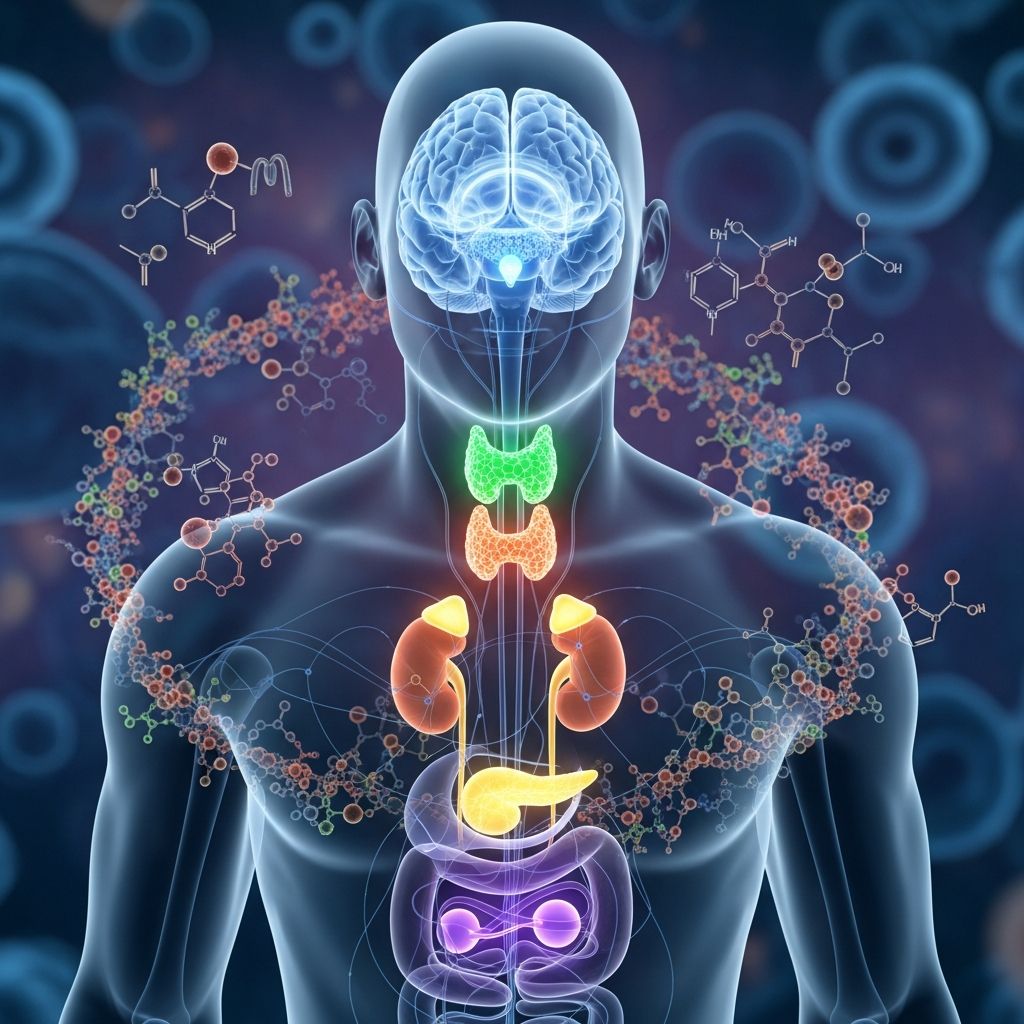
Understanding Hormones and the Endocrine System
The endocrine system is your body’s chemical messenger system, comprising specialized glands that produce and secrete hormones directly into the bloodstream. Unlike exocrine glands that release their products through ducts, endocrine glands are ductless and deliver their chemical messengers directly into your circulatory system. These hormones travel throughout your body, acting on distant cells by binding to specific receptor proteins and triggering cellular responses that regulate virtually every aspect of your physical health and emotional well-being.
Hormones influence an extraordinary range of bodily functions, from basic metabolism and growth to reproduction, sleep patterns, blood pressure regulation, and emotional stability. The endocrine system works in concert with your nervous system to maintain homeostasis—the body’s ability to maintain internal stability and equilibrium despite external changes. Understanding how this intricate system functions is essential for recognizing when something may be amiss and appreciating the remarkable coordination required to keep your body functioning optimally.
The Three Classes of Hormones
Hormones are classified into three distinct categories based on their chemical composition, and each type interacts with target cells in different ways. Understanding these classifications helps explain how hormones can have such diverse and powerful effects throughout your body.
Steroid Hormones
Steroid hormones are derived from cholesterol and are produced primarily by the gonads and adrenal cortex. These lipid-soluble molecules have a unique mechanism of action compared to other hormone types. Because they are fat-soluble, steroid hormones can pass through cell membranes and enter target cells directly. Once inside, they bind to receptor proteins located in the cytoplasm or nucleus, where they subsequently bind to segments of deoxyribonucleic acid (DNA). This binding regulates the activity of hormone-responsive genes, controlling gene expression and protein synthesis within the cell. This mechanism allows steroid hormones to produce relatively long-lasting effects on cell function.
Amino Acid and Peptide Hormones
The majority of hormones in your body belong to the amino acid and peptide hormone classes. These include amines and protein hormones, which are water-soluble molecules that cannot easily pass through cell membranes. Instead, these hormones bind to specific receptor proteins on the surface of target cells, initiating signal transduction pathways that trigger cellular responses. Because they work through surface receptors rather than entering cells, amino acid and peptide hormones typically produce more rapid but shorter-lasting effects compared to steroid hormones.
Hormone Regulation and Feedback Mechanisms
Your body maintains hormone levels through a sophisticated regulatory system that ensures hormones remain within optimal ranges. Most hormones are controlled by a negative feedback mechanism, a self-regulating process that maintains stability and equilibrium in the body, or homeostasis.
How Negative Feedback Works
When hormone levels reach a certain threshold, the hypothalamus and pituitary glands—which serve as master regulators of hormone production—cease hormone secretion. This prevents excessive hormone accumulation. Conversely, when hormone levels fall below the desired point, these regulatory glands resume hormone production and secretion. This back-and-forth adjustment keeps hormone levels precisely balanced. For example, when the adrenocorticotrophic hormone (ACTH) signals the adrenal glands to produce cortisol, elevated cortisol levels eventually signal the hypothalamus and pituitary to reduce ACTH secretion, preventing cortisol from reaching harmful levels.
Major Endocrine Glands and Their Hormones
The endocrine system comprises several major glands, each with specialized functions and specific hormones they produce. These glands work together through complex feedback loops to regulate your body’s fundamental processes.
Related Stories



The Hypothalamus and Pituitary Gland
The hypothalamus, located in the brain adjacent to the pituitary gland, serves as a key regulator of the autonomic nervous system and links the endocrine system to the nervous system. The hypothalamus produces several important hormones that regulate the pituitary gland and, consequently, other endocrine glands throughout your body.
Hormones produced by the hypothalamus include:
- Vasopressin (antidiuretic hormone) — regulates blood pressure, electrolyte levels, and water retention in the kidneys
- Oxytocin — stimulates uterine contractions during labor and milk ejection during breastfeeding
- Dopamine — inhibits secretion of prolactin
- Somatostatin — inhibits the release of growth hormone
- Growth hormone-releasing hormone — stimulates the release of growth hormone
- Corticotropin-releasing hormone — regulates adrenocorticotrophic hormone (ACTH) release
- Gonadotropin-releasing hormone — stimulates luteinizing hormone (LH) and follicle-stimulating hormone (FSH) release, contributing to sexual and reproductive processes
- Thyrotropin-releasing hormone — regulates thyroid-stimulating hormone (TSH) secretion
The pituitary gland itself has two distinct sections: the anterior and posterior pituitary. The anterior pituitary produces hormones including TSH, ACTH, LH, FSH, prolactin, and growth hormone in response to signals from the hypothalamus. The posterior pituitary stores and releases hormones produced by the hypothalamus, including antidiuretic hormone and oxytocin.
The Thyroid Gland
The thyroid gland, located in the neck, produces thyroid hormones (T3 and T4) in response to TSH stimulation from the pituitary. These hormones regulate metabolic activity and the rate of all cells, including cell growth and tissue differentiation. Thyroid hormones are crucial for maintaining proper energy expenditure, body temperature, and overall metabolism.
The Parathyroid Glands
These small glands embedded in the thyroid produce parathyroid hormone (PTH), which regulates calcium balance in your blood and bones. PTH works alongside vitamin D to ensure calcium levels remain optimal for bone health, nerve transmission, and muscle contraction.
The Adrenal Glands
The adrenal glands sit atop each kidney and consist of two distinct regions with different functions. The adrenal medulla produces epinephrine (adrenaline) and norepinephrine (noradrenaline), which are released in response to stress or strong emotions such as fear or anger. These hormones activate your autonomic nervous system’s fight-or-flight response, increasing heart rate, blood pressure, and glucose availability for immediate energy.
The adrenal cortex produces cortisol and aldosterone. Cortisol is a long-term stress hormone that regulates blood glucose levels, the sleep-wake cycle, mood, immune function, and inflammation. Aldosterone maintains water and electrolyte balance and helps regulate blood pressure by controlling sodium and potassium levels.
The Pancreas
The pancreas serves dual roles as both an endocrine and exocrine gland. Its endocrine function involves producing insulin and glucagon, hormones that manage blood glucose levels. Insulin lowers blood sugar by facilitating glucose uptake into cells, while glucagon raises blood sugar by stimulating glucose release from liver stores.
The Gonads: Ovaries and Testes
The gonads are responsible for producing sex hormones essential for reproductive development and function. The ovaries primarily produce estrogens, which regulate the menstrual cycle, maintain libido, and protect bone health. Progesterone, also produced by the ovaries, prepares the uterine lining for pregnancy and stimulates mammary gland development for milk production. Both estrogens and progesterone are crucial for maintaining female secondary sex characteristics.
The testes primarily produce testosterone, which increases muscle and bone mass, maintains libido, regulates sperm production, and controls red blood cell production. Testosterone is essential for developing and maintaining male secondary sex characteristics and supporting overall male health.
The Pineal Gland
The pineal gland, located deep within the brain, produces melatonin, a hormone that regulates your sleep-wake cycle. Melatonin production increases in darkness to promote sleep and decreases with light exposure, helping synchronize your circadian rhythms.
Hormone Functions and Their Effects
The hormones produced by your endocrine glands regulate numerous critical functions:
| Hormone/Gland | Primary Functions |
|---|---|
| Growth Hormone (GH) | Plays a pivotal role in growth and metabolism throughout life |
| Prolactin | Initiates milk production in nursing individuals |
| Thyroid Hormones (T3, T4) | Regulate metabolism and energy expenditure |
| Cortisol | Manages stress response and blood glucose levels |
| Aldosterone | Maintains water and electrolyte balance |
| Insulin & Glucagon | Regulate blood glucose levels |
| Estrogen & Progesterone | Regulate menstrual cycle and reproductive health |
| Testosterone | Supports muscle mass, bone health, and reproductive function |
Common Endocrine Disorders
When the endocrine system malfunctions, either producing too much or too little hormone, various disorders can develop. Understanding these conditions helps recognize when medical attention may be necessary.
Thyroid disorders represent some of the most common endocrine conditions. Hypothyroidism occurs when the thyroid produces insufficient hormones, leading to fatigue, weight gain, and slowed metabolism. Hyperthyroidism results from excessive thyroid hormone production, causing anxiety, weight loss, and increased heart rate.
Diabetes develops when the pancreas produces insufficient insulin or cells fail to respond properly to insulin, resulting in elevated blood glucose levels. Type 1 diabetes is an autoimmune condition where the immune system attacks insulin-producing cells, while Type 2 diabetes typically develops when cells become resistant to insulin.
Adrenal insufficiency occurs when the adrenal glands produce inadequate cortisol, causing fatigue, weakness, and low blood pressure. Conversely, Cushing’s syndrome develops when cortisol levels are excessively high, leading to weight gain, muscle weakness, and mood changes.
During menopause, the ovaries stop producing estrogens, causing symptoms such as hot flashes, heart palpitations, and brittle bones. Growth hormone deficiency in children can result in short stature, while excessive growth hormone in adults causes gigantism or acromegaly.
Maintaining Endocrine Health
Supporting your endocrine system involves lifestyle choices that promote hormonal balance. Adequate sleep is essential, as sleep deprivation disrupts cortisol and growth hormone production. Regular physical activity helps regulate blood glucose levels, improve insulin sensitivity, and reduce stress hormones. A balanced diet rich in nutrients, particularly iodine for thyroid function and calcium for bone health, supports endocrine gland function. Stress management through meditation, yoga, or other relaxation techniques helps prevent chronic elevation of stress hormones.
Maintaining a healthy weight reduces the risk of metabolic syndrome and Type 2 diabetes. Limiting exposure to endocrine-disrupting chemicals found in some plastics and pesticides can also support hormonal health. Regular medical check-ups allow early detection of endocrine disorders before they cause significant health problems.
Future Directions in Endocrine Medicine
Advancements in endocrinology continue to expand treatment options for endocrine disorders. The synthesis of bioidentical hormones offers safer alternatives to traditional hormone replacement therapies. Emerging research explores innovative treatments, including stem cell therapy and novel drug delivery methods designed to enhance management of endocrine conditions.
Frequently Asked Questions
Q: What is the primary difference between endocrine and exocrine glands?
A: Endocrine glands are ductless and secrete hormones directly into the bloodstream, while exocrine glands have ducts that deliver their secretions to specific locations like the skin or digestive tract.
Q: How do hormones know which cells to affect?
A: Hormones are chemical messengers that bind only to cells possessing specific receptor proteins for that particular hormone. This ensures hormones reach only their target cells, allowing precise body regulation.
Q: What causes hormone imbalances?
A: Hormone imbalances can result from gland dysfunction, autoimmune disease, tumors, medications, nutritional deficiencies, chronic stress, or aging. A healthcare provider can determine the underlying cause through testing.
Q: Can lifestyle changes help regulate hormones naturally?
A: Yes. Regular exercise, adequate sleep, stress management, balanced nutrition, and maintaining a healthy weight all support hormonal balance and endocrine system health.
Q: When should I see an endocrinologist?
A: Consider seeing an endocrinologist if you experience symptoms of hormone imbalance, have a family history of endocrine disorders, or have been diagnosed with a condition affecting your endocrine system.
References
- The Endocrine System—A Brief Overview — Nutrition Health Review. 2024. https://nutritionhealthreview.com/body-basics/the-endocrine-system-a-brief-overview/
- Endocrine Glands — EBSCO Research Starters – Health and Medicine. 2024. https://www.ebsco.com/research-starters/health-and-medicine/endocrine-glands
- Chapter 17 Endocrine System Terminology — National Center for Biotechnology Information (NCBI). 2024. https://www.ncbi.nlm.nih.gov/books/NBK607443/
- Endocrine System — Wikipedia. 2024. https://en.wikipedia.org/wiki/Endocrine_system
Similar Articles








Read full bio of Sneha Tete