Hormones During Pregnancy: A Comprehensive Guide
Understanding the vital role hormones play in pregnancy and how they affect your body and mind.
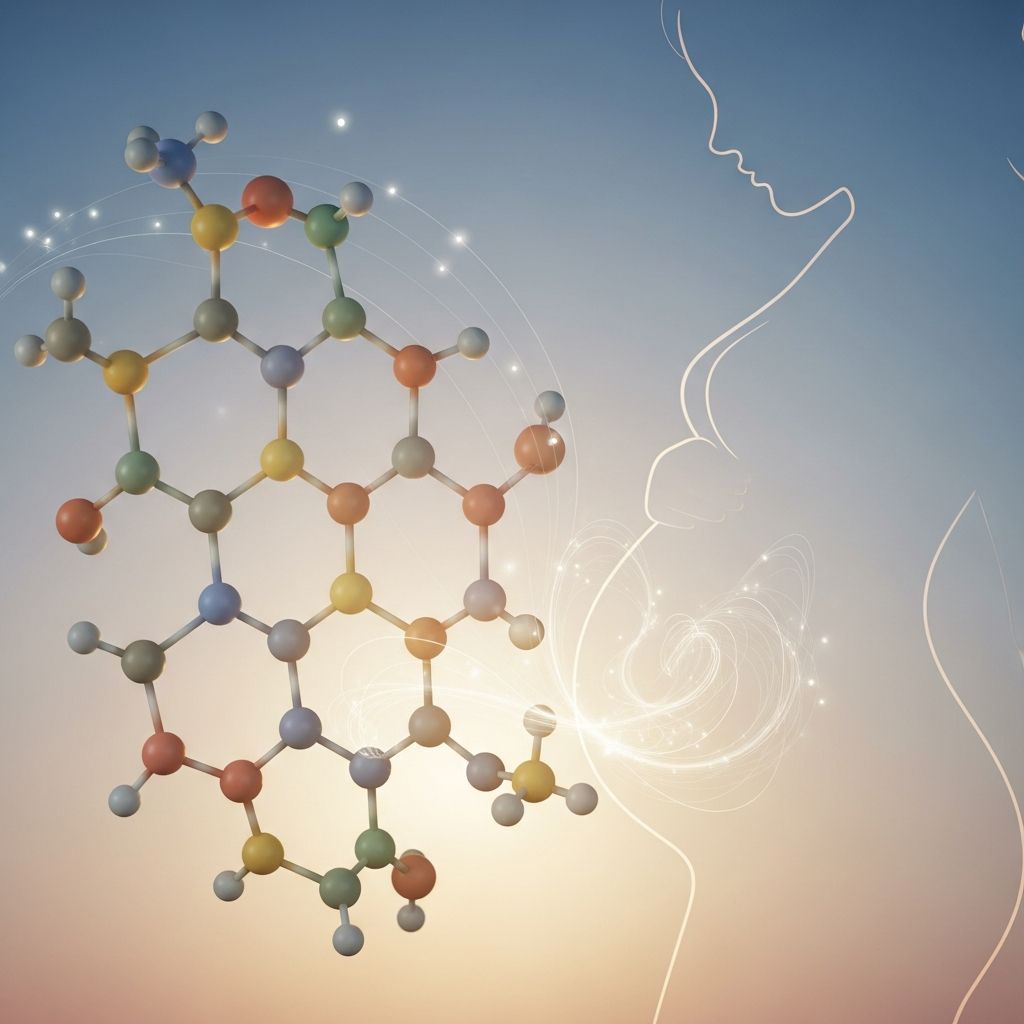
Pregnancy is a remarkable journey marked by profound changes in a woman’s body, most of which are driven by hormones. These chemical messengers play a crucial role in supporting fetal development, preparing the body for childbirth, and influencing both physical and emotional health. Understanding the key hormones involved in pregnancy can help expectant mothers navigate this transformative period with greater confidence and awareness.
Major Hormones in Pregnancy
Several hormones are essential for a healthy pregnancy. Each has a unique function and contributes to the complex process of gestation. The primary hormones include:
- Human Chorionic Gonadotropin (hCG)
- Human Placental Lactogen (hPL)
- Estrogen
- Progesterone
Human Chorionic Gonadotropin (hCG)
Human chorionic gonadotropin (hCG) is a hormone produced almost exclusively by the placenta during pregnancy. Its levels rise rapidly in the first trimester, peaking around 8–11 weeks. hCG is responsible for maintaining the corpus luteum, which in turn produces progesterone until the placenta takes over. Elevated hCG levels are often associated with early pregnancy symptoms such as nausea and vomiting, commonly known as morning sickness.
Human Placental Lactogen (hPL)
Also known as human chorionic somatomammotropin, hPL is produced by the placenta. This hormone plays a vital role in providing nutrition to the fetus by regulating maternal metabolism. It also stimulates the development of milk glands in the breasts, preparing the body for breastfeeding after delivery.
Estrogen
Estrogen is a group of hormones that help develop female sexual traits. During pregnancy, estrogen is produced by both the ovaries and the placenta. It supports the growth of the uterus, increases blood flow to the placenta, and helps maintain a healthy pregnancy. Estrogen also contributes to the development of the baby’s organs and tissues.
Progesterone
Progesterone is produced by the ovaries and later by the placenta. It stimulates the thickening of the uterine lining, allowing the fertilized egg to implant and grow. Progesterone also helps prevent uterine contractions that could lead to premature labor. Throughout pregnancy, progesterone levels remain high to support fetal development and prepare the body for childbirth.
Physical Effects of Pregnancy Hormones
The surge in pregnancy hormones leads to a wide range of physical changes. These changes are normal and necessary for a healthy pregnancy. Common physical effects include:
- Nausea with or without vomiting
- Frequent urination
- Breast tenderness
- Fatigue
- Changes in appetite
Nausea and Vomiting
Nausea and vomiting, often referred to as morning sickness, are common in early pregnancy. These symptoms are primarily caused by rising levels of hCG and estrogen. While uncomfortable, they are usually not harmful and tend to subside by the second trimester.
Frequent Urination
Increased blood flow to the kidneys and the growing uterus pressing on the bladder can lead to frequent urination. This is a normal part of pregnancy and typically resolves after delivery.
Breast Tenderness
Hormonal changes, particularly increases in estrogen and progesterone, cause the breasts to become tender and swollen. This is a sign that the body is preparing for breastfeeding.
Related Stories



Fatigue
Many women experience fatigue during pregnancy, especially in the first and third trimesters. This is due to the increased metabolic demands of pregnancy and the effects of progesterone, which can have a sedative effect.
Changes in Appetite
Hormonal fluctuations can lead to changes in appetite, including food cravings and aversions. These changes are normal and can vary widely from woman to woman.
Mental and Emotional Effects of Pregnancy Hormones
In addition to physical changes, pregnancy hormones can significantly impact mental and emotional health. Common emotional effects include:
- Mood swings
- Anxiety
- Irritability
- Sadness
Mood Swings
Rapid changes in hormone levels, particularly estrogen and progesterone, can lead to mood swings. These fluctuations are normal and usually improve as the body adjusts to the hormonal changes of pregnancy.
Anxiety and Irritability
Many women experience increased anxiety and irritability during pregnancy. These feelings can be exacerbated by physical discomfort, sleep disturbances, and the emotional challenges of preparing for a new baby.
Sadness
Feelings of sadness or tearfulness are common during pregnancy. While these emotions are usually temporary, persistent sadness or depression should be discussed with a healthcare provider.
How Hormones Prepare the Body for Childbirth
As pregnancy progresses, hormones continue to play a crucial role in preparing the body for childbirth. Key changes include:
- Softening of the cervix and pelvic ligaments
- Increased blood flow to the uterus
- Stimulation of milk production
Softening of the Cervix and Pelvic Ligaments
Hormones such as relaxin help soften the cervix and pelvic ligaments, making it easier for the baby to pass through the birth canal during delivery.
Increased Blood Flow to the Uterus
Estrogen and progesterone increase blood flow to the uterus, ensuring that the baby receives adequate oxygen and nutrients.
Stimulation of Milk Production
hPL and other hormones stimulate the development of milk glands in the breasts, preparing the body for breastfeeding after delivery.
Table: Key Pregnancy Hormones and Their Functions
| Hormone | Source | Primary Function |
|---|---|---|
| hCG | Placenta | Maintains corpus luteum, supports early pregnancy |
| hPL | Placenta | Regulates maternal metabolism, stimulates milk glands |
| Estrogen | Ovaries, Placenta | Supports uterine growth, increases blood flow, maintains pregnancy |
| Progesterone | Ovaries, Placenta | Thickens uterine lining, prevents contractions, supports fetal development |
Frequently Asked Questions (FAQs)
Q: What causes morning sickness during pregnancy?
A: Morning sickness is primarily caused by rising levels of hCG and estrogen in early pregnancy.
Q: How do pregnancy hormones affect mood?
A: Hormonal fluctuations, especially in estrogen and progesterone, can lead to mood swings, anxiety, irritability, and sadness.
Q: When do pregnancy hormones peak?
A: hCG levels peak around 8–11 weeks of pregnancy, while estrogen and progesterone levels remain high throughout gestation.
Q: Do pregnancy hormones affect breastfeeding?
A: Yes, hormones like hPL and prolactin stimulate milk production and prepare the breasts for breastfeeding.
Q: Can hormonal changes during pregnancy cause fatigue?
A: Yes, increased metabolic demands and the sedative effect of progesterone can lead to fatigue during pregnancy.
References
- The Role of Hormones in Pregnancy — Embrace Wichita. 2023. https://embracewichita.org/the-role-of-hormones-in-pregnancy/
- Pregnancy and Diabetes — Johns Hopkins Guides. 2023. https://www.hopkinsguides.com/hopkins/view/Johns_Hopkins_Diabetes_Guide/547126/all/Pregnancy_and_Diabetes
- The Pregnancy Guide: Your First Trimester — Cary OBGYN. 2023. https://caryobgyn.com/the-pregnancy-guide-your-first-trimester/
Similar Articles








Read full bio of medha deb