Hormones: What They Are, Function & Types
Understanding hormones: Your body's chemical messengers that regulate vital functions.
What Are Hormones?
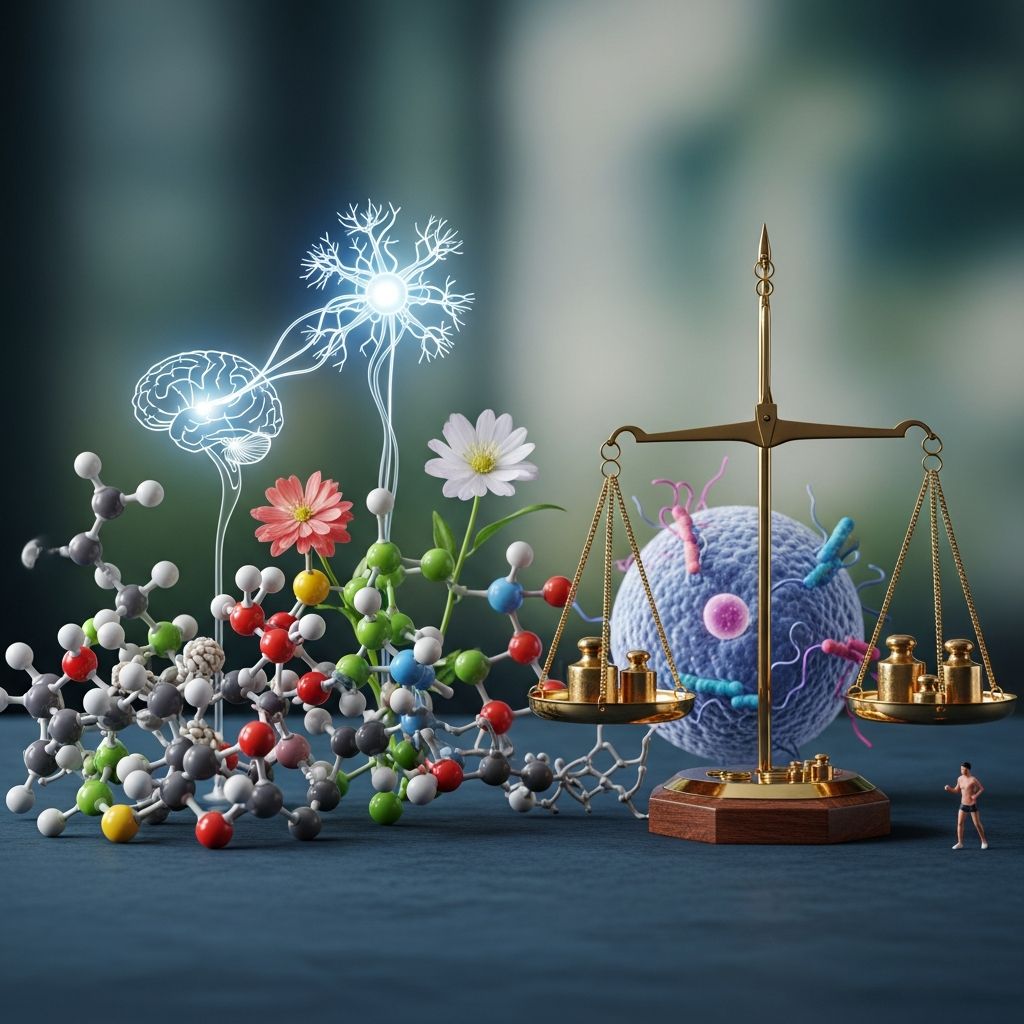
Hormones are chemicals that coordinate different functions in your body by carrying messages through your blood to your organs, muscles, skin and other tissues. These signals tell your body what to do and when to do it, acting as messengers that regulate nearly every biological process. Your body produces over 50 different hormones, many of which interact with each other, creating a complex web of interconnected processes that maintain your health and well-being.
Think of hormones as your body’s internal communication system. When you need energy, when you should feel hungry, how fast your heart should beat, and when you should feel sleepy—all of these functions are controlled by hormones working in coordinated harmony. Without this intricate hormonal system, your body would be unable to maintain the delicate balance necessary for survival.
How Your Endocrine System Works
The endocrine system is a network of glands and tissues throughout your body that produce and release hormones. These glands work together to maintain hormonal balance, a state known as homeostasis. The major endocrine glands include the pituitary gland, thyroid gland, adrenal glands, pancreas, and ovaries or testes.
Your pituitary gland, often called the “master gland,” plays a central role in hormone production. It is connected to your hypothalamus through a stalk of blood vessels and nerves called the pituitary stalk. Your hypothalamus is the part of your brain that controls functions like blood pressure, heart rate, body temperature and digestion. Through the stalk, your hypothalamus communicates with your pituitary gland and tells it to release certain hormones, establishing a critical feedback loop that maintains hormonal equilibrium.
The Hypothalamic-Pituitary Axis
The relationship between your hypothalamus and pituitary gland represents one of the most important regulatory systems in your body. Your hypothalamus produces releasing hormones that stimulate your pituitary gland to secrete specific hormones. These hormones then travel through your bloodstream to target organs and tissues, where they produce their effects.
This system operates through feedback mechanisms that prevent excessive hormone production. When hormone levels reach optimal levels, they signal the hypothalamus to stop producing releasing hormones, thereby reducing the stimulus for further hormone secretion. This elegant self-regulating system ensures that your body maintains just the right amount of each hormone needed for proper function.
Types of Hormones
Hormones can be classified into several categories based on their chemical structure and function:
Sex Hormones
Sex hormones are responsible for sexual development, reproductive function, and secondary sex characteristics. The primary sex hormones include estrogen, progesterone, and androgens (testosterone and similar compounds). Estrogen is a hormone necessary for maintaining sexual and reproductive health in individuals assigned female at birth. Along with progesterone, estrogen plays a key role in the development of secondary sex characteristics such as breast development and hip widening, menstruation, pregnancy and menopause. Androgens are a group of sex hormones that help start puberty and play a role in reproductive health and body development in individuals assigned male at birth.
Related Stories



Growth Hormones
Human growth hormone (HGH) is a natural hormone your pituitary gland releases that promotes growth in children and helps maintain normal body structure and metabolism in adults. Your pituitary gland normally releases HGH in short bursts throughout the day. The release of HGH is mainly controlled by two hormones your hypothalamus releases: growth hormone-releasing hormone (GHRH), which stimulates HGH release, and somatostatin, which prevents or inhibits that release. Several other endocrine hormones also regulate HGH, including insulin-like growth factor 1 (IGF-1), which is a major suppressor of GH production, whereas thyroxine, glucocorticoids and ghrelin stimulate HGH release.
Thyroid Hormones
Thyroid hormone is the hormone that controls your body’s metabolism, the process in which your body transforms the food you eat into energy. The thyroid produces two main hormones: thyroxine (T4) and triiodothyronine (T3). Your thyroid also releases a hormone called calcitonin to help regulate calcium levels in your blood by decreasing it. The production and release of thyroid hormone is controlled by a feedback loop system. When the levels of T3 and T4 increase, they prevent the release of thyroid-releasing hormone (TRH) and thyroid-stimulating hormone (TSH). When T3 and T4 levels drop, the feedback loop starts again, allowing your body to maintain a constant level of thyroid hormones.
Metabolic Hormones
Insulin and glucagon are critical hormones produced by your pancreas that regulate blood glucose levels. Insulin is the main hormone your pancreas makes to lower blood glucose levels when they get too high, while glucagon is the main hormone your pancreas makes to raise glucose levels when they get too low. Other hormones can counteract the effects of insulin, such as epinephrine (adrenaline) and cortisol.
Key Functions of Hormones
Hormones perform numerous essential functions throughout your body:
Growth and Development
During childhood and adolescence, hormones orchestrate physical growth and development. Growth hormone stimulates bone elongation and muscle development, while sex hormones trigger the physical and emotional changes of puberty.
Metabolism Regulation
Hormones determine how quickly your body uses energy and whether your metabolism is fast or slow. Thyroid hormones are particularly important in this process, as they regulate how efficiently your body converts food into usable energy.
Reproduction and Sexual Function
Sex hormones control all aspects of sexual development, reproductive capability, and sexual desire. In females, these hormones regulate the menstrual cycle and pregnancy. In males, they support sperm production and sexual function.
Mood and Mental Health
Hormones significantly influence your emotional state and mental well-being. Fluctuations in hormones can affect mood, motivation, anxiety levels, and stress responses.
Sleep and Circadian Rhythms
Melatonin, produced by the pineal gland, regulates your sleep-wake cycle. Proper hormone balance is essential for achieving restorative sleep.
Stress Response
When you encounter stress, your adrenal glands release cortisol and adrenaline, hormones that prepare your body for a “fight or flight” response by increasing heart rate, blood pressure, and glucose availability.
Hormone Regulation and Balance
Your body carefully regulates hormone levels through sophisticated feedback mechanisms. When hormone levels become too high, signals are sent to decrease production. When levels drop too low, production increases. This homeostatic regulation ensures that your body maintains optimal hormone levels for proper function.
In healthy people, hormone release is influenced by various factors. For example, HGH release is inhibited by hyperglycemia (high blood sugar) and stimulated by sleep, stress, exercise, hypoglycemia (low blood sugar) and amino acids. Similarly, thyroid hormone production fluctuates based on metabolic demands and feedback from circulating T3 and T4 levels.
Hormonal Imbalances
When your body produces too much or too little of one or more hormones, hormonal imbalance occurs. This can lead to various health problems and symptoms that affect quality of life.
Low Hormone Levels
Having lower-than-normal levels of specific hormones can result from issues with or damage to endocrine glands. For example, growth hormone deficiency occurs when the pituitary gland produces insufficient HGH, and it’s usually due to an issue with or damage to your pituitary gland that results in hypopituitarism—when one, several or all of the hormones your pituitary gland makes are deficient.
High Hormone Levels
Excess hormone production can occur when glands are overactive or when tumors cause abnormal hormone secretion. For instance, a prolactinoma is a benign tumor that causes excess prolactin, a hormone that stimulates milk production.
Treatment Options for Hormonal Imbalances
Treatment for a hormonal imbalance depends on what’s causing it and which hormones are affected.
Hormone Replacement Therapy
If you have lower-than-normal hormone levels, the main treatment is hormone replacement therapy. Depending on which hormone is deficient, you may take oral medication (pills) or injection medication. For example, if you have low thyroid hormone levels (hypothyroidism), your provider can prescribe synthetic thyroid hormone pills. If you have growth hormone deficiency, you’ll likely have to take injections of synthetic growth hormone. Healthcare providers use a synthetic form of HGH (sometimes called recombinant HGH) to treat certain health conditions, including growth hormone deficiency. You should never take synthetic HGH without a prescription from your provider.
Treatment for Excess Hormones
If you have higher-than-normal hormone levels, there are many treatment options depending on the cause. Options include medication, surgery, radiation therapy or a combination of these approaches. For example, if you have a prolactinoma, your provider may prescribe medication to shrink the tumor or you may need surgery to remove it.
Hormone Replacement Therapy for Menopause
Hormone replacement therapy (HRT) is a common treatment for low estrogen, especially for people experiencing menopause. HRT replaces the hormones that your body isn’t making enough of. Once your hormone levels rise, most people find relief from their symptoms. HRT can also help with bone loss (osteoporosis and osteopenia), a common condition in women who don’t have enough estrogen.
With HRT, your provider prescribes small doses of estrogen to boost your level or a combination of estrogen and progesterone (or the synthetic version of progesterone, progestin). However, HRT comes with risks and isn’t for everyone. Whether you should consider taking HRT is a discussion to have with your healthcare provider. Bioidentical hormones are a type of HRT that, compared to other synthetic hormones, more closely match your body’s natural estrogen and progesterone. There are multiple FDA-approved options to get bioidentical hormones.
Common Hormonal Conditions
Several conditions result from hormonal imbalances and require medical attention. These include hypothyroidism (low thyroid hormone), hyperthyroidism (excess thyroid hormone), growth hormone deficiency, diabetes (related to insulin imbalance), estrogen deficiency during menopause, and various pituitary disorders.
Frequently Asked Questions
Q: Why are hormones important for my health?
A: Hormones are essential chemical messengers that regulate virtually every major function in your body, including growth, metabolism, reproduction, mood, sleep, and stress response. Without proper hormone balance, your body cannot function optimally, and numerous health problems can develop.
Q: How do I know if I have a hormonal imbalance?
A: Symptoms of hormonal imbalance vary depending on which hormones are affected but may include fatigue, mood changes, weight gain or loss, irregular periods, sleep disturbances, and changes in sexual function. If you suspect a hormonal imbalance, consult your healthcare provider for testing and evaluation.
Q: Can hormonal imbalances be cured?
A: Many hormonal imbalances can be effectively managed with appropriate treatment, which may include medication, lifestyle changes, or surgery. Some conditions may require ongoing treatment to maintain hormonal balance.
Q: Is hormone replacement therapy safe?
A: Hormone replacement therapy can be beneficial for many people, but it comes with both benefits and risks. Your healthcare provider can help determine if the benefits of HRT outweigh the risks for your individual situation.
Q: What should I do if I suspect a hormonal problem?
A: If you’re experiencing symptoms related to hormonal imbalance, schedule an appointment with your healthcare provider. They can perform tests to measure your hormone levels and determine an appropriate treatment plan tailored to your needs.
References
- HGH (Human Growth Hormone): What It Is, Benefits & Side Effects — Cleveland Clinic. 2022-06-21. https://my.clevelandclinic.org/health/articles/23309-human-growth-hormone-hgh
- Estrogen: Hormone, Function, Levels & Imbalances — Cleveland Clinic. https://my.clevelandclinic.org/health/body/22353-estrogen
- Thyroid Hormone: What It Is & Function — Cleveland Clinic. https://my.clevelandclinic.org/health/articles/22391-thyroid-hormone
- Hormone Therapy for Menopause Symptoms — Cleveland Clinic. https://my.clevelandclinic.org/health/treatments/15245-hormone-therapy-for-menopause-symptoms
- Endocrine System: What It Is, Function, Organs & Diseases — Cleveland Clinic. https://my.clevelandclinic.org/health/body/21201-endocrine-system
- Hormonal Imbalance: Causes, Symptoms & Treatment — Cleveland Clinic. https://my.clevelandclinic.org/health/diseases/22673-hormonal-imbalance
- Androgens: Function, Levels & Related Disorders — Cleveland Clinic. https://my.clevelandclinic.org/health/articles/22002-androgens
Similar Articles








Read full bio of Sneha Tete