Horse Chestnut: Benefits, Uses, and Safety
Discover the therapeutic potential of horse chestnut extract for vein health and circulation.
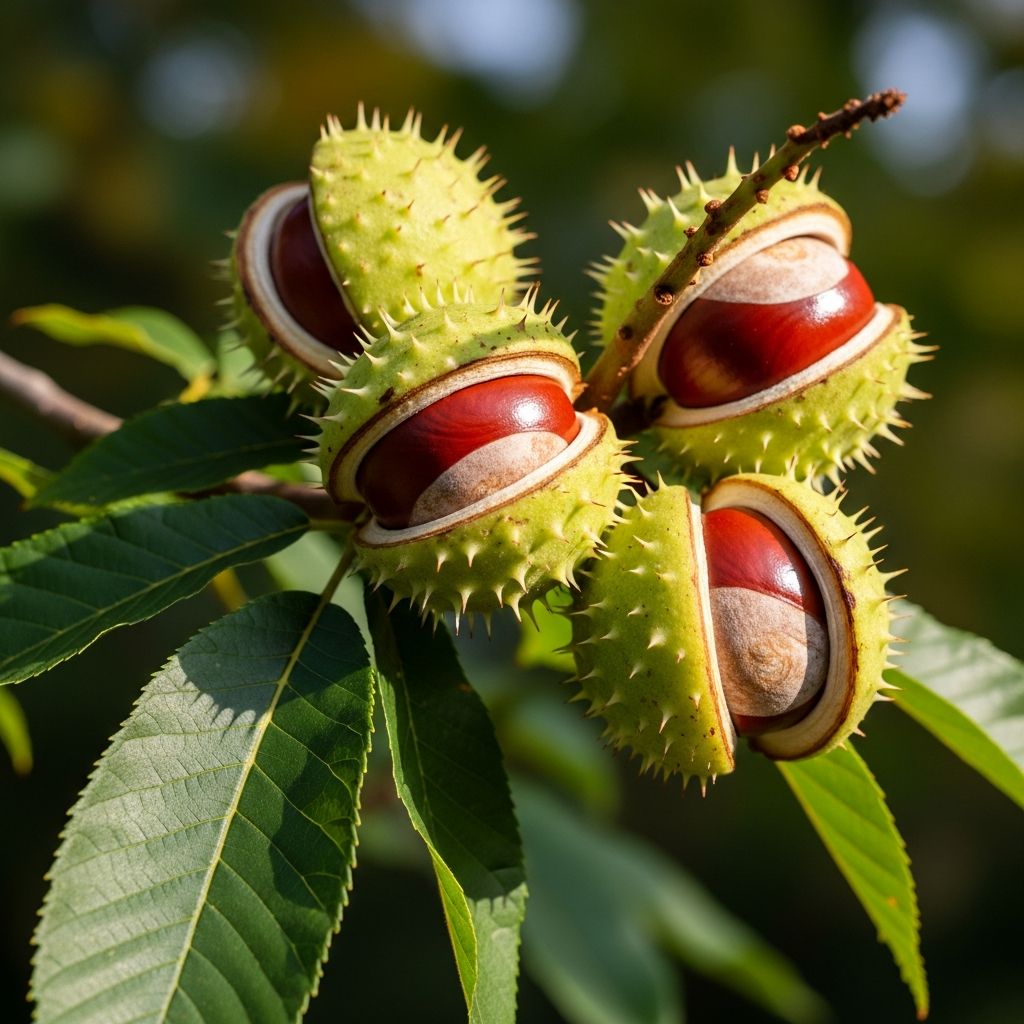
Horse Chestnut: Overview and Traditional Uses
Horse chestnut, scientifically known as Aesculus hippocastanum, is a tree native to southeastern Europe that has been used in traditional herbal medicine for centuries. The seeds, leaves, bark, and flowers of this plant contain bioactive compounds with potential therapeutic properties. Unlike the edible sweet chestnut, horse chestnut fruits have a bitter taste and are unsafe to eat in their raw form. However, properly processed horse chestnut seed extract has become a popular herbal supplement used to address various health conditions, particularly those related to circulation and vein health.
Historically, horse chestnut preparations were employed to treat joint pain, bladder and gastrointestinal problems, fever, and leg cramps. Today, the primary application of horse chestnut extract focuses on supporting vascular health and managing symptoms associated with venous disorders. The extract has gained recognition in both traditional medicine systems and modern herbal practice for its potential to improve blood flow and reduce swelling in the lower extremities.
Active Components and How They Work
The therapeutic effects of horse chestnut are primarily attributed to its active component called escin (also spelled aescin), a complex mixture of more than 30 triterpenic saponin glycosides. In addition to escin, horse chestnut seeds and other parts of the plant contain several other bioactive compounds that contribute to its medicinal properties:
- Quercetin and kaempferol glycosides (powerful antioxidants)
- Proanthocyanidins (polyphenolic compounds)
- Coumarins and coumarin glycosides
- Tannins (condensed and hydrolyzable)
- Fatty acids and sterols
- Flavonoids and rutin
The mechanism of action of horse chestnut extract involves multiple pathways. Escin is believed to work by inhibiting leukocyte activation and stabilizing cholesterol-containing lysosomal membranes. This process prevents the release of elastase and hyaluronidase, enzymes that contribute to inflammatory changes associated with venous insufficiency. By reducing inflammation and the basis for edema development, horse chestnut decreases overall limb volume and improves symptoms.
Additionally, horse chestnut appears to enhance venous tone through the effects of noradrenaline and prostaglandin F2a, which improve the flexibility of elastic fibers in vein walls. Some evidence suggests that escin may work by “sealing” leaking capillaries and improving the elastic strength of veins, though the exact mechanisms are still being studied.
Primary Health Benefits and Uses
Horse chestnut seed extract has been traditionally used and studied for several health conditions. The most well-researched and established application is in managing circulatory disorders affecting the legs and lower extremities.
Chronic Venous Insufficiency
The primary use of horse chestnut seed extract is for treating chronic venous insufficiency (CVI), a condition in which the veins of the lower legs are unable to effectively send blood back toward the heart. Numerous clinical trials have demonstrated the effectiveness of horse chestnut in reducing symptoms associated with this condition. A comprehensive review of 17 trials examining horse chestnut extract for CVI treatment noted significant reductions in leg pain, edema, and leg volume. Research indicates that a standard oral dose of horse chestnut seed extract containing 50 mg aescin twice daily for 12 weeks appears effective in reducing CVI symptoms. Remarkably, some studies have reported that horse chestnut seed extracts standardized for escin are as effective as compression stockings, offering a non-mechanical alternative or complementary treatment approach.
Related Stories



Varicose Veins and Hemorrhoids
Horse chestnut extract has demonstrated potential in managing varicose veins, which are enlarged, twisted veins typically found in the legs and feet that appear pink or blue. The vasoprotective properties of horse chestnut may improve vein tone and help veins pump blood more efficiently back to the heart. Similarly, the extract may help reduce symptoms associated with hemorrhoids (swollen veins in the lowest part of the rectum and anus) through similar mechanisms of improving vascular function and reducing inflammation.
Blood Circulation Support
Research suggests that horse chestnut seed extract supplementation may have positive effects on blood circulation throughout the body, not only in the veins of the arms and legs but also through blood vessels in the ears, skin, heart, and lower bowels. This broader circulatory support is attributed to the extract’s ability to naturally thin the blood and support healthy circulation patterns.
Additional Potential Benefits
Beyond its primary use for venous disorders, horse chestnut extract has been investigated for several other health conditions. The powerful antioxidants present in horse chestnut, particularly quercetin and kaempferol glycosides, have disease-fighting properties. Animal studies have suggested that horse chestnut may help prevent the loss of glutathione (an important antioxidant) and reduce liver damage.
The saponins found in horse chestnut have demonstrated multiple biological activities in research settings, including potential hypocholesterolemic effects, anti-coagulant properties, anticarcinogenic potential, hepatoprotective effects, hypoglycemic action, immunomodulatory activity, neuroprotective benefits, anti-inflammatory action, and antioxidant capacity. Some researchers suggest that the active ingredients in horse chestnut may have potential pharmaceutical applications for treating diabetes, inflammation, thromboembolism, viral infections, and even certain cancers, though more clinical research is necessary to confirm these effects in humans.
Dosage and Administration
When considering horse chestnut supplementation, proper dosage is essential for both safety and efficacy. The recommended dosage guidelines are as follows:
- Standard daily dosage: 300 to 600 mg of horse chestnut seed extract
- Aescin content: 100 to 150 mg daily (standardized)
- Common dosing schedule: 50 mg aescin twice daily, separated by 12 hours
- Duration: Studies have examined effectiveness over 12-week periods
Critical Safety Note: Do not use unprocessed raw horse chestnut preparations, as they are toxic and potentially lethal when ingested. Only use properly processed horse chestnut seed extracts that have undergone treatment to reduce toxicity risk. When selecting supplements, choose products from reputable manufacturers that have been vetted for quality ingredients and safe manufacturing processes.
Side Effects and Adverse Reactions
While horse chestnut extract is generally considered safe when properly processed and used at recommended doses, potential side effects may occur. Users should be aware of the following possible adverse reactions:
- Gastrointestinal upset (common)
- Headache
- Dizziness
- Itching or skin irritation (with topical application)
- Potential increased bleeding risk (theoretical)
- Possible lowered blood sugar (based on animal studies)
Raw or unprocessed horse chestnut poisoning symptoms include vomiting, diarrhea, headache, confusion, and weakness. If you experience any adverse effects while taking horse chestnut supplements, discontinue use and consult a healthcare professional immediately.
Drug Interactions and Precautions
Horse chestnut extract may interact with several medications and should be used cautiously if you are taking the following:
| Medication Class | Interaction Risk | Precaution |
|---|---|---|
| Oral diabetes medications | High | Combined use may cause extremely low blood sugar levels; requires medical monitoring |
| Lithium | Moderate | Horse chestnut’s diuretic effect may slow lithium processing; spacing doses is important |
| NSAIDs (e.g., ibuprofen) | Moderate | Horse chestnut may reduce NSAID absorption in the body |
| Blood thinners (e.g., Coumadin, warfarin) | High | Effects may be increased; horse chestnut may delay blood coagulation and increase bleeding risk |
Always inform your healthcare provider if you are taking horse chestnut supplements, particularly if you are on medications for diabetes, psychiatric conditions, or blood-related disorders. Pregnant women and nursing mothers should consult healthcare professionals before using horse chestnut supplements.
Scientific Evidence and Research Status
Horse chestnut extract has been the subject of numerous clinical trials, particularly focusing on its effectiveness for chronic venous insufficiency. The European Medicines Agency (EMA) recognizes horse chestnut seed extract as a treatment option for relieving symptoms of discomfort and heaviness of the legs associated with CVI. Multiple systematic reviews have compiled evidence from randomized controlled trials, supporting the use of horse chestnut for managing venous disorders.
Research has shown that horse chestnut extract demonstrates one of the highest active-oxygen scavenging abilities among 65 different plant extracts tested, highlighting its powerful antioxidant properties. However, researchers note that while sufficient data exist to support its use for CVI, patients with significant disease should combine horse chestnut extract with traditional disease-management components including diuresis, weight loss, and compression therapy to maximize treatment efficacy.
The National Center for Complementary and Alternative Medicine continues to support further testing and investigation of horse chestnut’s mechanisms and applications, recognizing its potential as a complementary therapeutic option.
Frequently Asked Questions
Q: Is horse chestnut safe for long-term use?
A: While horse chestnut extract is generally considered safe at recommended doses when properly processed, long-term safety data remains limited. It is advisable to use horse chestnut under the guidance of a healthcare professional and to take periodic breaks from supplementation. Always inform your doctor about your use of horse chestnut, particularly if you have underlying health conditions or take medications.
Q: Can I use horse chestnut if I am pregnant or breastfeeding?
A: Pregnant women and nursing mothers should not use horse chestnut supplements without consulting their healthcare provider first. Limited safety data exists for these populations, and potential risks to the developing fetus or breastfeeding infant are not fully understood.
Q: How long does it take to see results from horse chestnut supplementation?
A: Clinical trials have typically examined effectiveness over 12-week periods. Most people may begin noticing improvements in symptoms such as leg pain, swelling, and heaviness within this timeframe, though individual responses vary. Consistency with dosing and use is important for achieving optimal results.
Q: Can I take horse chestnut with other herbal supplements?
A: Potential interactions between horse chestnut and other herbal supplements have not been extensively studied. To avoid unexpected interactions, consult with a healthcare professional or qualified herbalist before combining horse chestnut with other supplements or herbal remedies.
Q: Is topical horse chestnut extract as effective as oral supplementation?
A: Topical applications of horse chestnut extract may support healthy circulation and wound healing in localized areas. However, oral supplementation typically delivers higher concentrations of active compounds systemically and is the form most extensively studied for managing chronic venous insufficiency and related circulatory conditions.
Q: Are there any allergic reactions associated with horse chestnut?
A: While serious allergic reactions are uncommon, individuals with known allergies to horse chestnut or related plant species should avoid supplementation. If you experience signs of allergic reaction such as rash, swelling, or difficulty breathing after taking horse chestnut, seek medical attention immediately.
Conclusion
Horse chestnut seed extract represents a well-studied herbal remedy with demonstrated effectiveness for managing chronic venous insufficiency, varicose veins, and related circulatory disorders. The active compound escin, along with supporting antioxidants and other bioactive molecules, works through multiple mechanisms to improve vein health, reduce inflammation, and enhance blood circulation. When properly processed and used at recommended doses, horse chestnut offers a traditional, natural approach to supporting vascular health.
However, successful use of horse chestnut requires awareness of proper dosing, potential side effects, and possible drug interactions. Individuals taking medications, particularly blood thinners or diabetes medications, should consult healthcare professionals before beginning horse chestnut supplementation. While research continues to explore additional applications for horse chestnut extract, current evidence most strongly supports its use as a complementary treatment for venous disorders when combined with lifestyle modifications and, when appropriate, conventional therapies.
References
- Horse Chestnut Seed Extract for Chronic Venous Insufficiency: A Systematic Review — PubMed Central/NIH. Accessed December 01, 2025. https://pmc.ncbi.nlm.nih.gov/articles/PMC3833478/
- Horse Chestnut – LiverTox Clinical and Research Information on Drug-Induced Liver Injury — National Center for Biotechnology Information (NCBI) Bookshelf. Accessed December 01, 2025. https://www.ncbi.nlm.nih.gov/books/NBK548217/
- Horse Chestnut Seed Extract — Clinical Advisor. Accessed December 01, 2025. https://www.clinicaladvisor.com/features/horse-chestnut-seed-extract/
- Horse Chestnut: Benefits and Risks — Medical News Today. Accessed December 01, 2025. https://www.medicalnewstoday.com/articles/horse-chestnut
- Horse Chestnut Seed Extract – 7 Health Benefits — MedicineNet. Accessed December 01, 2025. https://www.medicinenet.com/7_health_benefits_of_horse_chestnut_extract/article.htm
- Horse Chestnut – Aesculus Hippocastanum: Potential Applications in Phytomedicine — PubMed. Published 2008. https://pubmed.ncbi.nlm.nih.gov/18503457/
Similar Articles








Read full bio of Sneha Tete