Hospital Discharge: Preparation, Planning, and Going Home
Complete guide to hospital discharge: preparation, post-care planning, and what to expect.
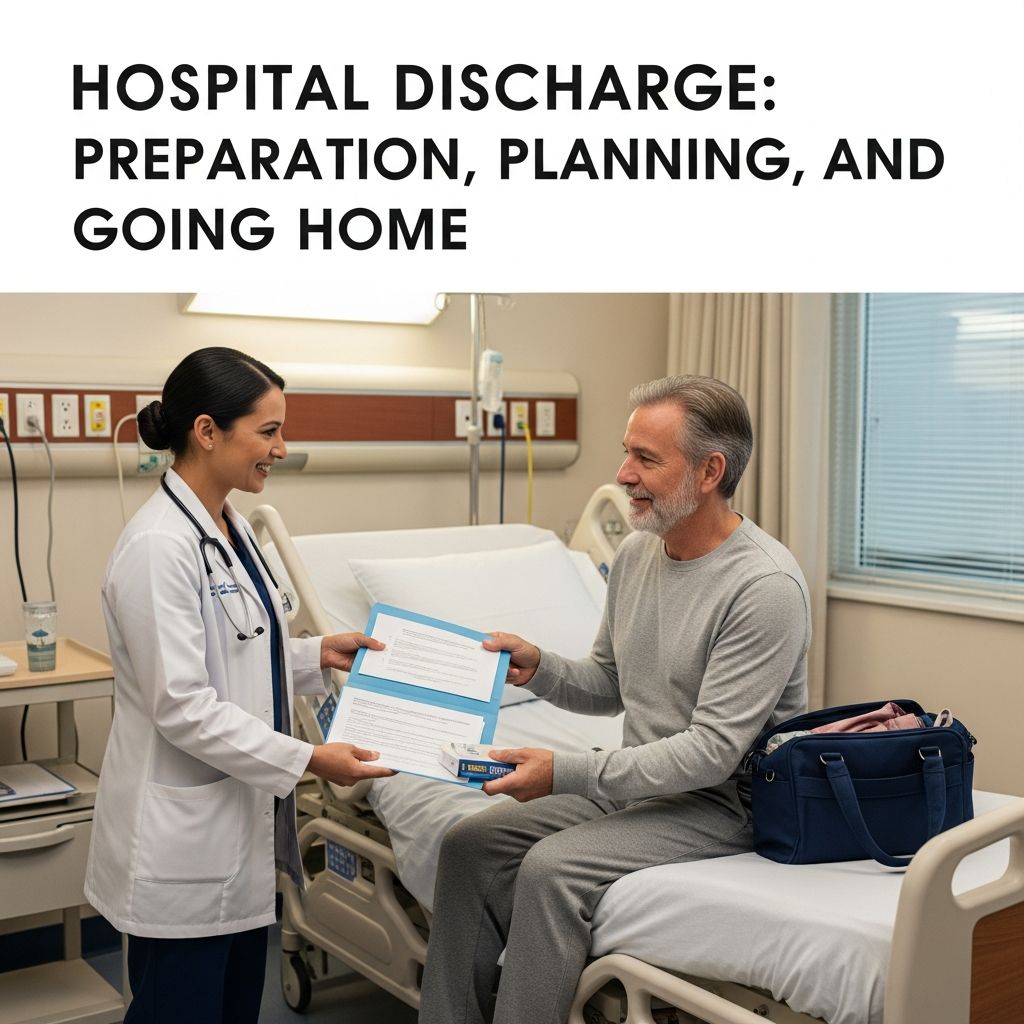
Hospital Discharge: A Complete Guide to Going Home
Hospital discharge is an important transition in your healthcare journey. Whether you’re being discharged after a routine procedure or an extended hospital stay, understanding the discharge process helps ensure a smooth recovery at home. This guide covers everything you need to know about hospital discharge, from preparation to post-discharge care.
Understanding the Discharge Process
The discharge process begins long before you leave the hospital. In fact, discharge planning typically starts upon admission. Healthcare teams work throughout your stay to prepare you for going home, ensuring you have the necessary support, medications, and instructions for continued recovery.
The discharge process involves coordination between multiple healthcare professionals, including your physician, nurses, case managers, and social workers. Each team member plays a vital role in ensuring you’re ready to manage your care independently at home.
Discharge Planning and Coordination
Effective discharge planning requires careful coordination among all members of your healthcare team. Your case manager serves as the primary coordinator, working with physicians, nurses, social workers, and other specialists to ensure all aspects of your post-discharge care are arranged.
The Role of Case Managers
Case managers are responsible for organizing your transition from the hospital to home. They coordinate nursing services, arrange for necessary medications, arrange for durable medical equipment, and ensure follow-up appointments are scheduled. Case managers also help identify any barriers to discharge, such as lack of transportation, inadequate home support, or financial concerns.
Nurse Coordination
Nurses play a central role in the discharge process. Your bedside nurse provides daily care and begins discharge planning from your first day in the hospital. Nurses ensure you understand your medications, wound care, activity restrictions, and warning signs to watch for. Additionally, nurses work with you to schedule home care services and coordinate the timing of discharge to ensure someone is available to help you at home.
Physician Involvement
Your physician determines when you’re medically ready for discharge based on specific clinical criteria. They provide discharge orders that detail your medications, activity level, diet, and any follow-up appointments or tests needed. Physicians also communicate important information about your condition and any limitations you should follow at home.
Criteria for Hospital Discharge
Hospitals use specific criteria to determine when patients are ready to go home. Understanding these criteria helps you know what to expect and what your healthcare team is assessing.
Clinical Improvement
Your condition must show measurable improvement. For patients with respiratory conditions, this might mean reduced coughing or decreased need for supplemental oxygen. For surgical patients, this could mean adequate wound healing and pain control. For patients with infections, improvement might include normalized vital signs and reduced fever.
Medication Readiness
All medications must be at appropriate doses and stable. For patients receiving intravenous antibiotics, discharge typically occurs once antibiotic levels are therapeutic and your home care company can provide continued medication administration at home. Your medications must be available and ready for pickup at a pharmacy, or arranged for home delivery.
Related Stories



Functional Requirements
You must be able to perform essential daily activities or have adequate support to assist you. This includes the ability to eat, use the bathroom, and move around safely. If you require special equipment or assistance, these arrangements must be in place before discharge.
Home Care Arrangements
A functional home care system must be established. This includes having a home health agency contracted to provide necessary services, whether that’s medication administration, wound care, physical therapy, or other nursing services. All equipment needed at home must be delivered and set up before your discharge date.
Preparing for Discharge
Preparation is key to a successful discharge and recovery. Several steps should be taken before you leave the hospital.
Medication Management
Ensure you understand all your medications, including why you’re taking each one, how to take it, potential side effects, and what to do if you miss a dose. Request a complete medication list to give your primary care physician. Ask about any medications you were taking before hospitalization and whether they should be continued, stopped, or changed.
Wound and Incision Care
If you have surgical wounds or incisions, ask your nurse to demonstrate proper care before discharge. Understand what signs of infection to watch for, including increased redness, warmth, drainage, or separation of the incision. Know when to call your physician about wound concerns.
Activity and Exercise Guidelines
Clarify with your physician what activities are safe during your recovery. Ask about limitations on lifting, driving, stair climbing, or returning to work. Understand when you can gradually increase your activity level and what pain or symptoms might indicate you’re doing too much.
Dietary Requirements
Ask about any dietary changes you need to follow. Some conditions require temporary dietary modifications, while others require long-term changes. Understand which foods to avoid and whether any supplements or special dietary products are recommended.
Follow-Up Appointments
Before leaving the hospital, ensure all follow-up appointments are scheduled. These typically include appointments with your primary care physician, specialist, and any necessary tests or procedures. Get written information about appointment times, locations, and what to bring.
Types of Home Care Services
Depending on your condition, you may require various types of home care services after discharge.
Home Health Nursing
Registered nurses visit your home to monitor your recovery, assess your condition, manage medications, and provide wound care. They also monitor for complications and communicate with your physician about any concerns.
Medication Administration
Home care nurses or trained technicians administer intravenous medications, injections, or other prescribed treatments. For patients requiring ongoing antibiotic therapy, typically a 2 to 3 week course is completed at home after hospital discharge.
Physical and Occupational Therapy
Therapists work with you to improve mobility, strength, and ability to perform daily activities. They may visit your home or you may attend an outpatient clinic for therapy sessions.
Medical Equipment
Home care companies provide necessary equipment such as oxygen, CPAP machines, hospital beds, walkers, wheelchairs, or other devices needed for your recovery and comfort at home.
Important Devices and Access Lines
Some patients require special devices for medication administration or other therapies during their recovery at home.
PICC Lines
A PICC (Peripherally Inserted Central Catheter) is similar to a standard IV but is longer and ends in a larger vein in your chest. PICCs are ideal for patients requiring extended intravenous therapy at home. They can remain in place for weeks or months and can be easily removed by your home care nurse or at your CF clinic once therapy is complete.
Central Catheters
If a PICC line cannot be placed, you may receive a central catheter such as a Hickman or Groshong catheter. These are inserted near the upper chest or neck and provide reliable access for medication administration. Like PICCs, central catheters are removed once they’re no longer needed.
Timeline for Discharge
Most patients can expect to be discharged 5 to 7 days after hospitalization, though this varies based on your condition and the reason for hospitalization. After discharge, most patients complete a 2 to 3 week course of antibiotics or other therapies at home.
Your healthcare team will communicate the expected discharge date as your condition improves. However, discharge timing also depends on completing all necessary arrangements for home care, arranging transportation, and ensuring someone is available to support you at home.
Post-Discharge Communication and Support
After you go home, your healthcare team remains involved in your care and recovery.
Follow-Up Phone Calls
Expect a phone call from your hospital nursing team the next business day after discharge. This call checks on your adjustment to home care, ensures you’re tolerating medications, and addresses any immediate concerns or questions.
Ongoing Clinic Visits
You’ll have scheduled follow-up appointments with your physician or specialist to monitor your recovery progress. These visits allow your healthcare team to assess your healing, adjust medications if needed, and answer questions about your ongoing care.
Home Care Nurse Visits
Depending on your needs, home care nurses will visit your home regularly to monitor your condition, manage medications, perform treatments, and communicate with your physician about your progress.
Common Discharge Instructions
Most patients receive detailed written discharge instructions covering the following areas:
– Medications: Name, dose, frequency, purpose, and side effects of each medication- Diet: Any dietary restrictions or special requirements- Activity: Approved activities and restrictions during recovery- Wound care: How to care for surgical wounds or incisions- When to call your doctor: Warning signs and symptoms requiring immediate medical attention- Follow-up appointments: Scheduled appointments with physicians or specialists- Contact information: Phone numbers for your physician, hospital, and home care company
Tips for a Smooth Discharge
To make your discharge process as smooth as possible, consider these recommendations:
– Ask questions: Don’t hesitate to ask nurses, physicians, or case managers anything you don’t understand- Take notes: Write down important information about medications, diet, activity, and follow-up appointments- Request printed materials: Get copies of all discharge instructions to reference at home- Arrange support: Ensure someone can help you during your initial recovery at home- Prepare your home: Before discharge, set up your bedroom and bathroom to facilitate recovery- Arrange transportation: Plan how you’ll get home safely, especially if you’re unable to drive- Organize medications: Set up a system to keep track of medications and when to take them
Frequently Asked Questions
How long does the discharge process typically take?
The discharge process can take several hours from the time your physician orders discharge until you actually leave the hospital. This time allows for final paperwork, medication verification, discharge instruction review, and arranging transportation.
What if I’m not ready to go home?
If you have concerns about going home, discuss them with your healthcare team. Concerns might include inadequate home support, inability to care for wounds, or concerns about managing medications. Your team will work to address these concerns or adjust your discharge plan.
Can I refuse discharge?
Yes, you have the right to refuse discharge. However, if you’re medically ready to go home, your insurance may not cover additional hospital days. Discuss any concerns with your physician and case manager before refusing discharge.
What should I do if I have problems after discharge?
Contact your home care nurse, primary care physician, or the hospital for any concerns after discharge. For emergencies, call 911 or go to the nearest emergency room. Keep all contact numbers readily available.
How do I prepare my home for discharge?
Arrange comfortable space for recovery, ensure bathrooms are accessible, stock necessary supplies, and set up a medication organization system. Your case manager can provide specific recommendations based on your needs.
Will I receive home care services immediately after discharge?
Home care services typically begin within 24 hours of discharge. Your case manager will provide the exact schedule for your home care nurse visits and any services to be provided.
What happens if I can’t afford home care services?
Discuss financial concerns with your case manager. Many insurance plans cover home care services, and assistance programs may be available for those without insurance or with limited coverage.
References
- Aligned Early Discharge Initiative at Johns Hopkins Hospital — Johns Hopkins University School of Nursing. 2023-04. https://nursing.jhu.edu/magazine/articles/2023/04/nurses-lead-the-charge-to-early-discharge/
- Care at Hopkins: Clinical Care Overview — Johns Hopkins Cystic Fibrosis Center. 2024. https://hopkinscf.org/clinical-care/care-at-hopkins/
- The Johns Hopkins Hospital Discharge Instructions Application — PubMed Central, National Center for Biotechnology Information. 2007. https://pmc.ncbi.nlm.nih.gov/articles/PMC2245164/
- Improving Inpatient Discharges — Johns Hopkins Medicine. 2024. https://www.youtube.com/watch?v=qVCtprUY870
Similar Articles








Read full bio of Sneha Tete