Hot Weather And Diabetes: 8 Essential Tips For 2025
Essential guide to managing diabetes safely during hot weather, preventing complications and staying healthy in the heat.
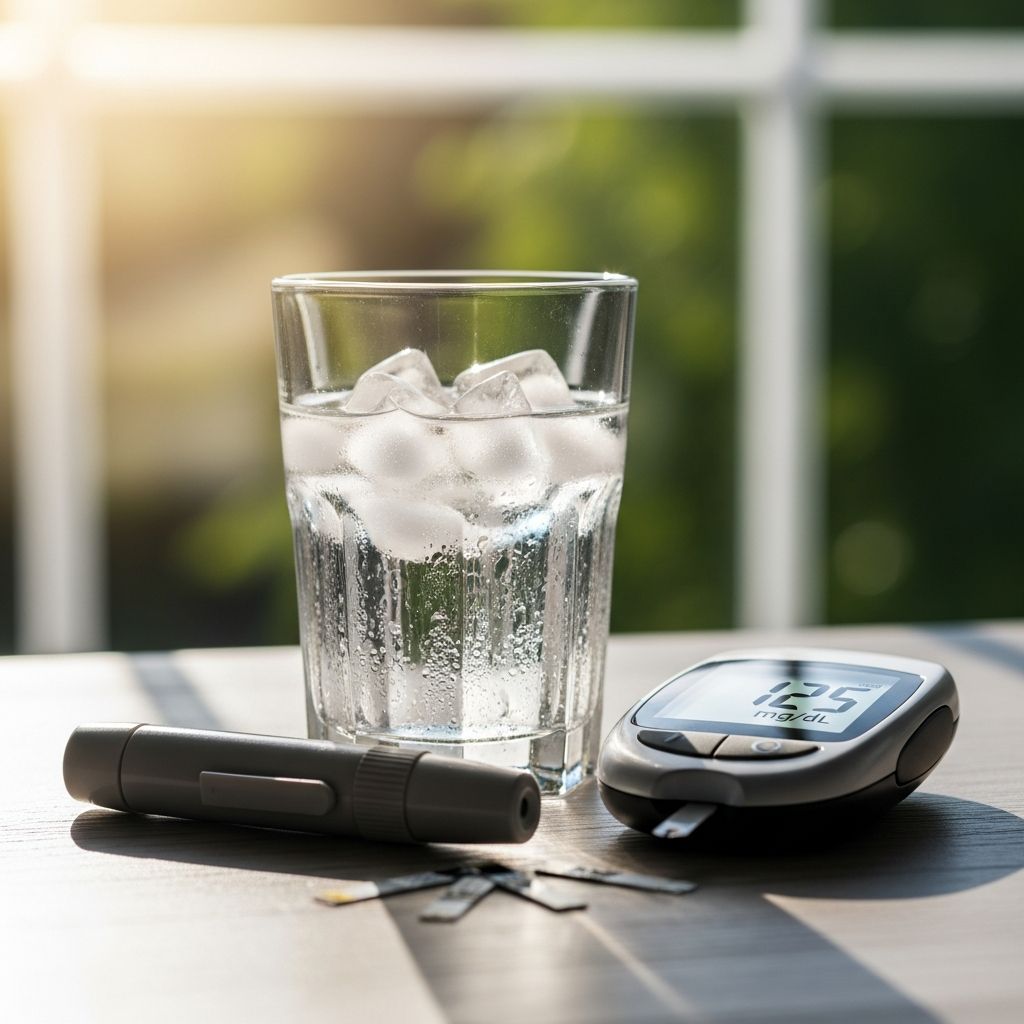
Hot weather poses unique challenges for people living with diabetes, affecting blood sugar levels, insulin effectiveness, and overall health. High temperatures can lead to dehydration, rapid changes in glucose, and risks like hypoglycaemia (hypos) or heat exhaustion. This guide provides comprehensive advice to help you manage diabetes safely during heatwaves, drawing from expert recommendations to ensure you can enjoy summer without compromising your health.
How does hot weather affect people with diabetes?
Heat impacts diabetes management in multiple ways. Prolonged sun exposure with limited activity can raise blood sugar levels as the body becomes less active. Dehydration from fluid loss concentrates glucose in the blood, spiking levels further. For those on insulin, warmer skin temperatures accelerate absorption from injection sites, increasing hypo risks.
Sunburn triggers inflammation, prompting hormone release like cortisol that elevates blood glucose and causes temporary insulin resistance. Sweating can dislodge continuous glucose monitors (CGMs) or insulin pump cannulas, disrupting monitoring and delivery. Neuropathy may reduce sensation of burns or injuries, worsening complications. Heat exhaustion symptoms—sweating, cramps, dizziness—mimic hypos, complicating recognition.
Both dry and humid heat increase skin blood flow, altering insulin action and potentially lowering glucose. Devices like meters and test strips lose accuracy in extreme temperatures, leading to unreliable readings. Insulin itself degrades above room temperature, becoming cloudy, grainy, or ineffective. Staying vigilant is key to mitigating these effects.
Why check blood glucose more often in hot weather?
Fluctuations are common: heat can cause highs from inactivity and dehydration or lows from faster insulin absorption and activity. Monitor levels 4-6 times daily or more, especially during exercise or after meals. Keep a log to spot patterns and adjust insulin or diet with healthcare advice. Carry hypo treatments like glucose tabs, as symptoms overlap with heat stress.
Drink more fluids
Hydration is critical—diabetes increases dehydration risk due to high glucose causing frequent urination. Aim for 2-3 litres of water daily, more if active. Avoid caffeine and alcohol, which worsen fluid loss. Signs of dehydration include dry mouth, dark urine, fatigue; address promptly to prevent glucose spikes. Electrolyte drinks may help if approved by your doctor.
Protect yourself from sunburn
Sunburn stresses the body, raising blood sugar via inflammation. Use SPF 30+ broad-spectrum sunscreen, reapply every 2 hours, especially if swimming. Wear hats, long sleeves, and seek shade between 11am-3pm. Neuropathy patients may not feel burns—check skin regularly. Sunglasses protect eyes, vital for those with retinopathy.
Look after your feet
Hot surfaces like sand can burn feet unnoticed due to neuropathy. Wear protective footwear always; inspect for blisters or cuts daily. Moisturise but avoid between toes to prevent infection. Heat and sweat raise fungal risks—keep feet dry and clean.
Keep diabetes supplies cool
Insulin degrades above 25°C (77°F); one hour in heat can ruin it. Store in fridge (2-8°C), use in-use pens at room temperature <30°C for 28 days max. Use insulated cool bags with gel packs for outings—never direct ice. Meters and strips: room temp (15-30°C), avoid sun, fridge, or car. Pumps/CGMs: body heat or sweat accelerates warming—use barriers.
Related Stories



| Item | Storage Temp | Max Exposure Heat | Notes |
|---|---|---|---|
| Insulin (unopened) | 2-8°C | <25°C | Fridge; don’t freeze |
| Insulin (in use) | <30°C | 28 days | Room temp ok short-term |
| Meters/Strips | 15-30°C | Avoid extremes | No fridge/sun |
| Pumps/CGMs | Body temp safe | Monitor sweat | Use adhesives |
Be prepared for hypos
Hot weather heightens hypo risk from faster insulin uptake or unrecognised symptoms. Carry extra fast-acting carbs (15g glucose), glucagon if prescribed. Inform companions of signs (shakiness, confusion) and treatments. Test post-hypo recovery.
Recognise heat exhaustion
Watch for heavy sweating, cramps, dizziness, headache, nausea, fainting. Move to cool area, hydrate, cool skin. Seek medical help if no improvement—can progress to heatstroke. Differentiate from hypo by testing glucose.
Travelling in hot weather
Plan ahead: extra supplies for delays, cool bags for flights/cars. Check airline rules for insulin/meds. Adjust for time zones, activity. Use checklists for meds, hypo kits, ID.
Exercise safely
Heat amplifies exertion effects on glucose. Exercise early morning/evening, hydrate pre/during/post. Monitor frequently, have hypo snacks. Indoor alternatives if extreme heat.
Top tips for managing diabetes in hot weather
- Monitor blood glucose 4+ times daily.
- Hydrate with water; avoid excess caffeine/alcohol.
- SPF 30+, hats, shade 11am-3pm.
- Cool bags for insulin/supplies.
- Foot checks, protective shoes.
- Extra hypo treatments; alert others.
- Adhesives for devices against sweat.
- Recognise heat exhaustion early.
Frequently Asked Questions (FAQs)
Can hot weather cause high blood sugar?
Yes, dehydration and inactivity concentrate glucose and reduce insulin sensitivity.
Does heat affect insulin?
Yes, faster absorption risks hypos; high temps degrade it.
How to store insulin in heat?
Fridge for unused; cool bags with gel packs for travel.
Are hypos more common in heat?
Yes, due to quicker insulin action and symptom overlap.
Can I use hot tubs with diabetes?
Limited time; hydrate well, monitor glucose/blood pressure.
Staying safe: Final checklist
- Daily: Frequent checks, hydrate, sun protection.
- Supplies: Cool storage, extras packed.
- Alerts: Feet/skin checks, heat/hypos awareness.
- Travel: Checklist, inform others.
Consult your healthcare team for personalised advice. With preparation, hot weather need not disrupt diabetes management.
References
- Preparing for hot weather and travel with diabetes this summer — DRWF. 2023. https://www.drwf.org.uk/news-and-events/news/preparing-for-hot-weather-and-travel-with-diabetes-this-summer/
- Traveling in Hot Climates with Diabetes — Ascensia Diabetes. 2024. https://www.diabetes.ascensia.co.id/en-gb/diabetes/traveling-in-hot-climates-with-diabetes/
- Diabetes in the Summer: 5 Tips to Help You Beat the Heat — Spirit Pharmacy. 2023. https://spirit-pharmacy.co.uk/diabetes-in-the-summer-5-tips-to-help-you-beat-the-heat/
- Managing Diabetes & Insulin in Hot Weather — Mediworld Ltd. 2023. https://mediworld.co.uk/blogs/diabetes/managing-diabetes-and-insulin-in-hot-weather
- Heatwave: how to cope in hot weather — NHS. 2025-06-12. https://www.nhs.uk/live-well/seasonal-health/heatwave-how-to-cope-in-hot-weather/
Similar Articles








Read full bio of medha deb