House Dust Mites: Understanding and Managing Allergies
Complete guide to understanding house dust mites and effective strategies for allergy prevention and management.
nn
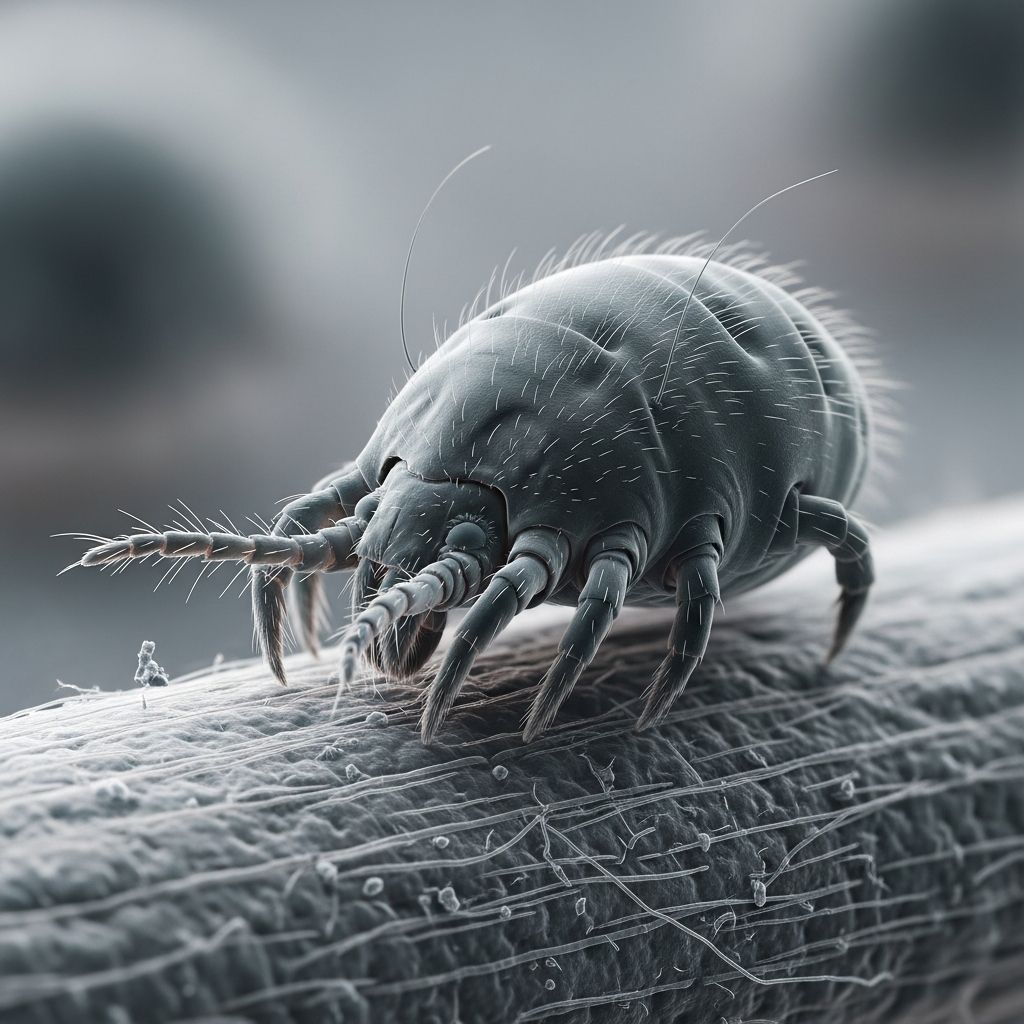
House dust mites are microscopic arthropods that inhabit indoor environments and are among the most common allergens affecting millions of people worldwide. These nearly invisible creatures thrive in warm, humid conditions and feed on dead skin cells shed by humans and pets. Understanding their biology, health impacts, and effective management strategies is essential for anyone suffering from dust mite allergies or asthma.
nn
What Are House Dust Mites?
nn
House dust mites are tiny arachnids belonging to the family Pyroglyphidae. They measure approximately 0.3 millimeters in length, making them invisible to the naked eye. These organisms are present in nearly every home, regardless of cleanliness level, and thrive in environments with humidity levels between 50% and 80%. Dust mites feed on the 1.5 grams of dead skin cells that humans shed daily, making homes with human occupants ideal habitats for their proliferation.
nn
The lifecycle of a dust mite spans approximately three to four months, during which they reproduce rapidly under favorable conditions. A single dust mite can produce approximately 200 times its own body weight in fecal matter during its lifetime. These droppings, along with mite body fragments, are the primary sources of dust mite allergens that trigger allergic reactions in sensitive individuals.
nn
Health Impacts and Allergic Reactions
nn
Dust mite allergies represent one of the most common causes of ongoing allergic reactions and asthma attacks, according to major health organizations. When sensitive individuals inhale dust mite allergens, their immune system responds by producing antibodies, leading to various respiratory and dermatological symptoms.
nn
Common Symptoms
nn
- n
- Sneezing and nasal congestion
- Runny or itchy nose
- Postnasal drip
- Itchy, watery, or red eyes
- Coughing and wheezing
- Shortness of breath
- Chest tightness
- Skin irritation and itching
- Sleep disturbances due to respiratory symptoms
n
n
n
n
n
n
n
n
n
nn
Symptoms may worsen during winter months when homes remain closed and humidity levels fluctuate, or in damp climates where moisture naturally accumulates. Individuals with asthma may experience particularly severe reactions, potentially leading to asthma attacks requiring medical intervention.
nn
Diagnosis of Dust Mite Allergies
nn
Accurate diagnosis is crucial for effective management of dust mite allergies. Healthcare providers employ several diagnostic methods to confirm sensitivity to dust mites.
nn
Allergy Testing Methods
nn
Skin Prick Tests: Allergists apply small amounts of dust mite allergen extract to the skin and observe for localized reactions. A raised, itchy bump indicates positive sensitization to dust mites.
nn
Specific IgE Blood Tests: Laboratory tests measure immunoglobulin E (IgE) antibodies specific to dust mite allergens in the bloodstream, providing quantitative data about the severity of sensitization.
nn
Clinical History: Physicians assess symptom patterns, particularly noting whether symptoms persist year-round or worsen in specific seasons or environments, which is characteristic of dust mite allergies.
nn
It is important to consult with a healthcare provider or allergist for proper testing and diagnosis, as symptoms of dust mite allergies can overlap with other respiratory conditions and allergen sensitivities.
nn
Prevention Strategies
nn
Effective dust mite allergy management begins with comprehensive prevention strategies designed to minimize exposure. These interventions address the environments where dust mites thrive and reduce allergen levels throughout the home.
nn
Bedroom Environment Modifications
nn
Allergen-Proof Bedding Covers: Use specially designed zippered covers made of tightly woven fabric on mattresses, pillows, and box springs. These covers create impermeable barriers that prevent dust mites from entering or escaping bedding. Covers should be washed every two months to maintain effectiveness.
nn
Regular Bedding Washing: Wash all sheets, pillowcases, blankets, and comforters weekly in hot water at temperatures exceeding 130°F (54°C) or 60°C. This temperature kills dust mites and removes accumulated allergens. Dry bedding on high heat settings to further eliminate mites. If hot water washing is not feasible, commercial products containing essential oils such as eucalyptus or tea tree oil can be effective alternatives.
nn
Reduce Bedroom Clutter: Remove items that collect dust, including books, magazines, decorative pillows, stuffed animals, and unnecessary clothing. These objects provide additional surfaces for dust accumulation and mite proliferation.
nn
Flooring and Furniture Considerations
nn
Replace Carpeting: Carpet and rugs create ideal habitats for dust mites, particularly when installed over concrete that retains moisture. Replace bedroom carpeting with hard flooring options such as tile, wood, linoleum, or vinyl that do not harbor dust mites.
nn
Furniture Selection: Choose furniture made from materials that do not trap dust, such as leather, vinyl, or wood. Remove padded furniture, heavy curtains that cannot be washed, and horizontal blinds from bedrooms, replacing them with washable curtains or vertical blinds.
nn
Humidity and Air Quality Control
nn
Maintain Optimal Humidity Levels: Keep indoor humidity below 50%, ideally between 30% and 40%. Use dehumidifiers in damp areas such as basements, bathrooms, and laundry rooms. Monitor humidity consistently using a hygrometer to ensure levels remain within the optimal range for dust mite suppression.
nn
HVAC System Maintenance: Replace air filters every one to three months with high-efficiency or allergen-rated filters that capture dust mite particles. Schedule regular HVAC inspections and duct cleaning to reduce allergen circulation throughout the home. Air conditioning systems help regulate both temperature and humidity while improving air circulation.
nn
Proper Ventilation: Ensure homes are consistently well-ventilated to reduce moisture accumulation. Avoid using window or attic fans that bring in air containing pollen and other outdoor allergens. Open windows when weather permits to exchange indoor air with fresh outdoor air.
nn
Cleaning Practices
nn
Vacuuming Protocol: Vacuum carpets, rugs, and upholstered furniture at least once or twice weekly using a vacuum equipped with a HEPA filter. HEPA filters trap microscopic particles rather than redistributing them into the air. When vacuuming, dust mite allergens become airborne for up to 20 minutes, so allergic individuals should wear a protective mask or request someone else to perform vacuuming. Air the house for approximately one hour after vacuuming to clear airborne allergens.
nn
Dusting Techniques: Use damp or microfiber cloths when dusting rather than dry cloths, which stir allergens into the air and worsen symptoms. Damp dusting captures particles effectively without redistributing them.
nn
Rug and Mat Maintenance: Wash rugs and mats regularly and dry them outside in full sunshine when possible, as sunlight exposure helps eliminate dust mites.
nn
Treatment Options
nn
While complete elimination of dust mites is virtually impossible, various treatment approaches can significantly reduce symptoms and improve quality of life for affected individuals.
nn
Medications
nn
Antihistamines: Over-the-counter and prescription antihistamines reduce allergic symptoms by blocking histamine receptors. Oral antihistamines such as cetirizine, fexofenadine, and loratadine are commonly used for symptom relief.
nn
Intranasal Corticosteroids: Nasal sprays containing corticosteroids reduce inflammation and congestion in the nasal passages, providing significant symptom relief for respiratory allergies.
nn
Nasal Decongestants: These medications temporarily relieve nasal congestion, though they should not be used long-term due to potential rebound effects.
nn
Immunotherapy
nn
Allergy Shots (Subcutaneous Immunotherapy): This approach involves administering progressively increasing doses of dust mite allergen extract through injections. Treatment typically begins with weekly or bi-weekly injections over a 3- to 6-month buildup period, followed by maintenance injections every four weeks for 3 to 5 years. Immunotherapy trains the immune system not to overreact to dust mite allergens, potentially reducing symptoms significantly.
nn
Sublingual Immunotherapy (SLIT): Approved by the FDA in 2017, SLIT tablets provide an injection-free alternative for dust mite allergy treatment. Patients place small doses of dust mite allergen under the tongue, allowing the oral mucosa to process the allergen. This exposure gradually improves tolerance to dust mites and reduces allergic symptoms. SLIT offers advantages for patients who prefer avoiding injections or who have needle anxiety.
nn
Comparative Prevention and Treatment Strategies
nn
| Strategy | Effectiveness | Cost | Implementation Difficulty |
|---|---|---|---|
| Allergen-proof bedding covers | High | Moderate | Easy |
| Weekly hot water bedding wash | High | Low | Easy |
| Humidity control (30-40%) | High | Moderate to High | Moderate |
| Carpet removal and hard flooring | High | High | Difficult |
| HEPA filter vacuuming | Moderate | Low to Moderate | Easy |
| Allergy shots (immunotherapy) | Very High (long-term) | High | Moderate |
| SLIT tablets | Very High (long-term) | High | Easy |
nn
Evidence-Based Effectiveness of Interventions
nn
Research demonstrates that interventions successfully reducing mite allergen exposure consistently provide clinical benefit. Studies on children raised in mite-free environments, such as Los Alamos, New Mexico, and the Norbotten area of Northern Sweden, show that dust mite sensitization does not develop in these locations. Recent controlled trials in the United Kingdom demonstrated that effective avoidance interventions significantly decrease asthma exacerbations in children with acute wheezing episodes.
nn
The key principle underlying successful intervention is sustained reduction of exposure to dust mite allergens. Interventions achieving this objective have proven effective across multiple studies, supporting both primary prevention in childhood sensitization and tertiary prevention for managing existing allergies.
nn
Long-Term Management and Quality of Life
nn
Dust mite allergies cannot be cured, but they can be effectively managed through consistent application of avoidance strategies combined with appropriate medical treatments. A comprehensive approach combining environmental modifications with medical intervention provides the best outcomes for symptom control.
nn
Success requires commitment to regular maintenance routines, including weekly bedding washing, consistent humidity monitoring, and frequent cleaning practices. For individuals with persistent or severe symptoms despite environmental modifications, consultation with an allergist regarding immunotherapy options is advisable.
nn
Frequently Asked Questions
nn
Q: Can dust mite allergies be completely cured?
n
A: Dust mite allergies cannot be permanently cured, but they can be effectively managed through environmental controls and medical treatments. Immunotherapy may provide long-term symptom reduction or remission in some cases.
nn
Q: How long does it take for prevention strategies to show results?
n
A: Most individuals notice symptom improvement within 2-4 weeks of implementing comprehensive prevention strategies, though full benefits may require 2-3 months as dust mite populations decline.
nn
Q: Is it necessary to replace all carpeting in my home?
n
A: Replacing bedroom carpeting provides the most significant benefit since most dust mite exposure occurs during sleep. However, replacing carpeting in primary living areas also reduces overall allergen levels.
nn
Q: How often should allergen-proof covers be washed?
n
A: Allergen-proof bedcovers should be washed every 2 months to maintain their effectiveness at preventing dust mite colonization and allergen accumulation.
nn
Q: Does sunlight help eliminate dust mites?
n
A: Yes, dust mites are sensitive to extreme temperatures and desiccation. Drying bedding and rugs in direct sunshine is an effective supplementary strategy for reducing mite populations.
nn
Q: Are air purifiers effective for dust mite allergies?
n
A: Air purifiers with HEPA filters can reduce airborne dust mite allergens, but they are most effective when combined with other prevention strategies such as humidity control and allergen-proof bedding.
nn
References
n
- n
- Dust mite allergy – Diagnosis & treatment — Mayo Clinic. 2024. https://www.mayoclinic.org/diseases-conditions/dust-mites/diagnosis-treatment/drc-20352178
- Home Environmental Interventions For House Dust Mite — National Center for Biotechnology Information (NCBI). 2019. https://pmc.ncbi.nlm.nih.gov/articles/PMC6474366/
- Dust Mite Allergy — Asthma and Allergy Foundation of America (AAFA). 2025. https://aafa.org/allergies/types-of-allergies/insect-allergy/dust-mite-allergy/
- House dust mite | Better Health Channel — Victoria State Government Department of Health. 2024. https://www.betterhealth.vic.gov.au/health/conditionsandtreatments/house-dust-mite
- Dust Mite Allergy Prevention — Prime Care of Georgia. 2025. https://primecareofga.com/dust-mite-allergy-prevention/
- Dust Mite Allergies: How To Protect Your Family — Allegra Allergy. 2025. https://www.allegra.com/en-us/understanding-allergies/how-to-protect-your-family-from-dust-mite-allergies
n
n
n
n
n
n
n
n
Similar Articles








Read full bio of Sneha Tete