Housemaid’s Knee (Prepatellar Bursitis): Symptoms & Treatment
Understanding housemaid's knee: causes, symptoms, diagnosis, and effective treatments for prepatellar bursitis to relieve pain and swelling.
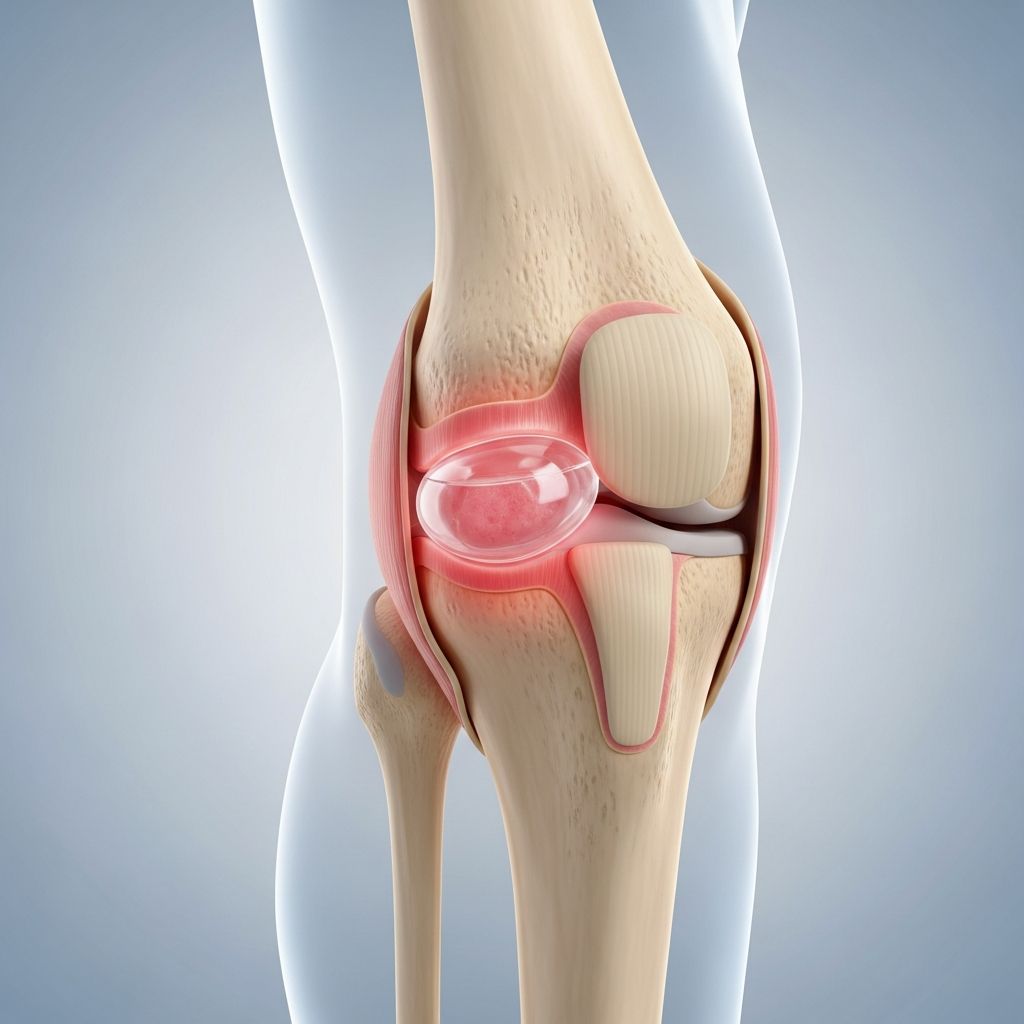
Housemaid’s knee, medically known as
prepatellar bursitis
, is inflammation of the prepatellar bursa, a small fluid-filled sac located in front of the kneecap (patella). This condition often results from repeated pressure on the knee, such as prolonged kneeling, earning it the nickname from historical housemaids who scrubbed floors on their knees. The bursa normally cushions the patella against friction from skin and bone, but when irritated, it swells, causing pain and a noticeable lump over the knee.What is Housemaid’s Knee?
The prepatellar bursa is one of several bursae around the knee that reduce friction between tendons, muscles, bones, and skin. In housemaid’s knee, this bursa becomes inflamed due to trauma or overuse, leading to fluid accumulation and swelling directly over the patella. Unlike other knee issues, the pain and swelling are localized to the front of the kneecap, sparing the joint interior. Acute cases arise suddenly from injury or infection, while chronic forms develop gradually from repetitive kneeling. This condition affects occupations like carpentry, plumbing, gardening, and cleaning, where knee pressure is common.
Symptoms of Housemaid’s Knee
The hallmark symptom is a soft, doughy swelling over the kneecap, resembling a pad or lump, which can range from mild to pronounced. Pain is typically mild but worsens with kneeling, direct pressure, or knee bending, though some cases remain painless. The skin over the swelling may feel warm and red if infected (septic bursitis), accompanied by fever, chills, and severe tenderness. In non-infected cases, symptoms include:
- Tenderness when pressing the kneecap area
- Limited knee movement due to swelling
- Mild pain during daily activities like walking or stairs
- Chronic cases may show thickened skin or recurrent lumps
Symptoms usually appear suddenly in acute bursitis from trauma but build slowly in chronic overuse. If infection is present, prompt medical attention is crucial to prevent spread.
Causes of Housemaid’s Knee
Prepatellar bursitis stems from three primary causes: mechanical irritation, trauma, and infection.
Repetitive Pressure or Friction
The most common trigger is prolonged kneeling on hard surfaces, causing constant friction between skin and patella, as seen in housemaids, roofers, or athletes in wrestling and football. This repetitive microtrauma inflames the bursa over time.
Direct Trauma
A blow to the knee from falls, sports injuries, or accidents can rupture blood vessels, leading to bleeding and inflammation within the bursa.
Infection (Septic Bursitis)
Bacteria, often Staphylococcus aureus (80% of cases), enter through skin breaks like cuts or abrasions near the knee, seeding the bursa and causing pus-filled swelling. Risk factors include diabetes, rheumatoid arthritis, gout, immunosuppression, or chronic steroid use.
Less commonly, underlying inflammatory conditions like gout or RA contribute.
Who Gets Housemaid’s Knee?
This condition predominantly affects individuals with occupational or recreational kneeling: cleaners, carpet layers, plumbers, gardeners, mechanics, and sports participants in high-impact activities. Men are more prone due to job exposures, and it’s common across ages but peaks in working adults. Those with inflammatory arthritis, gout, or weakened immunity face higher risks.
Related Stories



Diagnosis of Housemaid’s Knee
Diagnosis is primarily clinical, based on history of kneeling/trauma and exam showing localized swelling, tenderness, and fluctuance over the patella without joint effusion. Doctors assess for infection signs like erythema, warmth, or fever.
- Aspiration: Fluid withdrawal from the bursa for analysis; cloudy/purulent fluid suggests infection, confirmed by Gram stain, culture, white cell count.
- Imaging: Ultrasound detects fluid and rules out fractures; X-rays exclude bone issues; MRI for complex cases.
- Blood Tests: For septic cases, checking white cells, CRP, ESR.
Differential diagnoses include patellar fractures, cellulitis, gouty arthritis, or tumors, distinguished by location and fluid analysis.
Housemaid’s Knee Treatment
Most cases (90%) resolve with conservative measures within weeks. Treatment varies by type.
Non-Infected (Aseptic) Bursitis
Follow
RICE
protocol:- Rest: Avoid kneeling; use crutches if painful.
- Ice: 15-20 minutes, 3-4 times daily.
- Compression: Elastic bandage to minimize swelling.
- Elevation: Leg raised above heart level when sitting.
Anti-inflammatories like ibuprofen or naproxen reduce pain/swelling; topical NSAIDs as alternative. Knee pads protect during recovery. Aspiration relieves large effusions, sometimes followed by corticosteroid injection (used cautiously to avoid infection risk). Physical therapy includes gentle ROM exercises post-acute phase.
Infected (Septic) Bursitis
Requires antibiotics: oral for mild cases (e.g., flucloxacillin), IV for severe; targeted post-culture. Aspiration or incision/drainage if pus accumulates; hospitalization if systemic symptoms present.
Surgical Options
Rare, for recurrent/chronic cases failing conservatives: bursectomy (open or arthroscopic excision of bursa). Endoscopic methods offer faster recovery.
| Approach | Indications | Pros | Cons |
|---|---|---|---|
| Conservative (RICE, NSAIDs) | Mild-moderate, non-septic | Non-invasive, 90% success, quick resolution | Slower for large swellings |
| Aspiration ± Steroid | Large effusion | Rapid relief | Infection risk |
| Antibiotics | Septic | Targets infection | May need drainage |
| Surgery (Bursectomy) | Recurrent/chronic | Definitive cure | Scarring, recovery time |
Recovery from Housemaid’s Knee
Acute non-septic cases improve in 1-2 weeks with RICE; full recovery 4-6 weeks. Septic bursitis takes longer (2-4 weeks) with antibiotics. Chronic cases may recur without lifestyle changes. Resume activities gradually, using pads. Complications rare but include chronic swelling, skin ulceration, or osteomyelitis if untreated infection spreads.
Prevention of Housemaid’s Knee
- Use knee pads or mats for kneeling occupations.
- Take breaks during prolonged kneeling; vary positions.
- Maintain healthy weight to reduce knee stress.
- Promptly treat skin breaks near knee.
- Strengthen quads/hamstrings via exercise.
Frequently Asked Questions (FAQs)
What is the fastest way to heal housemaid’s knee?
RICE combined with NSAIDs provides the quickest relief for non-infected cases, often resolving swelling in days.
Does housemaid’s knee require surgery?
Rarely; most heal without, but recurrent cases may need bursectomy.
Can I exercise with housemaid’s knee?
Avoid kneeling/impact initially; gentle swimming or cycling post-acute phase aids recovery.
Is housemaid’s knee the same as water on the knee?
No; water on the knee is joint effusion, while housemaid’s knee affects the front bursa.
How long does prepatellar bursitis last?
1-6 weeks with treatment; longer if infected or untreated.
References
- Prepatellar Bursitis — Physiopedia. 2023. https://www.physio-pedia.com/Prepatellar_Bursitis
- Prepatellar Bursitis: Causes, Signs & Treatment — Resurgens Orthopaedics. 2024. https://www.resurgens.com/knee/conditions/prepatellar-bursitis-kneecap-bursitis
- Prepatellar Bursitis — StatPearls, NCBI Bookshelf, NIH. 2023-10-15. https://www.ncbi.nlm.nih.gov/books/NBK557508/
- Prepatellar Bursitis (Kneecap Bursitis) — OrthoConnecticut. 2024. https://myorthoct.com/knee-conditions/prepatellar-bursitis-kneecap-bursitis/
- Prepatellar (Kneecap) Bursitis — OrthoInfo – AAOS. 2023. https://orthoinfo.aaos.org/en/diseases–conditions/prepatellar-kneecap-bursitis
- Prepatellar Bursitis in the Kneecap: What You Should Know — Healthline. 2023. https://www.healthline.com/health/prepatellar-bursitis
Similar Articles








Read full bio of Sneha Tete