Houseplants and Eczema: Safe Greenery Guide
Discover how indoor plants can enhance your home without triggering eczema flares, with tips on safe choices and care routines.
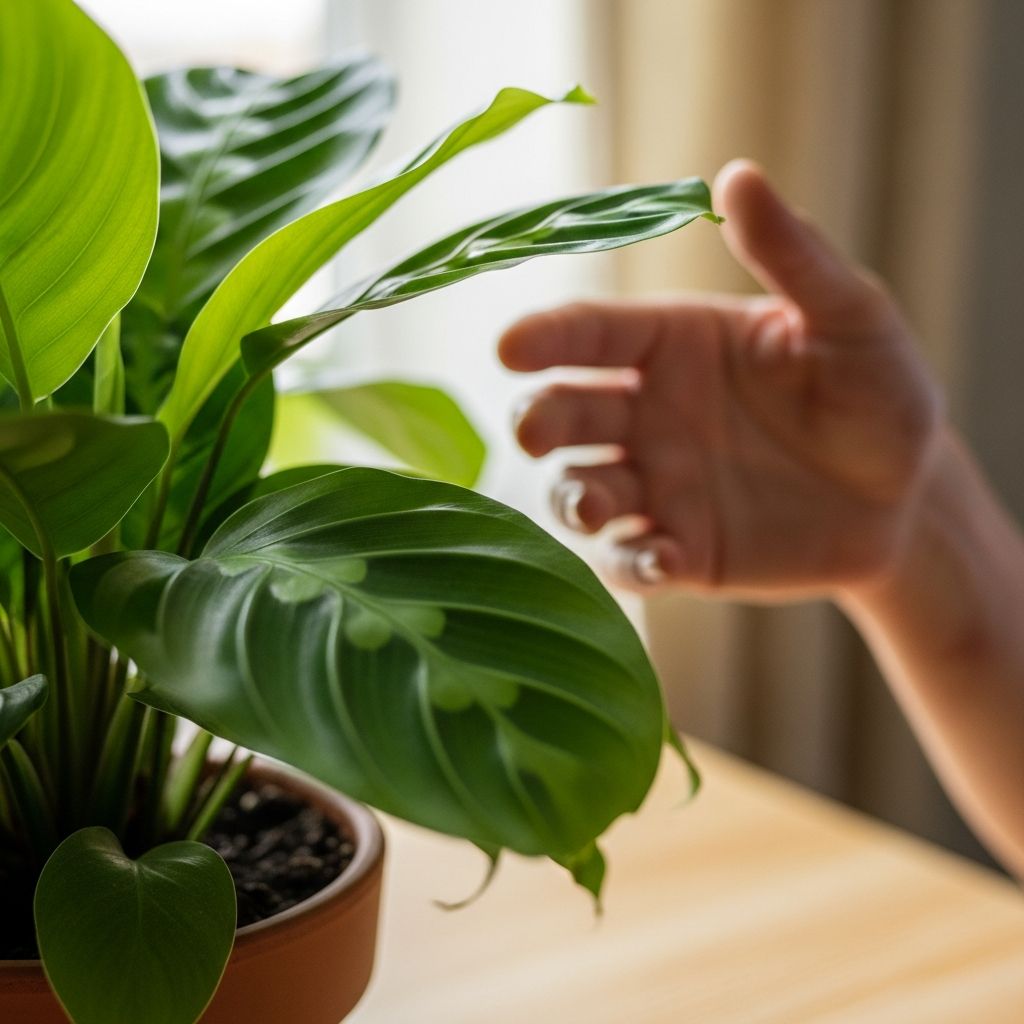
Bringing nature indoors through houseplants offers aesthetic appeal and potential health advantages, particularly for individuals managing eczema. These plants can filter airborne pollutants that might exacerbate skin conditions, but careful selection is essential to avoid allergens or irritants.
Why Indoor Plants Matter for Skin Health
Houseplants contribute to better indoor air quality by absorbing harmful volatile organic compounds (VOCs) like formaldehyde and benzene, which are common in household items and can irritate sensitive skin. For eczema patients, whose skin barrier is often compromised, reducing exposure to such toxins supports overall symptom control. Additionally, plants increase humidity levels, countering the dryness that frequently triggers flares.
Research indicates that certain greenery excels at removing toxins linked to skin irritation. For instance, some species break down ammonia and trichloroethylene, fostering a less aggravating environment. However, not all plants are benign; moist soil can harbor mold, a known eczema aggravator.
Potential Risks of Houseplants for Eczema
While beneficial, indoor plants pose risks through allergens, irritant saps, and mold growth. Some release airborne particles causing contact dermatitis, a condition overlapping with eczema symptoms like redness and itching. Plants such as chrysanthemums, ferns, lilies, and geraniums produce these allergens.
- Airborne allergens: Pollen or spores from flowering plants can provoke respiratory and skin reactions.
- Contact irritants: Saps from species like weeping fig or yucca may cause rashes upon touch.
- Mold in soil: Overwatering leads to fungal growth, worsening atopic conditions.
- Photodermatitis: Certain plants combined with sunlight trigger blistering rashes.
A study on plant-related dermatitis highlights chemical compounds like isothiocyanates as primary irritants, affecting even non-allergic skin. Eczema-prone individuals should prioritize low-risk options.
Top Safe Houseplants for Eczema Sufferers
Selecting non-flowering, low-allergen plants minimizes risks while maximizing benefits. The following are recommended based on their air-cleaning prowess and minimal irritant potential.
| Plant Name | Key Benefits | Care Tips | Pet Safety Note |
|---|---|---|---|
| Areca Palm | Filters toxins, boosts humidity | Bright indirect light, moderate water | Generally safe |
| Rubber Plant | Removes formaldehyde, fights mold | Low light, infrequent watering | Toxic if ingested |
| Dracaena | Eliminates benzene and VOCs | Indirect sun, well-draining soil | Toxic to pets |
| Golden Pothos | Reduces formaldehyde, easy growth | Low light, trailing vines | Toxic to pets |
| Bamboo Palm | Air purifier, humidity enhancer | Shade tolerant, consistent moisture | Pet-friendly |
| Spider Plant | Low allergen, propagates easily | Bright light, dry between waters | Safe for pets |
These plants avoid high pollen production and irritant saps, making them ideal. Avoid tulips, lilies, and ornamental ficus, which can induce hives or dermatitis.
Caring for Plants Without Aggravating Eczema
Proper maintenance prevents common pitfalls. Wear gloves during handling to avoid sap contact, especially with vining plants. Use well-draining pots to curb mold; allow soil to dry partially between waterings.
- Choose ceramic or terracotta pots for better aeration.
- Clean leaves weekly with a damp cloth to remove dust and spores.
- Maintain 40-60% humidity with pebble trays, avoiding direct misting on skin.
- Position away from vents to prevent pollen spread.
For repotting, do so outdoors or in a ventilated area, applying moisturizer and barrier cream beforehand. These steps ensure plants enhance rather than hinder skin health.
Related Stories



Air Purification Science and Eczema Link
NASA’s Clean Air Study underscores how plants like peace lily and dracaena neutralize indoor pollutants. Though noted as pet-toxic, their mold-absorbing roots benefit allergy sufferers. A review links atopy, including eczema, to environmental pollutants, suggesting cleaner air aids management.
Indoor VOCs from paints and furniture penetrate compromised skin barriers, prompting inflammation. Plants mitigate this, potentially reducing flare frequency, though direct eczema studies are limited.
Seasonal Strategies for Indoor Plant Care
Winter dryness amplifies eczema risks, so leverage humidity-loving palms. Summer calls for vigilant watering to prevent mold spikes. Monitor for dust accumulation, a hidden irritant.
Alternatives if Plants Pose Challenges
For severe sensitivities, opt for artificial plants or air purifiers mimicking plant filtration. Hypoallergenic silk replicas maintain decor without biological risks.
FAQs
Can houseplants really improve air quality for eczema?
Yes, species like rubber plants remove skin-irritating VOCs, creating a gentler environment.
Which plants should I absolutely avoid with eczema?
Ferns, lilies, chrysanthemums, and ficus due to allergens and saps.
How do I prevent mold in plant soil?
Water sparingly, ensure drainage, and use sterile potting mix.
Are there pet-safe, eczema-friendly plants?
Areca palm and spider plants are both safe and beneficial.
Should I mist plants if I have eczema?
Avoid direct misting; use humidifiers instead to protect skin.
Expert Tips for Integration
Start with 2-3 low-maintenance plants in bedrooms for optimal air benefits overnight. Track skin responses in a journal to refine choices. Consult dermatologists for personalized advice, especially with outdoor gardening overlaps.
Integrating safe houseplants transforms living spaces into eczema-supportive havens, balancing beauty, function, and health.
References
- Eczema and Gardening: Tips to Protect Sensitive Skin — NellaDerm. 2023. https://nelladerm.com/eczema-and-gardening-tips-to-protect-sensitive-skin/
- Best Indoor Plants for Allergies: Do They Help or Cause More Problems — Molekule. 2023. https://molekule.com/blogs/all/best-plants-for-indoor-allergies-can-they-help-or-cause-more-problems
- 5 Houseplants That Will Heal Your Skin — Aesthetics 360. 2023. https://a360mke.com/houseplants-to-heal-your-skin/
- TOP 8 INDOOR PLANTS THAT ARE ALLERGY-SAFE — Plantify. 2023. https://plantify.co.za/blogs/my-plant-decor/top-8-indoor-plants-that-are-allergy-safe
- Medical Mythbuster: Can Houseplants Make You Sick? — Reliant Medical Group. 2016-10-11. https://reliantmedicalgroup.org/blog/2016/10/11/medical-mythbuster-can-houseplants-make-sick/
- Allergic Contact Dermatitis to Plants: Understanding the Chemistry — Actas Dermo-Sifiliográficas. 2012. https://www.actasdermo.org/en-allergic-contact-dermatitis-plants-understanding-articulo-S1578219012001989
Similar Articles








Read full bio of medha deb