How a Chronic Illness Affects Your Mental Health
Discover how living with a chronic illness impacts mental well-being and practical strategies to cope with depression, anxiety, and emotional stress.
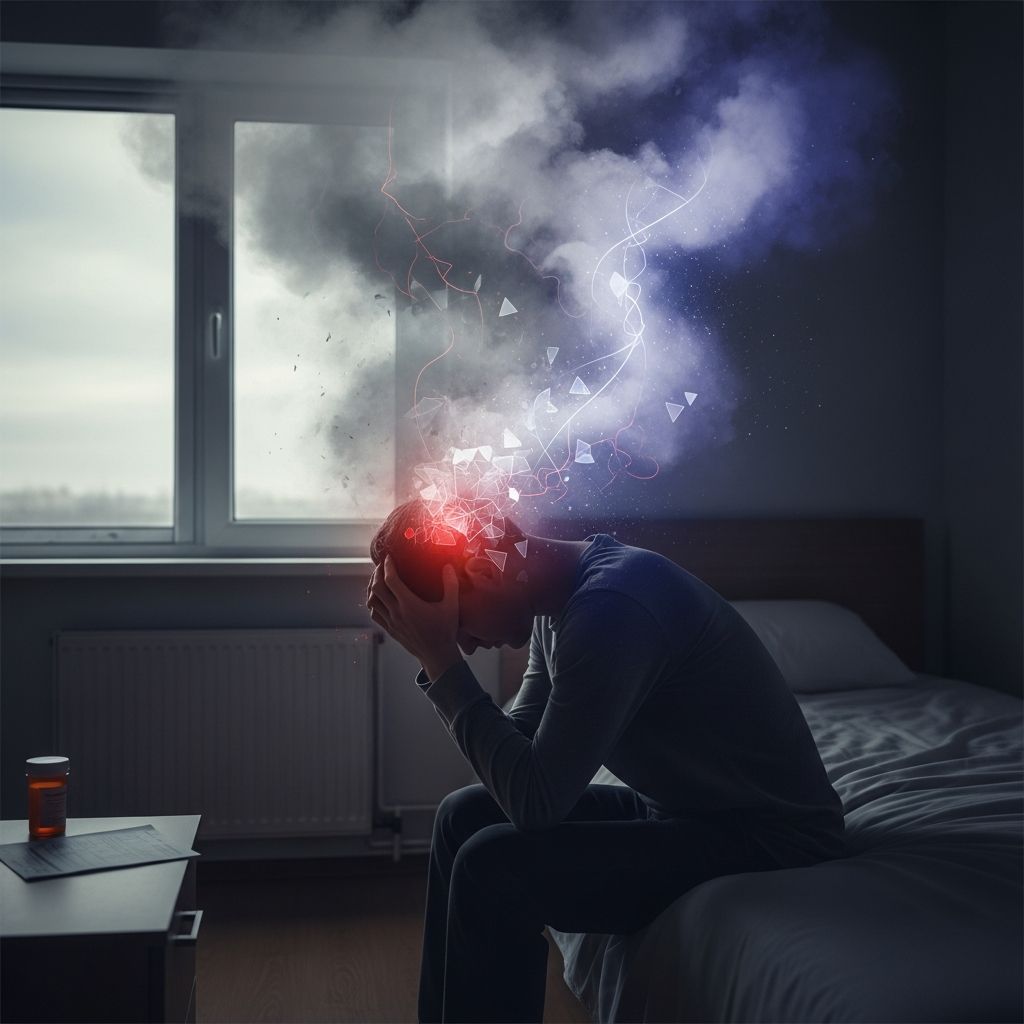
Living with a
chronic illness
can profoundly impact both physical and mental health, often leading to conditions likedepression
andanxiety
due to ongoing symptoms, limitations, and emotional strain. People with chronic conditions face heightened risks, with research showing they are more than twice as likely to develop mental health issues compared to the general population.Depression and chronic illness
**Depression** is among the most prevalent mental health complications of chronic illness, affecting up to one third of individuals with serious medical conditions. According to the National Institute of Mental Health (NIMH), those with chronic medical issues experience a higher risk and more severe symptoms of both depression and their physical illness. This bidirectional relationship means untreated depression can worsen physical health outcomes, such as poorer glycemic control in diabetics or increased complications.
Factors exacerbating depression include physical pain, grief over lost abilities, uncertainty about the illness, and hopelessness about the future. For instance, chronic pain sufferers have a 35%-45% chance of experiencing depression, as pain disrupts sleep, elevates stress, and heightens pain sensitivity. Studies confirm that 30% of adults with chronic illnesses report elevated depressive symptoms, which hinder self-management and life integration.
Stay connected to healthcare professionals
Maintaining open relationships with healthcare providers is crucial for managing the mental toll of chronic illness. Discussing concerns openly provides knowledge, reduces uncertainty, and fosters a sense of control. Primary care physicians should proactively address mental health alongside physical symptoms, using shared decision-making to tailor care. Integrated approaches, including screening for depression, improve outcomes and reduce costs.
Cognitive behavioural therapy
**Cognitive behavioural therapy (CBT)** effectively combats negative self-talk common in chronic illness patients. By identifying and reframing repetitive pessimistic thoughts, CBT helps break the cycle of depression. Online CBT platforms, like those offered by Onebright, target anxiety, depression, and stress by linking thoughts, feelings, and behaviors. Evidence supports psychotherapy for co-occurring pain and mental health issues, alongside lifestyle changes like exercise and sleep hygiene.
Anxiety and chronic illness
Chronic illnesses significantly elevate
anxiety disorder
risks due to hospitalization fears, excessive worry, and hormonal shifts, as noted by the Anxiety and Depression Association of America. The unpredictability of flare-ups and physical limitations foster frustration and isolation, amplifying anxiety. Cancer survivors, for example, see 25% experiencing persistent mental health conditions.Mental health screening data reveals those with arthritis or chronic pain are more prone to severe anxiety, PTSD, and bipolar disorder. Addressing anxiety through behavioral strategies enhances treatment adherence and quality of life.
Why does chronic illness cause mental health problems?
The emotional burden of chronic illness stems from multiple sources: symptom management, social isolation, role changes, and disrupted life trajectories. Common challenges include medication adherence, lifestyle adjustments, and coping with sadness, anger, or fear. Behavioral health issues impair self-care, leading to worse outcomes like higher obesity in depressed diabetics.
Pro-inflammatory cytokines in autoimmune diseases may directly influence mood-regulating brain chemicals, linking physical inflammation to depression. Stress from chronic pain further interconnects with mental disorders, creating a vicious cycle.
Related Stories



Symptoms to watch out for
- Persistent sadness or hopelessness
- Loss of interest in enjoyable activities
- Fatigue beyond physical symptoms
- Changes in sleep or appetite
- Increased irritability or anxiety
- Feelings of worthlessness or excessive guilt
- Difficulty concentrating or making decisions
- Thoughts of self-harm or suicide
These symptoms overlap with chronic illness effects but warrant attention if persistent, as early intervention prevents escalation.
Self-help tips
Proactive self-management bolsters mental resilience amid chronic illness. Key strategies include:
- Prioritize sleep and stress reduction: Improved sleep mitigates both physical and mental symptoms.
- Exercise regularly: Even light activity alleviates depression and pain.
- Maintain social connections: Combat isolation through peer support or community groups.
- Practice mindfulness or relaxation: Techniques like deep breathing reduce anxiety.
- Adhere to treatment plans: Consistent medication and self-care enhance control.
- Journal thoughts: Track moods to identify triggers and progress.
Common chronic illnesses that affect mental health
The Centers for Disease Control and Prevention (CDC) classifies chronic illnesses as lasting a year or more, requiring ongoing care and limiting activities. Examples include:
| Illness | Mental Health Impact | Prevalence Stats |
|---|---|---|
| Cancer | Persistent anxiety, depression, psychosocial disorders | 25% of survivors affected |
| Diabetes | Poorer control with depression; higher mortality risk | 25-50% undiagnosed/untreated |
| Heart Disease | Anxiety from unpredictability; emotional stress | Increased depression rates |
| Autoimmune Disorders | Fatigue, pain exacerbate mood issues via inflammation | High anxiety/depression comorbidity |
| Chronic Pain Conditions | 35-45% depression rate; PTSD risk | 47% severe depression in screeners |
When to seek professional help
Seek help if symptoms interfere with daily life, self-care falters, or suicidal thoughts emerge. Professionals recommend simultaneous treatment of physical and mental conditions for optimal results. Early screening in primary care, peer support integration, and patient-centered plans are key.
Treatment options
Beyond CBT, options include:
- Medications: Antidepressants or anticonvulsants for dual pain/mental relief.
- Psychotherapy: Tailored for chronic illness stressors.
- Lifestyle interventions: Nutrition, exercise, sleep.
- Integrated care models: Combining behavioral health with physical management.
Addressing social determinants and building resilience yields long-term benefits.
Frequently Asked Questions (FAQs)
What is the most common mental health issue with chronic illness?
Depression affects up to one third of those with serious chronic conditions, worsening physical outcomes if untreated.
Can chronic illness trigger anxiety?
Yes, factors like worry, hormonal changes, and flare-up fears increase anxiety risks significantly.
How does chronic pain affect mental health?
It heightens depression (35-45%), anxiety, and substance use by disrupting sleep and stress levels.
Is CBT effective for chronic illness depression?
Yes, it reframes negative thoughts, improving mood and coping in patients adjusting to illness.
Should mental and physical health be treated together?
Absolutely; NIMH recommends concurrent treatment for better symptom control and quality of life.
Which chronic illnesses most impact mental health?
Cancer (25% persistent issues), diabetes, heart disease, autoimmune disorders, and chronic pain show high comorbidity.
References
- Understanding the Intersection of Chronic Disease and Behavioral Health — The Supportive Care. 2023. https://www.thesupportivecare.com/blog/understanding-the-intersection-of-chronic-disease-and-behavioral-health
- Chronic Pain and Mental Health Often Interconnected — American Psychiatric Association. 2023-10-25. https://www.psychiatry.org/news-room/apa-blogs/chronic-pain-and-mental-health-interconnected
- Chronic Illness and Mental Health — Carelon Health. 2024. https://www.carelonhealth.com/perspectives/chronic-illness-mental-health
- How a chronic illness affects your mental health — Patient.info. 2024. https://patient.info/features/mental-health/how-a-chronic-illness-affects-your-mental-health
- Mental Health Awareness: A Spotlight on Chronic Conditions — Biomatrix SPRX. 2024-05. https://www.biomatrixsprx.com/news/mental-health-awareness-month-a-spotlight-on-chronic-conditions
- Chronic illness: the process of integration — PMC / NIH. 2007-04-28. https://pmc.ncbi.nlm.nih.gov/articles/PMC3648221/
Similar Articles








Read full bio of Sneha Tete