How Blood Flows Through Your Heart: 7 Clear Steps
Understanding the journey of blood through your heart and body's circulatory system.
How Blood Flows Through Your Heart
Your heart is one of the most vital organs in your body, performing the remarkable task of pumping blood continuously throughout your entire life. Understanding how blood flows through your heart provides insight into one of nature’s most elegant biological systems. The journey of blood through your heart, lungs, and body is a fascinating series of coordinated steps that occur in just a second or two with every heartbeat.
The Importance of Your Heart’s Pumping Function
Your heart performs an extraordinary feat of endurance and efficiency. It pumps approximately 2,000 gallons of blood each day—enough to fill an 8-by-10-foot swimming pool. This remarkable organ beats around 100,000 times daily, and over an average lifespan of nearly 79 years, your heart beats approximately 2.9 billion times. During physical activity, your heart pumps even more blood than usual, adapting to meet your body’s increased demand for oxygen and nutrients.
The Structure of Your Heart
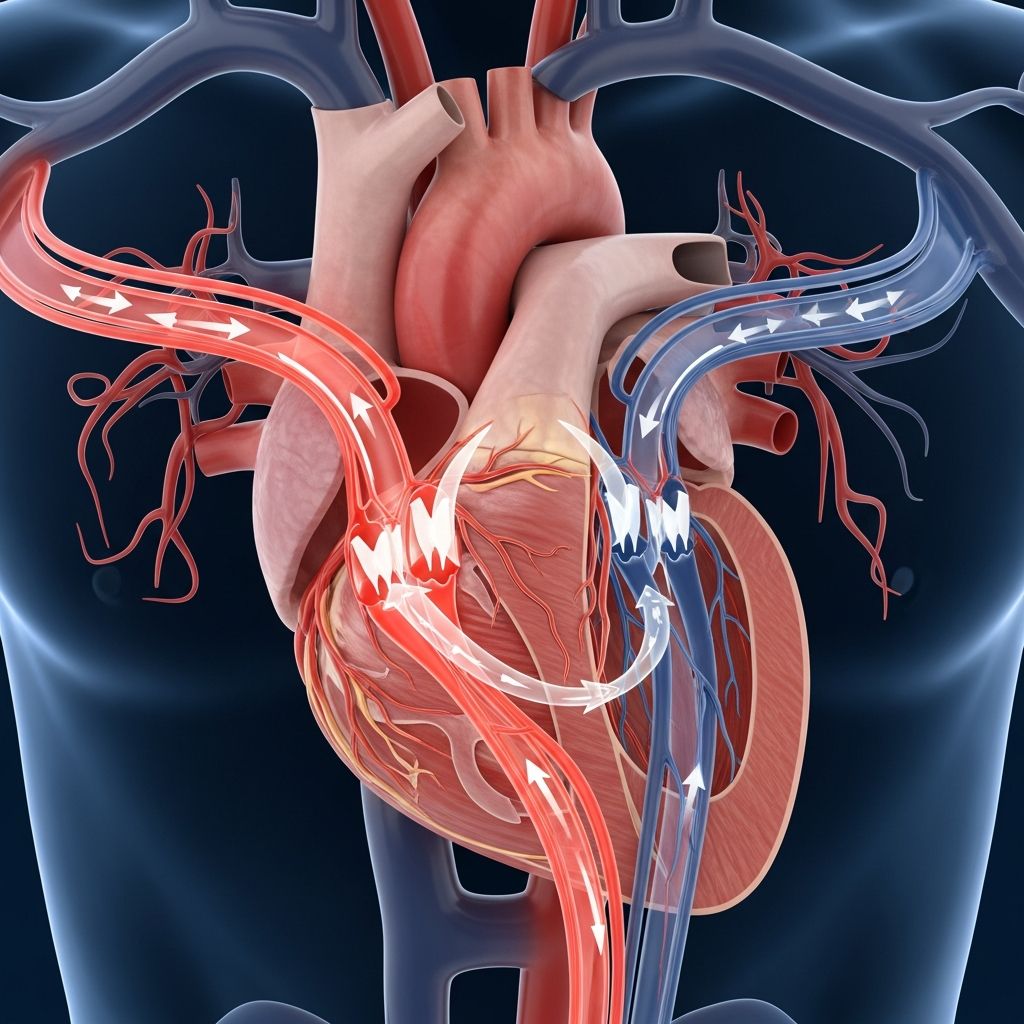
Your heart is divided into four chambers that work in perfect coordination to ensure blood flows in the correct direction. These chambers include the right atrium, right ventricle, left atrium, and left ventricle. The right side of your heart receives oxygen-poor blood from your body, while the left side receives oxygen-rich blood from your lungs and pumps it back out to your body.
Like rooms in your home that have doors to control entry and exit, your heart chambers are equipped with doors called valves. These four main heart valves—the tricuspid, pulmonary, mitral, and aortic valves—open and close strategically to manage blood flow and ensure it moves in the proper direction through your heart.
Understanding the Four Heart Valves
Your heart valves are critical structures that maintain the one-way flow of blood through your heart’s chambers. Each valve serves a specific purpose in the circulatory system:
- Tricuspid Valve: Located between the right atrium and right ventricle, this valve prevents blood from flowing backward into the atrium when the ventricle contracts.
- Pulmonary Valve: Positioned between the right ventricle and pulmonary artery, this valve stops blood from returning to the right ventricle after it’s been pumped to the lungs.
- Mitral Valve: Situated between the left atrium and left ventricle, this valve ensures blood moves from the atrium into the ventricle without flowing backward.
- Aortic Valve: Located between the left ventricle and aorta, this valve prevents oxygen-rich blood from flowing back into the left ventricle after it’s been pumped throughout the body.
The Two Circulatory Circuits
Your circulatory system operates through two main circuits that work together seamlessly: the pulmonary circuit and the systemic circuit.
The Pulmonary Circuit
The pulmonary circuit manages blood flow between your heart and lungs. Oxygen-poor blood travels from your heart to your lungs through the pulmonary arteries, where it receives oxygen and eliminates carbon dioxide and other waste products. This refreshed, oxygen-rich blood then returns to your heart through the pulmonary veins. This circuit is essential for gas exchange and maintaining the oxygen levels your body needs to function.
The Systemic Circuit
The systemic circuit distributes oxygen-rich blood to your entire body. After oxygen-rich blood returns to your heart from the lungs, your heart pumps it out through the aorta to supply all your organs and tissues with the oxygen and nutrients they require. Once your body’s tissues have used the oxygen, the oxygen-poor blood returns to your heart to begin the cycle again.
Related Stories



The Role of Great Vessels
Your great vessels are a vital part of your circulatory system, connecting your heart’s chambers to the rest of your body. These major blood vessels include the superior and inferior vena cava, pulmonary arteries and veins, and the aorta. Your great vessels follow a general rule: arteries carry blood away from your heart, while veins carry blood toward your heart. However, there are two important exceptions to this rule. Your pulmonary arteries carry oxygen-poor blood away from your heart to your lungs, while your pulmonary veins carry oxygen-rich blood back toward your heart.
Step-by-Step: How Blood Flows Through Your Heart
The complete journey of blood through your heart occurs during a single heartbeat. Here’s the detailed sequence of events:
- Oxygen-poor blood enters the right atrium: Deoxygenated blood returns from your body through the superior and inferior vena cava into the right atrium. This blood has circulated through your body, delivering oxygen and nutrients to your tissues while collecting carbon dioxide and waste products.
- Blood flows into the right ventricle: When the right atrium contracts, the tricuspid valve opens, allowing blood to flow from the right atrium into the right ventricle. The valve then closes to prevent backward flow.
- Blood is pumped to the lungs: The right ventricle contracts, pushing blood through the pulmonary valve into the pulmonary arteries. These arteries carry the oxygen-poor blood to your lungs, where it will be refreshed with oxygen.
- Blood is oxygenated in the lungs: In your lungs, blood releases carbon dioxide through exhalation and picks up fresh oxygen through inhalation. This oxygen exchange is critical for maintaining your body’s energy and function.
- Oxygen-rich blood returns to the left atrium: The newly oxygenated blood travels back to your heart through the pulmonary veins, entering the left atrium. This blood is now rich with oxygen and ready to be distributed throughout your body.
- Blood flows into the left ventricle: When the left atrium contracts, the mitral valve opens, allowing the oxygen-rich blood to flow into the left ventricle. This is the heart’s most muscular chamber, responsible for pumping blood throughout the entire body.
- Blood is pumped throughout the body: The left ventricle contracts powerfully, pushing blood through the aortic valve into the aorta, the largest artery in your body. From the aorta, blood branches into smaller arteries that deliver oxygen-rich blood to every cell in your body.
The Circulatory System’s Adaptation to Your Body’s Needs
Your circulatory system is remarkably intelligent and adaptive. It prioritizes blood flow to your brain and heart, as these organs are most vulnerable to insufficient blood supply. If your brain doesn’t receive adequate blood flow, you can lose consciousness within seconds. Brain damage can occur after just four minutes without blood flow. Similarly, your heart quickly experiences difficulty if it’s not receiving sufficient blood supply.
During physical activity or times of stress, your heart automatically pumps more blood to meet your body’s increased oxygen demands. This adaptive response ensures that your muscles receive the oxygen and nutrients they need for exercise, while your brain and other vital organs continue to receive their necessary blood supply.
Blood Vessels: The Network That Supports Circulation
Blood vessels are elastic tubes that carry blood to every part of your body, working together with your heart and lungs to maintain continuous circulation. These vessels consist of arteries, which carry blood away from your heart, and veins, which return blood to your heart. The interaction between these vessels and your heart creates a dynamic system that responds to your body’s changing needs.
Arteries are thick-walled, muscular vessels designed to withstand the high pressure of blood being pumped directly from your heart. Veins, by contrast, have thinner walls and rely on muscle contractions and one-way valves to move blood back toward your heart against gravity. This elegant design ensures efficient circulation throughout your entire body.
Conditions That Affect Blood Flow
Various medical conditions can disrupt the normal pathway of blood flow through your heart and body. These conditions may include valve disorders, where valves don’t open or close properly; coronary artery disease, where plaque buildup restricts blood flow to the heart muscle itself; and arrhythmias, where irregular heartbeats interfere with the coordinated pumping action. Understanding your heart’s normal function helps you recognize when something may be wrong and when to seek medical attention.
Frequently Asked Questions
Q: How much blood does the heart pump daily?
A: Your heart pumps approximately 2,000 gallons of blood every day, which is equivalent to enough blood to fill an 8-by-10-foot swimming pool.
Q: How many times does the heart beat in a lifetime?
A: Over an average lifespan of nearly 79 years, your heart beats approximately 2.9 billion times, beating around 100,000 times each day.
Q: What are the four main heart valves?
A: The four main heart valves are the tricuspid valve, pulmonary valve, mitral valve, and aortic valve. These valves open and close to manage blood flow and keep it moving in the proper direction through your heart.
Q: What is the difference between pulmonary and systemic circulation?
A: Pulmonary circulation sends oxygen-poor blood from your heart to your lungs for oxygenation, while systemic circulation delivers oxygen-rich blood from your heart to your entire body.
Q: How long does it take for blood to flow through the heart?
A: The complete journey of blood through your heart occurs in just a second or two during a single heartbeat.
Q: Why do pulmonary arteries and veins break the normal artery-vein rule?
A: Normally, arteries carry oxygen-rich blood and veins carry oxygen-poor blood. However, pulmonary arteries carry oxygen-poor blood to the lungs, while pulmonary veins carry oxygen-rich blood back to the heart, creating these two important exceptions.
Q: What happens if the brain doesn’t receive adequate blood flow?
A: If your brain doesn’t get the blood it needs, you can lose consciousness within seconds and experience brain damage after just four minutes without blood flow.
References
- How Blood Flows Through the Heart & Body — Cleveland Clinic. 2024. https://my.clevelandclinic.org/health/articles/17060-how-does-the-blood-flow-through-your-heart
- How Your Circulatory System Works — Cleveland Clinic. 2024. https://my.clevelandclinic.org/health/body/circulatory-and-cardiovascular-system
- Great Vessels of the Heart: Anatomy & Function — Cleveland Clinic. 2024. https://my.clevelandclinic.org/health/body/17057-your-heart–blood-vessels
- Heart & Blood Vessels: Blood Flow — Cleveland Clinic. 2024. https://my.clevelandclinic.org/health/articles/17059-how-does-blood-flow-through-your-body
- Heart: Anatomy & Function — Cleveland Clinic. 2024. https://my.clevelandclinic.org/health/body/21704-heart
Similar Articles








Read full bio of Sneha Tete