How Grief Damages Self-Esteem: 5 Evidence-Based Ways To Rebuild
Explore how grief can erode self-esteem, signs to watch for, and practical strategies to rebuild confidence after loss.

Grief, the natural emotional response to loss, can profoundly affect mental health, often leading to diminished
self-esteem
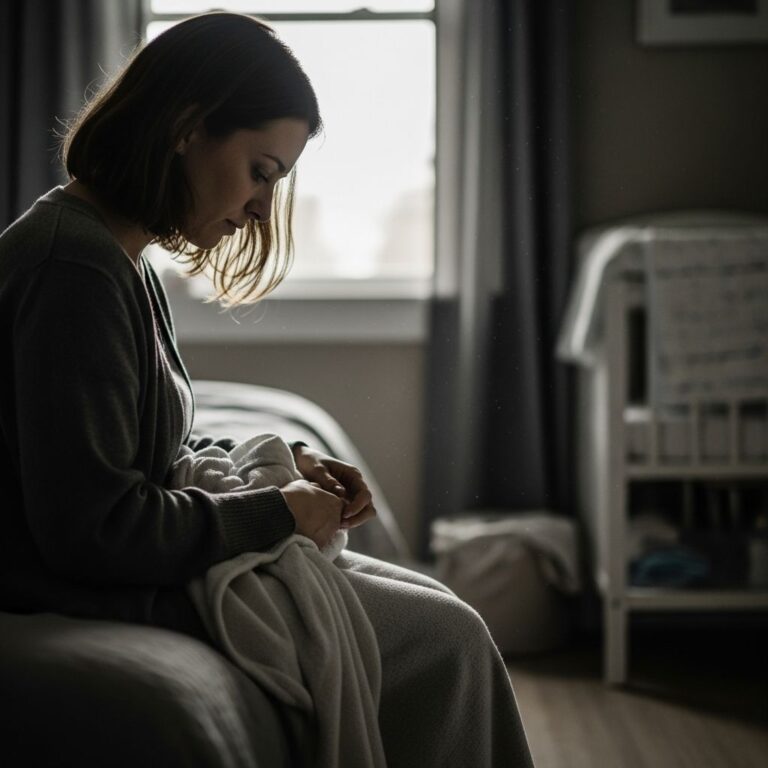
. Unlike normal grief where self-worth remains intact, prolonged bereavement may trigger feelings of worthlessness, self-blame, and isolation, mirroring depression symptoms. This article examines how grief undermines confidence, identifies warning signs, and offers evidence-based strategies for rebuilding self-esteem.What is grief?
Grief is the emotional suffering following the loss of someone or something cherished, such as a loved one, job, or relationship. It manifests physically, emotionally, and cognitively, with common symptoms including sadness, anger, yearning, and disbelief. While grief is universal, its intensity varies; in uncomplicated cases, self-esteem persists, distinguishing it from major depression where pervasive worthlessness dominates.
Bereavement often unfolds in waves, not linear stages. Peaks of yearning occur around 4 months post-loss, anger at 5 months, and depression at 6 months, with acceptance gradually increasing. Expected or unexpected deaths both trigger grief, but those with low baseline self-esteem face heightened risks of complicated outcomes like depression after sudden losses.
How does grief affect self-esteem?
Grief erodes
self-esteem
through maladaptive thought patterns and behavioral changes. In normal grief, self-regard holds steady, but when grief complicates, individuals internalize blame, fostering guilt and shame. Key mechanisms include:- Self-blame and guilt: Bereaved people often ruminate on perceived failures in the relationship with the deceased, such as ‘I should have done more,’ leading to diminished self-worth.
- Feelings of worthlessness: Unlike preserved esteem in grief, persistent low mood mimics depression, with self-loathing and negative self-appraisals.
- Isolation and withdrawal: Avoiding reminders of loss reduces social connections, reinforcing beliefs of unlovability.
- Loss of identity: Roles tied to the deceased (e.g., spouse, parent) create voids, prompting questions like ‘Who am I now?’.
Research shows low pre-loss self-esteem exacerbates post-bereavement depression, especially after unexpected deaths, due to perceived lack of control. Complicated grief (CG) or prolonged grief disorder (PGD) intensifies this, with symptoms like bitterness, numbness, and excessive avoidance persisting beyond 6-12 months.
Signs that grief is damaging your self-esteem
Recognizing erosion early prevents escalation. Watch for these indicators, differentiated from normal grief:
| Normal Grief | Grief Damaging Self-Esteem |
|---|---|
| Self-esteem preserved; focus on deceased | Feelings of worthlessness, self-loathing |
| Yearning focused on reunion wishes | Self-directed suicidal ideation |
| Temporary sadness waves | Persistent negative self-rumination |
| Gradual acceptance | Bitterness, excessive avoidance |
Additional red flags: chronic fatigue, appetite changes, irritability, or difficulty trusting others post-loss. Tools like the PG-13-R screen for PGD if scores exceed 30, signaling severe impairment. Disenfranchised grief—unrecognized losses like pet death or suicide—amplifies self-doubt through invalidation.
Risk factors for low self-esteem after grief
Not everyone experiences self-esteem damage; certain factors heighten vulnerability:
Related Stories



- Pre-existing low self-esteem: Amplifies depression risk after unexpected loss.
- Complicated relationships: Guilt from ambivalent bonds or unfinished business.
- Anticipatory grief: Pre-death mourning, common in terminal illness, rekindles past unresolved losses.
- Disenfranchisement: Societal dismissal (e.g., non-death losses) leads to self-suppression.
- Trauma history: PTSD in veterans links to poorer grief outcomes and suicidal ideation.
Sudden losses hit harder for those feeling life is uncontrollable, per empirical studies. Caregivers with high pre-loss grief and low preparedness fare worse.
When does grief become a problem for self-esteem?
Grief transitions to problematic when self-esteem symptoms linger beyond 6-12 months or intensify. Complicated grief features emptiness, inability to cope, and maladaptive appraisals. Unlike grief’s episodic nature, this resembles indefinite depression without clear cause. Seek help if:
- Symptoms disrupt daily function (work, relationships).
- Avoidance prevents processing loss.
- Self-critical thoughts dominate.
PGD diagnosis requires persistent bereavement since loss, with cognitive distress like self-blame. Early intervention preserves self-worth.
Strategies to protect and rebuild self-esteem during grief
Healing demands facing grief head-on, not suppression, which prolongs pain and risks complications like anxiety or substance use. Evidence-based steps include:
- Acknowledge emotions: Allow sadness, anger without judgment; suppressing delays recovery.
- Self-care basics: Prioritize sleep, nutrition, exercise to replenish reserves depleted by stress.
- Challenge negative thoughts: Counter self-blame with evidence; e.g., ‘I did my best given circumstances’.
- Reconnect socially: Share feelings to combat isolation; validate loss importance.
- Journal or therapy: Dignity therapy enhances end-of-life esteem; cognitive-behavioral approaches rebuild post-loss.
Mindfulness, exercise, and hobbies foster inner growth. For veterans, integrated PTSD-grief care improves outcomes.
Talking therapies for grief and self-esteem
Professional support differentiates grief from depression and restores esteem:
- Cognitive Behavioral Therapy (CBT): Targets rumination, reframes self-blame.
- Complicated Grief Therapy: Processes avoidance, rebuilds meaning.
- Interpersonal Therapy: Addresses role transitions, social deficits.
Group therapy normalizes experiences, reducing disenfranchisement. Referral to specialists is key if PG-13-R indicates PGD.
Self-help tips to rebuild self-esteem after grief
Empower recovery with daily practices:
- Track small achievements to affirm competence.
- Practice self-compassion: Treat yourself as a friend.
- Set boundaries; say no without guilt.
- Volunteer or pursue passions to rediscover purpose.
- Meditate for 10 minutes daily to quiet self-criticism.
Avoid myths like ‘be strong’ or ‘move on quickly’—they stifle healing. Personal health inventories reveal values, guiding reconnection.
Frequently Asked Questions (FAQs)
Is low self-esteem normal in grief?
No, normal grief preserves self-esteem; persistent worthlessness signals complications akin to depression.
How long can grief affect self-esteem?
Typically 6-12 months for uncomplicated grief; beyond this, or with intense symptoms, seek professional help.
Can therapy fix grief-damaged self-esteem?
Yes, CBT and grief-specific therapies effectively rebuild confidence by addressing core beliefs.
Does unexpected loss hurt self-esteem more?
Yes, especially if pre-existing low esteem or low control perceptions exist.
What if grief feels disenfranchised?
Validate the loss internally and seek affirming support; providers can help recognize grief links.
References
- Grief, Bereavement, and Coping With Loss (PDQ®) — National Cancer Institute, NIH. 2023-10-10. https://www.ncbi.nlm.nih.gov/books/NBK66052/
- Coping with Grief — U.S. Department of Veterans Affairs. 2024-05-15. https://www.va.gov/WHOLEHEALTHLIBRARY/overviews/coping-with-grief.asp
- Encountering Grief in Patient Care — American Society of Clinical Oncology. 2012-05-01. https://ascopubs.org/doi/10.14694/EdBook_AM.2012.32.302
- Coping with Grief and Loss — HelpGuide.org (reviewed by Harvard Health). 2025-01-01. https://www.helpguide.org/mental-health/grief/coping-with-grief-and-loss
- Understanding Bereavement and Grief — Patient.info. 2024-11-20. https://patient.info/mental-health/grief-and-bereavement
Similar Articles








Read full bio of Sneha Tete