How Can You Lower Your Blood Pressure: 12 Proven Strategies
Discover 12 evidence-based strategies to naturally lower blood pressure and reduce hypertension risk for better heart health.
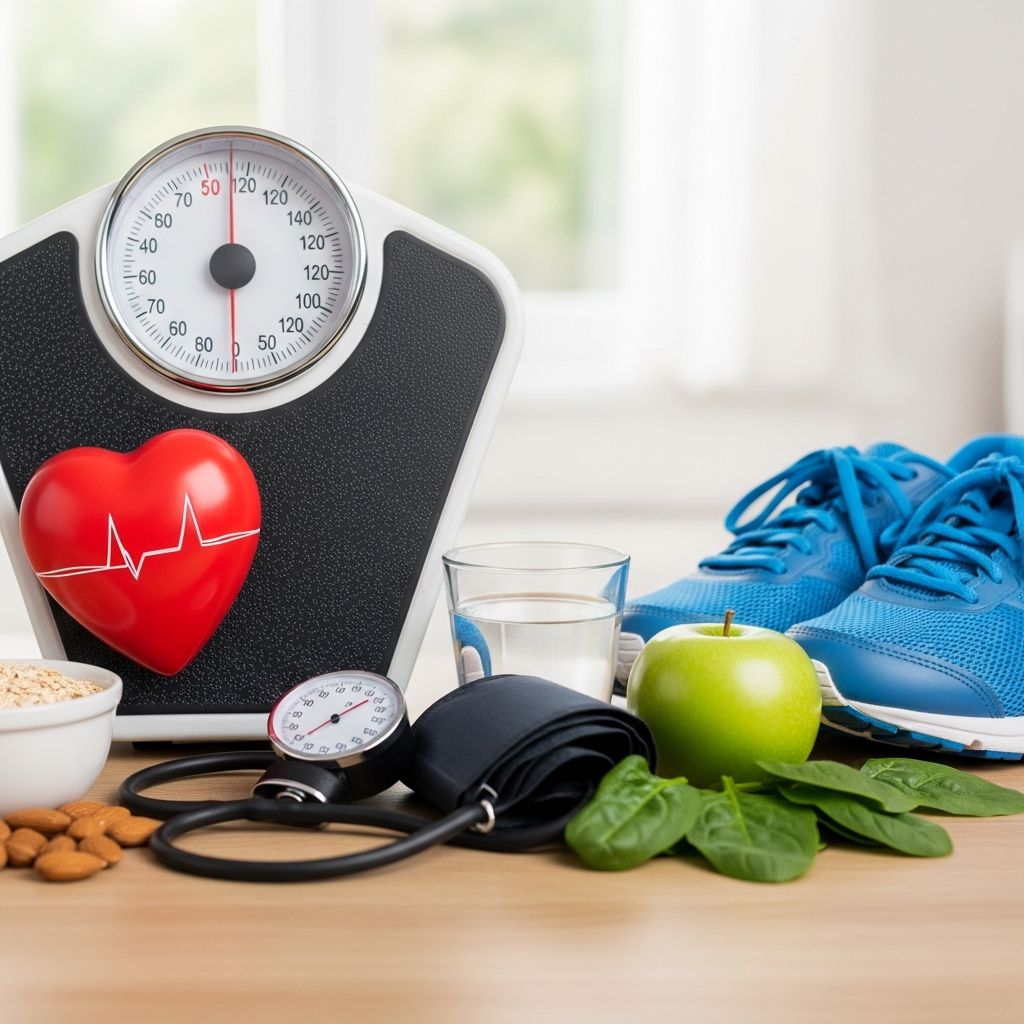
High blood pressure, or hypertension, affects nearly half of adults in the United States and is a major risk factor for heart disease, stroke, and kidney problems. The good news is that lifestyle changes can significantly lower blood pressure, often reducing or eliminating the need for medication. According to the American Heart Association, even small reductions in blood pressure—such as 5 mm Hg systolic—can decrease stroke risk by 14% and heart disease risk by 9%.1 This comprehensive guide outlines 12 proven strategies to help you take control of your blood pressure naturally.
What Is Blood Pressure?
Blood pressure measures the force of blood pushing against artery walls as the heart pumps. It’s recorded as two numbers: systolic (top number, pressure during heartbeats) over diastolic (bottom number, pressure between beats). Normal blood pressure is less than 120/80 mm Hg. Elevated is 120-129/<80 mm hg, stage 1 hypertension is 130-13980-89 and 2 140+ 90+ per american collegeof cardiology guidelines.2
Chronically high blood pressure strains the heart, arteries, and organs. Monitoring at home with validated devices is recommended, as office readings can be inflated by ‘white coat hypertension.’
1. Lose Weight If You’re Overweight
Excess weight, particularly around the midsection, increases blood pressure by forcing the heart to work harder. Studies show losing just 5-10% of body weight can lower systolic blood pressure by 5-20 mm Hg. A meta-analysis in the Journal of Hypertension found that for every kilogram lost, systolic BP drops about 1 mm Hg.3
- Calculate BMI: Aim for 18.5-24.9.
- Focus on waist circumference: Men <40 inches, women <35 inches.
- Sustainable calorie deficit: 500-1000 kcal/day for 1-2 lbs/week loss.
Combine diet and exercise for best results. Track progress weekly and consult a doctor before starting.
2. Exercise Regularly
Physical activity strengthens the heart, improves artery flexibility, and aids weight loss. The CDC recommends 150 minutes of moderate aerobic exercise weekly, which can lower BP by 5-8 mm Hg. Resistance training adds benefits, reducing systolic BP by 4 mm Hg per a 2023 review.4
- Aerobic: Brisk walking, cycling, swimming (30 min/day, 5 days/week).
- Strength: Weights or bodyweight exercises 2-3 days/week.
- Consistency matters more than intensity initially.
Start slow if sedentary; aim for 10-minute sessions building to 30-60 minutes. Isometric exercises like planks also help.
3. Eat a Healthy Diet
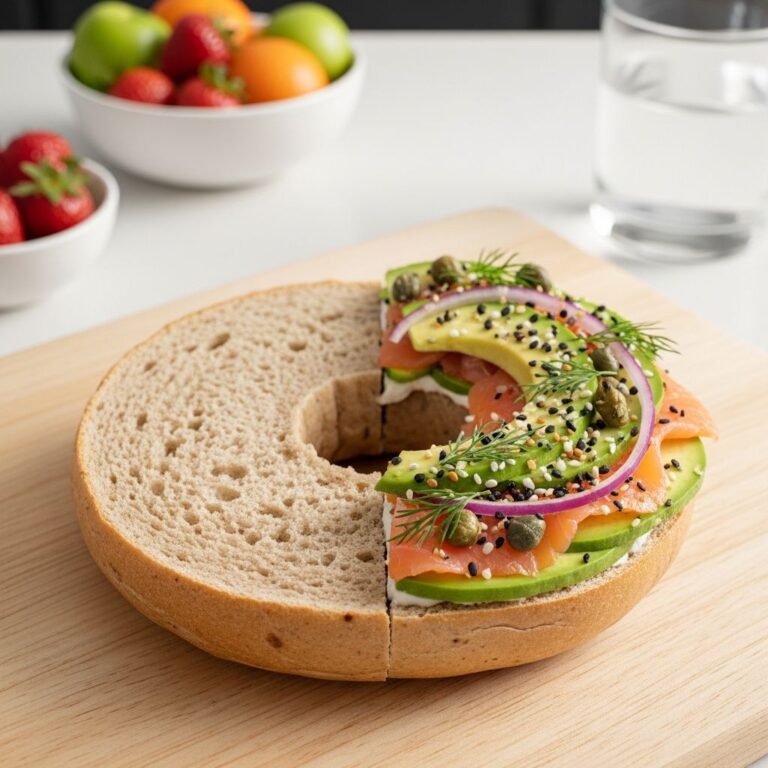
Diet profoundly impacts blood pressure. The DASH (Dietary Approaches to Stop Hypertension) diet, rich in fruits, vegetables, whole grains, and low-fat dairy, lowers systolic BP by 11 mm Hg, rivaling medication.5
| DASH Foods | Servings/Day |
|---|---|
| Fruits | 4-5 |
| Vegetables | 4-5 |
| Low-fat dairy | 2-3 |
| Whole grains | 6-8 |
| Lean proteins | ≤6 oz |
| Nuts/seeds | 4-5/week |
Emphasize potassium-rich foods (bananas, spinach) to balance sodium.
4. Reduce Sodium Intake
Sodium causes fluid retention, raising blood pressure. The American Heart Association recommends <2300 mg/day, ideally 1500 mg for hypertensives, potentially lowering BP by 5-6 mm Hg. Most sodium comes from processed foods.
- Read labels: Choose low-sodium options (<140 mg/serving).
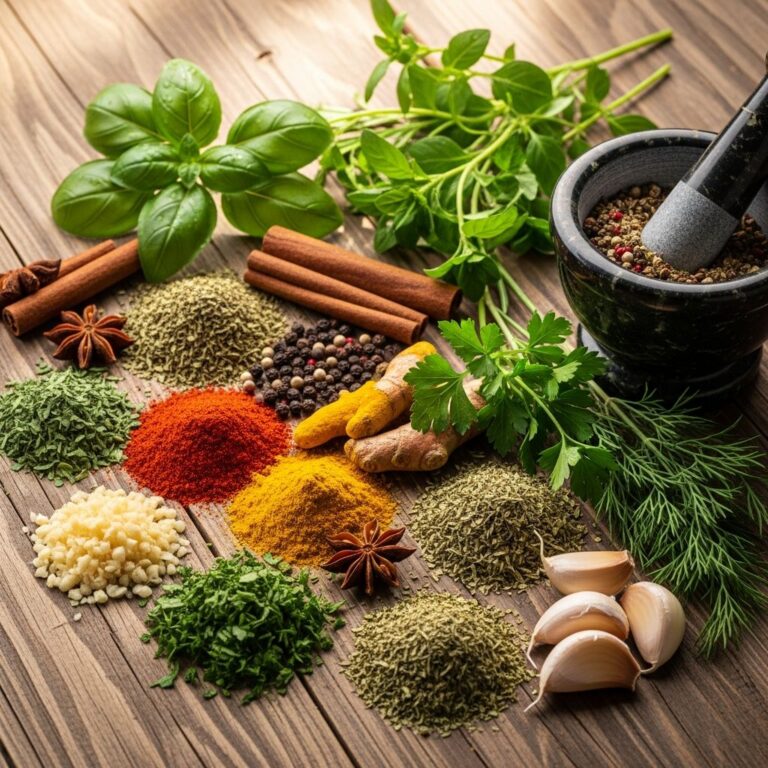
- Cook fresh: Use herbs, spices, lemon instead of salt.
- Avoid: Canned soups, deli meats, fast food.
Salt sensitivity varies; African Americans and older adults respond most to reduction.
5. Limit Alcohol
Excess alcohol raises blood pressure. Limiting to one drink/day for women and two for men can lower systolic BP by 4 mm Hg, per NIH research.6 Binge drinking is particularly harmful.
Related Stories



- One drink = 12 oz beer, 5 oz wine, 1.5 oz spirits.
- Alternate with water; avoid daily drinking.
- Abstinence best if liver issues or addiction history.
6. Quit Smoking
Smoking damages arteries and temporarily spikes BP. Quitting lowers risk within 20 minutes; full cardiovascular benefits in 1-2 years. Each cigarette raises systolic BP 10-20 mm Hg for 30 minutes.7
- Nicotine replacement, counseling, medications aid success.
- Avoid vaping/secondhand smoke.
- Celebrate smoke-free milestones.
7. Cut Back on Caffeine
Caffeine can raise BP 10 mm Hg in sensitive people, lasting hours. Regular drinkers may develop tolerance, but hypertensives should limit to <200 mg/day (2 cups coffee).
- Test sensitivity: Monitor BP 30-120 min post-caffeine.
- Switch to decaf or herbal tea.
- Energy drinks especially risky due to other stimulants.
8. Reduce Stress
Chronic stress triggers hormones raising BP. Techniques lowering systolic BP 4-5 mm Hg include:
- Meditation/mindfulness: 10 min/day.
- Deep breathing: 4-7-8 technique.
- Yoga/tai chi: Combines movement and relaxation.
- Social support: Talk to friends or therapist.
A 2024 JAMA study confirmed mindfulness-based programs effectively lower BP in hypertensives.8
9. Get Support
Accountability doubles success. Partner with family, join groups like those from the American Heart Association, or use apps tracking BP/diet/exercise.
- Tell loved ones your goals.
- Group classes for motivation.
- Healthcare team coordination essential.
10. Supportive Supplements and Foods
Certain nutrients help:
- Potassium: 3500-4700 mg/day from food.
- Magnesium: 300-400 mg/day.
- Omega-3s: Fatty fish or 1g fish oil.
- Garlic, hibiscus tea: Promising research.
Consult doctor before supplements; food sources preferred.
11. Get a Good Night’s Sleep
Poor sleep (apnea, insomnia) raises BP. Aim 7-9 hours/night. CPAP for sleep apnea lowers BP 2-4 mm Hg.9
- Sleep hygiene: Consistent schedule, dark room, no screens before bed.
- Screen for apnea if snoring/fatigue.
12. Monitor Your Blood Pressure at Home
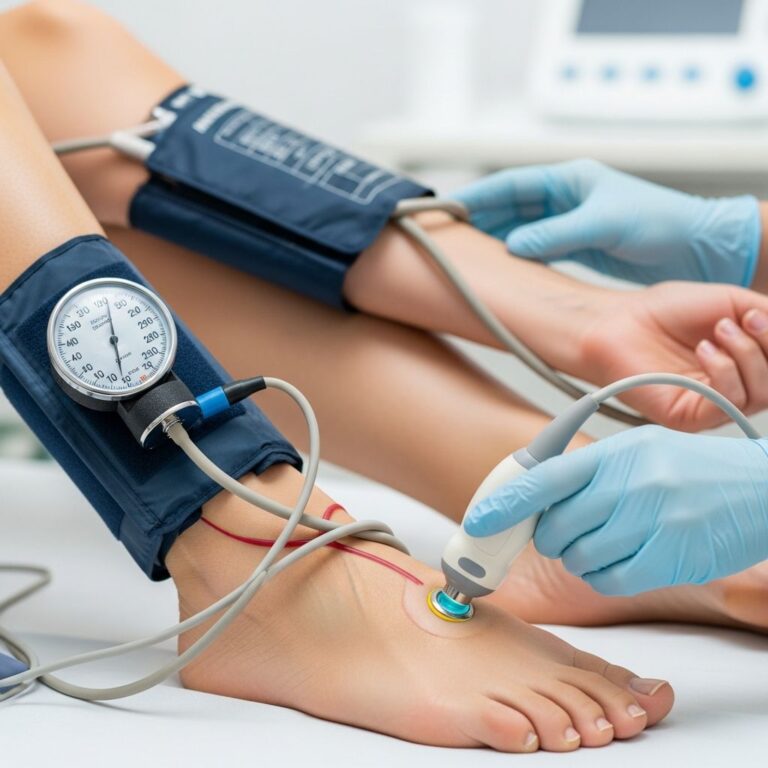
Home monitoring improves control. Use upper-arm cuff validated by the American Medical Association. Track patterns, share with doctor.
- Measure same time daily, rested position.
- Average 2-3 readings.
- Apps sync data to providers.
Frequently Asked Questions (FAQs)
How quickly can lifestyle changes lower blood pressure?
Some notice changes within weeks, but 1-3 months typical for significant drops. Consistency key.
Can I lower blood pressure without medication?
Many with mild-moderate hypertension can, especially combining multiple strategies. Severe cases may need meds.
What’s more important: diet or exercise?
Both crucial; diet often has larger immediate impact, exercise sustains long-term benefits.
Should I take blood pressure supplements?
Discuss with doctor; potassium/magnesium from food safest. Some like CoQ10 show promise but variable results.
When to see a doctor about high blood pressure?
Immediately if >180/120 mm Hg with symptoms, or consistently >130/80. Regular checks essential.
References
- Why High Blood Pressure is a ‘Silent Killer’ — American Heart Association. 2024-01-15. https://www.heart.org/en/health-topics/high-blood-pressure/why-high-blood-pressure-is-a-silent-killer
- 2017 ACC/AHA Guideline for High Blood Pressure — American College of Cardiology. 2017-11-13. https://www.ahajournals.org/doi/10.1161/HYP.0000000000000065
- Effects of weight loss on blood pressure — Journal of Hypertension. 2022-05-01. https://journals.lww.com/jhypertension/fulltext/2022/05000/effects_of_weight_loss_on_blood_pressure.5.aspx
- Physical Activity Guidelines for Americans — CDC. 2023-09-18. https://www.cdc.gov/physical-activity-basics/guidelines/adults.html
- DASH Eating Plan — National Heart, Lung, and Blood Institute. 2024-06-12. https://www.nhlbi.nih.gov/education/dash-eating-plan
- Alcohol and High Blood Pressure — NIH/NIAAA. 2023-11-05. https://www.niaaa.nih.gov/publications/brochures-and-fact-sheets/alcohol-and-your-blood-pressure
- Smoking and High Blood Pressure — American Heart Association. 2024-03-22. https://www.heart.org/en/health-topics/high-blood-pressure/changes-you-can-make-to-manage-high-blood-pressure/smoking-high-blood-pressure-and-your-health
Similar Articles








Read full bio of medha deb