How Coffee Increases Anxiety: 5 Safe Ways To Cut Caffeine
Discover how your daily coffee habit might be fueling anxiety symptoms and learn practical ways to manage caffeine intake for better mental health.
How Coffee Increases Anxiety
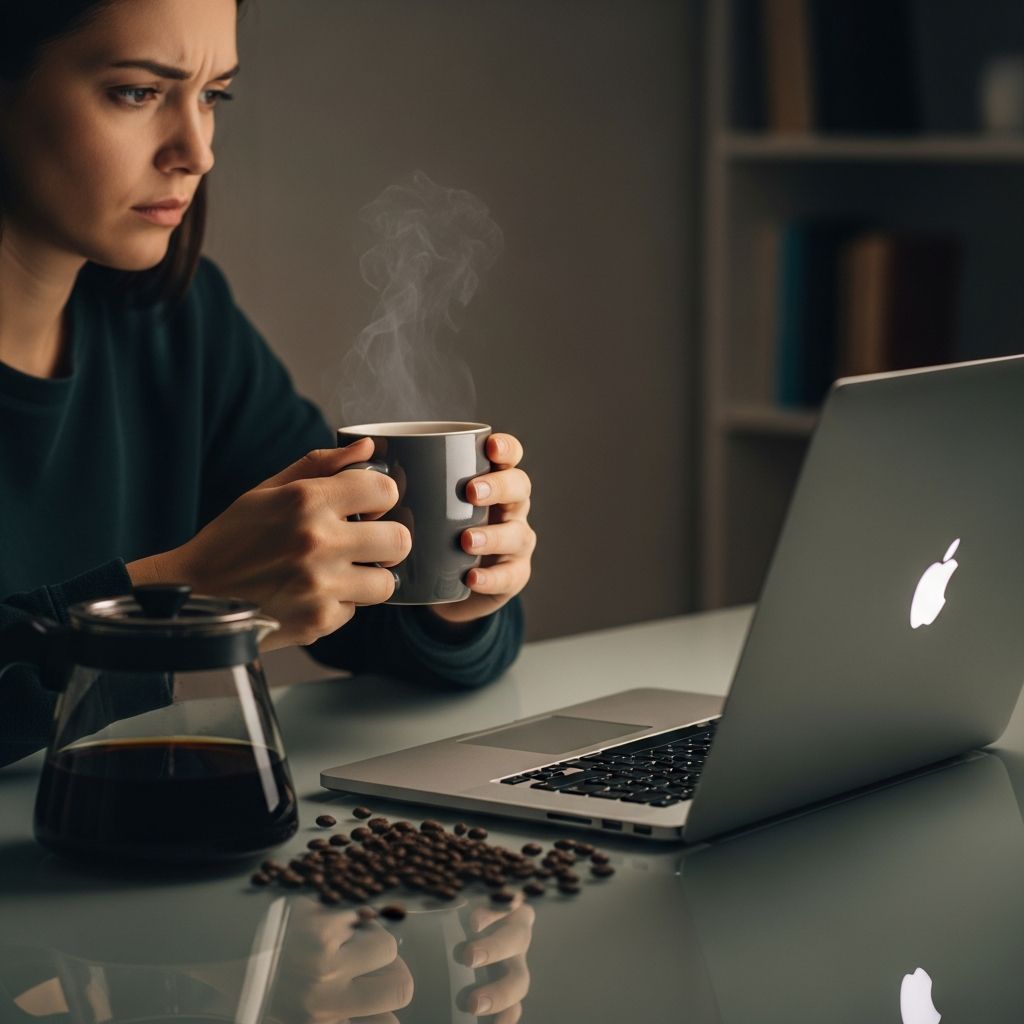
Coffee is a beloved morning ritual for millions, offering a quick boost of energy and focus. However, its primary active ingredient,
caffeine
, can significantly heightenanxiety
levels in many people by interfering with the brain’s natural relaxation processes and triggering stress responses. This article delves into the mechanisms, symptoms, risk factors, and strategies for managing coffee-related anxiety, drawing from scientific research to help you make informed choices about your caffeine habits.Why Does Coffee Make You Anxious?
Caffeine in coffee acts as a central nervous system stimulant, blocking adenosine receptors in the brain. Adenosine is a neurotransmitter that promotes relaxation and sleepiness; when caffeine binds to its receptors, it prevents adenosine from inducing calm, leaving you feeling wired and potentially anxious. This blockade also leads to increased release of adrenaline, mimicking the body’s “fight or flight” response, which elevates heart rate, blood pressure, and feelings of restlessness—core symptoms of anxiety.
Research shows that even moderate coffee consumption can amplify these effects. For instance, a study on adolescents found positive associations between weekly caffeine intake (particularly from coffee) and self-reported anxiety, with effects persisting after adjusting for lifestyle factors. High intake (>1000 mg/week) was linked to elevated anxiety risk, especially in males. In the general population, caffeine’s anxiogenic (anxiety-inducing) properties become pronounced at doses exceeding 400 mg daily, equivalent to about two 12-ounce cups of coffee.
Chronic consumption can disrupt sleep, further exacerbating anxiety, as sleep deprivation is strongly tied to mental health issues. Coffee’s role as the primary caffeine source in many diets amplifies these risks, as it contributes disproportionately to total intake compared to tea or soda.
Caffeine Content in Coffee and Daily Limits
Understanding caffeine quantities is crucial for anxiety management. A standard 12-ounce cup of brewed coffee contains approximately 247 mg of caffeine, while black tea has about 71 mg. Health experts deem 400 mg daily safe for most adults, but this threshold often marks the point where anxiety risks spike.
| Beverage | Serving Size | Caffeine (mg) |
|---|---|---|
| Brewed Coffee | 12 oz | 247 |
| Black Tea | 12 oz | 71 |
| Espresso | 1 oz | 63 |
| Energy Drink | 8 oz | 80 |
Beyond coffee, hidden sources like medications, gum, and ice cream can push totals over safe limits unnoticed. For anxiety-prone individuals, staying under 200-300 mg daily may be advisable to minimize symptoms.
Symptoms of Coffee-Induced Anxiety
Coffee can trigger or worsen a range of anxiety-like symptoms due to its stimulatory effects. Common manifestations include:
- Rapid heartbeat and palpitations: Adrenaline surge increases heart rate, mimicking panic.
- Jitteriness and restlessness: CNS overstimulation leads to shaky hands and unease.
- Insomnia: Blocked adenosine disrupts sleep, creating a vicious cycle with anxiety.
- Heightened nervousness: Excessive intake (>400 mg) induces ‘caffeinism,’ with symptoms like agitation and rambling thoughts.
- Gastrointestinal distress: Stomach upset and tremors overlap with anxiety presentations.
These symptoms can feel indistinguishable from clinical anxiety, particularly in sensitive groups. Studies report higher anxiety in moderate-to-high coffee drinkers versus abstainers.
Who Is Most at Risk?
Not everyone reacts equally;
caffeine sensitivity
plays a key role, influenced by genetics, such as variations in the ADORA2A gene affecting adenosine binding. Slow metabolizers feel effects longer and more intensely, experiencing jitters from even small amounts.- Those with pre-existing anxiety or panic disorder: Over 50% of panic patients experienced attacks after >400 mg caffeine, versus none on placebo.
- Adolescents and young adults: Cross-sectional data links high coffee intake to anxiety and depression, with sex differences (stronger in males).
- Psychiatric patients: Greater sensitivity to high doses, inducing mania or mixed mood states.
- Chronic high consumers: Dependence develops, where tolerance masks effects until withdrawal hits.
Women may show varied responses, with some studies finding non-significant anxiety links after covariates.
Caffeine Withdrawal and Anxiety
Quitting coffee abruptly can paradoxically worsen anxiety due to withdrawal. Symptoms emerge within 24 hours and last up to nine days, including headaches, tremors, increased heart rate, and irritability—overlapping with anxiety. Psychological dependence amplifies this, as users fear unboosted days.
To mitigate:
- Taper gradually over 1-2 weeks, reducing by 25-50 mg daily.
- Hydrate and use pain relievers for headaches.
- Incorporate relaxation techniques like deep breathing.
Symptoms fade, often leading to improved baseline anxiety.
Tips to Reduce Coffee Intake Safely
Managing coffee’s anxiety impact doesn’t require total abstinence. Evidence-based strategies include:
- Switch to decaf or low-caffeine alternatives: Herbal teas (e.g., chamomile) promote calm without stimulation.
- Limit to mornings: Avoid after noon to protect sleep.
- Track total intake: Use apps to log all sources.
- Opt for smaller servings: Half-caf blends cut caffeine by 50%.
- Pair with food: Eating slows absorption, blunting peaks.
For sensitive individuals, genetic testing for metabolism can guide personalized limits.
Alternatives to Coffee for Energy
Ditch jitters with natural boosters:
- Green tea: Lower caffeine (40-50 mg/cup) plus L-theanine for calm focus.
- Matcha: Sustained energy without crash.
- Hydration and exercise: Water and walks enhance alertness naturally.
- B vitamins and protein-rich breakfasts: Stabilize energy.
These options support mental health without anxiety risks.
Frequently Asked Questions (FAQs)
Does coffee really cause anxiety?
Yes, caffeine in coffee increases anxiety risk for most by blocking relaxation signals and triggering stress hormones, especially above 400 mg daily.
How much coffee is too much for anxiety?
Over 400 mg (about 1-2 cups) heightens risks; sensitive people may react to less.
Can decaf coffee cause anxiety?
Rarely, as it contains trace caffeine (2-15 mg/cup), but acidity might irritate some stomachs.
How long does caffeine anxiety last?
Effects peak in 30-60 minutes and last 3-5 hours, longer in slow metabolizers.
Is caffeine worse for anxiety than alcohol?
Caffeine acutely worsens symptoms via stimulation; alcohol is a depressant but disrupts sleep similarly.
Key Takeaways
While coffee offers benefits, its caffeine can fuel anxiety through neurochemical interference and stress activation. Monitor intake, know your sensitivity, and taper wisely for mental clarity. Consult professionals for persistent issues.
References
- Caffeine consumption and self-assessed stress, anxiety, and depression in secondary school children — Cornish R, et al. PMC. 2015-06-09. https://pmc.ncbi.nlm.nih.gov/articles/PMC4668773/
- Is caffeine making you anxious? 5 things to know — UCLA Health. 2023-10-11. https://www.uclahealth.org/news/article/caffeine-making-you-anxious-5-things-know
Similar Articles



Read full bio of Sneha Tete