How Coffee Increases Anxiety: 5 Essential Reduction Strategies
Discover how your daily coffee habit might be fueling anxiety symptoms and learn practical strategies to manage caffeine intake effectively.
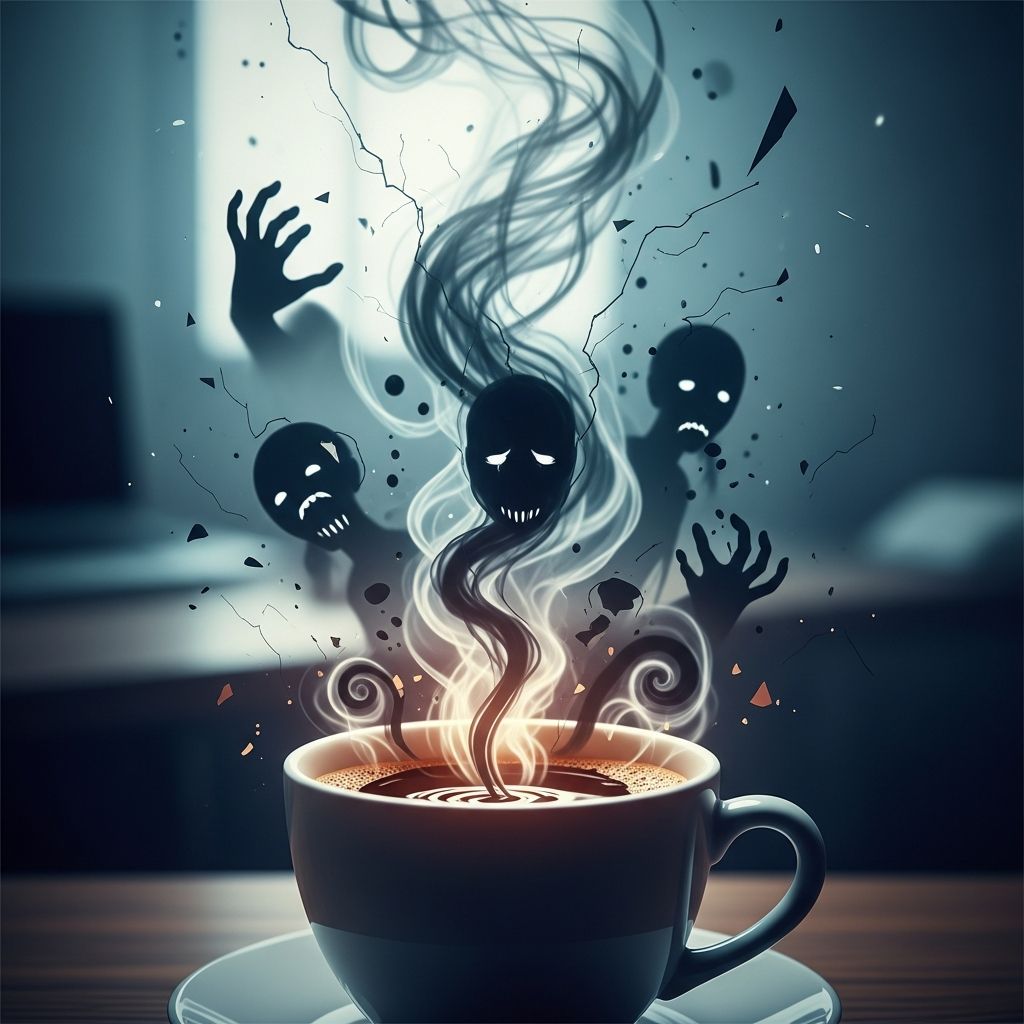
Coffee, a beloved morning ritual for millions, contains caffeine that can significantly heighten anxiety levels by stimulating the central nervous system and blocking relaxation signals in the brain. This article delves into the mechanisms, risk factors, safe consumption guidelines, and practical tips for managing caffeine intake to mitigate anxiety symptoms.
Understanding the Link Between Coffee and Anxiety
Caffeine, the primary active compound in coffee, acts as a stimulant that mimics anxiety-like responses in the body. Research indicates that while moderate intake may enhance alertness, excessive amounts—particularly from coffee—correlate with elevated stress, anxiety, and even depression symptoms, especially in sensitive populations like adolescents and those with pre-existing conditions.
Over 90% of Americans consume caffeine daily, with coffee being a major source, averaging around 247 mg per 12-ounce cup. This widespread habit underscores the need to recognize how it can exacerbate subjective feelings of anxiety, even in healthy individuals.
How Caffeine in Coffee Triggers Anxiety
Caffeine influences anxiety through multiple physiological pathways:
- Blocking Adenosine Receptors: Caffeine binds to adenosine, a neurotransmitter promoting relaxation, preventing it from calming the brain and leading to heightened alertness that feels like anxiety.
- Stimulating Fight-or-Flight Response: It boosts adrenaline, increasing heart rate, blood pressure, and restlessness—symptoms mirroring panic attacks.
- Dosage-Dependent Effects: Studies show positive associations between weekly caffeine intake over 1000 mg and high anxiety, with coffee often being the primary contributor due to its high concentration.
In sensitive groups, such as those with panic disorder, doses above 400 mg can induce panic attacks in over 50% of cases. Cross-sectional data from adolescents further links coffee-derived caffeine to stress and mental health issues, persisting after covariate adjustments.
Safe Caffeine Limits and Anxiety Risk
Experts recommend no more than 400 mg of caffeine daily for most adults to avoid anxiety risks. Here’s a breakdown of common sources:
| Beverage | Serving Size | Caffeine Content (mg) |
|---|---|---|
| Black Coffee | 12 oz | Up to 247 |
| Black Tea | 12 oz | 71 |
| Energy Drink | 8 oz | 80-150 |
| Cola | 12 oz | 30-50 |
Exceeding 400 mg daily significantly raises anxiety risk, with chronic high intake (>1000 mg/week) predicting severe symptoms in males and overall depression. Sleep interference from caffeine further amplifies this, as deprivation is closely tied to anxiety disorders.
Caffeine Sensitivity: Why Coffee Affects Some More Than Others
Individual differences play a crucial role. Genetic variations in the ADORA2A gene influence adenosine receptor binding, making some people more prone to jitteriness and anxiety from coffee. Adolescents and psychiatric patients show heightened sensitivity, with males experiencing stronger anxiety links at high doses.
- Sensitive individuals may feel effects from as little as 250 mg weekly.
- Psychiatric groups, like those with generalized anxiety, report amplified symptoms post-400 mg intake.
Metabolism speed also varies; slow metabolizers experience prolonged effects, increasing anxiety likelihood.
Coffee’s Impact on Existing Anxiety Disorders
For those with diagnosed anxiety, coffee can intensify symptoms rather than cause new ones. High caffeine amplifies heart palpitations and hypertension, mimicking panic. In panic disorder patients, over 50% experienced attacks after >400 mg, versus none on placebo.
Related Stories



Adolescent studies confirm depression associations, with coffee consumers above median intake showing elevated risks. Reducing intake is often advised for management.
Signs Your Coffee Habit Is Causing Anxiety
Monitor these overlapping symptoms:
- Jitteriness, rapid heartbeat, or restlessness post-consumption.
- Interrupted sleep or heightened worry.
- Worsening pre-existing anxiety, especially after multiple cups.
- Withdrawal mimicking anxiety: headaches, tremors, irritability upon skipping.
If coffee triggers these consistently, it may be fueling an anxiety cycle.
Strategies to Reduce Coffee and Caffeine Intake
Gradual reduction prevents withdrawal. Tips include:
- Track Intake: Log daily mg using apps or labels.
- Switch Gradually: Dilute coffee with decaf or opt for half-caff blends.
- Alternatives: Herbal teas (chamomile for calm) or chicory root coffee.
- Timing: Avoid after noon to protect sleep.
- Hydrate: Water counters dehydration worsening anxiety.
Studies show benefits emerge within days, with full adaptation in weeks.
Managing Caffeine Withdrawal Anxiety
Quitting can spike anxiety temporarily due to dependence. Symptoms peak at 24-48 hours, lasting up to 9 days: headaches, fatigue, irritability. Cope by:
- Staying hydrated and using over-the-counter pain relief.
- Light exercise and mindfulness to ease stress.
- Taper slowly: reduce 25% weekly.
Long-term, anxiety often decreases as the body recalibrates.
Healthier Coffee Habits for Anxiety-Prone Individuals
- Limit to 1-2 cups (under 400 mg) early in the day.
- Pair with L-theanine-rich green tea for balance.
- Monitor via journal; consult professionals if anxiety persists.
Research supports moderation as key for mental health.
Frequently Asked Questions (FAQs)
Does coffee really cause anxiety?
Yes, caffeine in coffee can increase anxiety risk by stimulating the CNS and blocking relaxation, especially over 400 mg daily.
How much coffee is too much for anxiety?
More than 400 mg caffeine (about 2 cups) heightens risk; sensitive people may react to less.
Can decaf coffee cause anxiety?
Rarely, as it has trace caffeine (<5 mg/cup), but other compounds might mildly affect some.
Is caffeine sensitivity genetic?
Yes, ADORA2A gene variations determine response strength.
How long does caffeine withdrawal last?
24 hours to 9 days, with anxiety-like symptoms fading over time.
Conclusion
While coffee offers benefits, its caffeine content demands mindful consumption to avoid anxiety exacerbation. By understanding mechanisms and limits, you can enjoy it safely.
References
- Caffeine consumption and self-assessed stress, anxiety, and depression in secondary school children — Cornish Academies Project. 2015-06-16. https://pmc.ncbi.nlm.nih.gov/articles/PMC4668773/
- Is caffeine making you anxious? 5 things to know — UCLA Health. 2023-10-10. https://www.uclahealth.org/news/article/caffeine-making-you-anxious-5-things-know
Similar Articles








Read full bio of Sneha Tete