How Did I Break a Blood Vessel in My Eye?
Understanding subconjunctival hemorrhage: causes, symptoms, and when to seek care.
Understanding Subconjunctival Hemorrhage: A Broken Blood Vessel in Your Eye
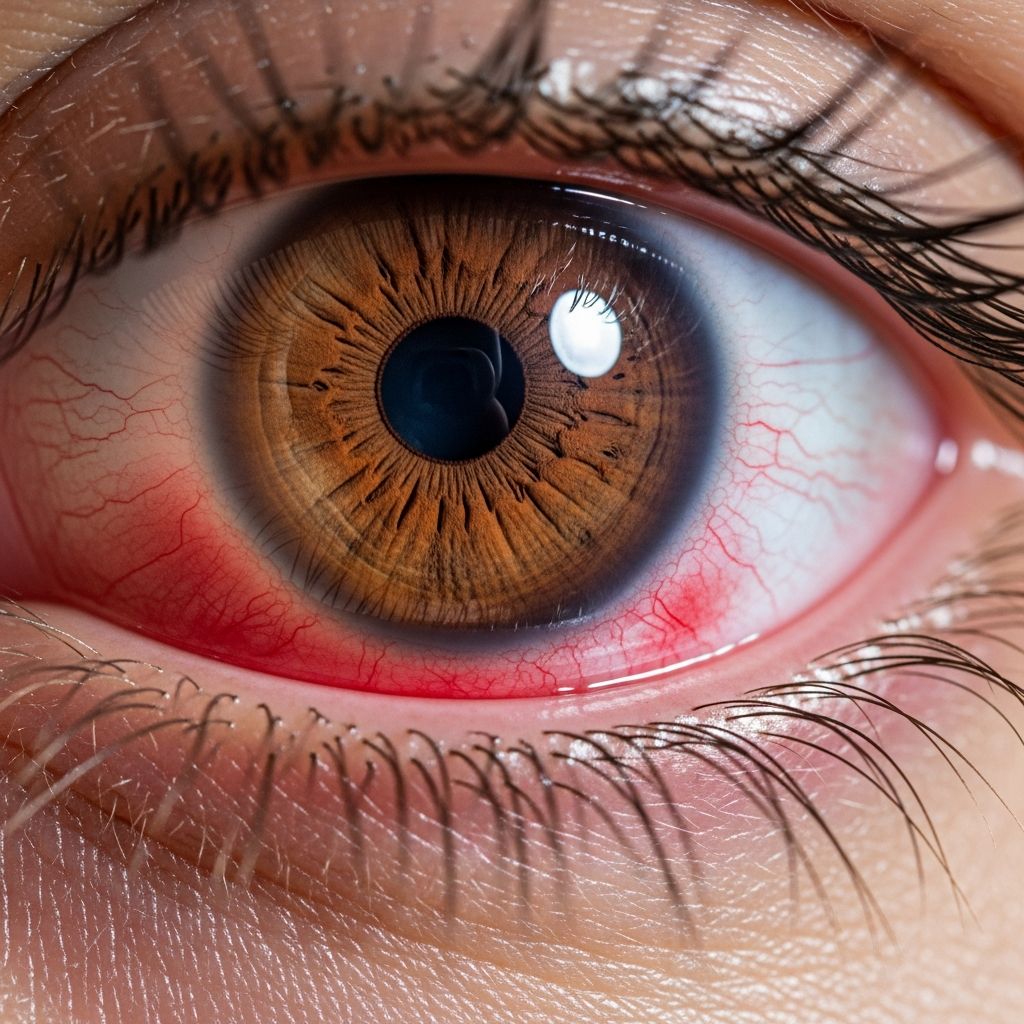
Discovering a bright red patch on the white of your eye can be alarming. This condition, known as subconjunctival hemorrhage, occurs when a blood vessel breaks underneath the conjunctiva—the clear membrane covering the white part of your eye. While the appearance may seem serious, subconjunctival hemorrhages are typically harmless and resolve on their own without treatment. Understanding what causes this condition and when to seek medical attention can help ease your concerns.
What Is a Subconjunctival Hemorrhage?
A subconjunctival hemorrhage happens when blood accumulates between the conjunctiva and the sclera (the white of your eye). The blood becomes trapped in this space, creating a bright red or dark red appearance on the surface of your eye. Unlike a bruise on your skin, you cannot wipe away a subconjunctival hemorrhage because the blood is trapped beneath the conjunctiva.
The condition is painless in most cases, though you may experience mild discomfort or a slight gritty sensation. Your vision should remain unaffected unless the hemorrhage is particularly large or located near the center of your vision.
Common Causes of Broken Blood Vessels in the Eye
A blood vessel can break in your eye for various reasons, ranging from minor trauma to underlying health conditions. Understanding these causes can help you identify what may have led to your subconjunctival hemorrhage.
Minor Trauma and Injury
One of the most common causes of a broken blood vessel in the eye is minor trauma. This can include:
- A poke or bump to the eye
- Rubbing your eye too vigorously
- Eye injuries during sports or physical activities
- Accidental contact during play or work
Even minor injuries that you might not remember can cause a small blood vessel to rupture. Sometimes the injury occurs several days before you notice the hemorrhage, making it difficult to identify the exact cause.
Sudden Pressure Changes
Abrupt increases in pressure around the head and eyes can cause blood vessels to break. These situations include:
- Severe coughing or sneezing
- Heavy lifting or straining during exercise
- Vomiting or retching
- Straining during bowel movements
- Childbirth and labor
Any activity that dramatically increases intraocular or intrathoracic pressure can potentially rupture a fragile blood vessel in the eye.
Blood Thinning Medications
If you take medications that thin your blood, such as warfarin (Coumadin) or aspirin, you may be at higher risk for subconjunctival hemorrhages. These medications reduce your blood’s ability to clot, making it easier for blood vessels to bleed when injured. Even minor trauma can result in a more significant hemorrhage in patients taking anticoagulants.
Bleeding Disorders
Certain bleeding disorders increase the likelihood of spontaneous or easily triggered hemorrhages. These conditions include hemophilia, thrombocytopenia, and other coagulation disorders. If you have a known bleeding disorder and develop a subconjunctival hemorrhage without any apparent injury, contact your healthcare provider.
Related Stories



High Blood Pressure
Uncontrolled hypertension can weaken blood vessel walls over time, making them more prone to rupture. If you have high blood pressure and notice a subconjunctival hemorrhage, this may be a sign that your blood pressure needs better management.
Diabetes
Diabetes can damage small blood vessels throughout the body, including those in the eyes. This vascular damage increases the risk of spontaneous bleeding in the eye, even without obvious trauma.
Sudden Eye Pressure Elevation
Acute elevations in eye pressure, such as those that occur with acute angle-closure glaucoma, can cause blood vessels to rupture. If you experience eye pain along with a subconjunctival hemorrhage, seek immediate medical attention.
Symptoms and Appearance
The primary symptom of a broken blood vessel in your eye is the appearance of red discoloration on the white of your eye. The characteristics of this discoloration can vary:
- Color: Bright red immediately after the hemorrhage, gradually darkening to purple or brown as the blood reabsorbs
- Shape: Can be round, oval, or irregularly shaped
- Size: Ranges from a small dot to covering a large portion of the white of the eye
- Location: Typically appears on the side of the eye closest to the nose or temple
Most people experience no pain or vision changes with a subconjunctival hemorrhage. Some may notice mild irritation or a slight gritty sensation, similar to having a grain of sand in the eye. This discomfort is usually minimal and resolves as the hemorrhage heals.
When to Seek Medical Attention
While most subconjunctival hemorrhages are harmless and resolve independently, certain situations warrant professional evaluation:
- You experience significant eye pain
- Your vision becomes blurred or changed
- The hemorrhage resulted from significant trauma or injury
- You have difficulty seeing in the area of the hemorrhage
- You experience recurrent subconjunctival hemorrhages without clear causes
- You take blood thinning medications and develop a hemorrhage
- You have a known bleeding disorder
- The hemorrhage covers a very large area of your eye
Contact your eye care provider if you have any concerns about your subconjunctival hemorrhage or if symptoms persist beyond what seems reasonable for healing.
Diagnosis and Medical Evaluation
Your eye care professional can typically diagnose a subconjunctival hemorrhage through a comprehensive eye examination. During this evaluation, they will:
- Review your medical history and current medications
- Assess your vision and eye pressure
- Examine the extent and location of the hemorrhage
- Check for any signs of underlying eye disease
- Evaluate whether any trauma or injury is present
In most cases, no additional testing is necessary. However, if the hemorrhage resulted from significant trauma, your doctor may recommend imaging studies to rule out other eye injuries. If you experience recurrent hemorrhages without apparent cause, your physician may order blood tests to check for bleeding disorders or other systemic conditions.
Treatment and Management
Most subconjunctival hemorrhages require no specific treatment and resolve naturally. The body gradually reabsorbs the blood over several weeks to months. The healing timeline typically follows this pattern:
- Days 1-3: Blood appears bright red
- Days 4-7: Color changes to dark red or purple
- Weeks 2-3: Discoloration becomes brown or yellow
- Weeks 3-6: The hemorrhage gradually fades and disappears
You can use cold compresses during the first day or two to potentially reduce inflammation, though this is not necessary. Avoid touching, rubbing, or putting pressure on your eye to prevent further irritation. Over-the-counter pain relievers can help manage any minor discomfort, though most people experience no pain.
If your doctor prescribes medications, these typically address underlying conditions rather than the hemorrhage itself. For example, if high blood pressure contributed to the bleeding, your doctor may adjust your blood pressure medications.
Prevention Strategies
While you cannot prevent all subconjunctival hemorrhages, you can take steps to reduce your risk:
- Protect your eyes from injury by wearing appropriate eyewear during sports and activities
- Avoid rubbing your eyes vigorously
- Manage underlying health conditions such as high blood pressure and diabetes
- Take blood thinning medications only as prescribed
- Use proper lifting techniques to avoid straining
- Seek treatment for chronic cough or respiratory conditions
Frequently Asked Questions
Q: Is a subconjunctival hemorrhage contagious?
A: No, a subconjunctival hemorrhage is not contagious. It is bleeding within your own eye and cannot spread to other people.
Q: Will a broken blood vessel in my eye affect my vision?
A: In most cases, subconjunctival hemorrhages do not affect your vision. The blood is trapped under the conjunctiva, separate from the structures responsible for vision. Only in rare cases where the hemorrhage is very large or located in a sensitive area might vision be temporarily affected.
Q: How long does it take for a subconjunctival hemorrhage to heal?
A: Most subconjunctival hemorrhages resolve within 2 to 3 weeks, though larger hemorrhages may take up to 6 weeks or longer to completely disappear.
Q: Can I apply eye drops or ointment to help the hemorrhage heal?
A: Standard eye drops or ointments do not accelerate healing of a subconjunctival hemorrhage. Artificial tears may provide comfort if you experience dryness or irritation, but they do not affect the hemorrhage itself.
Q: Should I see an eye doctor for every subconjunctival hemorrhage?
A: If you experience pain, vision changes, or significant trauma, you should contact an eye care professional. For minor hemorrhages without symptoms, you may observe them at home, but contact your doctor if you have concerns or if the hemorrhage does not improve as expected.
Q: What should I do if I have recurrent subconjunctival hemorrhages?
A: Recurrent hemorrhages warrant medical evaluation to identify underlying causes such as bleeding disorders, uncontrolled high blood pressure, or medication interactions. Contact your healthcare provider for appropriate testing and management.
References
- Researchers shed light on vascular growth factors in thyroid eye disease — Harvard Medical School, Department of Ophthalmology. 2025-12-01. https://eye.hms.harvard.edu/news/researchers-shed-light-vascular-growth-factors-thyroid-eye-disease
- Subconjunctival Hemorrhage — American Academy of Ophthalmology. https://www.aao.org/eye-health/diseases/subconjunctival-hemorrhage
- Eye Health and Safety — National Eye Institute, National Institutes of Health. https://www.nei.nih.gov/learn-about-eye-health
Similar Articles








Read full bio of medha deb