How Do Hearing Aids Work: Complete Guide
Understand the science behind hearing aids and how they amplify sound to improve your hearing.
How Do Hearing Aids Work: A Comprehensive Guide
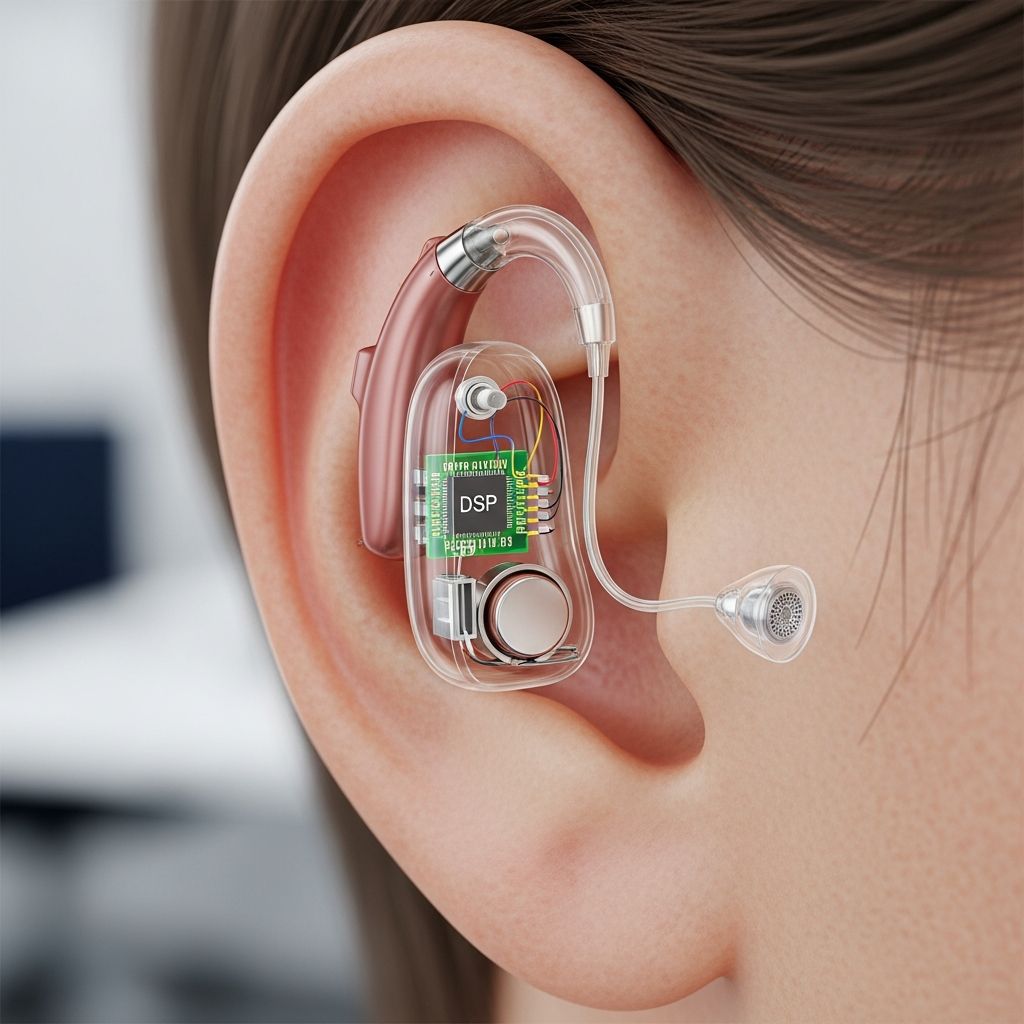
Hearing aids are sophisticated electronic devices designed to help individuals with hearing loss regain access to the sounds of everyday life. Whether you’re considering hearing aids for yourself or a loved one, understanding how these remarkable devices work is essential to appreciating their benefits. At their core, hearing aids function similarly to miniature public address systems, capturing sound from your environment and amplifying it to make speech and other sounds more audible.
The journey of sound through a hearing aid is a fascinating process that combines centuries of audio technology with cutting-edge digital innovation. Modern hearing aids have transformed from basic amplification devices into intelligent, programmable systems that can adapt to your specific hearing needs and environmental conditions. This guide will walk you through the fundamental components and advanced features that make hearing aids such an important tool for managing hearing loss.
The Basic Components of Hearing Aids
All hearing aids, regardless of their size or style, share four essential components that work together to deliver amplified sound to your ears. Understanding these basic parts is the first step in comprehending how these devices function.
The Microphone
The microphone is the first critical component in the hearing aid’s sound processing chain. This small but essential part picks up sound waves from your environment and converts them into electrical signals. Think of the microphone as your hearing aid’s gateway to the world around you—it must be sensitive enough to capture quiet sounds like whispers while also handling loud noises without distortion.
Modern hearing aids often contain multiple microphones strategically positioned to capture sound from different directions. Depending on the model and your specific hearing needs, you might have:
- Omnidirectional microphones that capture sound equally from all directions, useful in calm, quiet environments
- Directional microphones that focus on sounds coming from directly in front of you, helpful for reducing background noise
- Adaptive directional microphones that automatically adjust their focus based on your listening environment and noise levels
The Amplifier
Once the microphone converts sound waves into electrical signals, these signals travel to the amplifier. The amplifier’s job is straightforward but crucial—it increases the strength or amplitude of these electrical signals before they’re sent to the speaker. In digital hearing aids, the amplifier works in conjunction with a sophisticated computer chip that does far more than simple amplification.
Digital amplifiers in modern hearing aids are intelligent processors that can differentiate between various sounds in your environment. They apply strategic amplification based on your individual hearing prescription, meaning they don’t simply make everything louder. Instead, they enhance the specific frequencies where you have hearing loss while leaving other frequencies relatively unchanged. This targeted approach provides much more natural and comfortable listening compared to older analog systems.
The Speaker (Receiver)
The speaker, also called a receiver, performs the final crucial step in the hearing aid’s sound delivery system. After the amplifier has boosted the electrical signals, the speaker converts these amplified signals back into sound waves. These sound waves are then directed into your ear canal, where they can be detected by the remaining healthy hair cells in your inner ear.
Related Stories



The quality and precision of the speaker are vital to your hearing aid’s overall performance. A well-designed speaker must accurately reproduce the full range of amplified frequencies without introducing distortion or feedback, ensuring that you hear clear, natural-sounding audio.
The Power Supply (Battery)
Behind every function of a hearing aid is the power supply, which provides the energy necessary to run all the electronic components. Hearing aids can be powered by either disposable batteries or rechargeable batteries, depending on the model you choose. Disposable batteries are typically small button-cell batteries that can last anywhere from three to fourteen days depending on usage patterns. Rechargeable hearing aids, on the other hand, offer convenience and long-term cost savings by allowing you to simply place your devices on a charging dock each night.
How Sound Travels Through a Hearing Aid
Understanding the journey of sound through your hearing aid helps explain why these devices are so effective for managing hearing loss. The process happens remarkably quickly, often in just milliseconds, yet involves multiple sophisticated steps.
Step 1: Sound Capture begins when the microphone picks up sound waves from your environment. These acoustic vibrations are converted into electrical signals that the hearing aid’s internal components can process.
Step 2: Signal Processing occurs when the computer chip receives these electrical signals and analyzes them. The chip compares the incoming sound against your programmed hearing prescription and determines how much each frequency needs to be amplified. This is where digital technology makes a tremendous difference compared to older analog systems.
Step 3: Amplification happens when the amplifier boosts the strength of the processed signals according to the chip’s instructions. This amplification is selective and intelligent, targeting the frequencies and situations where you need assistance most.
Step 4: Conversion and Delivery is the final stage, when the speaker converts the boosted electrical signals back into sound waves and delivers them into your ear. These amplified vibrations reach your inner ear, where surviving hair cells detect them and convert them into neural signals sent to your brain.
The Role of Digital Technology in Modern Hearing Aids
The advent of digital signal processing revolutionized hearing aid technology, transforming these devices from simple amplifiers into sophisticated, adaptive systems. Nearly all hearing aids dispensed today are digital hearing aids, representing a quantum leap in hearing aid capability and user experience.
Digital hearing aids offer numerous advantages over traditional analog models:
- Improved speech understanding in noisy environments—Digital algorithms can distinguish between speech and background noise, enhancing what you want to hear while suppressing what you don’t
- Increased gain without feedback—Digital processing prevents the whistling or squealing sounds that sometimes plagued older hearing aids
- Enhanced listening comfort and speech perception—Sounds are processed more naturally and comfortably, reducing listener fatigue
- Customized settings for specific needs—Your hearing aid can be precisely programmed to match your unique hearing loss pattern and lifestyle
- More precise directional capabilities—Digital microphones can focus on specific sound sources while minimizing background noise
- Advanced features like wireless connectivity—Many digital hearing aids now include Bluetooth and telecoil technology for seamless integration with phones and other devices
Comparing Analog and Digital Hearing Aids
| Feature | Analog Hearing Aids | Digital Hearing Aids |
|---|---|---|
| Sound Processing | Converts sound waves directly to electrical signals and amplifies them | Converts sound waves to numerical code before amplifying, allowing more control |
| Customization | Programmed by manufacturer according to audiologist specifications | Highly customizable with multiple programs for different environments |
| Noise Reduction | Limited noise management capabilities | Advanced algorithms for effective background noise reduction |
| Frequency Adjustment | Cannot amplify specific frequencies selectively | Can amplify some frequencies more than others based on your hearing loss pattern |
| Directional Focus | Basic or no directional capabilities | Advanced directional technology including adaptive directional processing |
| Programming Flexibility | Requires reprogramming by manufacturer for adjustments | Can be adjusted remotely or in real-time by your audiologist |
How Hearing Aids Compensate for Hearing Loss
Hearing aids work by magnifying sound vibrations that enter your ear. When you have hearing loss caused by damage to sensory hair cells in your inner ear, these hair cells cannot detect sound vibrations as effectively as they should. By amplifying these vibrations, hearing aids make them large enough for your remaining healthy hair cells to detect and convert into neural signals that your brain can interpret as sound.
The amount of amplification needed depends on the severity of your hearing loss. Someone with mild hearing loss might need only modest amplification, while someone with moderate to severe hearing loss may require significantly more powerful amplification. However, there are practical limits to amplification. If the inner ear is too severely damaged, even powerfully amplified vibrations may not be converted into neural signals effectively, which is why hearing aids may have limited effectiveness in cases of profound hearing loss.
Your audiologist plays a crucial role in this process by conducting diagnostic examinations to determine your specific hearing loss pattern and then programming your hearing aids to provide the appropriate amount of amplification for your particular needs. This customization is essential because hearing loss affects different people differently—one person might lose hearing primarily in high frequencies while another experiences more low-frequency loss.
Advanced Features and Customization Options
Modern hearing aids offer numerous advanced features that enhance their functionality and adaptability to your lifestyle:
Variable Programming
Many hearing aids allow you to store multiple settings programmed for different listening situations. You might have one program optimized for quiet conversation, another for noisy restaurants, and another for telephone use. You can switch between these programs manually or set them to activate automatically based on detected sound levels.
Synchronization Technology
If you wear two hearing aids, synchronization features ensure they work together seamlessly. When you adjust the volume or change the program on one hearing aid, the other automatically adjusts to match, providing consistent, balanced hearing and reducing the complexity of managing two separate devices.
Wireless Connectivity
Many contemporary hearing aids include Bluetooth technology, allowing them to connect wirelessly with smartphones, televisions, and other audio devices. This means you can stream phone calls directly to your hearing aids, adjust settings through a smartphone app, and enjoy entertainment more comfortably.
Frequently Asked Questions About Hearing Aids
Q: Will a hearing aid help my hearing loss?
A: Hearing aids are most effective for hearing loss caused by damage to hair cells in the inner ear (sensorineural hearing loss). However, their effectiveness depends on the severity of your hearing loss, the amount of usable hearing you have remaining, and how well they’re programmed for your specific needs. An audiologist can conduct tests to determine whether hearing aids are appropriate for you.
Q: How long does it take to adjust to hearing aids?
A: Most people need a period of adjustment lasting from several weeks to a few months. Your brain must relearn how to process amplified sound, especially if you’ve had untreated hearing loss for some time. Your audiologist will guide you through this adjustment period with follow-up appointments and programming adjustments.
Q: Can I wear hearing aids in only one ear?
A: Yes, hearing aids can be worn in one ear (monaural fitting) or both ears (binaural fitting). However, binaural hearing aids are generally recommended when hearing loss exists in both ears, as they provide better sound localization and balanced hearing.
Q: How often do hearing aid batteries need to be replaced?
A: Disposable battery life depends on battery size, hearing aid power consumption, and daily usage. Typically, batteries last between 3 and 14 days. Rechargeable hearing aids can be charged nightly and usually provide a full day of usage on a single charge.
Q: Are hearing aids waterproof?
A: Most hearing aids are water-resistant but not fully waterproof. They can withstand normal humidity and light perspiration, but you should avoid submerging them in water or exposing them to heavy moisture. Many manufacturers offer water-resistant models specifically designed for active lifestyles.
Q: Can I use my hearing aids while using a phone?
A: Yes. With Bluetooth-enabled hearing aids, you can stream phone calls directly to your devices. Even traditional hearing aids can be used during phone calls—simply hold the phone near your hearing aid microphone as you would normally.
Conclusion
Hearing aids represent a remarkable convergence of acoustic science, digital technology, and medical engineering. By capturing sound, converting it to electrical signals, amplifying those signals intelligently, and converting them back to sound waves, hearing aids restore access to the auditory world for millions of people with hearing loss. The advancement from simple analog amplification to sophisticated digital signal processing has made modern hearing aids increasingly effective at improving speech understanding, reducing background noise, and adapting to various listening environments. If you’re experiencing hearing loss, consulting with an audiologist can help determine whether hearing aids are right for you and how they can improve your quality of life.
References
- How Do Hearing Aids Work? — University of Utah Health. 2024. https://healthcare.utah.edu/audiology/hearing-aids/how-they-work
- How Do Hearing Aids Work? — Starkey. 2024. https://www.starkey.com/hearing-loss/treatment/how-hearing-aids-work
- How Do Hearing Aids Work Video — YouTube. 2018-09-12. https://www.youtube.com/watch?v=AxzVyMcmRcs
- How Do Hearing Aids Work? Understanding Your Listening Devices — Audibel. 2024. https://www.audibel.com/hearing-technology/how-hearing-aids-work/
- Hearing Aids — Hearing Loss Association of America (HLAA). 2024. https://www.hearingloss.org/find-help/hearing-aids/
- Hearing Aids — Styles/Types & How They Work — National Institute on Deafness and Other Communication Disorders (NIDCD). 2024. https://www.nidcd.nih.gov/health/hearing-aids
- Hearing aids: How to choose the right one — Mayo Clinic. 2024. https://www.mayoclinic.org/diseases-conditions/hearing-loss/in-depth/hearing-aids/art-20044116
Similar Articles








Read full bio of medha deb