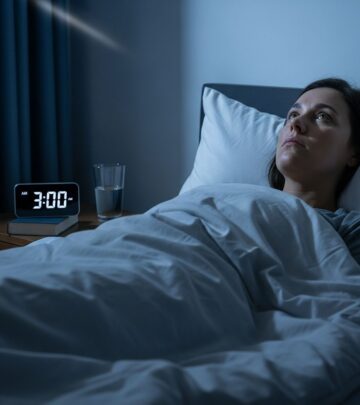
How Do Skin Conditions Impact Mental Health?
Exploring the profound bidirectional link between skin disorders and mental well-being, from stress-induced flares to emotional distress.
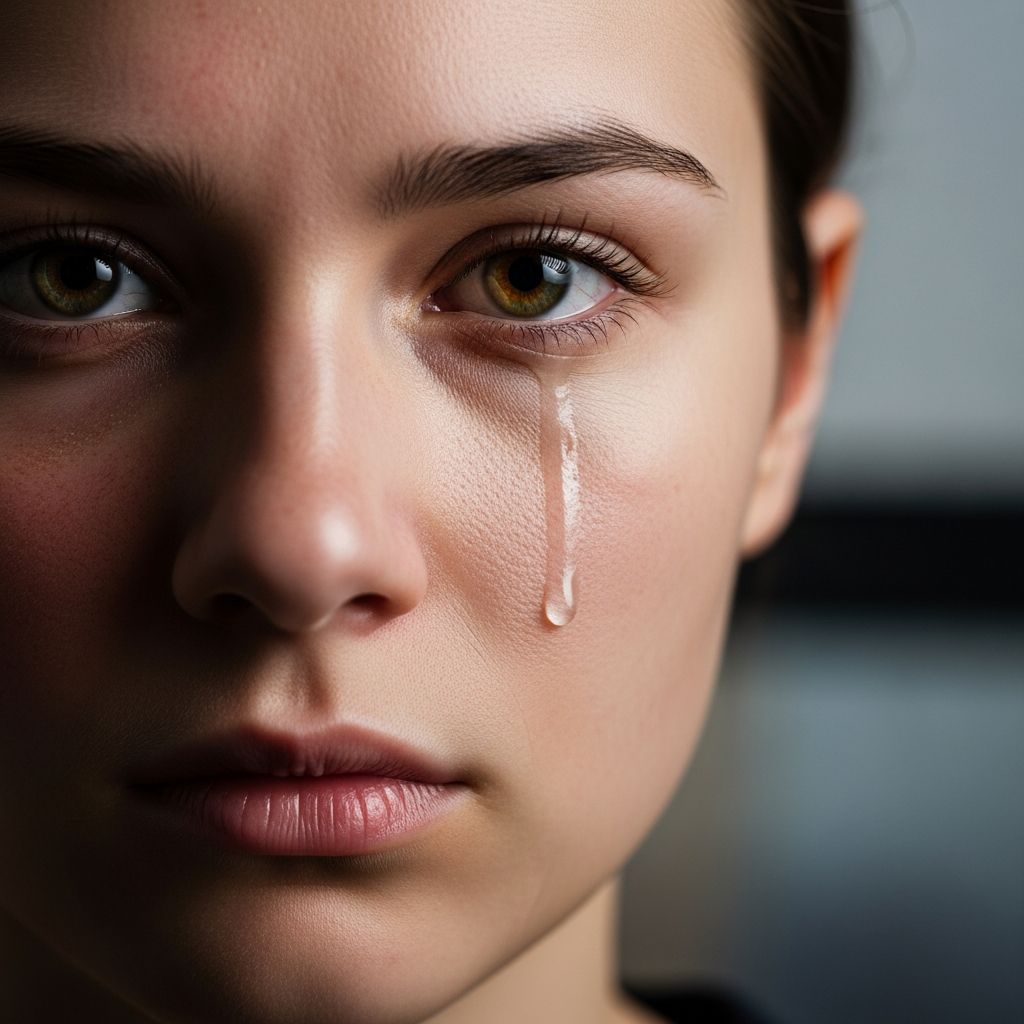
Skin conditions profoundly influence mental health through visible symptoms that erode self-esteem, trigger social stigma, and create a vicious cycle with stress and anxiety. This bidirectional relationship, known as the brain-skin axis, means mental distress can exacerbate skin issues while skin disorders heighten psychological burden.
The Brain-Skin Connection
The brain-skin axis describes how the central nervous system interacts with skin via neural, hormonal, and immune pathways. Chronic stress releases cortisol, promoting inflammation that worsens conditions like psoriasis, eczema, acne, alopecia areata, and rosacea. Neurotransmitter imbalances, such as low serotonin and dopamine from mood disorders, further impair skin health. Emotional states disrupt hormonal balance, increasing sebum production, redness, and water loss, potentially triggering new issues like alopecia.
Conversely, visible skin problems lead to psychosocial comorbidities. Studies show patients with dermatologic conditions have poorer quality of life and higher rates of depression, anxiety, and suicidality. For psoriasis, risks are 11.8 for depression, 8.1 for anxiety, and 0.4 per 1000 person-years for suicidality.
Common Skin Conditions and Their Mental Health Effects
Several prevalent skin disorders carry significant psychological loads due to visibility, itchiness, and chronicity.
Psoriasis
Psoriasis affects over 7.5 million U.S. adults and causes scaly, inflamed plaques often on visible areas. Patients report near-absent self-esteem, shame, embarrassment, social stigma, anger, and reduced body image and quality of life. Stigma from perceived contagiousness leads to isolation and depression.
Eczema (Atopic Dermatitis)
Impacting 31 million Americans, eczema’s intense itching creates an itch-scratch cycle that disrupts sleep, heightens anxiety, and stresses relationships. It ranks high in distress alongside psoriasis, causing low self-esteem and social withdrawal.
Acne
Acne severely impacts adolescents and young adults, linking to psychosocial impairment, body image issues, and emotional difficulties comparable to chronic illnesses. Subjective severity correlates with diminished self-esteem and altered personality perceptions.
Rosacea
This facial redness condition leads to lowered self-esteem (90%), anxiety (54%), depression (43%), and avoidance of social contact in over half of patients. Flare-ups from stress perpetuate the cycle.
Other Conditions
- Alopecia: Hair loss causes high distress, self-esteem loss, and social anxiety.
- Vitiligo: Depigmented patches provoke shame and isolation.
- Urticaria, Hyperhidrosis, Herpes: These trigger embarrassment and avoidance behaviors.
Visible lesions on face or hands amplify mental health risks.
How Mental Health Affects Skin Conditions
Mental states influence skin via multiple mechanisms.
- Inflammation: Stress-induced cortisol flares psoriasis, eczema, acne, and rosacea.
- Autoimmune Triggers: Anxiety and depression provoke scleroderma, lupus, and vasculitis outbreaks.
- Hormonal/Emotional Imbalance: Nervousness boosts sebum and erythema.
- Coping Mechanisms: Smoking, alcohol, and drugs impair healing and accelerate aging.
Psychodermatology classifies disorders into stress-affected skin problems, psychological issues from disfiguring skin, and psychiatric manifestations on skin.
Psychological Impacts in Detail
Skin conditions evoke multifaceted distress.
| Impact | Description | Affected Conditions |
|---|---|---|
| Reduced Self-Esteem | Visible redness, scars, and inflammation make individuals feel conspicuous. | Acne, Psoriasis, Eczema, Rosacea |
| Anxiety & Depression | Prevalence of 30% in chronic skin patients, far above general population. | All visible conditions |
| Social Isolation | Stigma from assumed contagion or hygiene issues leads to withdrawal. | Psoriasis, Eczema |
| Sleep Disruption | Itch-scratch cycle worsens mood and skin. | Eczema, Pruritus |
| Suicidality | Higher ideation and intent linked to severe cases. | Psoriasis, Alopecia |
Related Stories



Depression symptoms include sadness, suicidal thoughts, poor adherence to treatment, worsening skin and mood. Caregivers and families also suffer.
Recognizing Signs of Mental Health Issues
Dermatologists must screen proactively, as patients rarely volunteer symptoms. Watch for poor eye contact, sadness, sleep/appetite changes, relationship/work difficulties. Higher distress in pruritus, alopecia, seborrhea, hyperhidrosis, trichotillomania.
Treatment and Management Strategies
Holistic care addresses both skin and mind.
- Cognitive Behavioral Therapy (CBT): Strong evidence for psoriasis, atopic dermatitis, acne; reduces distress and improves skin.
- Stress Management: Mindfulness, relaxation techniques break the vicious cycle.
- Psychodermatology Referral: “Skin-emotion specialists” treat psychodermatologic disorders.
- Medication: Antidepressants/anxiolytics alongside topicals.
- Support Groups: Combat isolation and stigma.
Treating mental health often improves skin, as stress reduction alleviates flares. Adherence improves with mood stabilization.
Frequently Asked Questions (FAQs)
Q: Can stress really cause skin flares?
A: Yes, stress triggers cortisol release, inflammation, and autoimmune responses, worsening psoriasis, eczema, acne, and more.
Q: Which skin condition has the worst mental health impact?
A: Eczema, psoriasis, alopecia, and acne cause highest distress due to visibility and symptoms.
Q: How common is depression in skin patients?
A: Up to 30% experience depression/anxiety, with psoriasis risks at 11.8 per 1000 person-years.
Q: Should I tell my dermatologist about anxiety?
A: Absolutely—many issues go undiagnosed unless asked; integrated care improves outcomes.
Q: Can therapy help my skin?
A: CBT shows strong benefits for psoriasis, eczema, and acne by reducing stress.
Conclusion
The interplay between skin conditions and mental health demands comprehensive care. Early intervention prevents escalation, enhancing quality of life.
References
- Impact Mental Health Can Have on Skin Diseases — HMGS Dermatology. 2023. https://hmgsderm.com/impact-mental-health-can-have-on-skin-diseases/
- The Potential Psychological Impact of Skin Conditions — PMC – NIH. 2017-02-15. https://pmc.ncbi.nlm.nih.gov/articles/PMC5289120/
- Managing the Mental Health Effects of Skin Diseases — MedCentral. 2023. https://www.medcentral.com/behavioral-mental/depression/managing-the-mental-health-effects-of-skin-diseases
- Psychosocial Factors in Dermatology — DermNet NZ. 2024. https://dermnetnz.org/topics/psychosocial-factors-in-dermatology
- The Link Between Skin and Psychology — American Psychological Association. 2015-02. https://www.apa.org/monitor/2015/02/cover-skin
Similar Articles








Read full bio of Sneha Tete