How Do You Get E. Coli? 5 Common Transmission Routes
Understand E. coli transmission, symptoms, prevention strategies, and treatment to protect yourself from this common bacterial infection.
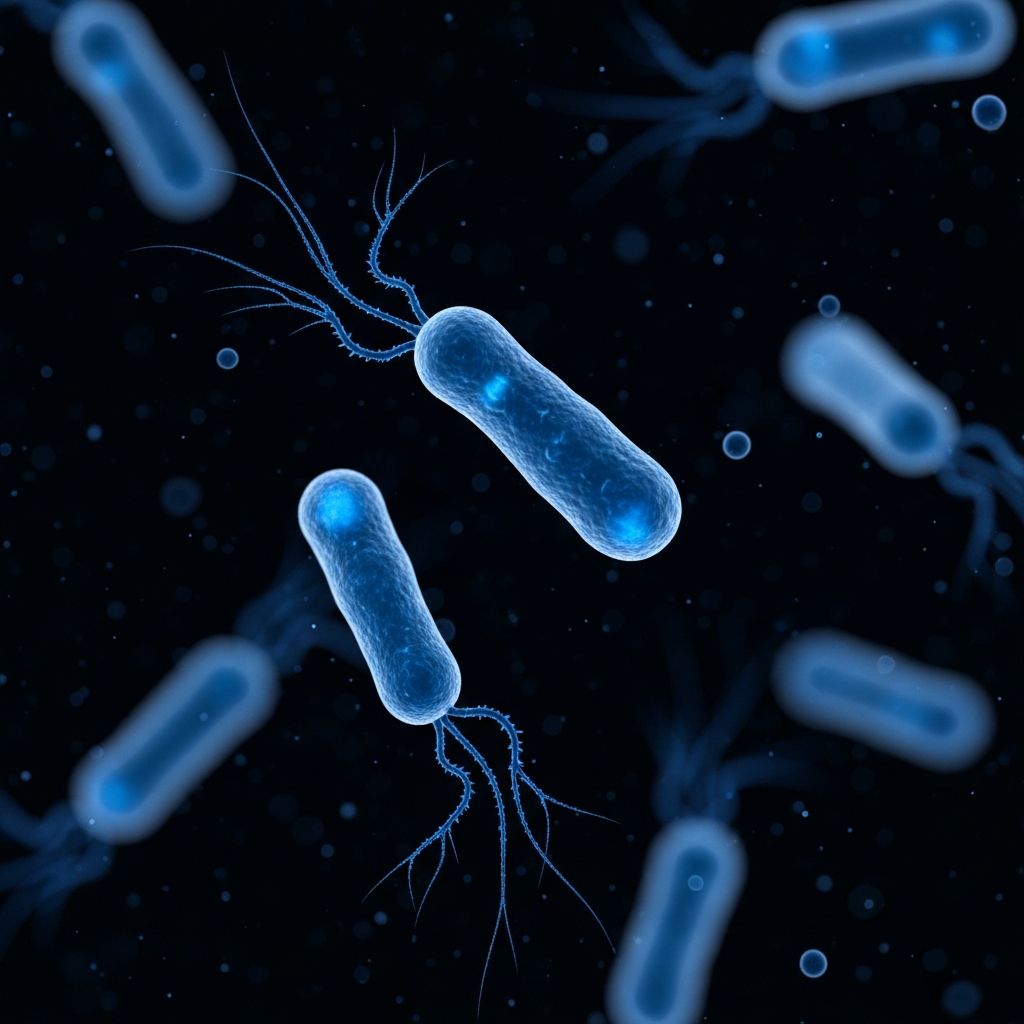
Escherichia coli, commonly known as E. coli, is a bacterium normally found in the intestines of healthy people and animals. While most strains are harmless, certain pathogenic types can cause severe infections ranging from watery diarrhea to life-threatening complications like kidney failure.
What Is E. coli?
E. coli belongs to a group of bacteria that reside in the gut without causing harm under normal conditions. However, strains like Shiga toxin-producing E. coli (STEC), particularly O157:H7, produce toxins that damage intestinal lining and can lead to serious illness. These bacteria are gram-negative and prevalent in the human gastrointestinal tract, but they become problematic when they spread outside the gut or when virulent strains contaminate food or water.
Annually, about 265,000 STEC infections occur in the U.S., making it the leading cause of E. coli outbreaks and severe cases. E. coli can infect the gastrointestinal tract, urinary system, or even cause systemic issues like bacteremia and meningitis.
How Does E. coli Spread?
E. coli primarily spreads through the fecal-oral route, where tiny amounts of fecal matter contaminated with the bacteria enter the mouth via food, water, or direct contact. Unlike many pathogens, E. coli requires only a small inoculum to cause infection, heightening its transmissibility.
Key transmission pathways include:
- Contaminated food: Undercooked ground beef is a major source, as bacteria from animal intestines mix during processing.
- Unpasteurized products: Raw milk, apple juice, or cider can harbor E. coli from contaminated udders or equipment.
- Fresh produce: Vegetables like spinach and lettuce absorb runoff from cattle farms or manure-fertilized fields.
- Water: Swallowing contaminated pool, lake, or untreated drinking water.
- Person-to-person: Especially in settings with poor hand hygiene, like daycare centers or households.
Extraintestinal infections often result from translocation of commensal E. coli from the gut to sites like the urinary tract, particularly in hospitalized patients or those with catheters.
Symptoms of an E. coli Infection
Symptoms typically emerge 1-10 days post-exposure, averaging 3-4 days for STEC. Initial signs mimic gastroenteritis but can escalate rapidly.
| Symptom | Description | Common in Strains |
|---|---|---|
| Diarrhea | Watery to severe bloody | STEC, ETEC |
| Stomach cramps | Severe abdominal pain | All diarrheagenic |
| Nausea/vomiting | Occasional | Most types |
| Low-grade fever | Mild, under 101°F | STEC |
| Fatigue | General weakness | Common |
Severe cases may progress to hemolytic uremic syndrome (HUS), involving bloody diarrhea, reduced urination, and kidney failure, especially in children. Extraintestinal symptoms include painful urination (UTIs), pneumonia, or sepsis.
Types of E. coli Infections
E. coli strains vary by mechanism and site:
- Diarrheagenic: Cause GI illness. Enterotoxigenic E. coli (ETEC) triggers traveler’s diarrhea in hours; STEC leads to bloody diarrhea.
- Urinary tract infections (UTIs): Most common extraintestinal form, from gut bacteria ascending the urethra.
- Bacteremia/sepsis: Bloodstream invasion, often in vulnerable patients.
- Other: Pneumonia, peritonitis, meningitis.
ETEC thrives in warm climates, while STEC peaks June-September in the U.S.
Who’s at Higher Risk for E. coli Infection?
While anyone can contract E. coli, certain groups face elevated risks:
- Young children under 5: Prone to dehydration and HUS.
- Older adults: Weakened immunity increases complication odds.
- Pregnant women: Higher susceptibility.
- Immunocompromised: Including those with digestive disorders or on immunosuppressants.
- Travelers: To areas with poor sanitation.
Related Stories



Hospitalized patients with catheters or in long-term care are at risk for extraintestinal spread.
Diagnosis and Treatment
Diagnosis involves stool cultures, PCR for toxins, or blood/urine tests. Treatment varies:
- STEC: Supportive—hydration, rest. Antibiotics avoided as they may worsen HUS.
- Other strains/UTIs: Antibiotics like ciprofloxacin or trimethoprim-sulfamethoxazole.
- Severe cases: Hospitalization for IV fluids, dialysis if kidneys fail.
Most recover in 5-7 days; monitor for dehydration.
Prevention Tips for E. coli
Preventing E. coli hinges on hygiene and food safety:
- Wash hands thoroughly with soap after bathroom use, diaper changes, or animal contact.
- Cook ground beef to 160°F; use a thermometer.
- Avoid unpasteurized dairy/juices; choose pasteurized.
- Wash produce under running water; use purified water abroad.
- Disinfect surfaces; avoid swallowing recreational water.
- Practice good hygiene in group settings.
For high-risk travelers, prophylactic antibiotics may help.
When to See a Doctor
Seek care for:
- Bloody diarrhea lasting >2 days.
- High fever (>102°F), severe cramps, vomiting preventing fluids.
- Signs of dehydration: dry mouth, dizziness, little urine.
- UTI symptoms: painful urination, blood in urine.
- Neurological changes or bruising (HUS signs).
Frequently Asked Questions (FAQs)
Can E. coli infections go away on their own?
Yes, mild cases often resolve in a week with hydration, but monitor for worsening symptoms and consult a doctor.
How long do E. coli symptoms last?
Typically 5-7 days for STEC; up to two weeks for others. Seek help if prolonged.
Is E. coli contagious?
Yes, via fecal-oral route; isolate during diarrhea and emphasize handwashing.
Does cooking kill E. coli?
Yes, internal temperature of 160°F for ground meats destroys it.
Can E. coli cause kidney failure?
STEC can trigger HUS leading to kidney issues, especially in children.
References
- Escherichia coli Infection – StatPearls — NCBI Bookshelf / NIH. 2023-07-17. https://www.ncbi.nlm.nih.gov/books/NBK564298/
- E. coli: Infection, Causes, Symptoms & Treatment — Cleveland Clinic. 2023-08-15. https://my.clevelandclinic.org/health/diseases/16638-e-coli-infection
- E. coli – Symptoms and causes — Mayo Clinic. 2024-02-20. https://www.mayoclinic.org/diseases-conditions/e-coli/symptoms-causes/syc-20372058
- E. Coli Infections: Diarrhea — Rady Children’s Health. 2023-11-01. https://www.rchsd.org/health-article/e-coli-infections-diarrhea/
- About Escherichia coli Infection — CDC. 2024-06-12. https://www.cdc.gov/ecoli/about/index.html
Similar Articles








Read full bio of medha deb