Undefined: How Do You Get Lyme Disease? Key Facts
Understand Lyme disease transmission, symptoms, prevention, and the truth about chronic symptoms from tick bites.
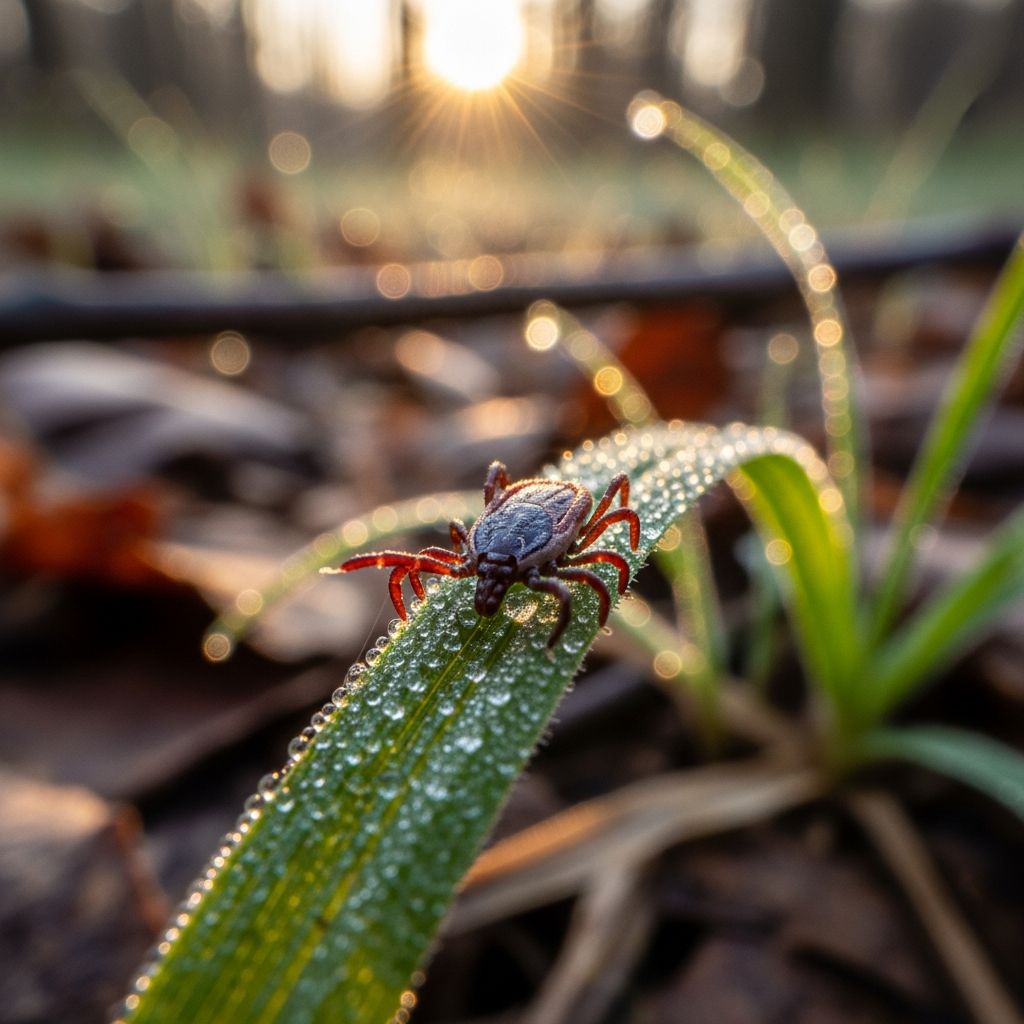
Lyme disease is a bacterial infection primarily transmitted to humans through the bite of an infected blacklegged tick (Ixodes scapularis), carrying the spirochete bacterium Borrelia burgdorferi. This tick-borne illness is most prevalent in the northeastern, mid-Atlantic, and upper Midwest regions of the United States, as well as parts of Europe and Canada.
Understanding transmission is crucial for prevention, as early detection and antibiotic treatment typically lead to full recovery. Not all tick bites cause Lyme disease; only those from ticks infected with the bacteria pose a risk, and transmission requires the tick to be attached for at least 36-48 hours.
What Causes Lyme Disease?
The primary cause of Lyme disease is Borrelia burgdorferi, a spirochete bacterium introduced into the bloodstream via tick saliva during a prolonged bite. In Europe, related species like Borrelia afzelii and Borrelia garinii also contribute to cases. Blacklegged ticks acquire the bacteria by feeding on infected hosts such as white-footed mice or deer during their nymph or adult stages.
Humans are incidental hosts, not part of the natural cycle. Ticks must remain attached for 36-48 hours to transmit sufficient bacteria, emphasizing the importance of prompt tick removal. Coinfections with other tick-borne pathogens like Babesia or Anaplasma can complicate cases, occurring in up to 10-20% of Lyme patients in endemic areas.
Who Is at Risk for Lyme Disease?
Individuals in endemic areas face the highest risk, particularly those engaging in outdoor activities from late spring through fall when nymphal ticks (size of a poppy seed) are active. Adults over 50 and children under 15 report the most cases, per CDC surveillance.
- High-risk groups: Hikers, campers, gardeners, hunters, and yard workers in wooded, grassy, or brushy areas.
- Geographic hotspots: Northeast (e.g., Connecticut, New York), Midwest (e.g., Wisconsin, Minnesota), and Pacific Coast states.
- Seasonal peaks: May-July for nymph bites; October-November for adults.
Pets can carry ticks home, increasing household exposure. Climate change expands tick ranges northward and into higher elevations.
How Is Lyme Disease Transmitted?
Transmission occurs exclusively through infected tick bites; no evidence supports person-to-person spread, blood transfusions, or food/water.
| Tick Stage | Size | Active Season | Transmission Risk |
|---|---|---|---|
| Larva | Tiny, pinhead | Summer | Low (rarely infected) |
| Nymph | Poppy seed | Spring-Summer | High (most bites unnoticed) |
| Adult | Apple seed | Fall-Spring | Moderate (visible, easier to spot) |
Nymphs cause 90% of cases due to their small size and outdoor activity overlap. Ticks quest from low vegetation, latching onto passing hosts.
What Are the Symptoms of Lyme Disease?
Lyme progresses in stages if untreated, starting 3-30 days post-bite.
Early Localized Stage (3-30 days)
- Erythema migrans (EM) rash: Bull’s-eye pattern in 70-80% of cases, expanding 2-12 inches, often painless.
- Flu-like symptoms: Fever, chills, fatigue, headache, muscle/joint aches, swollen lymph nodes.
Related Stories



Early Disseminated Stage (3-10 weeks)
- Multiple EM rashes.
- Facial palsy (Bell’s palsy), meningitis (severe headache, neck stiffness).
- Heart issues: Palpitations, AV block.
- Arthritis: Especially knees.
Late Disseminated Stage (Months-Years)
- Recurrent arthritis (60-80% untreated cases).
- Neurological: Numbness, shooting pains, memory issues.
- Rare: Eye inflammation, hepatitis.
EM rash prompts 80% of diagnoses; absence doesn’t rule out infection.
Treatment for Lyme Disease
Early treatment with oral antibiotics (doxycycline, amoxicillin, cefuroxime) for 10-21 days cures most (95%). IV antibiotics for severe disseminated cases (e.g., ceftriaxone, 14-28 days).
- Children/Pregnant: Amoxicillin preferred.
- Neurological/Heart: IV therapy.
Standard course: 2-4 weeks. Prompt treatment prevents progression.
Chronic Lyme Disease and Post-Treatment Lyme Disease Syndrome (PTLDS)
5-10% experience prolonged symptoms (fatigue, pain, cognitive issues) 6 months post-treatment, termed PTLDS by CDC—not ongoing infection. No viable bacteria detected; symptoms resolve over time without further antibiotics.
CDC stance: Avoid “chronic Lyme” as it implies persistent infection. Extended antibiotics show no benefit, risk sepsis, C. difficile, abscesses. Stanford reports severe complications from unproven IV therapies.
Research gaps: Autoimmunity, bacterial fragments, or coinfections may contribute. Management: Symptom relief (pain meds, PT), mental health support.
Prevention of Lyme Disease
Prevent bites to avoid infection.
- Avoid tick habitats: Stay on trails, avoid leaf litter/brush.
- Protective clothing: Long sleeves/pants, permethrin-treated gear.
- Repellents: DEET (20-30%), picaridin, IR3535 on skin; permethrin on clothes.
- Tick checks: Shower post-outdoors, check body/crevices (scalp, armpits, groin).
- T yard: Mow lawn, clear leaves, fences to deter deer/mice.
Remove ticks with tweezers (grasp near head, steady pull); save for ID. Prophylactic doxycycline if high-risk bite (nymph/adult, endemic area, >36h attachment).
Diagnosis of Lyme Disease
Clinical: EM rash diagnostic. Serology (ELISA + Western blot) for others, 2-6 weeks post-infection. Avoid early testing (false negatives). CDC two-tier system standard.
Lyme Disease Myths and Facts
| Myth | Fact |
|---|---|
| Airborne/sexual transmission | Tick bites only |
| Chronic Lyme = persistent infection | PTLDS; no live bacteria post-treatment |
| Long-term antibiotics cure PTLDS | No benefit; serious risks |
Frequently Asked Questions (FAQs)
What if I find a tick on me?
Remove promptly with fine-tipped tweezers. Clean area/antibiotic ointment. Monitor for EM rash 30 days.
Can Lyme be asymptomatic?
Yes, some never develop rash/symptoms but seroconvert.
Is Lyme increasing?
Yes, CDC reports 476,000 annual US cases (diagnosed/undiagnosed).
Vaccines available?
LYMErix discontinued 2002; new candidates in trials.
Pets and Lyme?
Dogs get Lyme; use preventives, check after walks.
References
- Sorting Lyme disease fact from fiction with Stanford Medicine’s Jake Scott — Stanford Medicine. 2025-09. https://med.stanford.edu/news/insights/2025/09/lyme-disease-fact-fiction-ticks-jake-scott.html
- Chronic Symptoms and Lyme Disease — Centers for Disease Control and Prevention (CDC). 2024. https://www.cdc.gov/lyme/signs-symptoms/chronic-symptoms-and-lyme-disease.html
- Relevance of Chronic Lyme Disease to Family Medicine — National Library of Medicine (PMC). 2014-11-17. https://pmc.ncbi.nlm.nih.gov/articles/PMC4258916/
- Lyme disease – Symptoms and causes — Mayo Clinic. 2024. https://www.mayoclinic.org/diseases-conditions/lyme-disease/symptoms-causes/syc-20374651
Similar Articles








Read full bio of Sneha Tete