How Do You Know If You Have Type 2 Diabetes?
Recognize the signs of type 2 diabetes early: from excessive thirst and fatigue to blurred vision and slow-healing wounds.
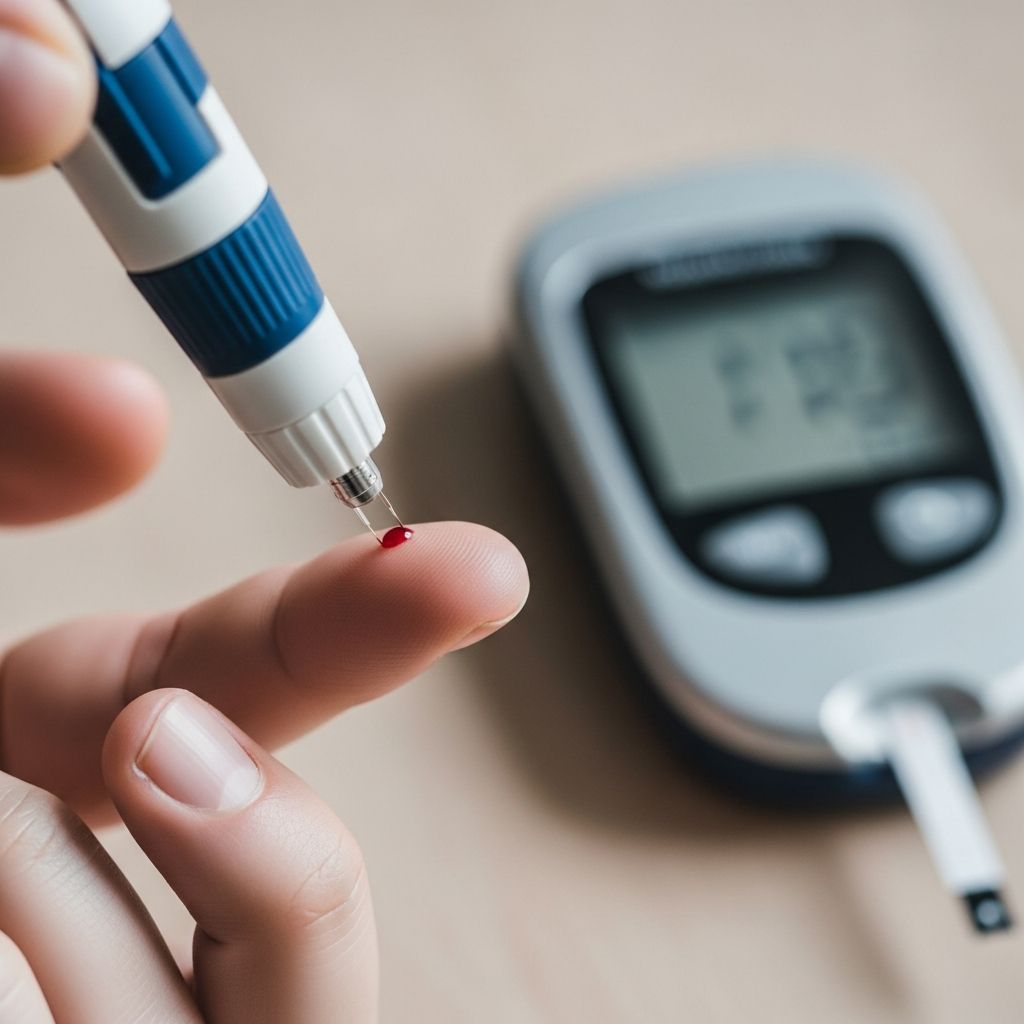
Type 2 diabetes is a common condition where the body struggles to use insulin effectively, leading to elevated blood sugar levels. It primarily affects adults over 40 but is increasingly seen in younger people due to lifestyle factors. Early recognition of symptoms is crucial for timely diagnosis and management to prevent complications like heart disease and kidney damage.
What is Type 2 Diabetes?
Type 2 diabetes occurs when the body becomes resistant to insulin or the pancreas does not produce enough insulin to maintain normal blood glucose levels. Unlike type 1 diabetes, which is autoimmune, type 2 develops gradually and is often linked to obesity, inactivity, and poor diet. Over 90% of diabetes cases worldwide are type 2. The condition causes hyperglycemia, where blood sugar remains persistently high, damaging organs over time.
Insulin resistance means cells in muscles, fat, and liver do not respond well to insulin, so glucose builds up in the bloodstream. Initially, the pancreas compensates by producing more insulin, but eventually, it cannot keep up. Risk factors include age over 45, family history, excess weight (especially abdominal fat), sedentary lifestyle, high blood pressure, and history of gestational diabetes.
Symptoms of Type 2 Diabetes
Symptoms often develop slowly and can be subtle, leading many to dismiss them. Common signs include:
- Frequent urination (polyuria): High blood sugar forces kidneys to work harder, excreting excess glucose via urine, increasing urination frequency, especially at night.
- Increased thirst (polydipsia): Fluid loss from urination causes dehydration, triggering intense thirst.
- Unexplained weight loss: Despite eating normally, the body breaks down fat and muscle for energy as glucose cannot enter cells.
- Extreme fatigue: Cells starved of glucose lead to constant tiredness and low energy.
- Blurred vision: High glucose pulls fluid from eye lenses, altering focus temporarily.
- Slow-healing sores or frequent infections: Elevated sugar impairs white blood cell function and circulation, delaying healing.
- Increased hunger (polyphagia): Despite eating, hunger persists as cells lack energy.
- Tingling or numbness in hands/feet: Nerve damage (neuropathy) from prolonged high sugar.
Not everyone experiences all symptoms; some remain asymptomatic for years, discovered during routine checks. Women may notice recurrent yeast infections, while men might experience erectile dysfunction.
Risk Factors for Type 2 Diabetes
Several factors increase susceptibility:
| Risk Factor | Description |
|---|---|
| Obesity | Excess body fat, particularly visceral fat, promotes insulin resistance. |
| Family History | Genetic predisposition; risk doubles with one parent affected. |
| Age | Risk rises after 45 due to declining beta-cell function. |
| Inactivity | Sedentary lifestyle reduces muscle glucose uptake. |
| Poor Diet | High intake of refined carbs and sugars spikes blood glucose. |
| Ethnicity | Higher risk in South Asian, African, and Hispanic populations. |
Prediabetes, where blood sugar is elevated but not diagnostic for diabetes, affects many at-risk individuals and is reversible with lifestyle changes.
Related Stories



How is Type 2 Diabetes Diagnosed?
Diagnosis involves blood tests confirming hyperglycemia:
- HbA1c Test: Measures average blood sugar over 2-3 months. ≥48 mmol/mol (6.5%) indicates diabetes.
- Fasting Plasma Glucose (FPG): ≥7.0 mmol/L after 8-hour fast.
- Oral Glucose Tolerance Test (OGTT): ≥11.1 mmol/L two hours after glucose drink.
- Random Plasma Glucose: ≥11.1 mmol/L with symptoms.
Tests are repeated for confirmation unless unequivocal hyperglycemia with symptoms exists. Screening is recommended for at-risk adults over 45 every 3 years or sooner if symptomatic. GPs use these alongside symptom review and medical history.
Complications of Untreated Type 2 Diabetes
Chronic high blood sugar damages blood vessels and nerves:
- Cardiovascular Disease: Doubles heart attack/stroke risk due to atherosclerosis.
- Neuropathy: Affects 50% eventually, causing pain, numbness, digestive issues.
- Retinopathy: Leading blindness cause in working-age adults.
- Nephropathy: Kidney failure risk triples.
- Foot Problems: Poor circulation + neuropathy leads to ulcers/amputations.
Early control halves complication risk. Hypoglycemia risk rises with treatment, especially insulin.
Treatment and Management of Type 2 Diabetes
First-line: Lifestyle changes for all.
Diet
Low-carb (50-130g/day) diet controls spikes, aids weight loss/remission. Focus on:
- Vegetables, fruits (whole), lean proteins, healthy fats.
- Limit refined carbs, sugars, processed foods.
- Glycemic index (GI): Choose low-GI foods for steady glucose.
Portion control essential; weight loss of 5-10% improves control.
Physical Activity
150 min/week moderate aerobic + strength training. Improves insulin sensitivity.
Medications
If lifestyle insufficient: Metformin first-line, then others (SGLT2i, GLP-1 agonists, DPP-4i, sulfonylureas). Insulin if needed. Newer agents reduce CV/kidney risks.
Monitoring
HbA1c target <48-53 mmol/mol individualized. Self-monitor blood glucose; track BP, cholesterol.
Living with Type 2 Diabetes
Education empowers: Learn carb counting, hypo/hyperglycemia management, sick-day rules. Quit smoking, limit alcohol. Annual checks: eyes, feet, kidneys. Remission possible via sustained weight loss.
Frequently Asked Questions (FAQs)
Can type 2 diabetes be reversed?
Yes, remission (normal blood sugar without meds) achievable via low-carb diet and 10-15kg weight loss, per trials.
Is type 2 diabetes curable?
Not cured, but manageable; many control without meds lifelong.
What diet is best?
Low-carb, Mediterranean-style: veggies, fish, nuts, olive oil.
Does exercise cure it?
No, but regular activity prevents/controls it effectively.
When to see a doctor?
If symptomatic or at-risk; don’t wait.
References
- Diabetes diet: managing type 2 diabetes — Patient.info. 2024. https://patient.info/features/diabetes/diet-and-diabetes-how-to-manage-type-2-diabetes-through-your-diet
- Type 2 Diabetes: Causes, Symptoms, and Treatment — Patient.info. 2024. https://patient.info/diabetes/type-2-diabetes
- Type 2 diabetes treatment — Patient.info. 2024. https://patient.info/diabetes/type-2-diabetes/type-2-diabetes-treatment
- Advances in the management of type 2 diabetes in adults — PMC/NIH. 2023-09-11. https://pmc.ncbi.nlm.nih.gov/articles/PMC10481754/
- Type 2 Diabetes Treatment and Management — Patient.info. 2024. https://patient.info/doctor/endocrine-disorders/management-of-type-2-diabetes
- Understanding Type 2 Diabetes — American Diabetes Association. 2024. https://diabetes.org/about-diabetes/type-2
Similar Articles








Read full bio of medha deb