How Does Trader Joe’s Keep Their Prices Low?
Discover the smart strategies behind Trader Joe's unbeatable prices, from private labels to efficient operations that deliver value every day.
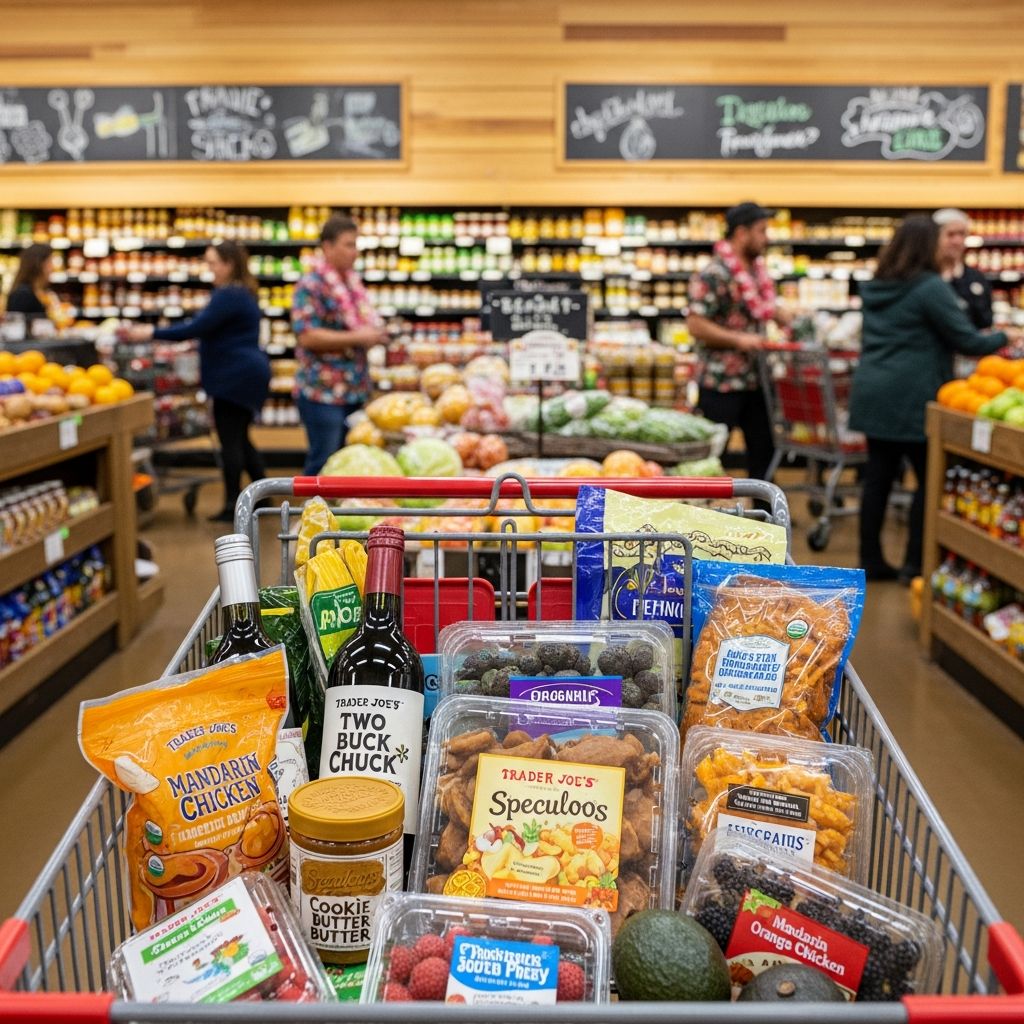
Trader Joe’s has built a cult following with its quirky products, friendly vibe, and most importantly, rock-bottom prices on high-quality groceries. But how does this beloved chain keep costs so low without sacrificing taste or freshness? The answer lies in a masterful combination of private labeling, lean operations, strategic sourcing, and a customer-first philosophy that prioritizes value over volume.
Unlike traditional supermarkets that rely on national brands and expansive inventories, Trader Joe’s operates on a streamlined model designed for efficiency. About
80% of its products
are exclusive store brands, allowing direct control over pricing and quality. This approach, paired with smaller stores, no advertising budget, and daily fresh deliveries, creates a pricing edge that competitors struggle to match. In an era of rising grocery costs, understanding these tactics reveals why Trader Joe’s remains a shopper’s paradise.A Private Label Powerhouse
The cornerstone of Trader Joe’s low-price strategy is its heavy emphasis on
private label products
. Over 80% of items on shelves carry the Trader Joe’s name, from “Two Buck Chuck” wine to frozen mandarin orange chicken. This isn’t just branding—it’s a cost-cutting superpower.By producing under their own label, Trader Joe’s bypasses the hefty markups of national brands. They partner with manufacturers who supply big-name competitors but repackage products exclusively for TJ’s. Suppliers agree to secrecy, preventing backlash from other retailers, which secures better deals. This direct relationship means no middlemen skimming profits, passing savings straight to customers.
- Cost Savings: Private labels eliminate advertising and slotting fees that national brands demand.
- Quality Control: TJ’s “product developers” scout global suppliers for unique, high-quality items at competitive prices.
- Exclusivity: Items like seasonal specialties create buzz without extra marketing spend.
This model results in higher inventory turnover—products fly off shelves faster, reducing spoilage and waste. Shoppers get premium goods, like organic produce or gourmet cheeses, at prices 20-30% lower than conventional stores.
Direct Sourcing and Global Supply Chains
Trader Joe’s acts as a “buying agent” for customers, sourcing directly from producers worldwide to snag the best deals. They skip distributors, shipping bulk goods straight to regional centers where items are prepped (e.g., cheese sliced and packaged) for same-day delivery to stores.
This
vertically integrated-like model
—without owning farms—relies on deep supplier partnerships. TJ’s pays promptly, avoids slotting fees, and commits to large orders, earning favorable pricing. When costs drop, like in olive oil after shortages, prices fall immediately. Raises? A last resort only if costs skyrocket.Global reach taps lower production costs in developing countries while maintaining U.S. standards. Examples include Vietnamese cashews or Italian pastas at fractions of branded costs. Precise logistics ensure high availability in small backrooms, minimizing storage expenses.
Smaller Stores, Higher Efficiency
Trader Joe’s stores average
10,000 square feet
—half the size of typical supermarkets—yet boast sales per square foot around $1,750, among the industry’s highest. Smaller footprints slash rent, utilities, and staffing needs while focusing on high-velocity items.Related Stories



- No expansive aisles or endcap displays reduce real estate costs.
- High traffic in urban/suburban spots maximizes revenue density.
- Sell-by-unit (not weight) speeds checkouts, cutting labor time.
This efficiency funds lower prices. Stores stock ~4,000 SKUs vs. 40,000+ elsewhere, curating best-sellers and treasures to minimize overstock risk.
No Ads, Word-of-Mouth Magic
Ever see a Trader Joe’s commercial? No, and they save
billions
annually by skipping ads. Instead, they bank on organic buzz—social media raves, “TJS hunts,” and Hawaiian-shirt-clad crews foster loyalty.This cult status drives foot traffic without coupons, loyalty apps, or sales. Private labels reinforce uniqueness; fans associate finds like Cookie Butter solely with TJ’s. Minimalist packaging in recyclable materials cuts costs further, aligning with eco-conscious shoppers.
Crew Culture and Operational Discipline
Employees, called “crew members,” earn above-average wages ($15-20+/hour) with full benefits, yet turnover is low thanks to a fun, empowered culture. No self-checkout means personalized service, building loyalty that indirectly supports pricing.
Discipline shines in pricing: no rigid “cost-plus” markups. Prices reflect market relativity—what’s compelling vs. competitors—ensuring value. Markup varies by item for fair profits while paying bills and crew.
| Strategy | Cost Impact | Customer Benefit |
|---|---|---|
| Private Labels (80%+) | Eliminates brand premiums | Premium quality at low prices |
| Direct Sourcing | No distributors | Faster price drops |
| Small Stores | Lower rent/overhead | High sales density |
| No Advertising | Saves marketing budget | Funds everyday low prices |
| Efficient Logistics | Daily deliveries | Freshness guaranteed |
Challenges and Criticisms
Not flawless: Occasional shortages lead to creative shelf-filling. Flexibility demands might strain suppliers. Still, the model endures, adapting to inflation by holding prices steady where possible.
In 2023-2025, amid supply chain woes, TJ’s shone by quickly pivoting, proving resilience.
Frequently Asked Questions (FAQs)
What percentage of Trader Joe’s products are private label?
Approximately
80%
, allowing control over costs and quality while offering unique items.Does Trader Joe’s use a fixed pricing formula?
No, they prioritize marketplace relativity over cost-plus models, adjusting for value and competition.
Why are Trader Joe’s stores so small?
To boost sales per square foot, cut overhead, and maintain a curated, treasure-hunt feel.
How does Trader Joe’s handle price increases?
Reluctantly and only as a last resort; they lower prices swiftly when costs drop.
Do Trader Joe’s employees get good pay?
Yes, crew members earn competitive wages with benefits, fostering low turnover and great service.
The Future of Trader Joe’s Value
As grocery inflation eases post-2025, Trader Joe’s model positions it strongly. No e-commerce or delivery keeps focus on in-store magic. Expansion continues selectively, prioritizing efficiency. Shoppers win with sustained low prices on beloved staples.
This blueprint—value as “great food + great prices”—ensures Trader Joe’s thrives, redefining grocery retail.
References
- Trader Joe’s Gets Candid About Its Pricing Model — Progressive Grocer. 2023-10-12. https://progressivegrocer.com/trader-joes-gets-candid-about-its-pricing-model
- Trader Joe’s: “great food + great prices = Value” — Harvard Digital Initiative. 2017-05-01. https://d3.harvard.edu/platform-rctom/submission/trader-joes-great-food-great-prices-value/
- Trader Joe’s | Worldly Partners — Worldly Partners. 2025-10-01. https://worldlypartners.com/wp-content/uploads/2025/10/Trader-Joes.pdf
- Trader Joe’s: The Complete History and Strategy — Acquired FM. 2022-11-15. https://www.acquired.fm/episodes/trader-joes
- The Secrets Behind Trader Joe’s Low Prices — Oreate AI Blog. 2024-03-20. https://www.oreateai.com/blog/the-secrets-behind-trader-joes-low-prices/5b9c86a2b074b67221eda4dd6afb24b8
Similar Articles








Read full bio of Sneha Tete